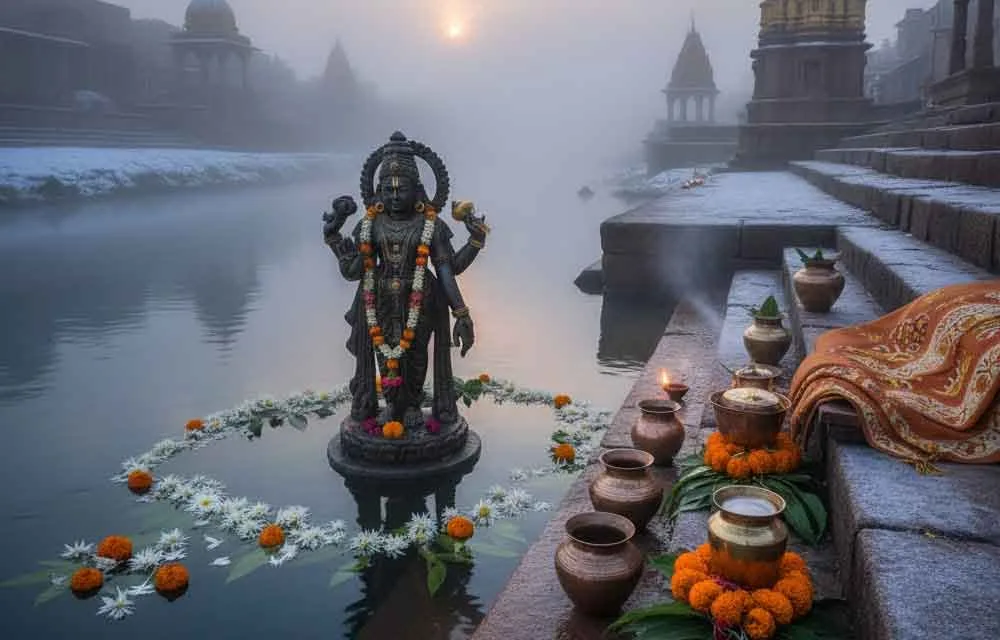
Margashirsha Masa 2026: Start Date, Hindu Festivals, Vrat, Puja Rituals and Spiritual Significance
Margashirsha Masa 2026 is one of the most spiritually significant months in the Hindu calendar. Also known as Margasira Masam, Margashira or Agrahayana, this sacred month is especially associated with Lord Krishna, Lord Vishnu, Goddess Lakshmi and the divine wisdom of the Bhagavad Gita.
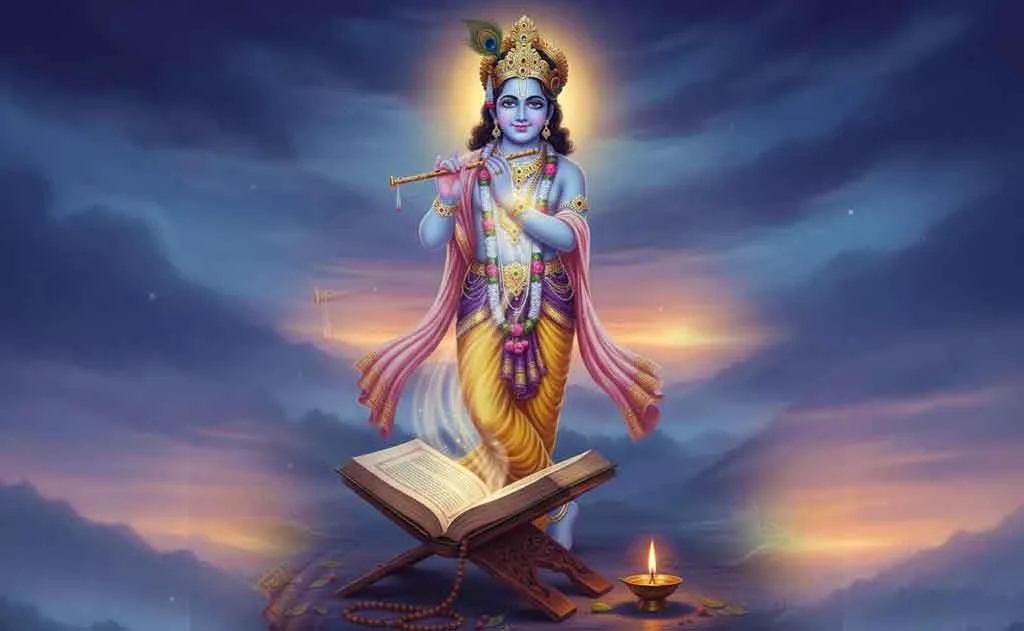
Margashirsha Masa 2026 is one of the most spiritually significant months in the Hindu calendar. Also known as Margasira Masam, Margashira or Agrahayana, this sacred month is especially associated with Lord Krishna, Lord Vishnu, Goddess Lakshmi and the divine wisdom of the Bhagavad Gita.
According to the Telugu Amanta lunar calendar followed in Andhra Pradesh and Telangana, Margashirsha Masa begins on Wednesday, December 9, 2026. The month brings several important Hindu observances, including Margashirsha Lakshmi Vrat, Subrahmanya Sashti, Gita Jayanti, Mokshada Ekadashi, Vaikuntha Ekadashi and Dattatreya Jayanti.
For Hindu devotees, this month is an opportunity to strengthen their spiritual connection through daily prayers, Bhagavad Gita recitation, Vishnu worship, charity, fasting and acts of kindness.
For Hindu families living in the United States, United Kingdom, Canada, Australia and other countries, Margashirsha Masa is also a beautiful opportunity to preserve Hindu traditions and introduce younger generations to the spiritual wisdom of Sanatana Dharma.
Let us explore the complete Margashirsha Masa 2026 calendar, its significance, festivals, puja procedures, fasting traditions and devotional practices.
1. When Does Margashirsha Masa Begin in 2026?
In the Telugu Amanta calendar, Margashirsha Masa begins on December 9, 2026, following the conclusion of Kartika Masa.
The month is traditionally called Margasira Masam in Telugu and Margashirsha Masa in Sanskrit and many other Indian languages.
The name Agrahayana is another traditional name for this month.
Margashirsha Masa 2026 – Important Details
| Particulars | Details |
|---|---|
| Month name | Margashirsha Masa |
| Telugu name | Margasira Masam |
| Sanskrit name | Margashirsha / Agrahayana |
| Telugu calendar | Amanta |
| Start date | December 9, 2026 |
| Start day | Wednesday |
| Following month | Pushya Masa |
| Main deities | Lord Krishna, Lord Vishnu and Goddess Lakshmi |
| Important observances | Lakshmi Vrat, Gita Jayanti, Ekadashi, Dattatreya Jayanti |
| Associated scripture | Bhagavad Gita |
Important calendar note: The start date differs between Hindu calendar traditions. In the North Indian Purnimanta calendar, Margashirsha begins after Kartika Purnima, on November 25, 2026. In the Telugu and Andhra Pradesh–Telangana Amanta calendar, it begins after Kartika Amavasya, on December 9, 2026.
Therefore, devotees should follow their regional Panchang when observing festivals and vratas. For start times city by city, see our guide to Margashirsha Month 2026 in both calendars.
2. Why Is Margashirsha Masa So Special in Hinduism?
Margashirsha Masa holds a unique place in Hindu spirituality because Lord Krishna himself declares the greatness of this month in the Bhagavad Gita.
In Chapter 10, Verse 35, Lord Krishna tells Arjuna:
मासानां मार्गशीर्षोऽहम्
Māsānāṁ Mārgaśīrṣo'ham.
Meaning: Among the months, I am Margashirsha.
This verse appears in the Vibhuti Yoga, where Lord Krishna explains His divine manifestations and extraordinary glories throughout creation.
The statement reveals the spiritual importance of Margashirsha Masa.
Krishna does not merely describe the beauty of a particular month. He identifies Himself with its greatness, inviting devotees to recognize the divine presence in the natural world and the cycles of time.
For devotees, Margashirsha is therefore an ideal month to:
- Read and understand the Bhagavad Gita.
- Chant the names of Lord Krishna and Lord Vishnu.
- Worship Goddess Lakshmi.
- Perform daily prayers and meditation.
- Practice charity and compassion.
- Develop discipline, gratitude and devotion.
- Spend time studying Hindu scriptures.
The spiritual message of Margashirsha
The deeper message of this month is that devotion should become part of everyday life.
Lighting a lamp, chanting a simple mantra, helping someone in need or reading a few verses of the Bhagavad Gita can become meaningful spiritual practices when performed with sincerity.
3. Margashirsha Masa 2026 Festival Calendar
Margashirsha Masa 2026 brings several important Hindu festivals and devotional observances.
The following dates are based primarily on the Telugu Amanta calendar for Andhra Pradesh and Telangana.
| Date | Festival / Observance |
|---|---|
| December 9, Wednesday | Margashirsha Masa begins |
| December 10, Thursday | Margashirsha Lakshmivaram |
| December 14, Monday | Vivah Panchami |
| December 15, Tuesday | Subrahmanya Sashti |
| December 16, Wednesday | Dhanurmasam begins |
| December 17, Thursday | Margashirsha Lakshmivaram |
| December 20, Sunday | Mokshada Ekadashi and Gita Jayanti; Vaikuntha Ekadashi observance |
| December 23, Wednesday | Dattatreya Jayanti |
| December 24, Thursday | Margashirsha Pournami |
| December 24, Thursday | Margashirsha Lakshmivaram |
| December 31, Thursday | Margashirsha Lakshmivaram |
| January 7, 2027, Thursday | Margashirsha Lakshmivaram (fifth and last Thursday of the month) |
Festival observances and tithi-based dates can vary by regional Panchang, sunrise calculations and local traditions. Always verify the exact puja and fasting timings with your local calendar.
4. Margashirsha Masa and Lord Krishna: The Divine Connection
Among all the spiritual associations of Margashirsha Masa, its connection with Lord Krishna is particularly important.
The Bhagavad Gita, one of Hinduism's most revered spiritual scriptures, contains the divine conversation between Lord Krishna and Arjuna on the battlefield of Kurukshetra.
When Arjuna becomes overwhelmed by confusion, grief and fear about fighting his own relatives, Krishna teaches him about:
- Dharma (righteous duty).
- Karma Yoga (the path of selfless action).
- Bhakti Yoga (the path of devotion).
- Jnana Yoga (the path of spiritual knowledge).
- The eternal nature of the soul.
- The importance of surrendering to the Divine.
Margashirsha Masa is an especially meaningful time to revisit these teachings.
A beautiful practice for devotees
During this month, families can read one chapter of the Bhagavad Gita every day.
Those who cannot read Sanskrit can listen to a Telugu, Hindi, Tamil or English explanation.
Parents can also introduce children to simple Bhagavad Gita teachings, helping them understand values such as honesty, courage, discipline, compassion and responsibility.
The Bhagavad Gita is not only a religious text. Its teachings offer guidance for handling life's difficulties with clarity and inner strength.
5. Margashirsha Thursday Lakshmi Vrat – Worshipping Goddess Lakshmi
Thursdays during Margashirsha Masa are especially important in several regional traditions, particularly in Andhra Pradesh, Telangana and Maharashtra.
Devotees worship Goddess Lakshmi, the divine embodiment of prosperity, auspiciousness and abundance.
In Telugu households, these observances are commonly called Margasira Lakshmivaram.
Women and families traditionally perform Lakshmi Puja on Thursdays, seeking the blessings of the Goddess for family well-being, peace and prosperity.
How to perform Margashirsha Thursday Lakshmi Puja
Step 1: Clean the home
Clean the puja room and entrance. Traditional households may decorate the entrance with beautiful rangoli or muggu designs.
Step 2: Prepare the puja area
Place an image or idol of Goddess Lakshmi on a clean platform. Decorate it with flowers and turmeric and kumkum.
Step 3: Light a sacred lamp
Light an oil or ghee lamp before the Goddess.
Step 4: Offer flowers
Offer lotus flowers or other available fresh flowers with devotion.
Step 5: Chant Lakshmi Mantras
Recite the following mantra:
ॐ श्रीं महालक्ष्म्यै नमः॥
Om Shreem Mahalakshmyai Namah.
Meaning: Salutations to Goddess Mahalakshmi, the divine source of auspiciousness and prosperity.
Step 6: Offer Naivedyam
Offer fruits, milk, sweets or traditional homemade preparations according to family customs.
Step 7: Read Lakshmi Vrat Katha
Families who follow the traditional Margashirsha Lakshmi Vrat may read the associated vrat katha.
Step 8: Perform Aarti
Conclude the puja with a devotional aarti and prayer for the well-being of the family and all living beings.
Important Thursdays in Margashirsha Masa 2026
- December 10, 2026
- December 17, 2026
- December 24, 2026
- December 31, 2026
- January 7, 2027
The exact observance and associated vrat katha may differ between families and regional traditions.
6. Gita Jayanti 2026 – Celebrating the Birth of Bhagavad Gita
Gita Jayanti is one of the most important spiritual observances during Margashirsha Shukla Ekadashi.
In 2026, Gita Jayanti falls on Sunday, December 20, according to the Hyderabad and Telugu calendar listings.
Gita Jayanti commemorates the occasion when Lord Krishna delivered the eternal teachings of the Bhagavad Gita to Arjuna on the battlefield of Kurukshetra.
The Bhagavad Gita contains 18 chapters and 700 verses that explain the nature of the soul, the importance of dharma, devotion, selfless action and liberation.
How to celebrate Gita Jayanti
- Wake up early and take a holy bath.
- Place the Bhagavad Gita in your puja room.
- Offer flowers and light a lamp.
- Read at least one chapter of the Bhagavad Gita.
- Chant selected verses from the Gita.
- Visit a Krishna or Vishnu temple if possible.
- Share the teachings of the Gita with children and family members.
- Offer food or assistance to people in need.
Famous Bhagavad Gita verse to remember
कर्मण्येवाधिकारस्ते मा फलेषु कदाचन।
Karmanye vadhikaraste ma phaleshu kadachana.
Meaning: You have the right to perform your prescribed duty, but you are not entitled to the fruits of your actions.
This teaching reminds devotees to perform their responsibilities sincerely without becoming excessively attached to the results.
Gita Jayanti is an excellent opportunity for every Hindu family to reconnect with this timeless wisdom.
7. Mokshada Ekadashi 2026 – The Sacred Ekadashi of Liberation
Mokshada Ekadashi is observed on Margashirsha Shukla Ekadashi.
In 2026, it falls on December 20, according to the Hyderabad calendar.
The word Mokshada means the giver of liberation.
This Ekadashi is associated with Lord Vishnu and the spiritual aspiration of freedom from the cycle of birth and death.
Devotees observe fasting, worship Lord Vishnu and spend the day in prayer and devotional activities.
Mokshada Ekadashi fasting practices
Common practices include:
- Worshipping Lord Vishnu or Lord Krishna.
- Chanting Vishnu Sahasranama.
- Reciting the Bhagavad Gita.
- Listening to Vishnu-related devotional stories.
- Avoiding grains during the traditional Ekadashi fast.
- Practicing charity and helping the needy.
- Staying engaged in prayer and spiritual reflection.
Fasting rules differ according to health, age, family traditions and regional customs. Those unable to fast may observe the day through simple vegetarian food and prayer.
Why is Mokshada Ekadashi important?
Mokshada Ekadashi reminds devotees that material possessions alone cannot provide lasting happiness.
True peace comes through spiritual understanding, devotion, righteous living and surrender to the Divine.
8. Vaikuntha Ekadashi 2026 – The Sacred Day of Lord Vishnu
Vaikuntha Ekadashi, also called Mukkoti Ekadashi in several South Indian traditions, is one of the most important Vaishnava observances.
In 2026, the observance falls on December 20 in the Telugu calendar listings.
The festival is especially associated with Lord Vishnu and the belief in the opening of Vaikuntha Dwaram, the symbolic gateway to the divine abode of Vishnu.
Many Vishnu temples organize special prayers and arrangements for devotees to pass through the Vaikuntha entrance.
Importance of Vaikuntha Dwaram
Vaikuntha represents the eternal abode of Lord Vishnu, associated with divine peace, liberation and freedom from worldly suffering.
Passing through the Vaikuntha Dwaram is a deeply meaningful devotional tradition for many devotees.
Famous temples associated with Vaikuntha Ekadashi
- Sri Venkateswara Temple, Tirumala, Andhra Pradesh.
- Sri Ranganathaswamy Temple, Srirangam, Tamil Nadu.
- Sri Parthasarathy Temple, Chennai, Tamil Nadu.
- Sri Venkateswara Temple, Dwaraka Tirumala, Andhra Pradesh.
Devotees planning temple visits should check official temple announcements for darshan arrangements, tickets and timings.
9. Vivah Panchami 2026 – The Divine Wedding of Lord Rama and Goddess Sita
Vivah Panchami is celebrated on Margashirsha Shukla Panchami.
In 2026, it falls on Monday, December 14.
This sacred festival commemorates the divine marriage of Lord Rama and Goddess Sita.
According to the Ramayana, Lord Rama married Goddess Sita at the kingdom of Mithila after lifting and breaking Lord Shiva's divine bow during the swayamvara.
The marriage represents an ideal relationship built upon dharma, mutual respect, loyalty, sacrifice and devotion.
Spiritual significance of Vivah Panchami
For Hindu families, the divine marriage of Rama and Sita symbolizes the importance of righteousness and family values.
Devotees visit Rama temples, perform special pujas and participate in religious celebrations.
Married couples may offer prayers for harmony and understanding in their family life.
10. Subrahmanya Sashti 2026 – Worship of Lord Murugan
Subrahmanya Sashti, also known as Skanda Sashti in relevant regional traditions, is dedicated to Lord Subrahmanya, also worshipped as Murugan, Kartikeya and Skanda.
In the Telugu calendar, Subrahmanya Sashti falls on Tuesday, December 15, 2026.
Lord Subrahmanya is the son of Lord Shiva and Goddess Parvati and the brother of Lord Ganesha.
He is revered as the divine commander of the celestial forces and is associated with courage, wisdom and the victory of righteousness over evil.
How devotees worship Lord Subrahmanya
- Offer flowers and fruits.
- Light a lamp before the deity.
- Chant Subrahmanya mantras.
- Read stories of Lord Murugan.
- Visit Subrahmanya temples.
- Practice self-discipline and devotion.
A commonly recited mantra is:
ॐ शरवणभवाय नमः॥
Om Saravanabhavaya Namah.
Meaning: Salutations to Lord Subrahmanya, the divine son of Lord Shiva and Goddess Parvati.
11. Dhanurmasam Begins During Margashirsha Masa
Dhanurmasam begins on December 16, 2026, according to the Telugu calendar.
It is a particularly sacred period for Vaishnava devotees.
During Dhanurmasam, devotees worship Lord Vishnu during the early morning hours and recite the sacred Tiruppavai composed by Andal.
The 30 verses of Tiruppavai are deeply associated with devotion to Lord Krishna and the spiritual traditions of Tamil Vaishnavism.
In many South Indian temples, special early morning worship and devotional activities take place during this period.
Why is Dhanurmasam important?
Dhanurmasam encourages devotees to wake early, dedicate time to prayer and cultivate discipline.
It also provides an opportunity for families to introduce children to the devotional literature of Andal and the traditions of Sri Vaishnavism.
12. Dattatreya Jayanti 2026 – Celebrating the Divine Guru
Dattatreya Jayanti commemorates the birth of Lord Dattatreya, who is revered as the combined divine manifestation of the Hindu Trimurti:
- Lord Brahma, the creator.
- Lord Vishnu, the preserver.
- Lord Shiva, the transformer.
Lord Dattatreya is traditionally associated with the sage Atri and his wife Anasuya.
In the Telugu calendar, Dattatreya Jayanti is observed on December 23, 2026, associated with Margashirsha Purnima.
Lord Dattatreya is worshipped as the divine Guru who guides devotees toward spiritual knowledge and liberation.
How to celebrate Dattatreya Jayanti
- Wake up early and perform daily prayers.
- Worship Lord Dattatreya with flowers and a lamp.
- Chant Dattatreya mantras.
- Read the Guru Charitra according to family tradition.
- Visit a Dattatreya temple.
- Offer food or donations to those in need.
- Seek the blessings of one's spiritual teacher.
A popular mantra is:
ॐ श्री गुरुदेव दत्त॥
Om Shri Gurudeva Datta.
Meaning: Salutations to Lord Dattatreya, the divine Guru.
13. Margashirsha Purnima 2026 – The Sacred Full Moon
Margashirsha Purnima is the full moon day associated with the sacred month.
In the Telugu calendar, Margashirsha Pournami falls on December 24, 2026.
The day is considered auspicious for prayers, charity, meditation and worship.
Important practices on Margashirsha Purnima
- Take a holy bath according to one's family tradition.
- Worship Lord Vishnu.
- Perform Satyanarayana Puja where traditionally observed.
- Offer food and clothes to people in need.
- Recite Vishnu Sahasranama.
- Spend time in prayer and meditation.
The full moon is also an opportunity to reflect on gratitude, family relationships and spiritual growth.
14. Daily Puja Rituals During Margashirsha Masa
Devotees who wish to observe Margashirsha Masa can follow a simple daily spiritual routine.
There is no need to perform elaborate rituals every day. Sincere devotion and consistency are more important.
Morning routine
1. Wake up early
Wake before sunrise if possible and begin the day with prayer.
2. Clean the puja area
Keep the prayer room clean and light a lamp.
3. Offer prayers to Lord Vishnu and Krishna
Chant the names of the Divine with devotion.
4. Read the Bhagavad Gita
Read a few verses or listen to a meaningful explanation.
5. Chant a devotional mantra
Repeat a mantra such as:
ॐ नमो भगवते वासुदेवाय॥
Om Namo Bhagavate Vasudevaya.
This is a widely revered mantra dedicated to Lord Vishnu.
Evening routine
- Light a lamp in the puja room.
- Offer flowers or tulasi leaves according to tradition.
- Recite Vishnu Sahasranama or Krishna Ashtottara.
- Sing devotional songs.
- Spend a few minutes in meditation.
- Pray for the well-being of all living beings.
15. Important Mantras to Chant During Margashirsha Masa
Devotees may chant the following mantras during this sacred month.
Lord Krishna Mantra
ॐ कृष्णाय नमः॥
Om Krishnaya Namah.
Meaning: Salutations to Lord Krishna.
Lord Vishnu Mantra
ॐ नमो नारायणाय॥
Om Namo Narayanaya.
Meaning: Salutations to Lord Narayana.
Goddess Lakshmi Mantra
ॐ श्रीं महालक्ष्म्यै नमः॥
Om Shreem Mahalakshmyai Namah.
Meaning: Salutations to Goddess Mahalakshmi.
Vishnu Gayatri Mantra
ॐ नारायणाय विद्महे। वासुदेवाय धीमहि। तन्नो विष्णुः प्रचोदयात्॥
Om Narayanaya Vidmahe, Vasudevaya Dhimahi, Tanno Vishnuh Prachodayat.
Meaning: May we meditate upon Lord Narayana and Lord Vasudeva. May Lord Vishnu guide and illuminate our intellect.
Dattatreya Mantra
ॐ श्री गुरुदेव दत्त॥
Om Shri Gurudeva Datta.
Meaning: Salutations to Lord Dattatreya, the divine Guru.
Devotees can chant these mantras 11, 21 or 108 times according to their ability and family tradition.
16. What Should We Eat During Margashirsha Masa?
Food practices during Margashirsha Masa vary according to family customs and regional traditions.
Many devotees prefer sattvic vegetarian food during this month.
Common traditional foods include:
- Fresh fruits.
- Milk and curd.
- Rice and dal.
- Homemade vegetarian meals.
- Seasonal vegetables.
- Nuts and dry fruits.
- Traditional homemade sweets.
- Foods prepared for Naivedyam.
Those observing Ekadashi fasting may follow their family's prescribed fasting rules.
The purpose of traditional food discipline is to cultivate moderation, purity and mindfulness.
It is important to remember that fasting should not compromise health. Devotees with medical or nutritional needs should follow appropriate dietary guidance.
17. Charity and Good Deeds During Margashirsha Masa
Charity is an important aspect of Hindu spiritual life.
Margashirsha Masa provides an opportunity to practice generosity and compassion.
Traditional acts of charity may include:
- Donating food to poor families.
- Supporting students who need educational assistance.
- Providing clothes to people in need.
- Helping elderly people.
- Supporting temples and community kitchens.
- Feeding animals according to local traditions.
- Offering assistance to people experiencing hardship.
The Bhagavad Gita teaches that charity performed without selfish expectations is a noble form of action.
The greatest offering is not necessarily expensive. Even a small act of kindness, performed with sincerity, can bring meaning to one's spiritual journey.
18. How NRI Hindu Families Can Celebrate Margashirsha Masa
For millions of Hindus living outside India, maintaining religious and cultural traditions is an important part of family life.
Margashirsha Masa provides an opportunity for parents to introduce children to Hindu festivals and the teachings of the Bhagavad Gita.
Whether living in the United States, Canada, United Kingdom, Australia, Singapore, Dubai or another country, devotees can observe the month in simple and meaningful ways.
Simple Margashirsha practices for NRI families
1. Establish a small home puja space
Keep pictures or idols of Lord Krishna, Lord Vishnu and Goddess Lakshmi in a clean prayer area.
2. Read the Bhagavad Gita together
Choose one verse every day and discuss its meaning with children.
3. Celebrate Thursday Lakshmi Puja
Perform a simple family puja with flowers, a lamp and devotional songs.
4. Participate in online temple services
Many Hindu temples outside India offer livestreamed prayers and special festival programmes.
5. Teach children Hindu traditions
Explain the stories of Krishna, Rama, Sita, Lakshmi and Dattatreya in simple English or your mother tongue.
6. Prepare traditional vegetarian food
Make traditional Indian dishes at home and explain their cultural significance.
7. Practice charity
Support local food banks, community kitchens, temples or families in need.
A special message for Hindu parents abroad
Our children may grow up thousands of miles away from their ancestral villages and temples.
However, the values of Sanatana Dharma can remain part of their lives through family prayers, stories, festivals, language and spiritual education.
A few minutes of Bhagavad Gita reading every evening can become a lifelong connection with Hindu wisdom.
19. The Deeper Spiritual Message of Margashirsha Masa
Margashirsha Masa is not simply a month of festivals and fasting.
It reminds us to bring devotion into our everyday actions.
Lord Krishna's message in the Bhagavad Gita encourages humanity to perform duties with sincerity, cultivate wisdom and remain devoted to the Divine.
The worship of Goddess Lakshmi reminds us that prosperity should be accompanied by gratitude and generosity.
The worship of Lord Vishnu reminds us of the importance of preservation, compassion and righteousness.
The teachings associated with Lord Dattatreya remind us to seek knowledge and remain humble before the wisdom of the Guru.
During this sacred month, let us make an effort to:
- Speak truthfully.
- Help people in need.
- Respect parents and elders.
- Practice kindness toward all living beings.
- Read sacred scriptures.
- Develop patience and self-discipline.
- Remember God with a sincere heart.
The true beauty of Margashirsha Masa lies in transforming ordinary days into opportunities for spiritual growth.
Frequently Asked Questions About Margashirsha Masa 2026
When does Margashirsha Masa begin in 2026?
According to the Telugu Amanta calendar followed in Andhra Pradesh and Telangana, Margashirsha Masa begins on Wednesday, December 9, 2026.
What is another name for Margashirsha Masa?
Margashirsha Masa is also known as Margasira Masam, Margashira and Agrahayana.
Which God is worshipped during Margashirsha Masa?
Lord Krishna and Lord Vishnu have a particularly strong association with this month. Goddess Lakshmi is also worshipped, especially on Thursdays in several regional traditions.
Why is Margashirsha Masa special according to the Bhagavad Gita?
In Bhagavad Gita Chapter 10, Verse 35, Lord Krishna declares, "Among the months, I am Margashirsha." This verse highlights the spiritual greatness of the month.
Which festivals are celebrated during Margashirsha Masa 2026?
Important observances include Margashirsha Lakshmi Vrat, Vivah Panchami, Subrahmanya Sashti, Gita Jayanti, Mokshada Ekadashi, Vaikuntha Ekadashi, Dattatreya Jayanti and Margashirsha Purnima.
When is Gita Jayanti in 2026?
Gita Jayanti falls on Sunday, December 20, 2026, coinciding with Mokshada Ekadashi according to the regional calendar.
When is Mokshada Ekadashi in 2026?
Mokshada Ekadashi is observed on December 20, 2026. Devotees worship Lord Vishnu, observe fasting according to their ability and recite the Bhagavad Gita.
Can we observe Margashirsha Masa while living abroad?
Yes. Hindu devotees can observe the month from anywhere in the world through daily prayers, mantra chanting, Bhagavad Gita reading, vegetarian food and charity. Follow the local calendar and temple tradition for festival timings.
What should we chant during Margashirsha Masa?
Devotees may chant Om Namo Bhagavate Vasudevaya, Om Namo Narayanaya, Om Krishnaya Namah and Vishnu Sahasranama according to their personal practice.
Is fasting compulsory during Margashirsha Masa?
No. Fasting is a devotional practice, not a compulsory requirement for everyone. Devotees can observe the month through prayer, meditation, scripture reading and charity.
What is the significance of Margashirsha Thursday?
Thursdays during Margashirsha Masa are associated with Goddess Lakshmi worship in several regional traditions. Devotees perform Lakshmi Puja and pray for peace, prosperity and family well-being.
What is the difference between Margashirsha and Kartika Masa?
Kartika Masa comes before Margashirsha Masa in the Telugu Amanta calendar. Kartika is especially associated with Lord Shiva, Lord Vishnu, Tulasi worship and the lighting of lamps. Margashirsha has a particularly strong association with Lord Krishna, the Bhagavad Gita and Vishnu worship.
Conclusion: Welcome the Sacred Month of Margashirsha with Devotion
Margashirsha Masa 2026 offers every Hindu devotee an opportunity to reconnect with the timeless teachings of Sanatana Dharma.
Beginning on December 9 according to the Telugu Amanta calendar, this sacred month brings important celebrations, including Gita Jayanti, Mokshada Ekadashi, Vaikuntha Ekadashi, Dattatreya Jayanti and Margashirsha Purnima.
Lord Krishna's divine declaration in the Bhagavad Gita, "Among the months, I am Margashirsha," reminds us of the extraordinary spiritual importance of this month.
Let us welcome Margashirsha Masa with devotion, discipline, kindness and gratitude.
May Lord Krishna bless every family with wisdom, Goddess Lakshmi bless every home with auspiciousness, and Lord Vishnu guide humanity toward peace and righteousness.
Hare Krishna! Om Namo Narayanaya!
May this sacred Margashirsha Masa bring spiritual happiness, prosperity and divine blessings to devotees across India and the world.
Editorial note: Festival dates in this article follow the Telugu Amanta calendar as the primary reference. Tithi timings and observance dates can vary by location and Panchang. Please verify local timings before performing rituals.
Read more on HinduTone
- Margashirsha Month 2026: start dates in both calendars and city times
- Margashirsha Guruvar Vrat 2026: Mahalakshmi Thursday dates and puja vidhi
- Gita Jayanti 2026 and Mokshada Ekadashi
- Vaikuntha Ekadashi 2026: date, Mukkoti Ekadashi and Uttara Dwara Darshan
- Vivah Panchami 2026: Ram Sita Vivah
- Subrahmanya Shashti 2026
- Datta Jayanti 2026 (Dattatreya Jayanti)
- Dhanurmasam 2026-27: dates and Tiruppavai schedule
- Margashirsha Amavasya 2026
- Why Lord Krishna says Margashirsha is His month
Share this with family and friends
Send it on WhatsApp, post it, or copy the link.
More from Festivals
- Guru Purnima 2027 in the USA: Date and Times by Time Zone
- Thaipusam 2027 in Australia: Dates for Sydney and Melbourne
- Thaipusam 2027 in Malaysia: Dates for Batu Caves and Penang
- Thaipusam 2027 in Singapore: Date, Poosam Times and the Temple Procession
- Hindu Festivals in New Zealand 2027: A Month-by-Month Calendar
You might also like
Margashirsha Masa Daily Puja Routine: Morning Rituals, Mantras and Spiritual Practices
Margashirsha Masa Vishnu Puja: Powerful Mantras, Vishnu Sahasranama, Benefits and Daily Worship Guide
Margashirsha Masa Charity: What to Donate, Annadanam, Spiritual Significance and Hindu Traditions