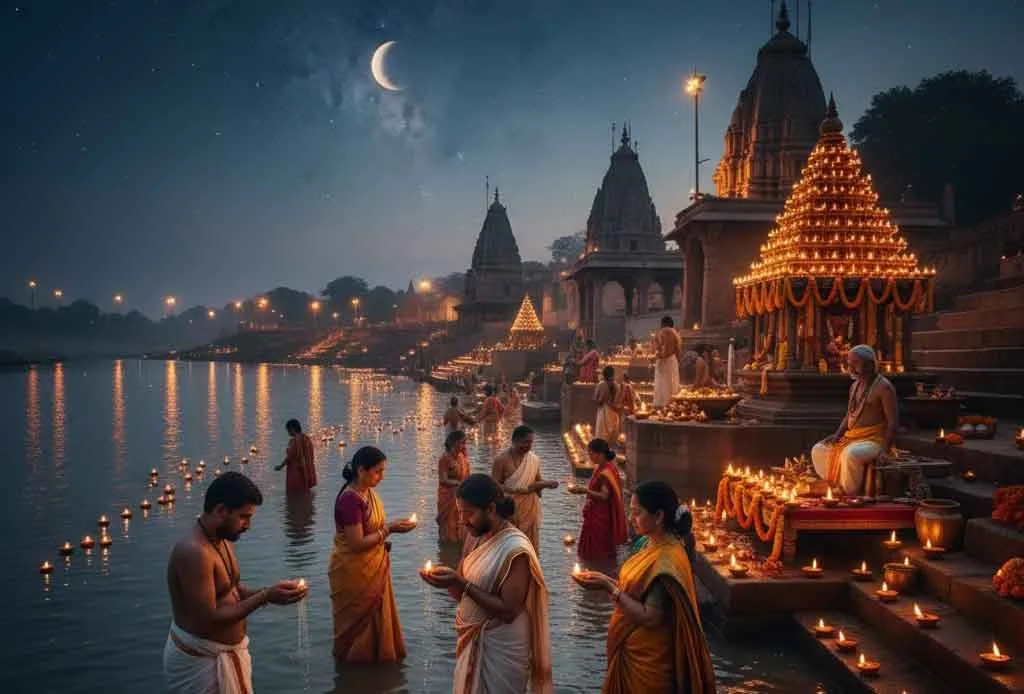
Karthika Masam First Day: Complete Guide to Sacred Rituals and Traditions
Karthika Masam First Day: Complete Guide to Sacred Rituals and Traditions Introduction to Karthika Masam Karthika Masam, also known as Kartik Maas, is one of…
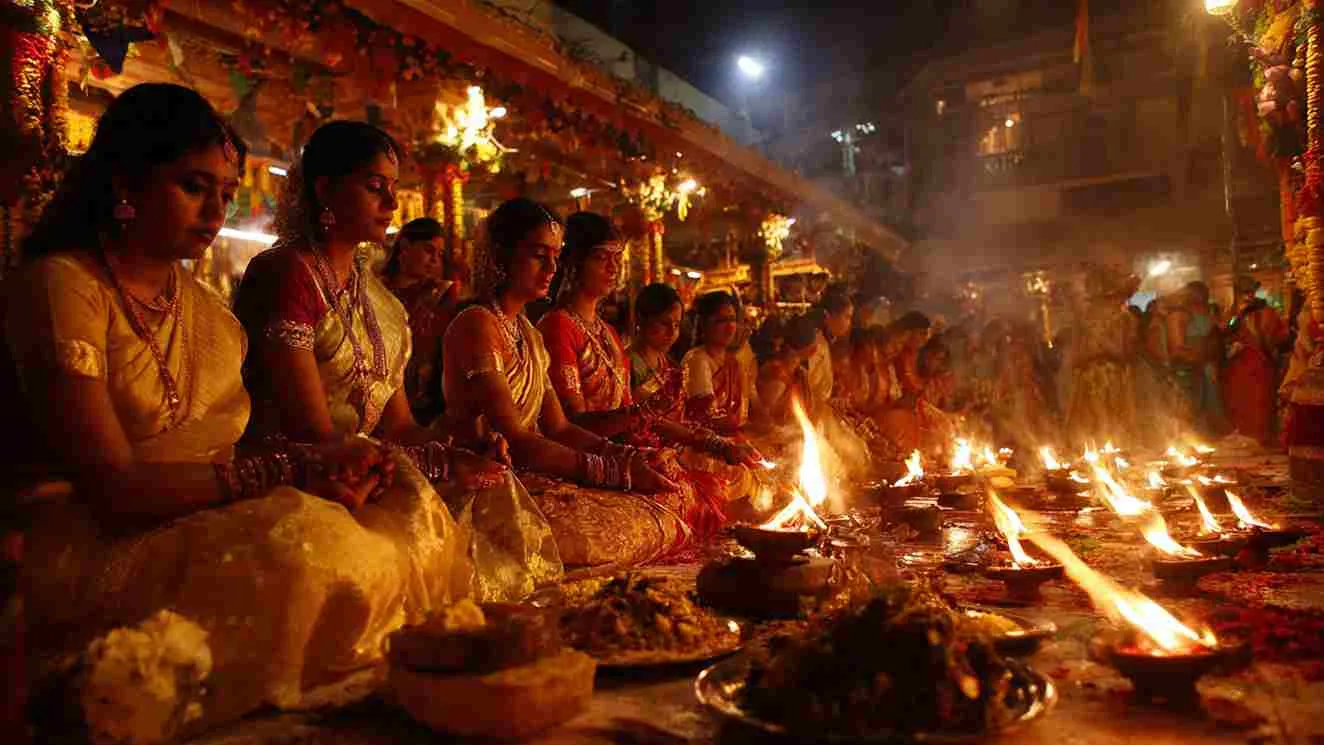
Karthika Masam First Day: Complete Guide to Sacred Rituals and Traditions Introduction to Karthika Masam Karthika Masam, also known as Kartik Maas, is one of…
Karthika Masam First Day: Complete Guide to Sacred Rituals and Traditions
Introduction to Karthika Masam
Karthika Masam, also known as Kartik Maas, is one of the most auspicious months in the Hindu lunar calendar. This sacred month typically falls between October and November and holds immense spiritual significance for devotees across India. The first day of Karthika Masam marks the beginning of a period dedicated to devotion, self-discipline, and spiritual awakening.
Significance of Karthika Masam First Day
The first day of Karthika Masam is considered highly propitious for starting spiritual practices and religious observances. According to Hindu scriptures, this month is dear to Lord Vishnu and Lord Shiva, making it an ideal time for prayers, fasting, and charitable acts. Devotees believe that performing rituals during this period brings divine blessings, removes obstacles, and cleanses sins.
Essential Rituals for Karthika Masam First Day
1. Early Morning Bath (Brahma Muhurta Snanam)
Wake up during Brahma Muhurta, approximately 90 minutes before sunrise. Take a holy bath, preferably in a sacred river, temple tank, or at home using water mixed with tulsi leaves or sesame seeds. This purification ritual prepares the body and mind for spiritual practices.
2. Lighting the Sacred Lamp (Deepa Aradhana)
One of the most important rituals of Karthika Masam is lighting oil lamps. On the first day:
- Light a lamp using ghee or sesame oil before sunrise
- Place the lamp near the tulsi plant or home altar
- Use cotton wicks for the lamp
- Ensure the lamp remains lit throughout the day
- Evening lamp lighting at twilight is especially significant
3. Tulsi Worship (Tulsi Puja)
The tulsi plant holds special reverence during Karthika Masam:
- Clean the area around the tulsi plant
- Offer water, flowers, and incense
- Circumambulate the tulsi plant while chanting mantras
- Avoid plucking tulsi leaves on Sundays and Dwadashi
4. Temple Visit and Darshan
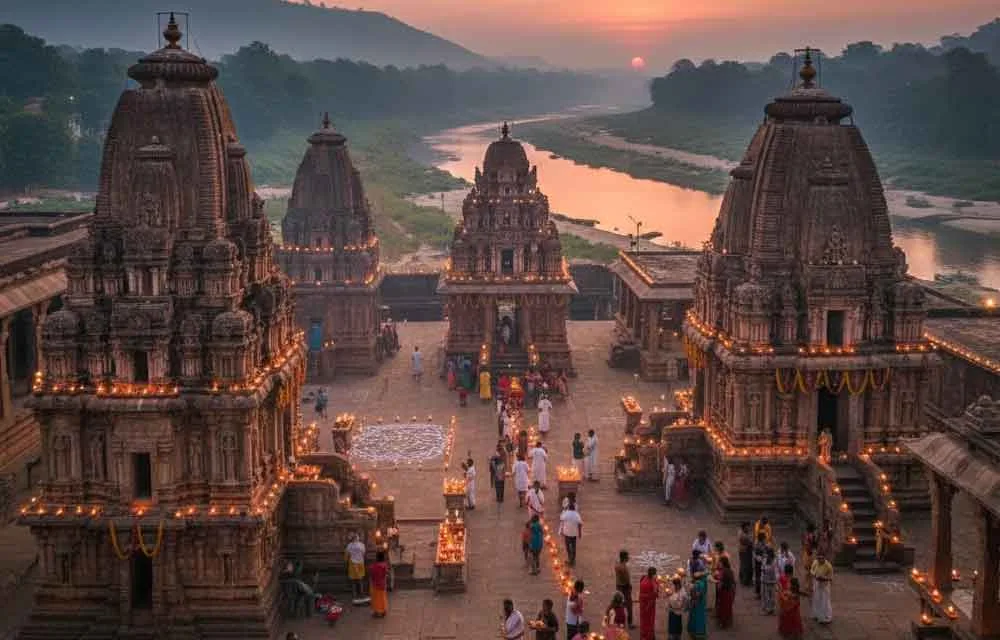
Visit Lord Vishnu or Lord Shiva temples on the first day. Offering prayers at temples during Karthika Masam is believed to multiply spiritual merit manifold.
5. Fasting Observance (Vrata)
Many devotees observe fasts during Karthika Masam:
- Complete fast (consuming only water)
- Partial fast (eating fruits and milk)
- Single meal per day (Ekabhukta)
- Avoiding non-vegetarian food, onion, and garlic throughout the month
6. Scriptural Reading
Dedicate time to reading sacred texts such as:
- Bhagavad Gita
- Vishnu Sahasranamam
- Shiva Purana
- Skanda Purana (which extensively describes Karthika Masam)
Daily Practices to Continue Throughout Karthika Masam
Morning Routine
- Wake before sunrise
- Take a holy bath
- Light lamps at home and near tulsi plant
- Perform puja and prayers
- Chant mantras or bhajans
Evening Rituals
- Light lamps at sunset (Sandhya Deepam)
- Perform aarti
- Offer food to the deity before consuming
- Avoid sleeping immediately after sunset
Special Observances on Karthika Masam First Day
Ganga Snanam
If possible, taking a dip in sacred rivers like Ganga, Yamuna, Godavari, or Krishna on the first day is highly meritorious.
Dana (Charity)
Perform charitable acts such as:
- Donating food to the needy
- Giving clothes to the poor
- Offering lamps to temples
- Feeding Brahmins and the elderly
Deepa Danam
Donating oil, lamps, and wicks to temples is a special practice that brings blessings and removes darkness from life.
Foods to Consume and Avoid
Recommended Foods
- Fruits and milk products
- Sabudana (tapioca pearls)
- Nuts and dry fruits
- Root vegetables (during partial fasts)
- Rice and lentils prepared without onion and garlic
Foods to Avoid
- Non-vegetarian items
- Onion and garlic
- Alcohol and tobacco
- Excessive spicy or fried foods
Mantras for Karthika Masam First Day
Vishnu Mantra
"Om Namo Narayanaya"
Shiva Mantra
Karthika Masam Special Prayer
"Karthika Snana Tat Punyam Yavatam Shata Koshtam Sahasram Samabhyasca Tulasi Kaana Namyate"
Regional Variations in Karthika Masam Celebrations
Different regions of India observe Karthika Masam with unique customs:
- Andhra Pradesh and Telangana: Grand celebrations with daily lamp lighting and temple visits
- Karnataka: Known as Kartika Masa with special pujas at Vishnu temples
- North India: Celebrated as Kartik Purnima month with emphasis on Ganga bathing
- Odisha: Boita Bandana festival during Kartik Purnima
Benefits of Observing Karthika Masam Rituals
According to Hindu scriptures, observing Karthika Masam brings:
- Spiritual purification and mental peace
- Removal of past sins and negative karma
- Prosperity and material abundance
- Protection from evil influences
- Fulfillment of desires and wishes
- Liberation (moksha) in spiritual journey
Tips for Successful Observance
- Consistency: Maintain daily practices throughout the month
- Devotion: Perform rituals with sincere faith and dedication
- Discipline: Follow dietary restrictions with determination
- Community: Participate in group prayers and temple activities
- Meditation: Dedicate time for quiet contemplation and meditation
Important Dates During Karthika Masam
While the entire month is sacred, certain days hold special significance:
- Karthika Ekadashi: Fasting dedicated to Lord Vishnu
- Karthika Purnima: The full moon day concluding the month
- Prabodhini Ekadashi: Marks the awakening of Lord Vishnu
- Dev Deepavali: Celebrated on Karthika Purnima
Conclusion
The first day of Karthika Masam sets the tone for a spiritually enriching month ahead. By sincerely performing these rituals and maintaining devotion throughout the month, devotees can experience profound spiritual transformation and divine grace. Whether through lighting lamps, fasting, temple visits, or charitable acts, each practice during this auspicious period brings devotees closer to the divine.
May this Karthika Masam bring peace, prosperity, and spiritual enlightenment to all devotees. Start your journey on the first day with faith, and witness the transformative power of this sacred month.
Disclaimer: This article provides general information about Hindu religious practices. Individual customs may vary based on regional traditions, family customs, and personal beliefs. Consult with family elders or priests for specific guidance on rituals.
Frequently Asked Questions
What should I do on the first day of Karthika Masam?
Wake in Brahma Muhurta, take a holy bath, light a ghee or sesame oil lamp near the tulsi plant or home altar, and worship tulsi. Many devotees also visit a Vishnu or Shiva temple and observe a fast.
When does Karthika Masam fall in the year?
Karthika Masam typically falls between October and November in the Hindu lunar calendar. The exact first day follows the local panchang.
Which mantras are chanted on Karthika Masam first day?
Devotees chant "Om Namo Narayanaya" for Lord Vishnu and "Om Namah Shivaya" for Lord Shiva. A special Karthika prayer beginning "Karthika Snana Tat Punyam" is also recited.
What foods are avoided during Karthika Masam?
Non-vegetarian items, onion and garlic, alcohol and tobacco, and excessive spicy or fried foods are avoided. Fruits, milk products, sabudana, nuts and rice or lentils cooked without onion and garlic are recommended.
Can I take a holy dip on the first day if no river is nearby?
A dip in rivers like the Ganga, Yamuna, Godavari or Krishna is highly meritorious if possible. Otherwise, bathe at home using water mixed with tulsi leaves or sesame seeds.
Which days are special during Karthika Masam?
Karthika Ekadashi is a fast dedicated to Lord Vishnu, and Prabodhini Ekadashi marks his awakening. Karthika Purnima concludes the month, and Dev Deepavali is celebrated on that day.
You might also like
Karthika Masam Monday Rituals: Complete State-wise Guide for India
Karthika Puranam: The Complete Sacred Narrative
Must-Visit Temples During Karthika Masam: A Complete Guide to Sacred Destinations