Hanuman Chalisa on Tuesday: Powerful Benefits & Correct Way to Chant
Discover why chanting Hanuman Chalisa on Tuesday is so powerful, how many times to chant, step-by-step Mangalwar Hanuman puja, and benefits for career, marriage & protection.
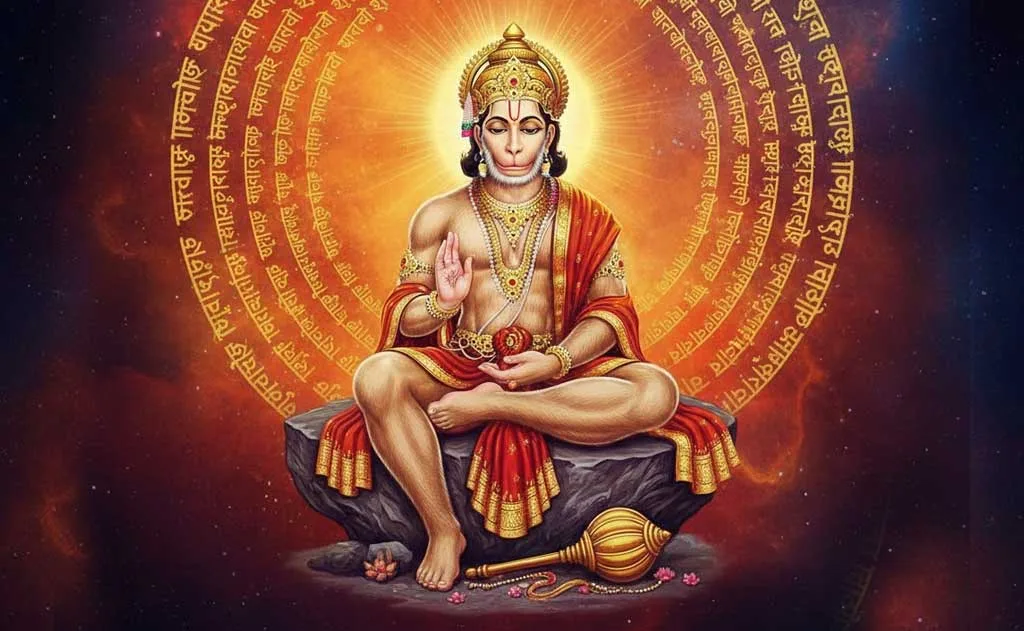
Discover why chanting Hanuman Chalisa on Tuesday is so powerful, how many times to chant, step-by-step Mangalwar Hanuman puja, and benefits for career, marriage & protection.
Among all the sacred prayers in Sanatan Dharma, few are as loved and as powerful as the Hanuman Chalisa. And when it comes to choosing the perfect day to recite it, nothing compares to Tuesday. The practice of chanting the Hanuman Chalisa on Tuesday has been followed by devotees for generations, because this is the special day of Lord Hanuman — the mighty Bajrangbali who removes fear, grants strength, and protects his devotees from every harm.
If you have ever wondered why Tuesday is considered the best day for Hanuman worship, how many times you should chant the Chalisa, and what benefits it brings to your career, marriage, and personal protection, this guide is for you. Let us explore the spiritual power of Mangalwar Hanuman puja and the correct way to chant the Hanuman Chalisa for maximum blessings.
Why Tuesday Is the Best Day for Hanuman Chalisa
In Hinduism, Tuesday — known as Mangalwar — is universally regarded as the day of Lord Hanuman. There are two beautiful reasons behind this belief.
First, according to popular tradition, Lord Hanuman is most easily pleased on Tuesdays and showers his grace generously on those who remember him on this day. Temples dedicated to Bajrangbali overflow with devotees every Tuesday, offering sindoor, jasmine oil, and laddoos while reciting his glories.
Second, in Vedic astrology (Jyotish), Tuesday is ruled by the planet Mars (Mangal), which governs courage, energy, willpower, and physical strength. Lord Hanuman is the master of this fiery power. So when you chant the Hanuman Chalisa on Tuesday, you align yourself with both the devotional energy of Bajrangbali and the planetary energy of Mars. This combination makes the prayer especially effective for removing fear, dissolving obstacles, and pacifying a troubled Mars in the horoscope.
This is why spiritual elders often say that the results of reciting the Hanuman Chalisa flow most swiftly when offered on Tuesday with a sincere heart.
How Many Times to Chant the Hanuman Chalisa on Tuesday
One of the most common questions devotees ask is how many times the Chalisa should be recited. The truth is, even a single recitation done with love and devotion is dearer to Lord Hanuman than a hundred chants done carelessly. That said, tradition offers some popular guidelines:
- 1 time: Ideal for daily practice and for beginners. A single heartfelt recitation each Tuesday is enough to invite Hanuman ji's blessings.
- 7 times (Saat Path): Reciting the Chalisa seven times on Tuesday is considered highly auspicious for fulfilling specific wishes and overcoming serious difficulties.
- 11 times: Practiced by devotees facing strong obstacles, fear, or planetary troubles, especially Mangal Dosha or Sade Sati.
- 108 times: Undertaken during special vows (sankalp) or anushthan for very important goals, often with the guidance of a priest.
Choose a number you can maintain consistently. Regularity matters far more than quantity — chanting once every Tuesday without fail brings greater rewards than a large count done only occasionally.
Step-by-Step Method to Chant Hanuman Chalisa on Tuesday
Performing the Mangalwar Hanuman puja correctly enhances the power of your prayer. Follow these simple steps for a complete and effective practice.
- Wake up early and take a bath. Cleanliness of body and mind is the first step. Wear clean clothes, preferably red or orange, the colors sacred to Hanuman ji and Mars.
- Set up a clean puja space. Place an idol or picture of Lord Hanuman, ideally alongside Lord Rama and Mata Sita, since Hanuman is the supreme devotee of Rama.
- Light a diya and incense. Use a lamp of mustard oil or sesame (til) oil. Light incense (agarbatti) to purify the atmosphere.
- Offer sindoor and flowers. Apply vermilion (sindoor) mixed with a little jasmine (chameli) oil to Hanuman ji — his most cherished offering. Offer red flowers such as hibiscus.
- Make a sankalp (vow). Take a moment to sit calmly, fold your hands, and silently state your intention or wish before Lord Hanuman.
- Begin chanting the Hanuman Chalisa. Recite clearly and with devotion, focusing on the meaning of the words. Face east or north if possible. Use a rudraksha or red mala if you are chanting multiple rounds.
- Offer prasad. Laddoos, boondi, or jaggery (gud) are favorite offerings of Bajrangbali. Place them before him during the prayer.
- Perform the aarti. Conclude with the Hanuman aarti, then bow down and seek forgiveness for any mistakes.
- Distribute prasad. Share the blessed food with family members and, if possible, with those in need.
Maintaining a peaceful, focused mind throughout the practice is the real secret to receiving Hanuman ji's grace.
Powerful Benefits of Chanting Hanuman Chalisa on Tuesday
Devotees who recite the Hanuman Chalisa on Tuesday regularly report deep and lasting blessings. Here are the most cherished benefits.
Benefits for Career and Success
- Boosts confidence, focus, and willpower needed to excel at work.
- Helps overcome obstacles, office politics, and stagnation in growth.
- Strengthens a weak Mars, which governs ambition and drive, leading to better opportunities.
- Brings courage to take bold decisions and pursue success fearlessly.
Benefits for Marriage and Relationships
- Believed to reduce the harmful effects of Mangal Dosha, often linked to delays and disputes in marriage.
- Promotes patience, harmony, and understanding between partners.
- Helps remove misunderstandings and negativity from relationships.
- Many unmarried devotees pray to Hanuman ji on Tuesdays for a suitable life partner.
Benefits for Protection
- Shields devotees from fear, anxiety, and negative thoughts.
- Believed to protect against the evil eye (nazar), black magic, and harmful energies.
- Removes the influence of evil spirits and bad dreams.
- Grants a powerful sense of inner security and divine companionship.
Beyond these, regular recitation nurtures peace of mind, discipline, and unshakable faith — the very qualities Lord Hanuman embodies.
Success Stories and Beliefs
Across India, countless devotees share heartfelt experiences of how the Hanuman Chalisa transformed their lives. A common belief is that of a young man struggling with repeated job rejections who began reciting the Chalisa every Tuesday with full faith. Within months, he found stability and confidence he had never known, crediting Bajrangbali's grace for the turnaround.
Another widely shared belief involves families troubled by fear and disturbed sleep, who found peace after starting regular Tuesday recitation, feeling as though a protective shield surrounded their home. Devotees facing delays in marriage due to Mangal Dosha often speak of finding suitable matches after sincere Tuesday worship of Lord Hanuman.
While such experiences are matters of personal faith rather than guarantees, they reflect a timeless truth cherished in Hindu tradition — that sincere devotion to Lord Hanuman never goes unanswered. The strength of the practice lies in consistency, purity of heart, and complete surrender to Bajrangbali.
Conclusion
Chanting the Hanuman Chalisa on Tuesday is one of the simplest yet most powerful spiritual practices a devotee can adopt. By combining the devotional energy of Lord Hanuman with the planetary power of Mars, Tuesday becomes the ideal day to seek courage, success, marital harmony, and protection from every fear. Whether you recite it once or perform the full Mangalwar Hanuman puja, what matters most is your faith and devotion.
Begin this sacred practice this coming Tuesday and experience the blessings of Bajrangbali in your own life.
Did you find this guide helpful? Share your own experiences of chanting the Hanuman Chalisa in the comments below — we would love to hear your story. If this article touched your heart, please share it with family and friends, and subscribe to hindutone.com for more devotional guides. 🙏 Jai Bajrangbali! Jai Hanuman!
Frequently asked questions
Why is Tuesday the best day to chant the Hanuman Chalisa?
Tuesday, or Mangalwar, is regarded as Lord Hanuman's day, and tradition says he is most easily pleased then. It is also ruled by Mars in Vedic astrology, so the chant aligns devotion with the planet's energy.
How many times should I chant the Hanuman Chalisa on Tuesday?
Common guidelines are 1 time for daily practice and beginners, 7 times for specific wishes, 11 times for strong obstacles or Mangal Dosha, and 108 times for special vows. Regularity matters more than quantity.
What is the correct way to chant the Hanuman Chalisa?
Bathe, wear clean red or orange clothes, light a mustard or sesame oil diya, and offer sindoor with jasmine oil and red flowers. Make a sankalp, chant facing east or north if possible, offer prasad, then perform the aarti.
What offerings does Hanuman ji like?
Sindoor mixed with jasmine (chameli) oil is his most cherished offering, along with red flowers such as hibiscus. Laddoos, boondi and jaggery are favorite prasad.
Can the Hanuman Chalisa help with Mangal Dosha?
It is believed to reduce the harmful effects of Mangal Dosha, which is often linked to delays and disputes in marriage. Devotees facing strong planetary troubles often chant it 11 times.
Does chanting guarantee results?
No. Experiences shared by devotees are matters of personal faith rather than guarantees. Consistency, purity of heart and surrender to Bajrangbali are what the practice rests on.
Related Reading on HinduTone
- Importance of Tuesday in Hinduism: Mangalwar Vrat, Hanuman & Mangal Worship
- Hanuman Chalisa: Complete 40 Verses with Hindi, Transliteration, Meaning & Benefits
- Sundar Kand: Complete Guide to Tulsidas's 5th Book of Ramcharitmanas
- Importance of Monday in Hinduism: Somvar Vrat & Lord Shiva Worship
- Rudrashtakam Stotram: Tulsidas's 8-Verse Shiva Hymn
- 12 Jyotirlingas of Lord Shiva: Complete Pilgrimage Guide
- Shiv Tandava Stotram: Ravana's Cosmic Dance Hymn
- Maha Mrityunjaya Mantra: Lyrics, Meaning & How to Chant
You might also like

Tuesday Hanuman Puja: Mangalvar Vrat, Hanuman Chalisa and Mantras

Hanuman Chalisa: Complete Meaning, Scientific & Spiritual Benefits, and a 30-Day Daily Practice for NRIs

Benefits of Visiting Hanuman Temple on Tuesday: Mangalwar Darshan, Offerings & Famous Temples