
Abhishekam
17 articles
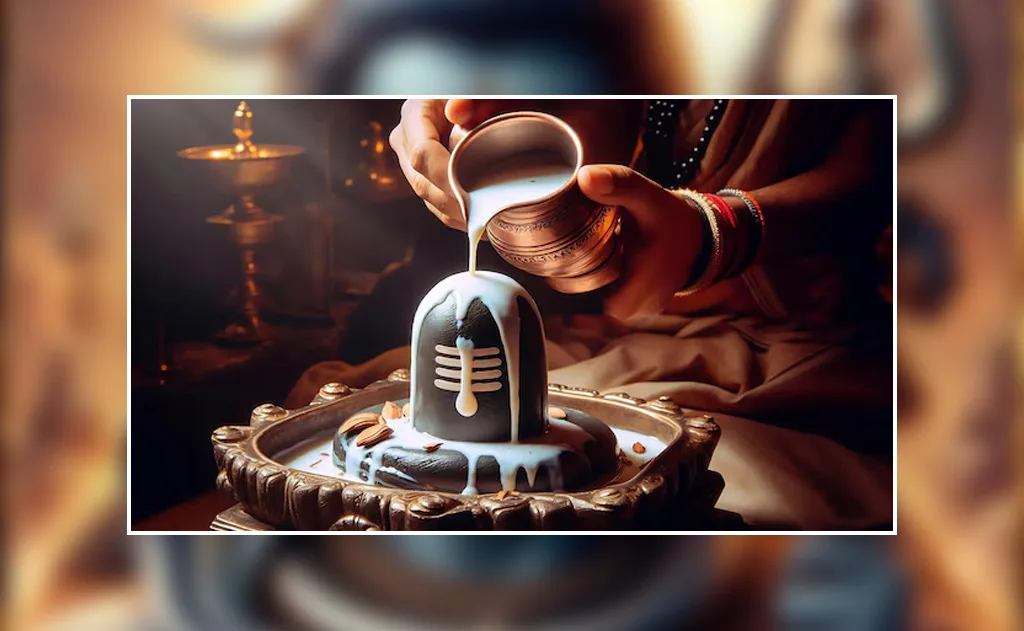
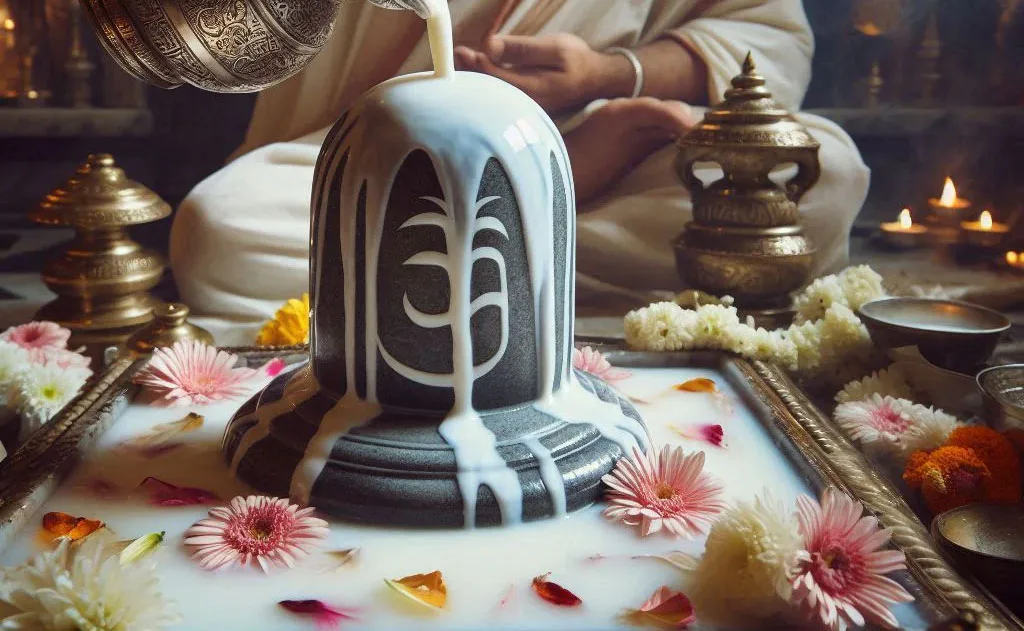
Abhishekam is the sacred bathing of a deity's image or lingam with offerings such as water, milk, curd, honey, ghee, coconut water and sandalwood paste, usually accompanied by Vedic chanting. It is among the most ancient forms of Hindu worship and is performed daily in many temples as well as in homes.
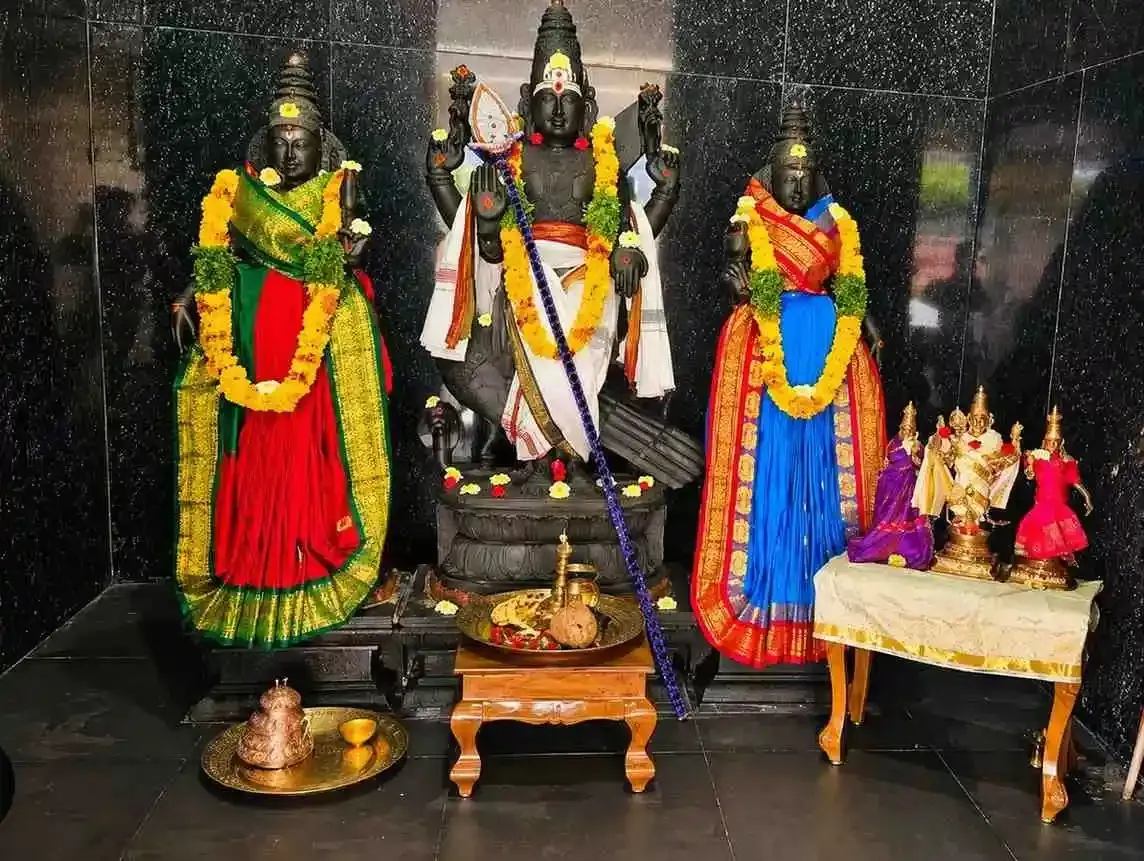
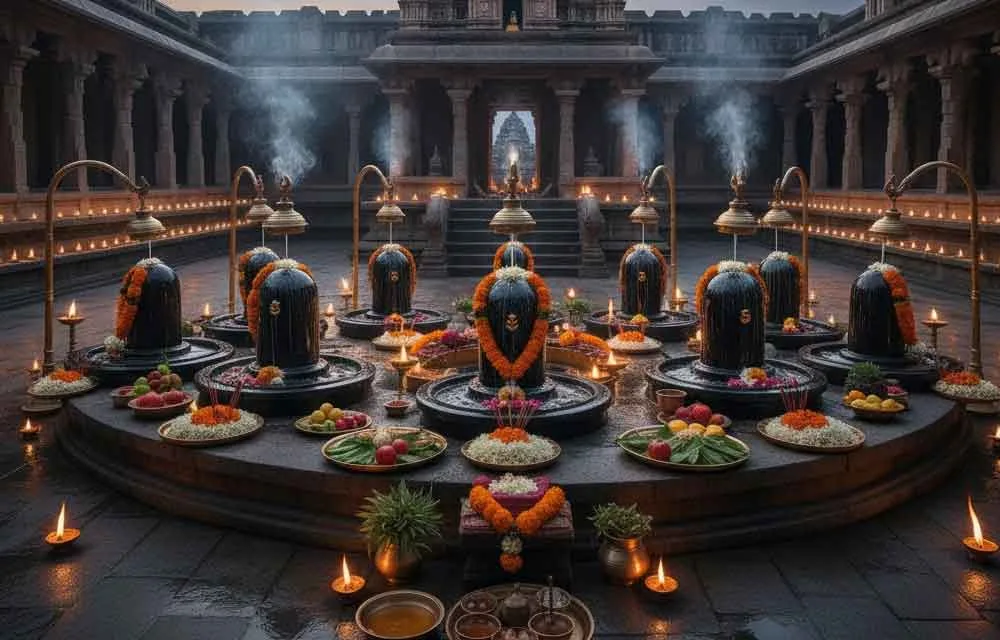
Abhishekam is most closely associated with Lord Shiva, who is traditionally said to be pleased by a steady stream of water and devotion, and Rudrabhishekam is a central part of Shiva Puja. Families often arrange special abhishekams during Maha Shivaratri and on Karthika Somavaram, though deities such as Lord Venkateswara, Lord Murugan and Goddess Lakshmi also receive their own abhishekams in temple traditions. Devotees see the ritual as an act of loving service, offering the best one has to the Divine.
Here you will find explainers on the meaning of abhishekam and its different types, guides to simple home abhishekam, the significance traditionally given to each offering, and articles on temple abhishekam sevas.
Start Here

Latest Articles
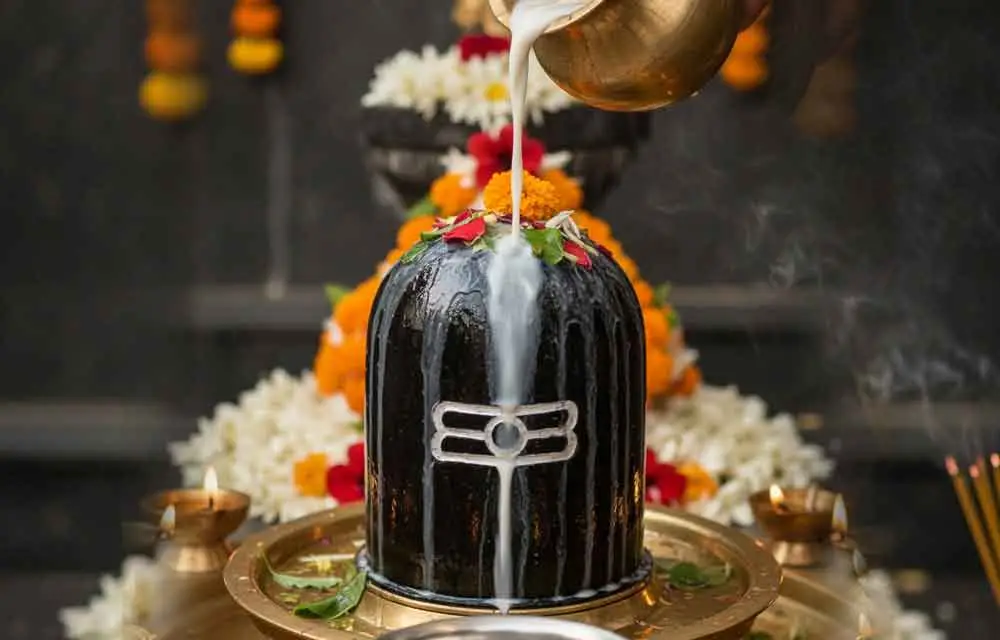
Panchamrita Abhishekam to Lord Shiva: The Inner Meaning of Milk, Curd, Ghee, Honey and Sugar
Quick answer: In panchamrita abhishekam, the Shiva linga is bathed with five "nectars": cow's milk, curd, ghee, honey…
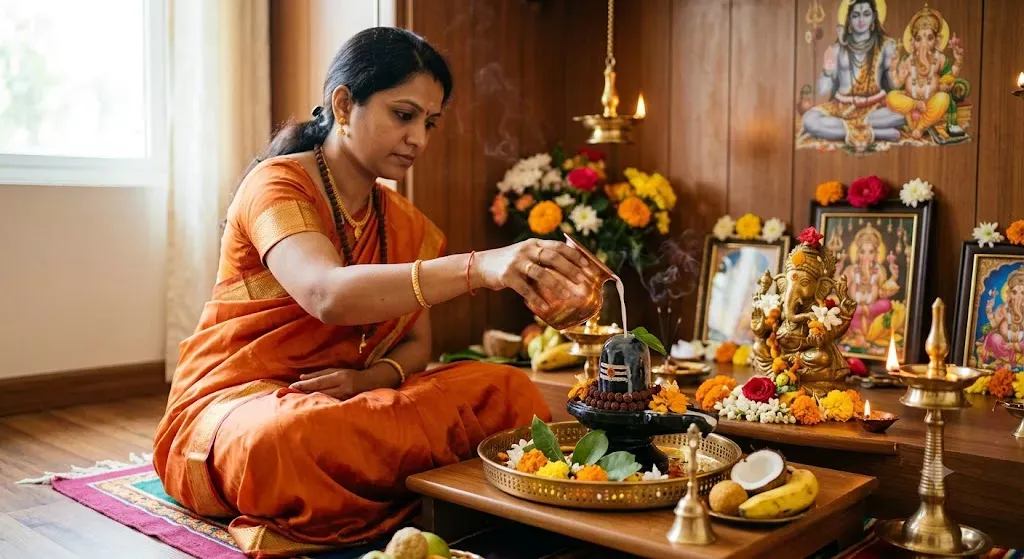
How to Do Abhishekam at Home for Shiva or Ganesha
A simple step-by-step guide to performing Abhishekam at home for Lord Shiva or Ganesha — materials, the procedure with…

Sravana Somavaram 2026: Dates, Rudrabhishekam & Mantra
Sravana Somavaram 2026 (Mondays 17, 24, 31 Aug & 7 Sep): the holiest Shiva Mondays — significance, Rudrabhishekam puja…
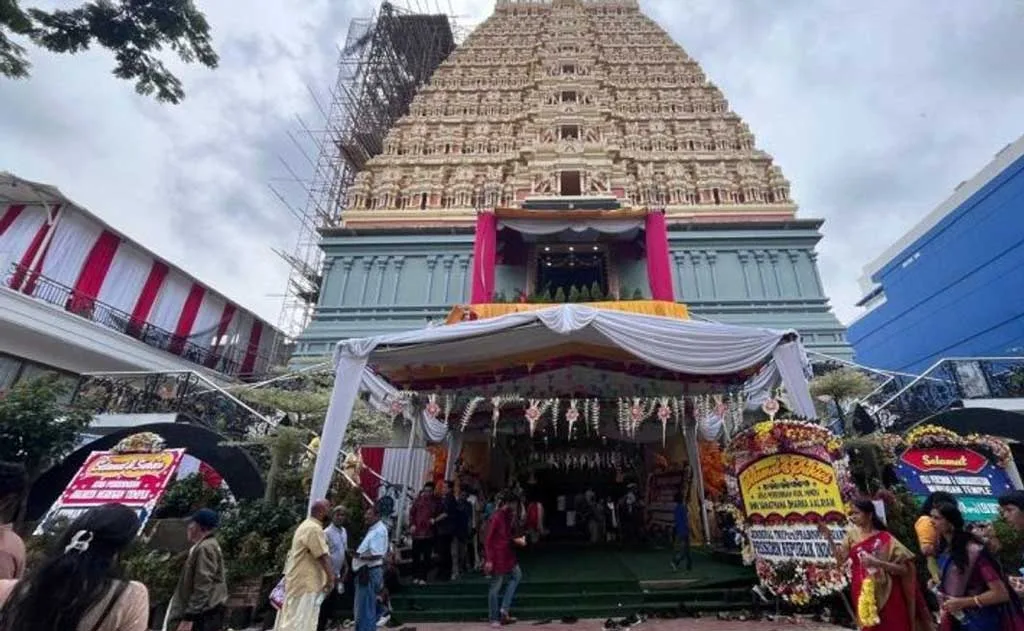
Vaikasi Visakam 2026 Australia Celebrations: Lord Murugan Festivals, Abhishekam & Paal Kudam
Vaikasi Visakam 2026 — the birth star of Lord Murugan (May 30) — celebrated across Australian temples in Melbourne…

Vaikasi Visakam 2026 USA Celebrations: Lord Murugan Festivals, Abhishekam, Paal Kudam & Community Events
Vaikasi Visakam 2026 — the birth star of Lord Murugan (May 30) — celebrated across US temples with grand abhishekams…

Kotilingeshwara Temple, Kolar – Maha Shivaratri 2026: Million Lingas Darshan, Grand Abhishekam & Karnataka’s Monumental Shiva Shrine
By HinduTone Spiritual Festivals Correspondent Published: February 10, 2026 Kotilingeshwara Temple (also known as…

Dharmasthala Sri Manjunatha Swamy Temple – Maha Shivaratri 2026: Grand Celebrations, Abhishekam & Karnataka’s Premier Shaiva Pilgrimage Site
By HinduTone Spiritual Festivals Correspondent Published: February 10, 2026 Dharmasthala Sri Manjunatha Swamy Temple…
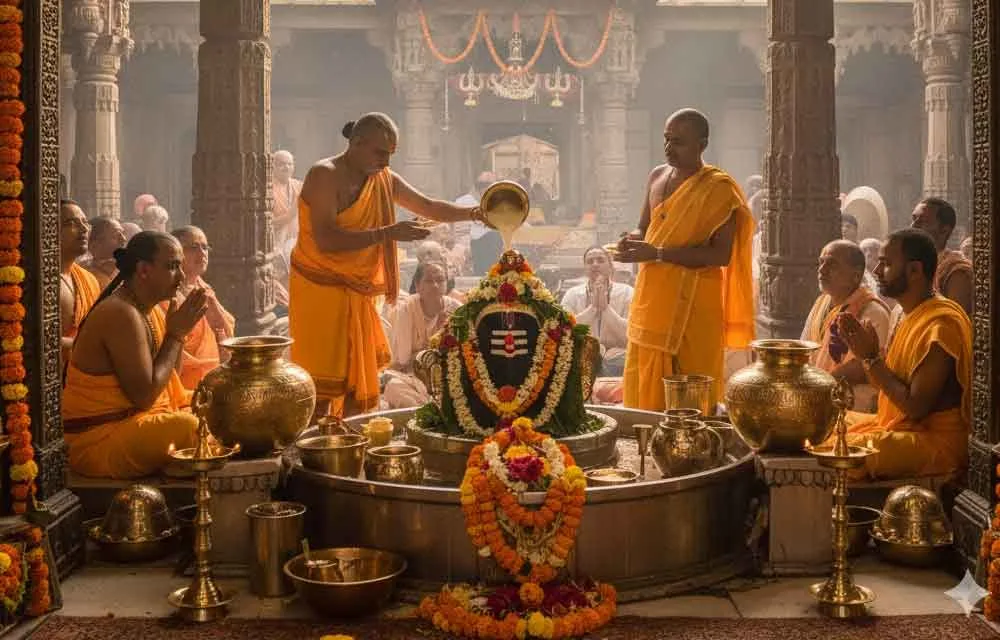
Rudrabhishek in Kashi Vishwanath Temple: The Most Powerful Offering to Shiva
Experience Divine Grace Through the Sacred Rudrabhishek at Kashi Vishwanath Temple In the heart of ancient Varanasi…
Rudrabhishekam at Home: A Simplified Step-by-Step Guide
Invoke Lord Shiva’s Blessings with This Sacred Vedic Ritual Rudrabhishekam is a deeply revered Vedic ritual dedicated…

Shri Kashi Vishwanath Temple: Nautapa Abhishek with Fruit Juices Brings Relief to Devotees
Nautapa Abhishek at Kashi Vishwanath Temple The Shri Kashi Vishwanath Temple in Varanasi, one of the most sacred…

TTD Digital Archakas Project: Robot Hands for Abhishekam at Tirupati? Ethics and Public Opinion
The Tirumala Tirupati Devasthanams (TTD) is reportedly exploring a futuristic proposal under its "Digital Archakas…

Pushya Masam and the Worship of Lord Shiva: Why Is It Auspicious toPerform Shiva Abhishekam?
Pushya Masam, regarded as one of the most sacred months in the Hindu calendar, holds immense spiritual significance…
FAQs
What is Abhishekam?
Abhishekam is the ritual bathing of a deity's image, most often a Shivalinga, with sacred substances while chanting mantras. Common offerings are water, milk, curd, honey, ghee, sugar, coconut water and sandal paste. Devotees see it as an act of loving service that also purifies the mind of the worshipper.
How do I do Shiva Abhishekam at home?
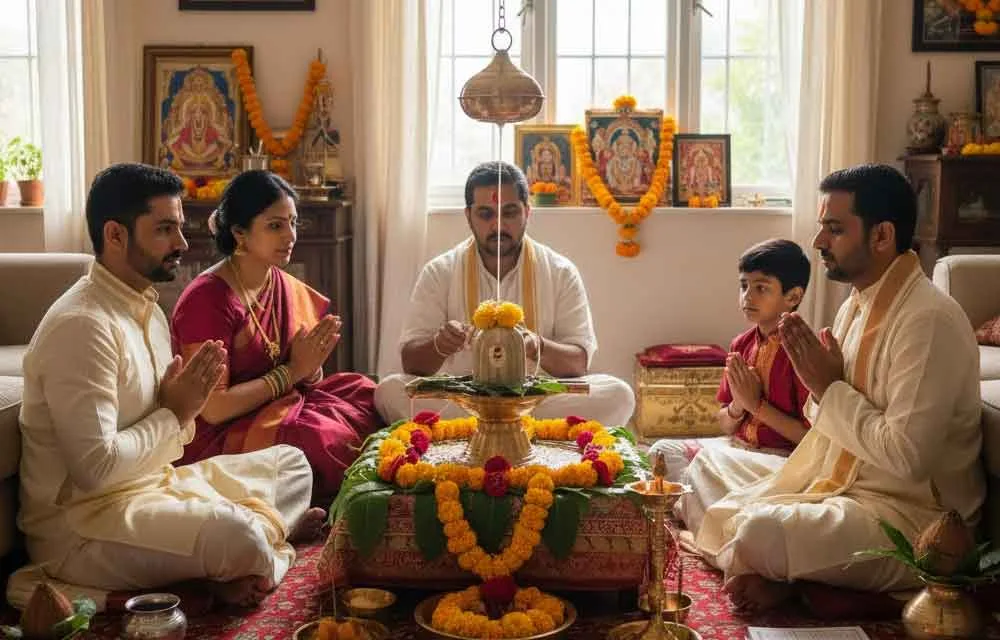
Place a small Shivalinga in a plate or on a stand with a spout so the water can be collected. After a bath and sankalpa, pour water, then milk, curd, honey, ghee and sugar one by one, rinsing with water in between, while chanting Om Namah Shivaya or Rudram. Finish with bilva leaves, flowers and aarti.
What is done with the abhishekam water afterwards?
The collected water and milk are treated as sacred. Many families pour them at the base of a tulsi or other plant, or into a clean garden spot, rather than down a drain. A little may be taken as tirtham where family custom allows. Follow your family priest's guidance.