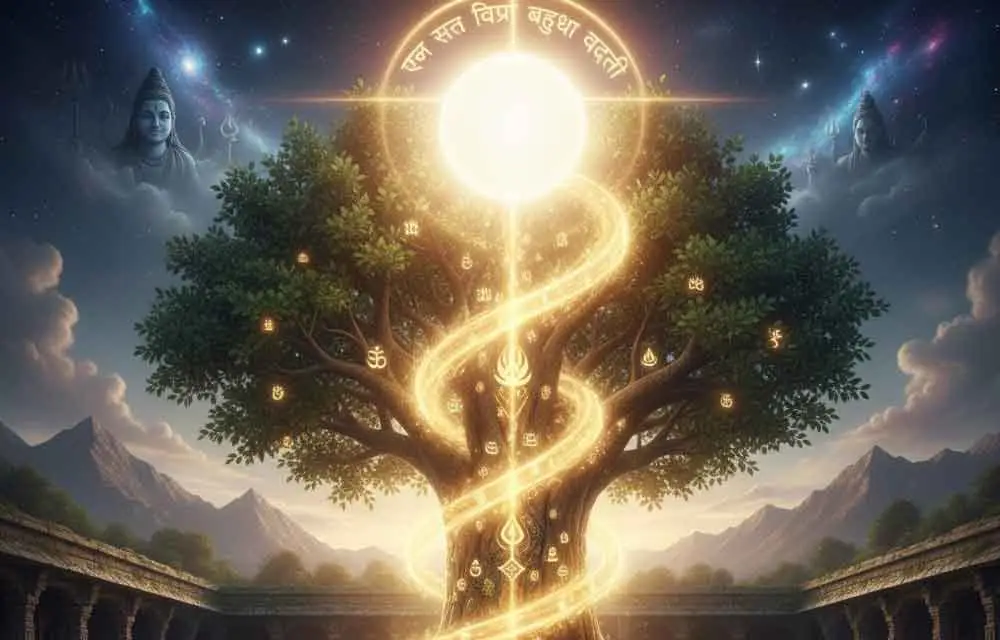
Joyful Items Needed for Lingam Abhishek
Water (Jal Abhishekam)Pouring water over the Shiva Lingam brings a refreshing touch, symbolizing purity and cleansing—what a beautiful way to start!
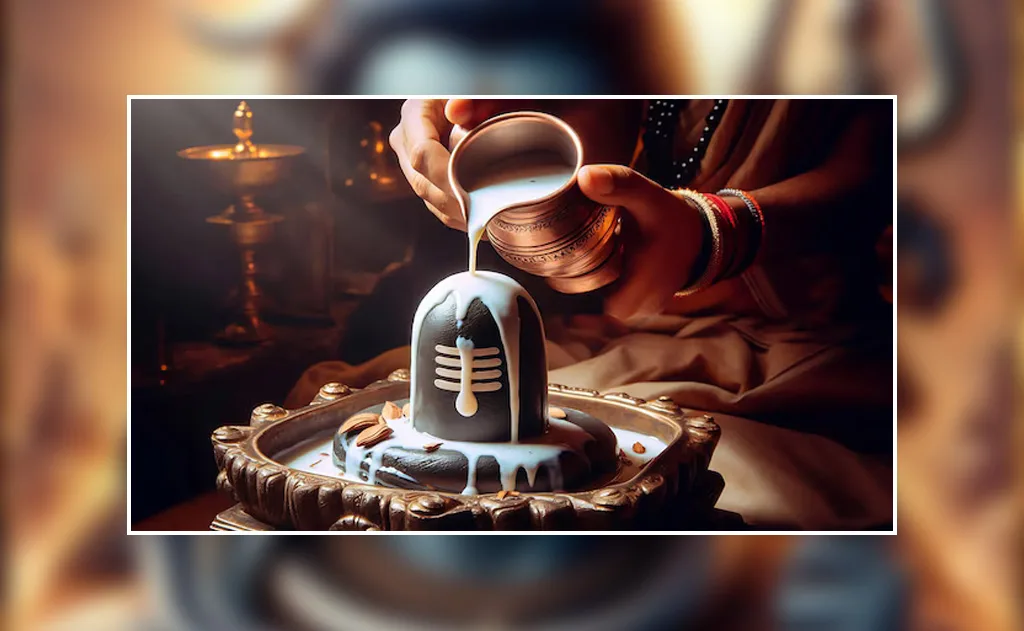
Water (Jal Abhishekam)
Pouring water over the Shiva Lingam brings a refreshing touch, symbolizing purity and cleansing—what a beautiful way to start!
Milk (Dugdha Abhishekam)
Let the creamy milk flow! It represents purity and the nurturing aspects of nature, embracing the moment with warmth.
Yogurt (Dadhi Abhishekam)
As you pour yogurt, think of strength and prosperity filling the air, uplifting spirits all around!
Honey (Madhu Abhishekam)
Drizzling honey adds a touch of sweetness, bringing bliss and joy to the heart—how delightful!
Ghee (Ghrita Abhishekam)
Pouring ghee symbolizes the illumination of knowledge, lighting our paths with wisdom and joy.
Sugar (Sharkara Abhishekam)
Sprinkling sugar is like sharing happiness—a little reminder that contentment is a sweet part of life!
Coconut Water (Nariyal Abhishekam)
This refreshing nectar represents fertility and prosperity; pour it with a cheer, celebrating the bountiful joy it brings!
Panchamrit Abhishekam
A divine mixture of milk, yogurt, honey, ghee, and sugar combined represents the five elements and the essence of life—what a joyous celebration of unity!
Barley (Jau)
By adding barley, we invite the removal of misfortunes and an energetic boost—feel the positivity flowing through!
Rice
Pouring rice enhances financial abundance and prosperity, a simple act that creates waves of good fortune!
Sesame Seeds (Til)
Finally, sprinkle these tiny treasures to remove health issues—each seed is a wish for wellness and happiness!
Conclusion: A Joyful Spiritual Offering
Embrace this lovely collection with joy and gratitude as you perform the Lingam Abhishek, inviting blessings into your life. Each offering is not just a ritual, but a moment of divine connection and heartfelt devotion.
What do the Vedic scriptures say about Lingam Abhishekam?
The practice of Abhishekam to the Shiva Lingam is rooted in the Shiva Purana, particularly the Vidyeshvara Samhita, which enumerates the specific fruits (phala) gained by each offering. The text declares that one who performs Jalaabhisheka with devotion is freed from the cycle of rebirth, while milk Abhishekam is said to bestow long life and relief from disease. These are not merely symbolic promises — they reflect a theological understanding that each substance (dravya) carries a unique cosmic quality (guna) that resonates with a corresponding aspect of Lord Shiva.
The Rigveda's Shri Rudram (found within the Krishna Yajurveda's Taittiriya Samhita) forms the liturgical backbone chanted during Abhishekam in most traditional temples. The Namakam (anuvaka 1–8) invokes Rudra's various benevolent forms, while the Chamakam requests specific blessings — including health, food, strength, and liberation. Reciting these hymns while pouring each dravya is considered the ideal way to perform the ritual, transforming a simple bathing ceremony into a Vedic yajna in miniature.
Why is the Shiva Lingam the chosen form for Abhishekam worship?
The Shiva Lingam is described in the Linga Purana as the Stambha — the infinite pillar of light (Jyotirlinga) that has neither beginning nor end. When Brahma and Vishnu sought to find the source of this cosmic column, they could not, and Shiva manifested in the form of a Lingam to reveal His transcendence over creation and dissolution. Abhishekam performed on this form is therefore understood as an act of acknowledging the limitless nature of the divine.
Across India's twelve Jyotirlinga shrines — from Somnath in Gujarat to Rameshwaram in Tamil Nadu and Kedarnath in Uttarakhand — Abhishekam is performed daily at fixed times called Prahara Pujas. The materials used in each temple often reflect the local tradition: at the Mahakaleshwar Jyotirlinga in Ujjain, Madhya Pradesh, the celebrated Bhasma Aarti involves ash from cremation grounds applied to the Lingam, underscoring Shiva's sovereignty over time and death.
How does Panchamrit Abhishekam connect to the five cosmic elements?
The five ingredients of Panchamrit — milk, yogurt, honey, ghee, and sugar — are traditionally mapped to the Pancha Bhutas (five elements): milk to water (Jala), ghee to fire (Agni), honey to earth (Prithvi), yogurt to space (Akasha), and sugar to air (Vayu). This correspondence means that pouring Panchamrit is, in theological terms, offering the entire manifest universe back to its source. The Skanda Purana explicitly states that a single Panchamrit Abhishekam performed with sincere bhakti equals the merit of performing a hundred individual Abhishekams.
In practice, the Panchamrit is mixed in a specific sequence — milk is poured first as the base, followed by yogurt, honey, ghee, and sugar — so that each element is added in an ascending order of density. After the Abhishekam, the collected Panchamrit (called Tirtha or Charnamrit) is distributed to devotees as prasad. Consuming it is believed to purify the physical body and calm the mind, making the ritual a complete loop of offering and receiving divine grace.
What is the significance of timing and Nakshatra in performing Lingam Abhishekam?
The Shiva Purana and Dharmasindhu both highlight Pradosha Kala — the 1.5-hour window around sunset on the Trayodashi (13th lunar day) of each fortnight — as the most auspicious time for Shiva Abhishekam. During this period, it is said that all devas, including Brahma, Vishnu, Indra, and Lakshmi, gather to witness the worship, multiplying the spiritual merit of the devotee manifold. Many traditional Shaiva families maintain a vow (vrata) of performing Pradosha Abhishekam every fortnight without interruption.
Mondays (Somavar) hold special significance because the moon (Soma) is said to reside in Shiva's matted hair (jata), making every Monday a natural Abhisheka day. The nakshatra Ardra, which is the birth star of Rudra according to Vedic astronomy, is observed as Thiruvadhirai in the Tamil Shaiva tradition — on this night, grand Abhishekams are conducted at temples such as the Thillai Nataraja temple in Chidambaram, Tamil Nadu, drawing thousands of devotees.
Are there specific mantras to chant with each offering during Abhishekam?
Classical Agamic texts such as the Kamika Agama prescribe unique mantras for each dravya poured during Abhishekam. For water (Jala), the mantra 'Om Namah Shivaya' with the Panchakshara is standard, while for milk the verse 'Payoabhishekam Karomi' from the Shiva Purana puja vidhi is used. Sesame seeds (Til) are typically accompanied by a mantra invoking Mrityunjaya — the three-eyed Shiva who conquers death — reflecting the seed's association with overcoming illness and mortality.
For those who cannot access a priest or full ritual setup, the Maha Mrityunjaya Mantra (OM Tryambakam Yajamahe..., found in the Rigveda 7.59.12 and the Yajurveda) is considered universally applicable throughout the entire Abhishekam. The Shiva Purana assures that sincere repetition of even the Panchakshara mantra 'Namah Shivaya' while pouring any pure substance constitutes a valid Abhishekam, making the ritual accessible to all devotees regardless of Vedic training.
How should devotees prepare themselves before performing Lingam Abhishekam at home?
Traditional Shaiva practice recommends that a devotee take a bath (snanam) before the ritual, wear clean — ideally white or ochre — clothing, and observe a period of silence or mental prayer for at least a few minutes to shift awareness from the mundane to the sacred. The Kamika Agama describes this inner preparation as Antara Shuddhi (inner purification), which is considered more important than the outer materials used. Lighting a lamp (Deepa) before the Lingam before beginning the Abhishekam is advised to invite Agni as a witness.
At home shrines, a Sphatika (clear quartz crystal) Lingam or a Narmada river Bana Lingam — the naturally smooth, elliptical stones found in the Narmada River in Madhya Pradesh — are widely used for daily Abhishekam. The Shiva Purana specifically praises the Bana Lingam as a self-manifest (Svayambhu) form requiring no formal consecration (Prana Pratishtha), making it especially suitable for household worship. After Abhishekam, adorning the Lingam with Bilva (Aegle marmelos) leaves is essential — the Shiva Purana states that a single Bilva leaf offered with devotion equals the merit of offering gold.
Frequently Asked Questions
What items are needed for Lingam Abhishek?
The offerings are water, milk, yogurt, honey, ghee, sugar, coconut water and Panchamrit, along with barley, rice and sesame seeds. Each substance carries its own symbolism, from purity to prosperity.
What is Panchamrit Abhishekam made of?
Panchamrit is a mixture of milk, yogurt, honey, ghee and sugar. The five ingredients are traditionally mapped to the five elements, and the mixture is prepared in sequence starting with milk.
What does honey or ghee symbolize in Lingam Abhishek?
Honey symbolizes bliss and joy, while ghee symbolizes the illumination of knowledge. Milk represents purity and nurturing, and yogurt represents strength and prosperity.
Which mantra can be chanted during Abhishekam?
'Om Namah Shivaya', the Panchakshara mantra, is standard for water, and the Maha Mrityunjaya Mantra is considered applicable throughout. Repeating Namah Shivaya while pouring any pure substance is said to make a valid Abhishekam.
When is the best time to perform Shiva Abhishekam?
Pradosha Kala, the 1.5-hour window around sunset on Trayodashi of each fortnight, is described as most auspicious. Mondays are also special because the moon is said to reside in Shiva's matted hair.
How should a devotee prepare for Lingam Abhishekam at home?
Take a bath, wear clean white or ochre clothing, and spend a few minutes in silence or mental prayer. Light a lamp before the Lingam and adorn it with Bilva leaves afterwards.
Share this with family and friends
Send it on WhatsApp, post it, or copy the link.
More from Spirituality
- Chilkur Balaji 'Visa Balaji' Temple: The 11 and 108 Pradakshina Custom Explained for NRIs
- Ekagrata (One-Pointedness): Yoga Concentration and Samyama Glossary
- Complete MBBS Once in Life: The Spiritual Meaning of Mahabharata, Bhagavatam, Bhagavad Gita & Ramayana
- Sri Medha Dakshinamurthy Swami Dhyanam | Meditation Sloka for Intelligence, Eloquence & Self-Realization
- What Is True Poverty? | Dharma Is the Greatest Wealth | Sanatana Dharma
You might also like

108 Shakti Peethas: The Divine Geography of the Goddess — Complete Guide
Mandukya Upanishad: The Shortest Path to Liberation (Moksha) in Advaita Vedanta | HinduTone

Purushottam Maas 2026: Lord Vishnu's Sacred Gift of Spiritual Multiplication & Divine Grace