
Durga Ashtami
12 articles
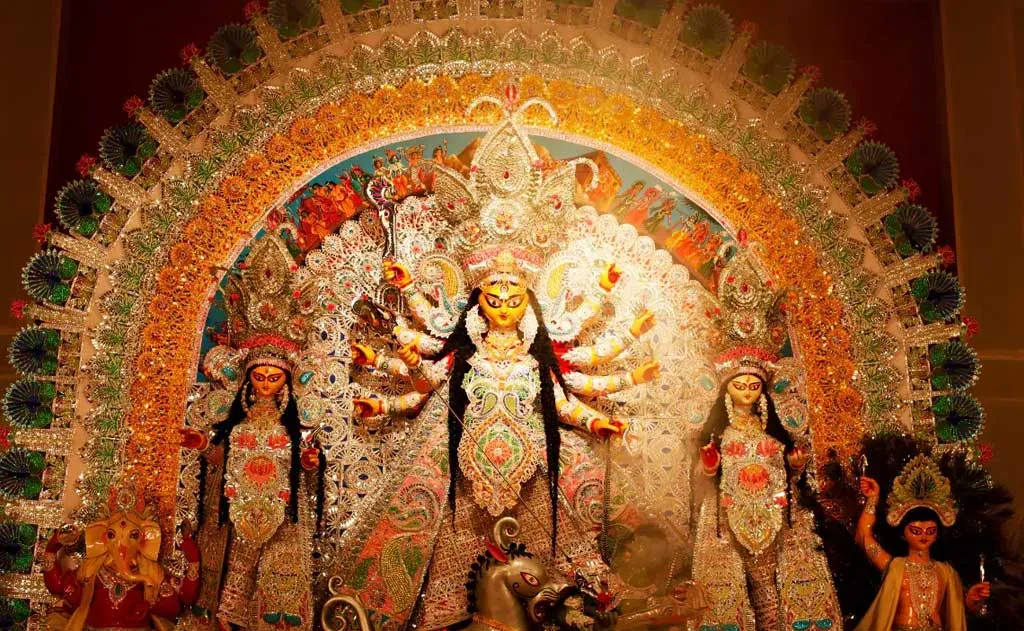
Durga Ashtami, often called Maha Ashtami, is one of the most important days of Navratri. Devotees worship Goddess Durga in her fierce and protective forms, and in Bengal the day is central to Durga Puja, with elaborate rituals in pandals and the much-loved Sandhi Puja at the meeting point of Ashtami and Navami.
In many north Indian homes the day is marked by Kanya Pujan, when young girls are invited, honoured as forms of the Goddess and served a festive meal. In the Telugu states it is known as Durgashtami, and families visit Devi temples and offer special alankarams. Across traditions, devotees see the day as a time to pray for strength and protection for the family.
This page gathers Durga Ashtami puja vidhi, explanations of Kanya Pujan and Sandhi Puja, stories of the Goddess from the Devi Mahatmya, and city guides for diaspora celebrations. You can continue to our broader coverage of Navratri, Durga Puja and Goddess Durga for the full festival season.
Start Here
Latest Articles
Durga Ashtami 2026 in the UK: Sunday 18 October, Sandhi Puja Time and How to Celebrate
Durga Ashtami (Maha Ashtami) 2026 falls on Sunday 18 October across the UK, a day earlier than in India, and Maha…
Durga Ashtami 2026 in Canada: Sunday 18 October, Sandhi Puja Time by City and How to Celebrate
Durga Ashtami (Maha Ashtami) 2026 falls on Sunday 18 October across Canada, a day earlier than in India, and Maha…
Durga Ashtami 2026 in the USA: Sunday 18 October, Sandhi Puja Time by City and How to Celebrate
Durga Ashtami (Maha Ashtami) 2026 falls on Sunday 18 October across the USA, a day earlier than in India, and Maha…
Maha Ashtami 2026: Date (Monday 19 October), Pushpanjali, Kumari Puja, Sandhi Puja and Rituals
Maha Ashtami (Durga Ashtami) 2026 falls on Monday 19 October in India and Sunday 18 October in the USA, Canada and the…
Sandhi Puja 2026: Date (19 October), Ashtami–Navami Timing, 108 Lamps and Lotuses, and Kolkata Traditions
Sandhi Puja 2026 falls on Monday 19 October, at the meeting of Ashtami and Navami, which Drik Panchang places at 10:51…
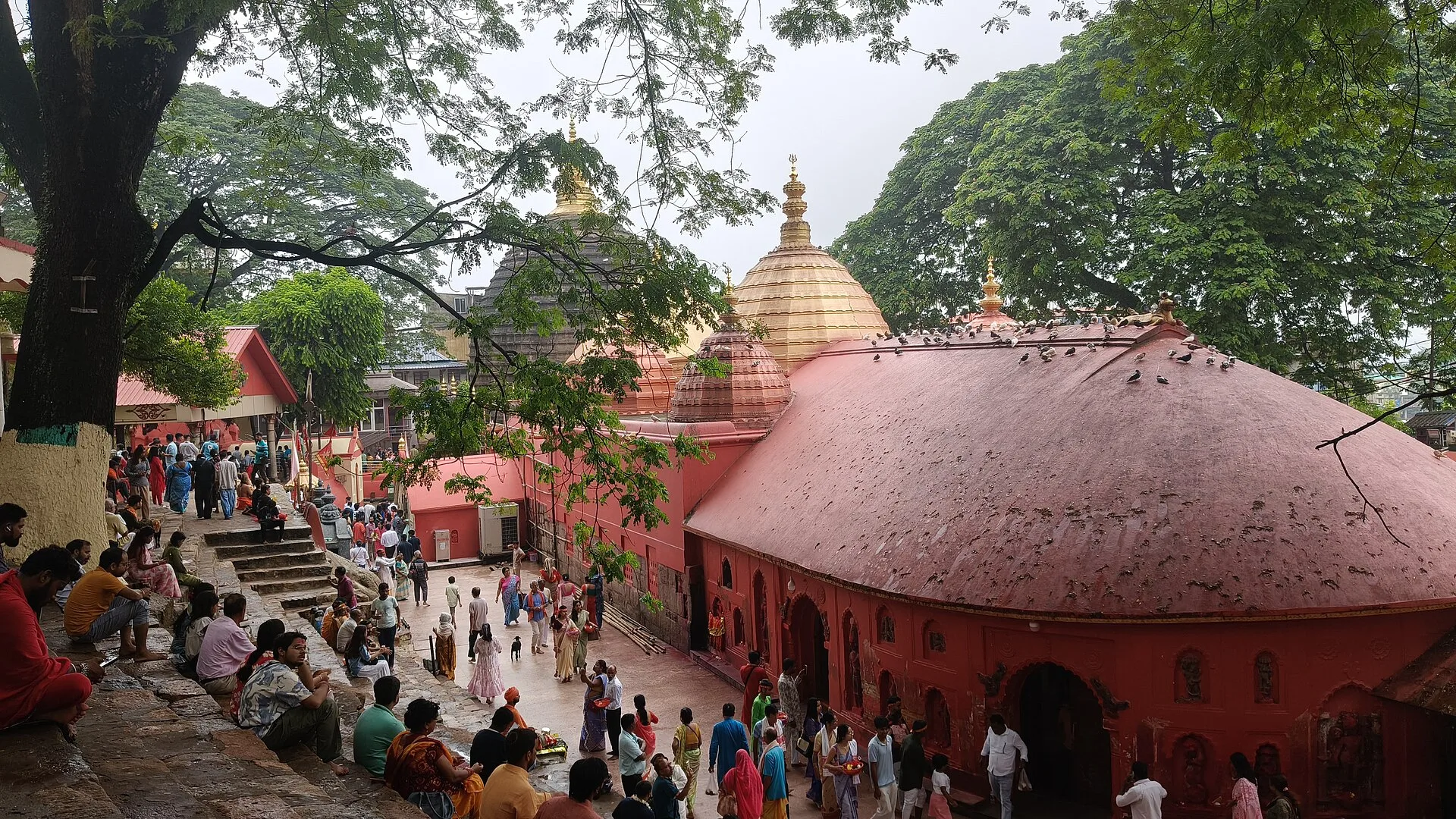
Panchangam 17 December 2026, Thursday: Masik Durgashtami, Shukla Ashtami, Purva Bhadrapada Nakshatra and Puja Vidhi
Thursday 17 December 2026 is Masik Durgashtami, the monthly Ashtami of Goddess Durga, falling on a Margashirsha…
Panchangam 17 November 2026, Tuesday: Gopashtami, Masik Durgashtami and the Start of the Sabarimala Mandala Season (Hyderabad)
Tuesday 17 November 2026 is Gopashtami, Masik Durgashtami and, per Drik Panchang, the day Mandala Pooja begins…
Panchangam 19 October 2026 (Monday): Durga Ashtami, Maha Navami, Sandhi Puja, Saraswati Visarjan and Navratri Day 9 (Maa Siddhidatri)
Monday 19 October 2026 is Durga Ashtami and Maha Navami together in India, with Sandhi Puja at the meeting of the two…
FAQs
What is Durga Ashtami?
Durga Ashtami, or Maha Ashtami, is the eighth day of Sharad Navratri and one of the most important days of Durga Puja. Devotees worship Goddess Durga in her Mahagauri form, and many homes perform Kanya Puja, honouring young girls as forms of the Goddess. Sandhi Puja is held at the junction of Ashtami and Navami.
When is Durga Ashtami?
Maha Durga Ashtami falls on the eighth day of the bright fortnight of Ashvin, usually in late September or October. A smaller monthly Masik Durgashtami is also observed on every Shukla Ashtami. Exact dates and the Sandhi Puja timing change every year; please check our panchang.
How is Kanya Puja done on Ashtami?
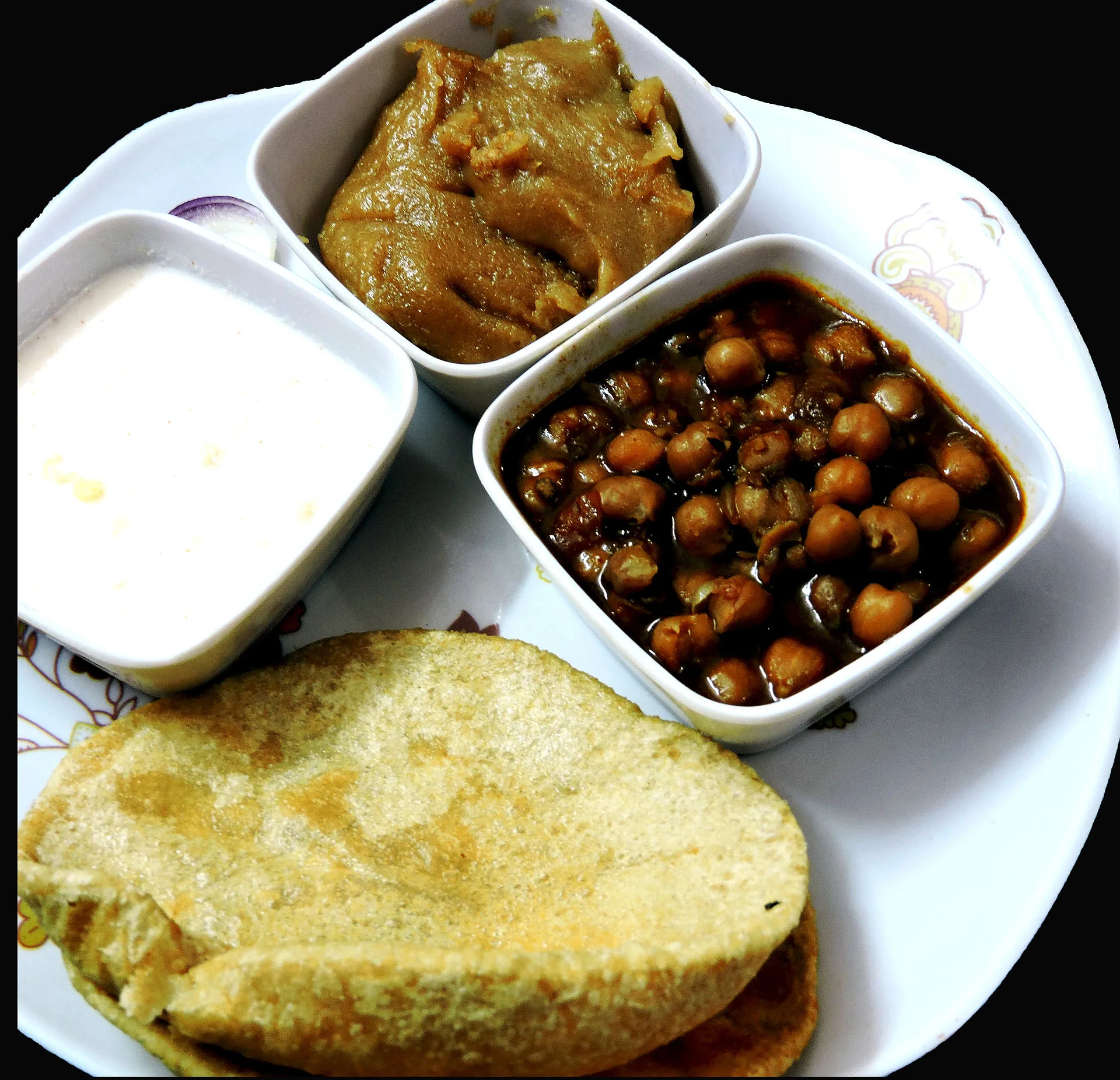
Families invite young girls, wash their feet, apply tilak, tie a sacred thread and serve them a meal, traditionally puri, chana and halwa. The girls are given small gifts and their blessings are sought. A young boy is often included as Langur, representing Bhairava or Hanuman.