
Rangoli and Muggulu
Rangoli, known as muggulu in Telugu homes, kolam in Tamil Nadu, alpana in Bengal and mandana in Rajasthan, is the art of drawing auspicious patterns at the threshold. Made with rice flour, chalk powder, coloured powders or flower petals, these designs welcome guests and deities alike, and many households traditionally draw one every morning before sunrise.
Beyond decoration, devotees see the rangoli as an offering. The use of rice flour is often explained as a way of feeding ants and birds, and the interlocking lines of a dotted kolam are said to reflect order and continuity. Festivals bring out the most elaborate work: Sankranti muggulu with gobbemmalu in Andhra Pradesh and Telangana, Pongal kolams, Onam pookalam and colourful Diwali rangolis.
On this page you will find galleries and step-by-step design ideas for beginners and experienced artists, articles on the regional styles and their names, the meaning of common motifs, and practical tips for apartments and homes abroad. Related reading covers Makar Sankranti, Diwali and festival decorations.
Latest Articles
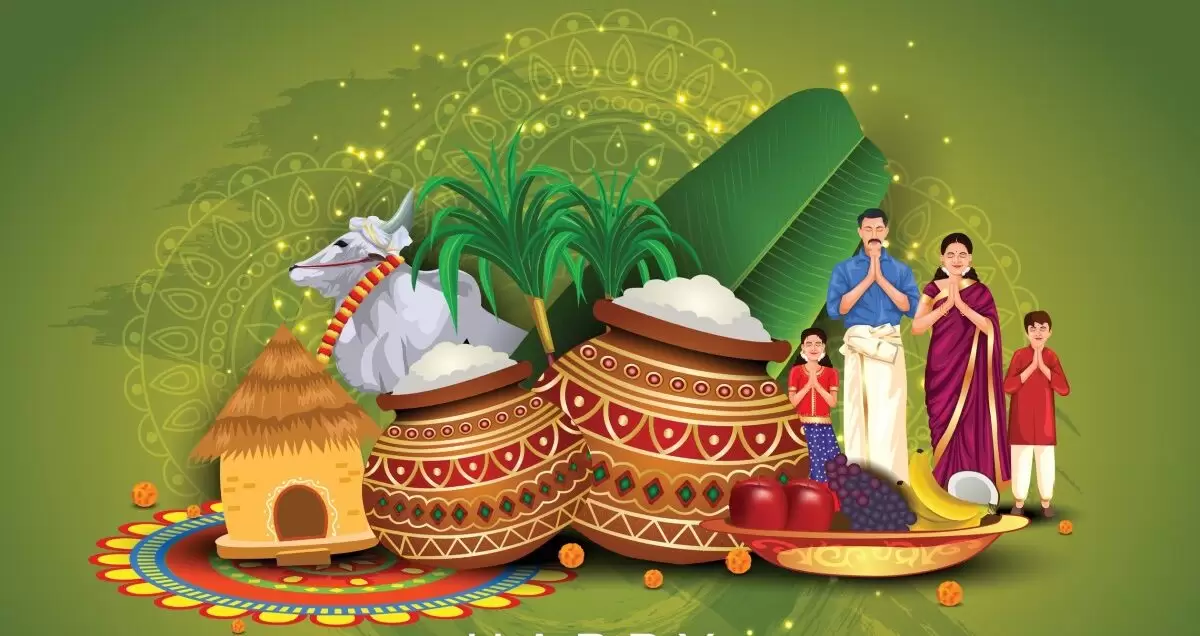
Makar Sankranti and Pongal for Kids: Crafts, Kolam and Stories

Sankranti muggulu and gobbemmalu: meaning, materials, method
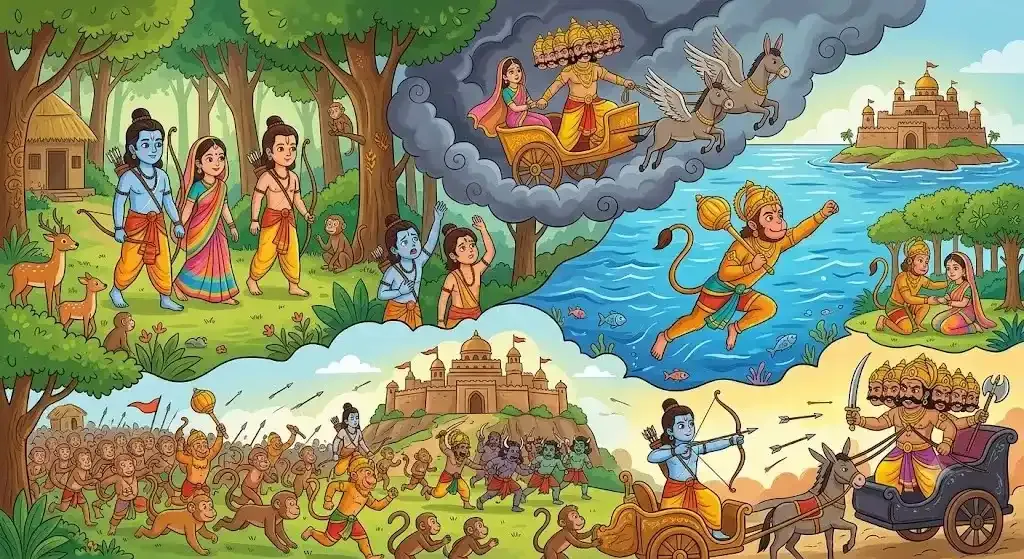
Diwali 2027 Activities for Kids – Crafts, Rangoli, Stories, Games and Family Traditions
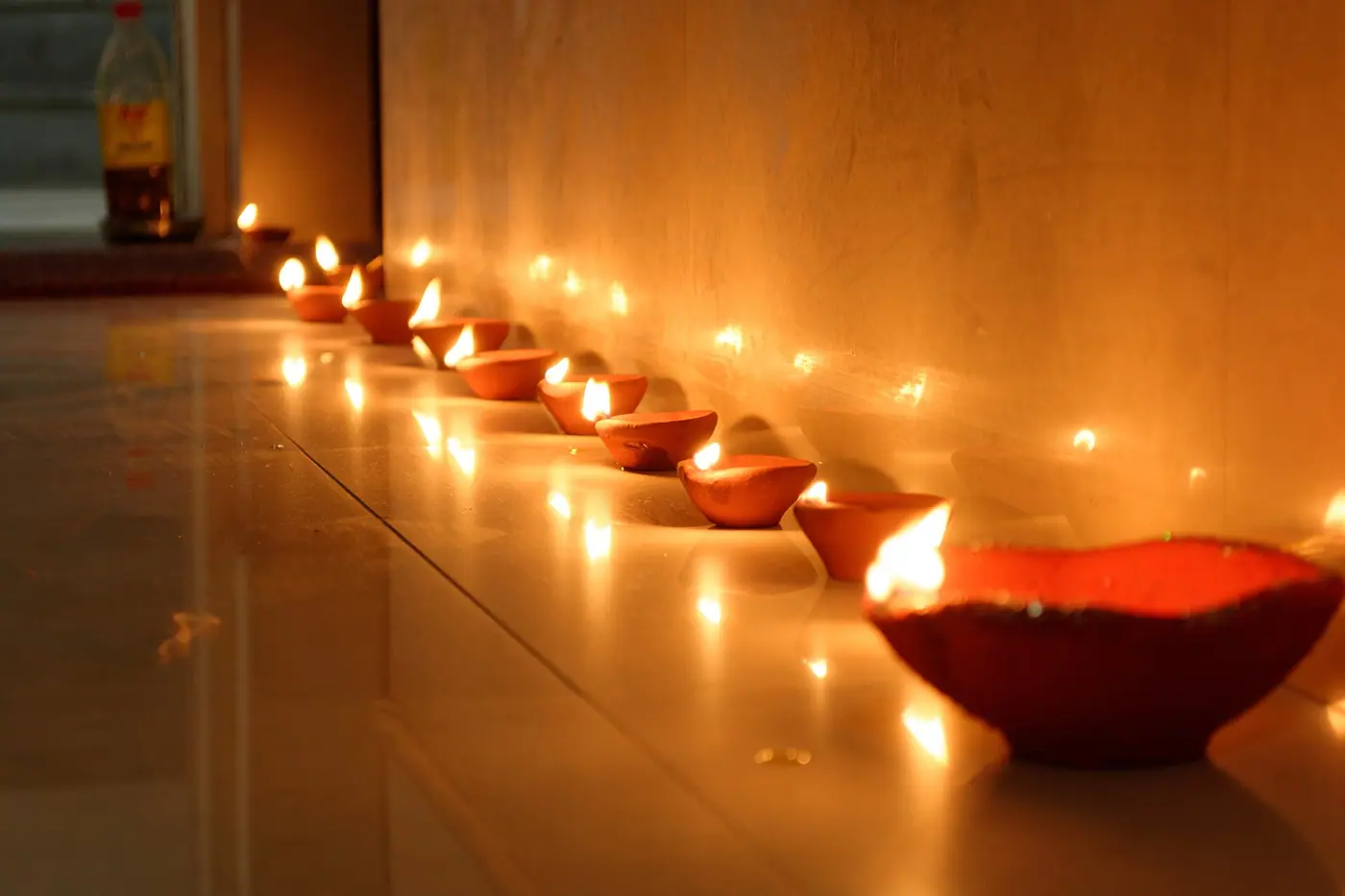
Diwali 2027 Decoration Ideas – Traditional Indian Home, Rangoli, Diyas and LED Lights

Margazhi and Dhanurmasam 2026 in Singapore: Start Time, First and Last Dawn, Thiruppavai and Kolam
Margazhi 2026: Tamil Month Dates (16 December to 14 January), Festivals, Kolam, Tiruppavai and Music Season

Diwali 2026 Rangoli Designs: Traditional Patterns, Lakshmi Footprints and Easy Ideas for Beginners
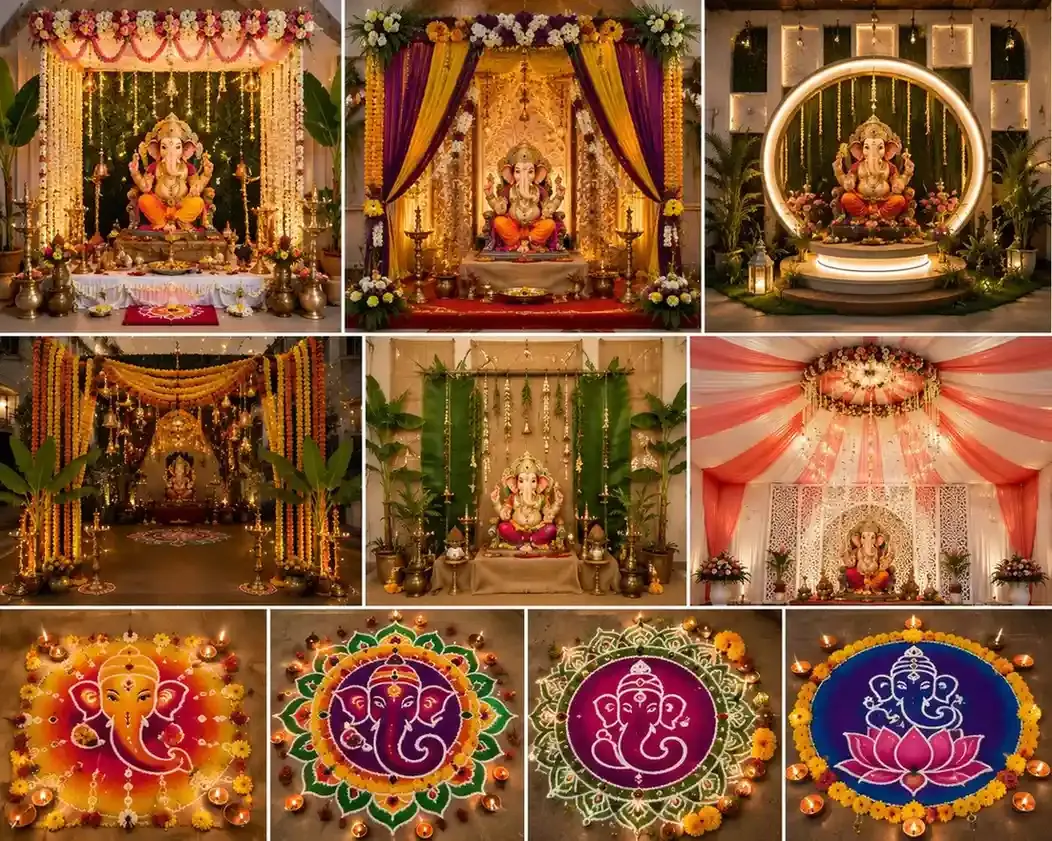
Ganesh Chaturthi Decoration & Mandap Ideas + Rangoli Designs 2026

CCTV Footage Shows Deliberate Smudging of Pongal Rangoli in Tamil Nadu
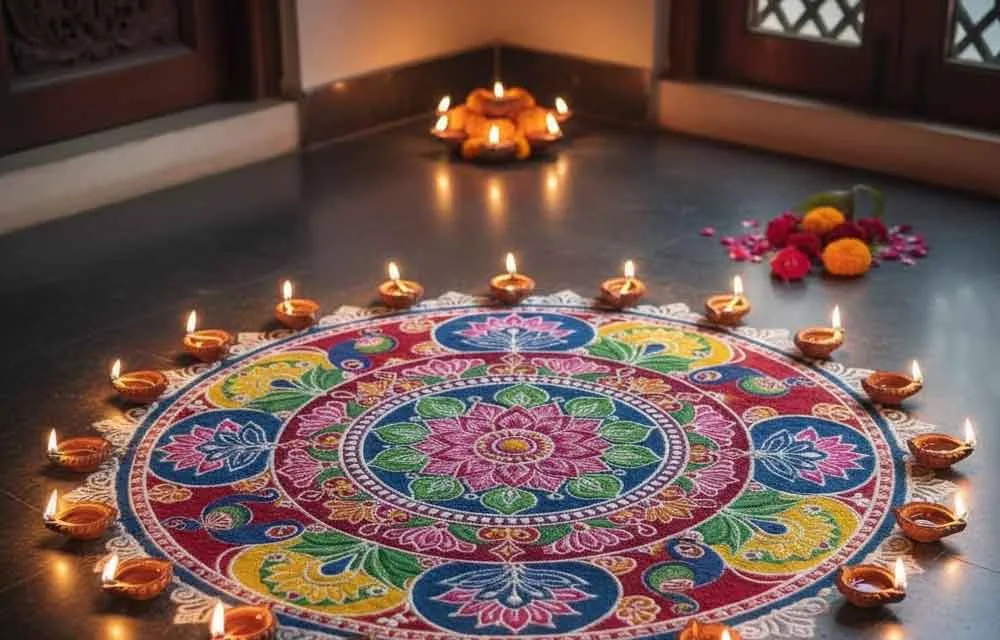
Rangoli, Kolam and Muggu: Meaning, Symbols and How to Draw Them for Diwali and Karthika Masam 2026

FAQs
What is the significance of rangoli?
Rangoli, called muggulu in Telugu and kolam in Tamil, is a decorative design drawn at the entrance of the home. Traditionally it welcomes guests and the goddess Lakshmi, marks the home as auspicious, and, when drawn with rice flour, also feeds ants and small creatures.
How do I draw a simple rangoli step by step?
Clean and lightly wet the floor, mark a grid of dots with rice flour or chalk, then join the dots with curved or straight lines to form a pattern. Fill sections with coloured powder, flowers or petals, and finish with a lamp at the centre for festivals.
When are rangolis drawn?
Many households draw a small design at the doorstep every morning. Larger and more colourful rangolis are made for festivals such as Diwali, Sankranti, Pongal and Onam, and for weddings and housewarmings. Dhanurmasam is especially known for daily muggulu in Telugu homes.