Mammiyoor Mahadeva Temple
Shiva as Uma Maheswara (with Parvati), and Vishnu in a separate sanctum temple · Guruvayur, Thrissur, Kerala, India
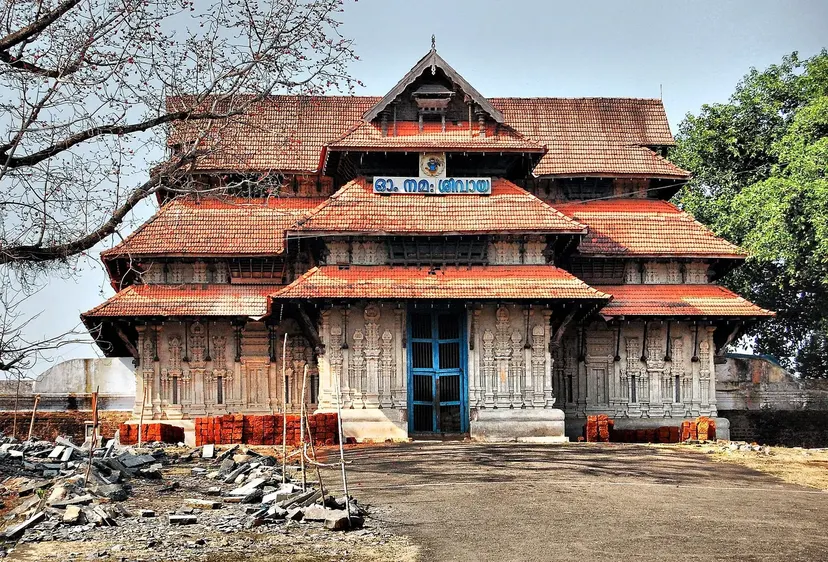
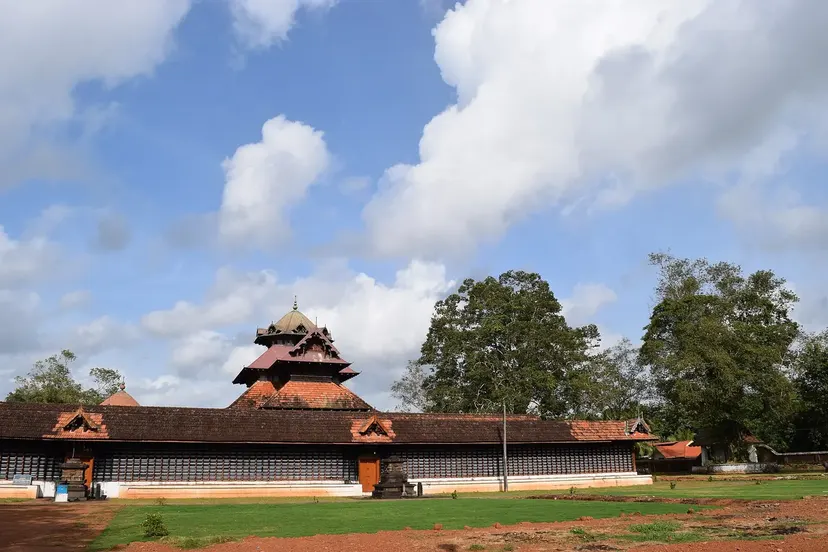
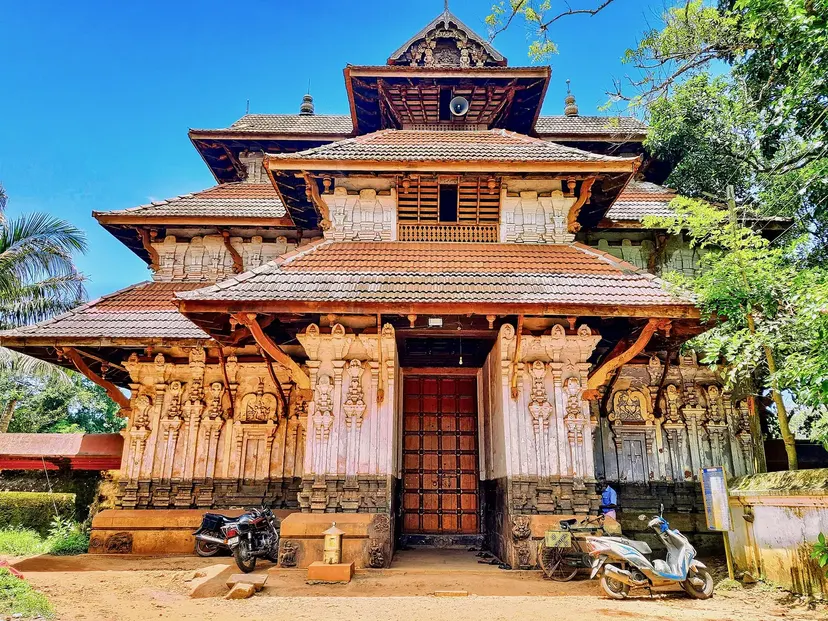
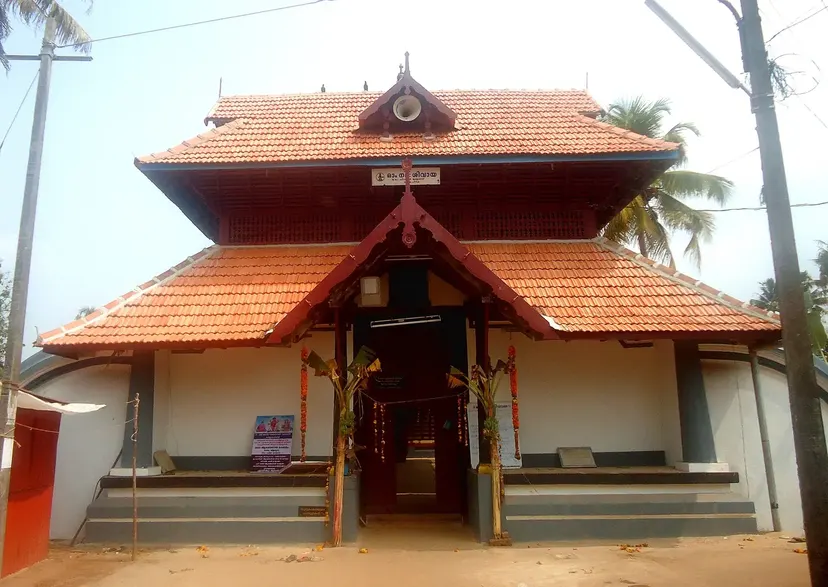
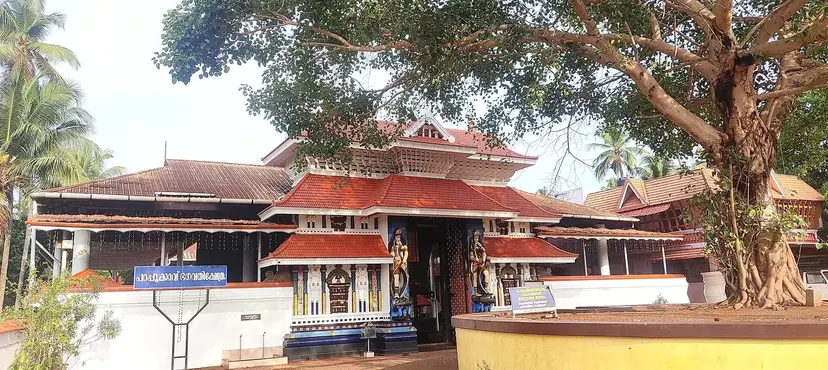
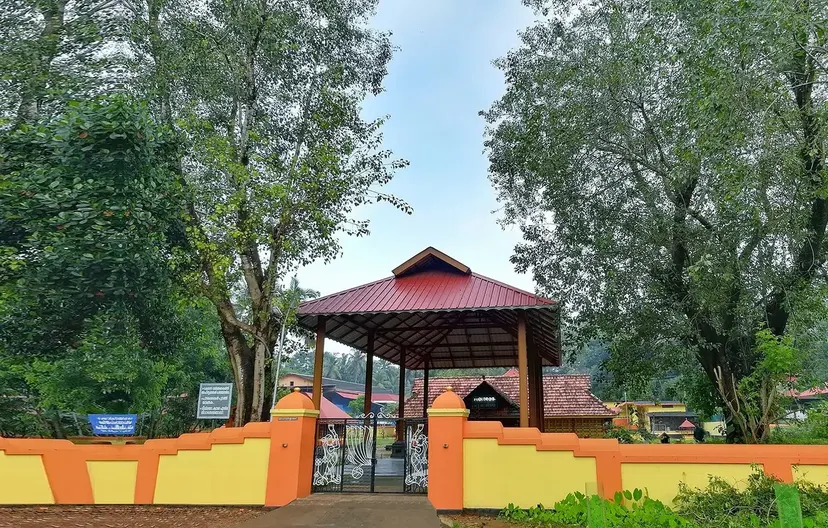
Mammiyoor (also spelt Mammiyur) Mahadeva Temple is a Shiva temple in Guruvayur, Thrissur district, Kerala, a short walk north-west of the Guruvayur Sri Krishna Temple. Shiva is worshipped here as Uma Maheswara, with the goddess Parvati seated on his left, and Vishnu has a sanctum of his own beside him.
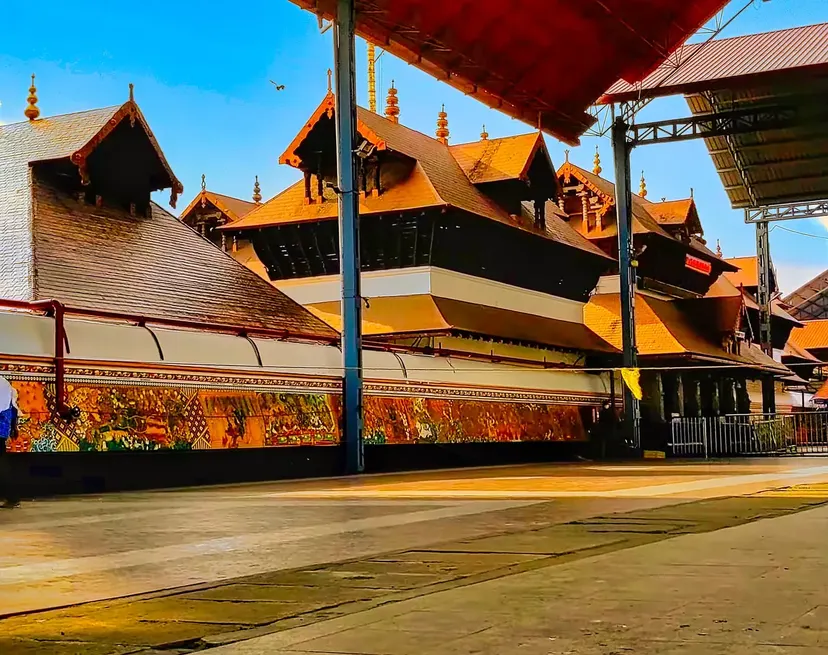
The temple is closely tied to Guruvayur. According to the Mammiyur Devaswom, many pilgrims believe a visit to Guruvayur is complete only after visiting Mammiyur as well. The temple is administered by the Malabar Devaswom Board.
Faith & Tradition
Religious Significance of Mammiyoor Mahadeva Temple
The devaswom links the temple to the legend of Guruvayur itself. At the end of the Dvapara Yuga, the story goes, Dwaraka sank in a great flood. Brihaspati, guru of the gods, and Vayu, the wind god, were given the idol that Krishna had worshipped there and told to install it at a fitting place on earth. They came to the banks of a lake called Rudratheertha, where Shiva had long been doing penance. Shiva asked them to install the idol there and moved himself to the other side of the lake.
The place where Guru and Vayu installed the idol became Guruvayur. According to tradition, the spot Shiva chose for himself and Parvati was called Mahimayur, from mahima ('glory'), in praise of his willingness to give up his own seat. Over time the name was shortened to Mammiyur. The temple pond on the north side is still called Rudratheertham.
The devaswom notes several ritual links with Guruvayur. Devotees inside the Guruvayur temple traditionally turn north-west towards Mammiyur at the Bhagavathi shrine to pay respects to Shiva. The two temples share the same hereditary tantri family, the Puzhakkara Chennas Mana, and many of the poojas at Mammiyur follow the Guruvayur pattern. Vishnu is given equal importance with Shiva in the temple's rituals.
Heritage
History of Mammiyoor Mahadeva Temple
The devaswom records that Guruvayur was once part of Ponnani taluk in the Malabar district of the Madras Presidency. It says both the Guruvayur and Mammiyur temples were damaged during the invasions of Hyder Ali and Tipu Sultan. After Tipu's defeat in 1792, the Zamorin of Kozhikode regained control of the area, and Mammiyur came under the trusteeship of the Eralpad Raja, the second-ranking member of the Zamorin's family.
In the 20th century the temple came under the Madras Hindu Religious Endowments Board (1927) and later the HR&CE (Administration) Department after Kerala was formed in 1956. The devaswom says the temple had fallen into a poor state. In 1960–61 a committee of local devotees was formed to restore it, and the work ended with a Naveekarana Kalasam (re-consecration) in 1996. A scheme of administration framed in 1991 placed the temple under a Board of Trustees with an Executive Officer.
An Athirudra Mahayagna was held at the temple from 27 December 1997 to 6 January 1998, with 121 Vedic scholars. The devaswom describes this as a turning point in the temple's growth as a centre of Vedic ritual. The Malabar Devaswom Board was set up on 2 October 2008 and now administers the temple through an Executive Officer, with the Eralpad Raja as hereditary trustee.
Architecture and sacred features
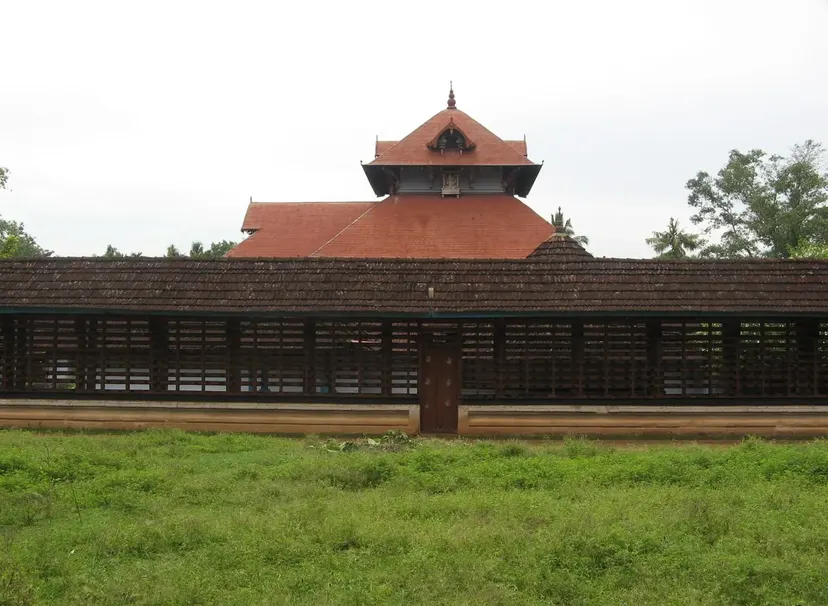
Kerala Tourism notes that the temple is known for its mural paintings, which show scenes from Hindu mythology. The temple has separate sanctums for Shiva (with Parvati) and Vishnu. Its subsidiary deities, listed on the temple website, are Parvati, Ganapathi, Subrahmanya, Ayyappa, Bhagavathy, the serpent deities (Naga) and Brahmarakshas.
Plan Your Visit
Darshan and Visitor Information
The devaswom states that only Hindus may enter the temple. Shirts, vests, pyjamas, lungis and footwear are not permitted inside the nalambalam (inner cloister), and cameras and mobile phones may not be taken inside. Newly married couples should not enter the nalambalam immediately after the wedding. Offerings should be booked only at the official counters or online. The devaswom publishes its pooja timings and lists of offerings; confirm current timings and rules with the Mammiyur Devaswom before visiting.
Timings and arrangements change with seasons and festivals. Confirm current details with Malabar Devaswom Board (Mammiyur Devaswom) (official website) before travelling. Last reviewed 1 November 2026.
Sacred Calendar
Festivals at Mammiyoor Mahadeva Temple
Maha Shivaratri
The main festival, with Laksharchana, Ekadasa Rudrabhisheka, Chuttuvilakku and Niramala. At night both Shiva and Vishnu are taken out on two caparisoned elephants for the Sree Bhootha Bali, and the festival ends with a Krishnanattam performance by the Guruvayur Devaswom troupe. The devaswom notes that the temple has no large elephant procession or fireworks display like many Kerala temples, focusing instead on Vedic rituals.
Prathishta Day of Vishnu
The installation day of the Vishnu sanctum, with Sudhikalasam, Laksharchana and a night procession of Vishnu and Shiva on elephants.
Maharudra and Athirudra yagnas
Large Vedic fire rituals chanting the Sri Rudram; the Athirudra Mahayagna of 1997–98 involved 121 Vedic scholars over 11 days.
Location
How to Reach Mammiyoor Mahadeva Temple
Kerala Tourism gives the temple's distances as about 400 m from the Guruvayur KSRTC bus stand, about 1.3 km from Guruvayur railway station and about 80 km from Cochin International Airport. The devaswom describes the temple as within walking distance, north-west of the Guruvayur Sri Krishna Temple.
Location: Guruvayur, Thrissur, Kerala, India
Nearest airport: Cochin International Airport (about 80 km, per Kerala Tourism)
Nearest railway station: Guruvayur (about 1.3 km, per Kerala Tourism)
More in Hindu temples in Kerala · Shiva as Uma Maheswara (with Parvati), and Vishnu in a separate sanctum temples · Temples in Guruvayur · Temples in Chavakkad Taluk · Temples in Thrissur District
Questions
Mammiyoor Mahadeva Temple: Frequently Asked Questions
Why is Mammiyoor temple connected to Guruvayur?
According to the temple's legend, Shiva gave up his place by the Rudratheertha lake so that Guru and Vayu could install Krishna's idol at Guruvayur, and moved to Mammiyur. Pilgrims traditionally visit Mammiyur as part of a Guruvayur visit.
What does the name Mammiyur mean?
The devaswom says it comes from Mahimayur, 'place of glory', praising Shiva's gesture of giving up his own seat. The name was later shortened to Mammiyur.
Which deities are worshipped at Mammiyoor?
Shiva as Uma Maheswara with Parvati, and Vishnu in his own sanctum. The subsidiary deities include Ganapathi, Subrahmanya, Ayyappa, Bhagavathy, the serpent deities and Brahmarakshas.
Who manages Mammiyoor Mahadeva Temple?
The Malabar Devaswom Board, through an Executive Officer. The Eralpad Raja of the Zamorin family is the hereditary trustee.
What is the main festival at Mammiyoor?
Maha Shivaratri in Kumbham (February–March). Both Shiva and Vishnu are taken out on elephants for the night ritual.
Can non-Hindus enter Mammiyoor temple?
No. The devaswom states that only Hindus are allowed inside the temple.
Sources and attribution
- Mammiyur Devaswom — Mammiyur Siva Temple – home page (Mahima of Mammiyur, Mammiyur and Guruvayoor, Upadevathas)
- Mammiyur Devaswom — History of Mammiyur Temple
- Mammiyur Devaswom — Mammiyur Devaswom (administrative history)
- Mammiyur Devaswom — Temple Custom
- Mammiyur Devaswom — Festivals
- Department of Tourism, Government of Kerala — Mammiyur Mahadeva Temple, Guruvayoor
- Department of Tourism, Government of Kerala — Mammiyur Shivaratri – festival data sheet (1000 Festivals of Kerala)
- Wikipedia — Mammiyoor Temple
Further reading: Mammiyoor Mahadeva Temple on Wikipedia (CC BY-SA 4.0).
Spotted an error? Write to info@hindutone.com — see our editorial policy.