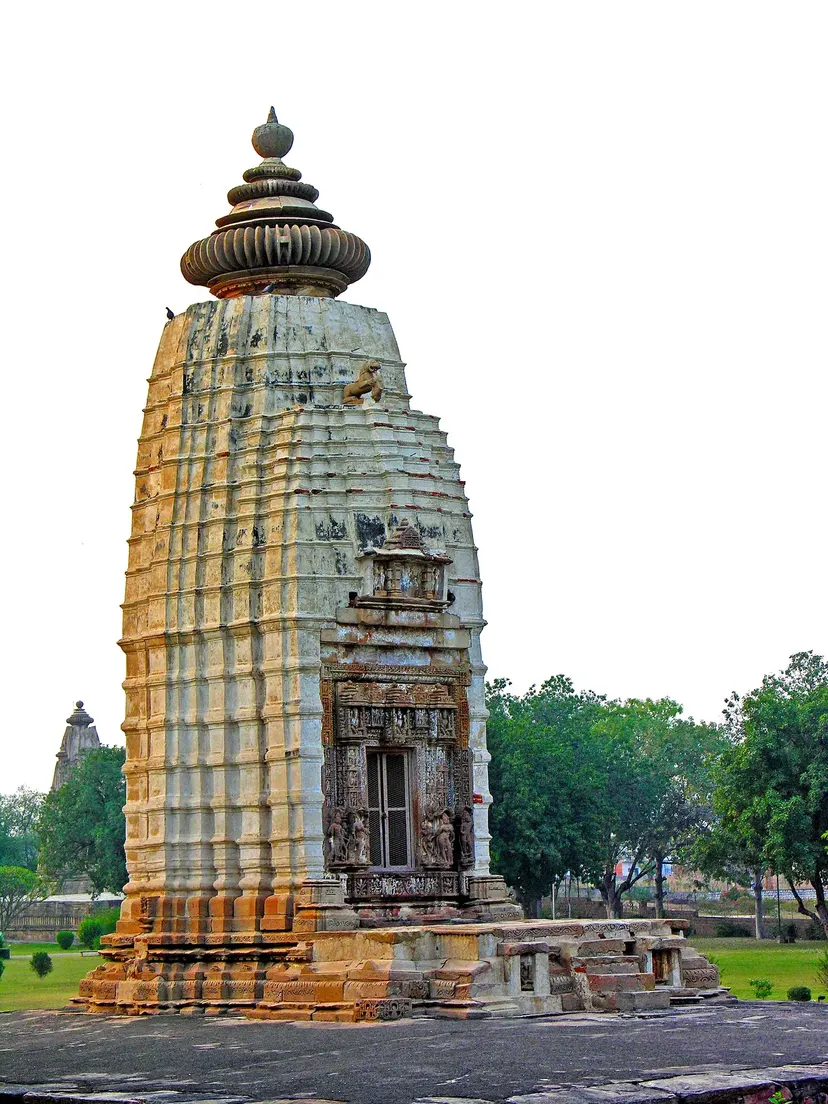
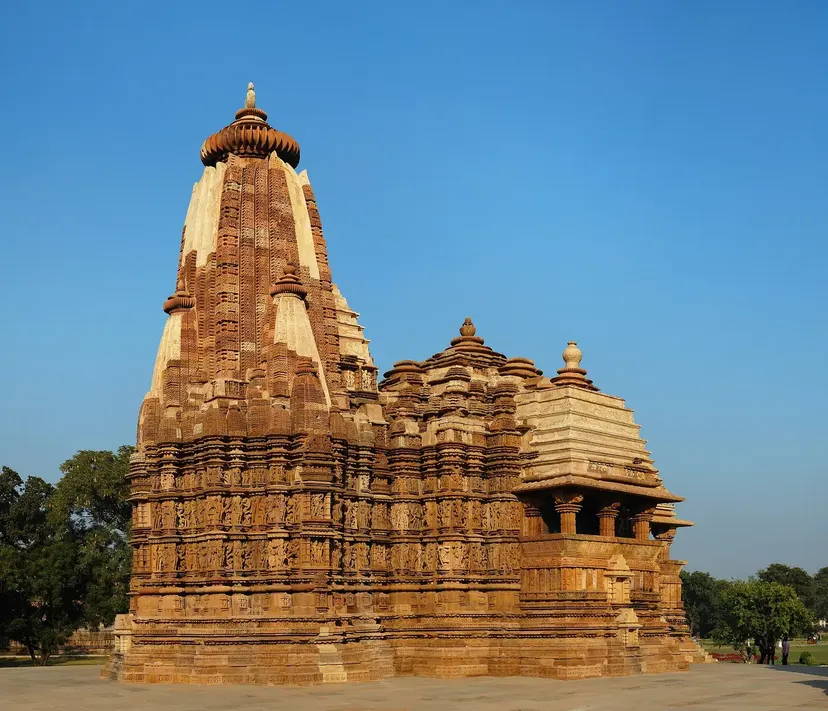
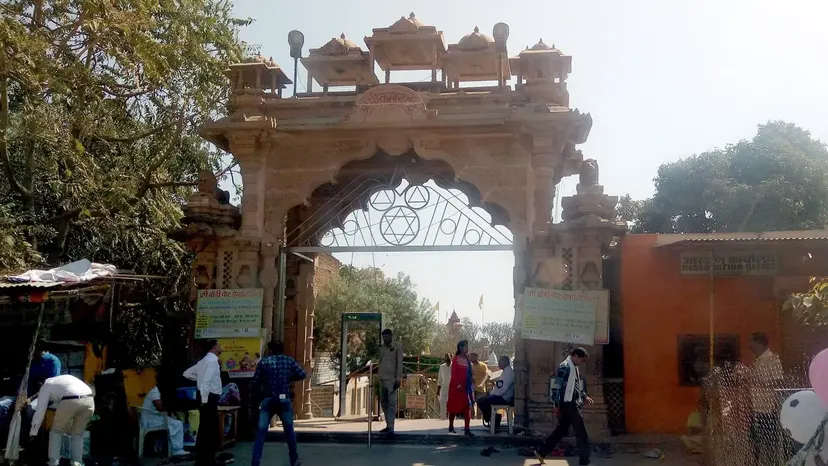
Kankali Devi Temple, Tigawa
Kankali Devi (Chamunda); the temple is thought to have been Vaishnava originally, with a Narasimha image in the sanctum temple · Tigawa (Tigwan), Bahoriband tehsil, Katni, Madhya Pradesh, India
The Kankali Devi temple at Tigawa (also written Tigwan or Tigowa) in Katni district, Madhya Pradesh, is a small stone temple of the Gupta period. It is usually dated to the early 5th century CE. It is the only intact survivor of a cluster of more than 36 temples that once covered a low mound at the village, and is one of the oldest standing Hindu temples in India.
The site is protected by the Archaeological Survey of India (ASI) under its Jabalpur Circle. In 2025 India included the 'Kankali Devi temple, Tigawa' in its UNESCO World Heritage tentative list, as part of a serial nomination of Gupta temples in north India. The UNESCO entry describes it as notable for defining the essential architectural scheme of north Indian temples.
Faith & Tradition
Religious Significance of Kankali Devi Temple, Tigawa
The temple is a textbook example of the earliest phase of Hindu temple architecture: a flat-roofed square sanctum with an open pillared porch in front. Wikipedia quotes the art historian George Michell's observation that, of the free-standing temples of the Gupta age, only those at Sanchi and Tigawa survive complete. Together they show the basic plan of the north Indian temple.
Despite its name, scholars consider the temple to have been dedicated to Vishnu originally. An image of Narasimha, the man-lion form of Vishnu, is placed in the sanctum, and the porch carries a relief of Vishnu reclining on the serpent Shesha (Sheshashayi). The name Kankali Devi comes from a panel of the fierce goddess Chamunda, and Wikipedia also records a figure of Kali on the opposite wall. The Katni district administration describes the site as having a temple of Goddess Kankali. Cunningham thought these Shaiva, Shakta and further Vaishnava reliefs were added around the 8th century.
A Sanskrit inscription of the 7th or 8th century, cited by Wikipedia, records a visit by one Umadeva of Kanyakubja who came to worship at the temple. This shows that the shrine was still visited centuries after it was built.
Heritage
History of Kankali Devi Temple, Tigawa
Alexander Cunningham, who surveyed the site for the ASI in the 1870s (report published 1879), found a mound about 76 m long that had held more than 36 temples. They ranged from tiny three-walled shrines to buildings with pillared porches, all with spires crowned by an amalaka, and none with Buddhist or Jain features. In the later 19th century a railway contractor demolished most of them and carted away about 200 loads of dressed stone as building material. Villagers petitioned the British official at Jabalpur, who stopped the work. The Kankali Devi temple, too big to be used as railway material, survived.
The temple has no foundation inscription, and its date rests on style. Cunningham assigned it to the Gupta period. Percy Brown placed it between 400 and 450 CE, and most later scholarship narrows it to about 400–425 CE, though Michell suggests the late 5th century. The UNESCO entry dates it to the 5th century CE. According to the National Monuments Authority list of the ASI Jabalpur Circle, 'the whole site of Kankali Devi temple including the Devi temple and ruined temple close to them' at Tigwa was declared protected in 1906.
Architecture and sacred features
The temple faces east, deviating by about 13 degrees according to Cunningham, and stands on a low platform. It has a square sanctum, about 2.4 m inside, and an open porch (mukhamandapa) carried on four massive pillars. The pillars change from square to octagonal to sixteen-sided to round as they rise, and are crowned with vase-and-foliage capitals topped by pairs of crouching lions. The sides of the porch were walled in at a later date. The roof is made of flat stone slabs.
The doorway is framed by carved bands. At the top stand the river goddesses Ganga, riding a crocodile, and Yamuna, riding a tortoise. Each holds a water vessel and reaches for fruit from a tree. Wikipedia compares the temple closely to the Gupta Temple 17 at Sanchi and to the cave shrines of Udayagiri.
Plan Your Visit
Darshan and Visitor Information
This is a small, ASI-protected monument in a rural setting. Do not climb on the porch or touch the carved surfaces, and respect any worship offered at the shrine. Confirm current visiting hours and any entry arrangements with the ASI Jabalpur Circle before travelling.
Timings and arrangements change with seasons and festivals. Confirm current details with Archaeological Survey of India, Jabalpur Circle before travelling. Last reviewed 1 November 2026.
Location
How to Reach Kankali Devi Temple, Tigawa
Tigawa lies in Bahoriband tehsil of Katni district. According to the Katni district administration, the Kankali Devi temple is about 5 km from Bahoriband. Wikipedia places the site about 4 km north of Bahoriband town, about 70 km north of Jabalpur and about 50 km from Katni.
Katni and Jabalpur are the nearest cities. Travellers usually continue to Tigawa by road from either; confirm the route locally before setting out.
Location: Tigawa (Tigwan), Bahoriband tehsil, Katni, Madhya Pradesh, India
More in Hindu temples in Madhya Pradesh · Kankali Devi (Chamunda); the temple is thought to have been Vaishnava originally, with a Narasimha image in the sanctum temples
Questions
Kankali Devi Temple, Tigawa: Frequently Asked Questions
How old is the Tigawa temple?
It is usually dated to the early 5th century CE, about 400–425 CE, on the basis of its style. There is no foundation inscription.
Why is it called the Kankali Devi temple?
The name comes from a panel of the goddess Chamunda (Kankali Devi) in the porch. Scholars think the temple was originally dedicated to Vishnu, and a Narasimha image is placed in the sanctum.
What happened to the other temples at Tigawa?
The site once had more than 36 temples. In the later 19th century a railway contractor demolished most of them for building stone until villagers petitioned the British authorities to stop it.
Who protects the Tigawa temple?
The Archaeological Survey of India, Jabalpur Circle. The whole site was declared protected in 1906.
Is Tigawa a UNESCO World Heritage Site?
Not yet. In 2025 India placed the Kankali Devi temple on its UNESCO tentative list as part of a serial nomination of Gupta temples.
Where is Tigawa?
In Bahoriband tehsil of Katni district, Madhya Pradesh, about 5 km from Bahoriband according to the district administration.
Sources and attribution
- Wikipedia — Tigawa
- UNESCO World Heritage Centre (submitted by the Permanent Delegation of India) — Serial nomination of Gupta Temples in North India (Tentative List ref. 6805, 2025)
- National Monuments Authority / ASI Jabalpur Circle — Monuments of Jabalpur Circle (protected monuments list)
- District Administration Katni — Tigawan (Kankali Devi temple)
- Wikipedia — List of Monuments of National Importance in Madhya Pradesh/East (from the ASI list)
Further reading: Kankali Devi Temple, Tigawa on Wikipedia (CC BY-SA 4.0).
Spotted an error? Write to info@hindutone.com — see our editorial policy.