Harishankar Temple
Harishankar (Shiva and Vishnu) temple · Harishankar (near Khaprakhol), Balangir (Bolangir), Odisha, India
Photo: AmitabhPatra · CC BY 3.0 · via Wikimedia Commons
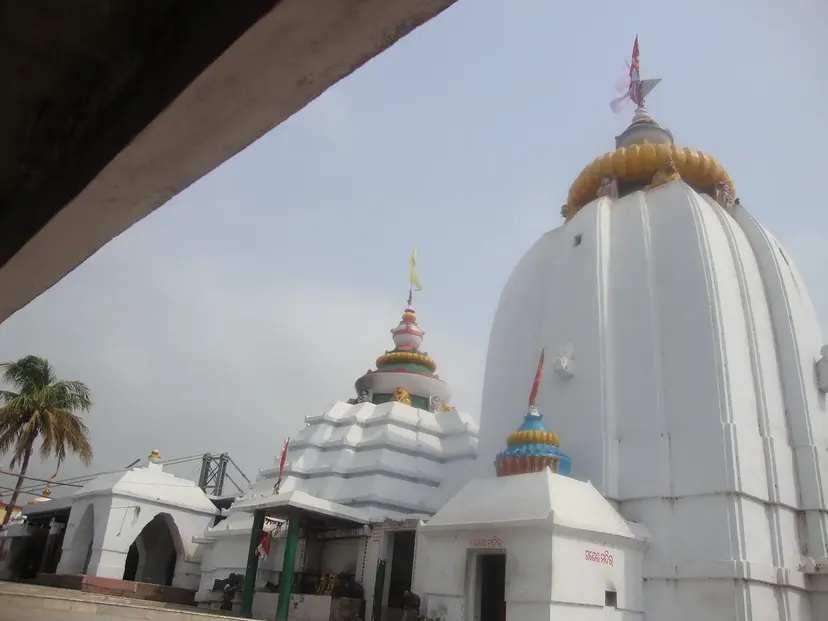
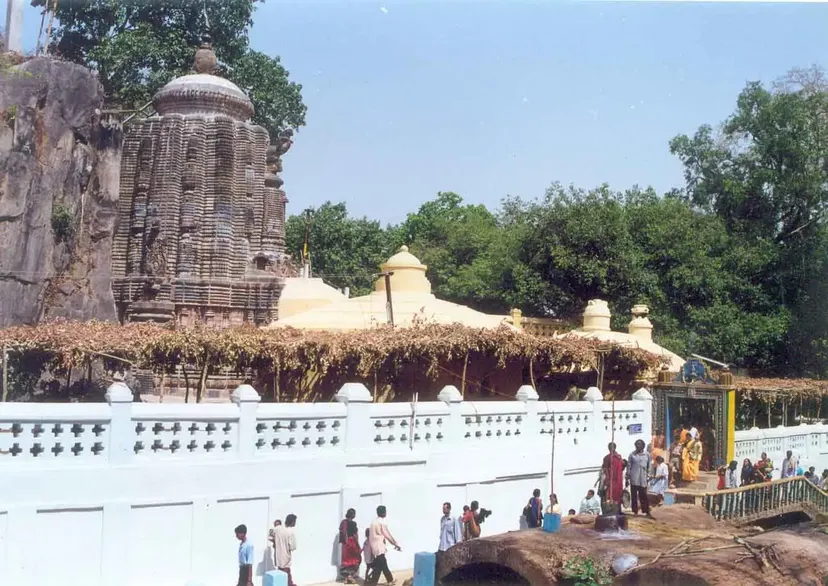
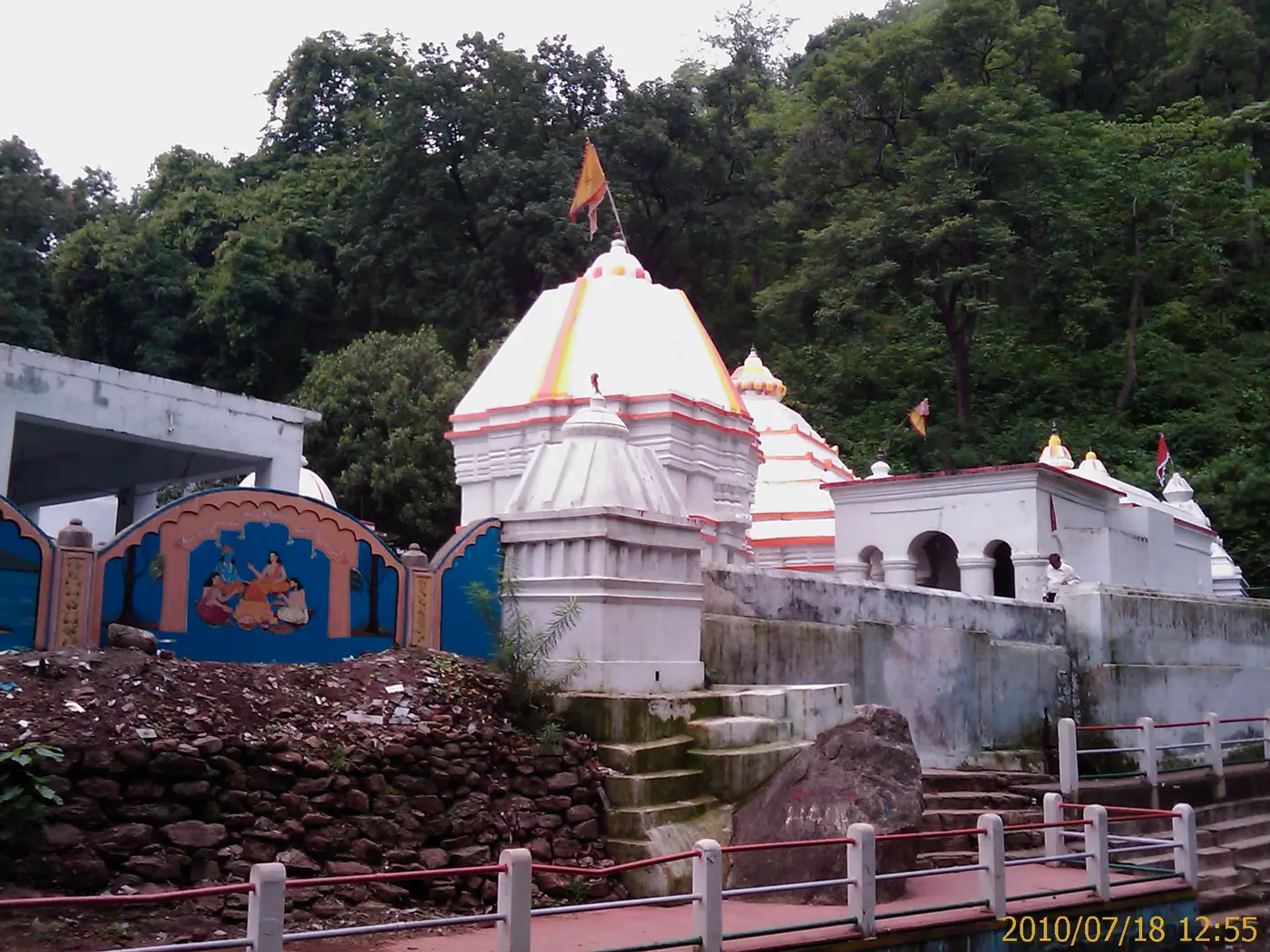
Harishankar Temple is a living temple in Balangir (Bolangir) district, Odisha, where the presiding deities are Hari (Krishna) and Hara, the latter in the form of a linga set in a circular base (Indira Gandhi National Centre for the Arts). Its name joins Hari, a name of Vishnu, with Shankar, a name of Shiva (DNA India). The temple stands at the foot of the Gandhamardan hills (Indira Gandhi National Centre for the Arts; Odisha Tourism), and Odisha Tourism notes the series of waterfalls on the slopes above it (Odisha Tourism).
Harishankar is both a religious site and a tourist destination, and thousands of devotees and tourists visit every day (Orissa Post). Aaj Tak describes it as a major religious place in western Odisha (Aaj Tak).
Faith & Tradition
Religious Significance of Harishankar Temple
The temple is worshipped as a shrine of both Hari and Hara (Indira Gandhi National Centre for the Arts), and the Orissa Post describes it as embodying the union of the Shaiva and Vaishnava traditions (Orissa Post). Marriage ceremonies are also held at the temple (Indira Gandhi National Centre for the Arts).
According to a local legend retold by the Orissa Post, a tribal man digging for roots found a mysterious stone with a spring beneath it, and Shiva then appeared to him in a dream; the king had the same dream, and the temple was built where the stone and the spring met (Orissa Post). This is a tradition, not a historical record.
The surrounding Gandhamardan hill was declared a biodiversity heritage site by the state in 2023 (Orissa Post). The Odisha government has also treated Harishankar, together with the Nrusinghanath temple, as one of two major temples in Balangir district to be developed for pilgrims and tourists (OdishaBytes).
Heritage
History of Harishankar Temple
The temple was built by Durlabha Devi, a queen of the Chauhan dynasty (Indira Gandhi National Centre for the Arts; Orissa Post); the IGNCA record names her as the queen of Vaijjala Deva II (Indira Gandhi National Centre for the Arts). It dates from the 15th century (Indira Gandhi National Centre for the Arts; Orissa Post), and the IGNCA record places it in the period of Chauhan rule over the Patnagarh state, dating it on architectural grounds (Indira Gandhi National Centre for the Arts).
A dancing Ganesha image in the temple complex is older than the present building and is dated to the 12th or 13th century (Indira Gandhi National Centre for the Arts). The temple has been renovated, and its inner walls and floor have been covered in marble (Indira Gandhi National Centre for the Arts).
In February 2021 a high-level committee sent by the state government visited Balangir to plan the development of the Harishankar and Nrusinghanath temples, discussing a master plan, a trekking route between the two temples, heritage conservation and pilgrim amenities (OdishaBytes).
Architecture and sacred features
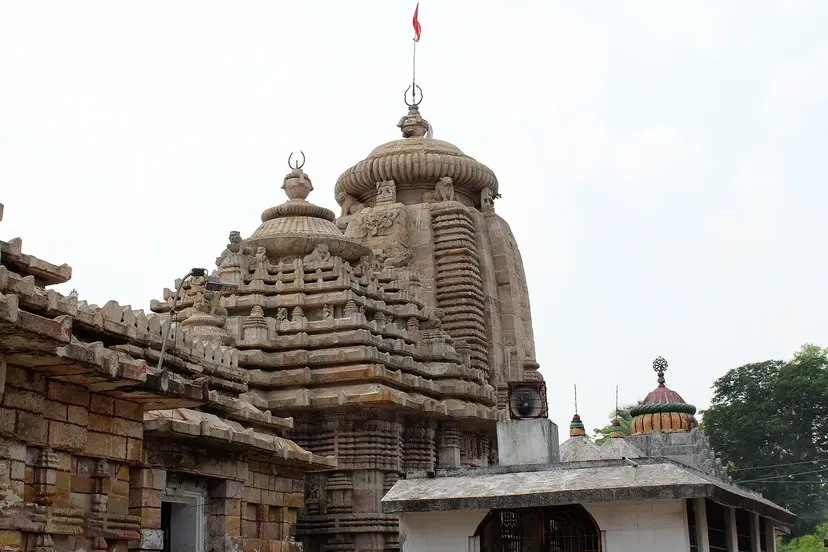
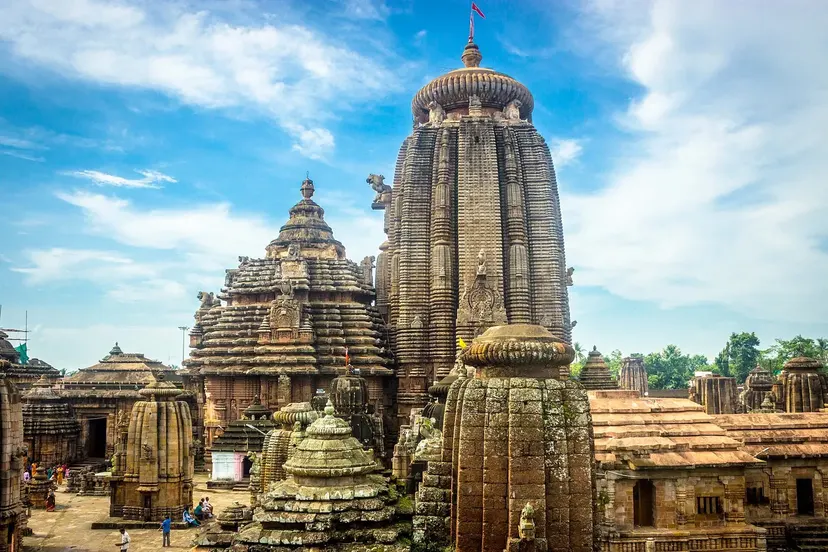
The temple consists of a rekha-style sanctum tower (vimana) and a pidha-roofed hall (jagamohana), which the IGNCA record describes as being of a simplified Kalinga order (Indira Gandhi National Centre for the Arts). Both parts are square in plan with a connecting passage between them, the temple faces west, and it is built of stone with lime plaster in dry ashlar masonry (Indira Gandhi National Centre for the Arts).
The exterior has almost no sculptural decoration, though traces of carved figures survive at the wall junctions, and much of the original detail is hidden under lime plaster and white paint (Indira Gandhi National Centre for the Arts). Movable images in the complex include a four-armed Ganesha and Nandi (Indira Gandhi National Centre for the Arts).
Plan Your Visit
Darshan and Visitor Information
Polythene and plastic are banned in the temple area under a campaign by the Bolangir Forest Division and the Harishankar Temple Trust, and visitors bathing at the waterfall are asked not to use soap or shampoo (Orissa Post). The stream can flood in heavy rain: in August 2019 a landslide sent boulders and mud down the hill while devotees were at the temple, though no injuries were reported (Aaj Tak), and the waterfall overflowed into the temple (DNA India). Confirm current arrangements with the Harishankar Temple Trust or the Balangir district administration before visiting.
Timings and arrangements change with seasons and festivals. Confirm current details with Harishankar Temple Trust before travelling. Last reviewed 11 October 2026.
Sacred Calendar
Festivals at Harishankar Temple
Shivaratri
Shivaratri is one of the main ritual occasions at the temple (Indira Gandhi National Centre for the Arts).
Nrusimha Chaturdashi
The IGNCA record lists Nrusimha Chaturdashi among the temple's main ritual occasions (Indira Gandhi National Centre for the Arts).
Location
How to Reach Harishankar Temple
The IGNCA record places the temple about 100 km from the district headquarters at Balangir and 35 km west of Patnagarh, with its postal address via Khaprakhol (Indira Gandhi National Centre for the Arts). Odisha Tourism's western Odisha itinerary pairs a visit to Harishankar with the Nrusinghanath hill temple, before continuing to Balangir town (Odisha Tourism).
Location: Harishankar (near Khaprakhol), Balangir (Bolangir), Odisha, India
More in Hindu temples in Odisha · Harishankar (Shiva and Vishnu) temples
Questions
Harishankar Temple: Frequently Asked Questions
Where is Harishankar Temple?
It is at the foot of the Gandhamardan hills in Balangir district, Odisha, about 35 km west of Patnagarh (Indira Gandhi National Centre for the Arts; Odisha Tourism).
Which deities are worshipped at Harishankar?
The presiding deities are Hari (Krishna) and Hara, worshipped as a linga (Indira Gandhi National Centre for the Arts). The name Harishankar combines names of Vishnu and Shiva (DNA India).
Who built Harishankar Temple and when?
It was built in the 15th century by Durlabha Devi, a queen of the Chauhan dynasty (Indira Gandhi National Centre for the Arts; Orissa Post).
What is the legend of Harishankar?
According to local tradition, a tribal man found a stone with a spring beneath it, Shiva revealed himself in a dream to him and to the king, and the temple was built at that spot (Orissa Post).
What is the temple's architectural style?
It has a rekha-style sanctum tower and a pidha-roofed hall in a simplified Kalinga style, built of stone with lime plaster (Indira Gandhi National Centre for the Arts).
Is plastic allowed at Harishankar?
No. The Bolangir Forest Division and the Harishankar Temple Trust have banned polythene and plastic in the temple area (Orissa Post).
What else is there to see at Harishankar?
Odisha Tourism highlights the waterfalls on the Gandhamardan slopes and a deer park at Harishankar (Odisha Tourism).
Sources and attribution
- © OpenStreetMap contributors — location data © OpenStreetMap contributors (ODbL)
- Wikidata Q5657930 — structured data (CC0)
- Wikipedia — Harishankar Temple — text facts from Wikipedia, licensed CC BY-SA 4.0
- Indira Gandhi National Centre for the Arts (Ministry of Culture) — Hari-Sankar Temple, Dist. Bolangir (Documentation format for Archaeological / Heritage Sites, OR/BLG-44)
- Odisha Tourism (Government of Odisha) — Western Odisha Glimpses
- Orissa Post — Harishankar shrine goes polythene, plastic free
- Orissa Post — Top 5 mind-blowing temple legends from Odisha that locals swear are true
- Aaj Tak — Odisha: Heavy rain triggers landslide near Harishankar temple in Balangir
- DNA India — Harishankar waterfall overflows due to heavy rainfall in Odisha's Balangir
- OdishaBytes — High-Level Committee Visits Balangir For Development Of Two Major Temples
Further reading: Harishankar Temple on Wikipedia (CC BY-SA 4.0).
Spotted an error? Write to info@hindutone.com — see our editorial policy.