Sri Kalahasti Temple
History and Significance of Sri Kalahasti Temple. Sri Kalahasti is one of the famous Lord Shiva temples located in the state of Andhra Pradesh, India.
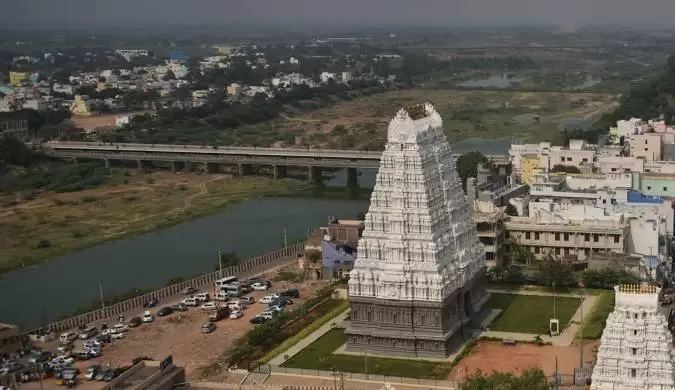
History and Significance of Sri Kalahasti Temple. Sri Kalahasti is one of the famous Lord Shiva temples located in the state of Andhra Pradesh, India.
History and Significance of Sri Kalahasti Temple.
Sri Kalahasti is one of the famous Lord Shiva temples located in the state of Andhra Pradesh, India. It is one of the most well-known temples of the Southern part of India and is known for the place where Kannappa gladly sacrificed both of his eyes to stop the flow of blood out of the Shiva Lingam.
He was not stopped by Lord Shiva. After the incident, Lord Shiva got happy with his devotion, gave him salvation. Kannappa is also called Kannappa Nayanar who was one of the 63 saints and the devotee of Lord Shiva.
Srikalahasti temple is located at a distance of around 36 km from the Tirupati Vekanna temple. Besides that, the temple is also regarded as “Dakshina Kasi” and “Rahu-Ketu-Kshetra”. The interior part of the temple was built during the 5th century while the outer part was built by Vijayanagara and Chola kings in the 12th century. Lord Shiva is worshipped as Kalahasteeswara in the form of Vayu Deva.
Let us discuss the history and significance of this glorious temple.
Here Lord Shiva is worshipped as the main deity, for him being the representation of one of the five primary elements in the form of water, fire, earth, space, and air. Srikalahasti temple is famous for the element Vayu and the other four which are Chidambaram or Space, Kanchipuram or Earth, Tiruvanaikkaval or Water, and Tiruvannamalai or Fire.
This temple is one of the very famous and honored religious places in South India. Sri Srikalahasti temple holds special respect especially by the devotees of Lord Shiva. The intense Purana and the great architecture make it a great experience for the devotees. Visiting this sacred religious place, besides giving a heavenly experience also releases the devotees from fault in their worldly adjustments.
According to Hindu scriptures, the temple is associated with the story of the three loyal devotees of Lord Shiva. The name Srikalahasti itself is taken from the name of all three devotees. Sri has been taken from the spider, Kala from the reptile, and Hasti from Elephant. It is believed that all the three were loyal worshippers of Lord Shiva and each of them offered pooja to Lord Shiva in their own way.
The elephant used to offer Abhishek to Lord Linga with water by bringing it from the nearby river, the spider used to wind around the Shiva linga, the strong thread so as to protect it from getting worsened. The Serpent on the other hand used to enrich the Shiva lingam by placing Naga Manikyam.
Once, while each of the three was trying to perform the pooja in their own way, they crossed each other’s path and the elephant thought the method of worshipping the spider is impolite and hence he splashed the thread the spider had weaved with his trunk full of water. By this, the serpent and spider got angry and thought of taking revenge, the serpent entered the trunk of the elephant and spread its venom.
The heat continued and the elephant smashed its trunk against the Shiva lingam and killed the serpent and in between the fight, the spider also dies by getting itself involved. In the end, the elephant dies because of the effect of the poison on its whole body caused by the Serpent. Looking at the sacrifices made by his true devotees, Lord Shiva got very much pleased and he gave salvation to the elephant and the Serpent and the Spider got rebirth as King to serve the spiritual task.
This history and significance marks as the reason for making thousands of devotees of Lord Shiva visit and get blessed. Make sure you also visit this sacred shrine in Andhra Pradesh.
How to Reach — Travel Guide — Srikalahasti Temple
✈️ By Flight
Tirupati International Airport (TIR, ~25 km) is the nearest. Pre-paid taxis to Srikalahasti take ~40 minutes via NH-71. Chennai Airport (130 km) is an alternative.
🚂 By Train
Srikalahasti Railway Station (KHT) is ~1 km from the temple; trains from Tirupati (35 min), Vijayawada, Chennai, Bengaluru. Tirupati Junction (35 km) has heavier connectivity.
🚌 By Bus
Srikalahasti APSRTC Bus Stand is ~500 m from the temple. Frequent services from Tirupati (1 hr, every 15 minutes), Chennai (4 hrs), Vellore, Renigunta.
🚗 By Road / Car
On NH-71 (Tirupati–Naidupet–Krishnapatnam). From Tirupati (35 km), Chennai (130 km), Bengaluru (280 km), Vijayawada (380 km).
Best Places to Visit Near Srikalahasti Temple
Combine your darshan at Srikalahasti Temple with these well-known nearby attractions for a complete pilgrimage and travel experience:
Tirumala Venkateswara Temple (35 km) — combine for the classic two-temple circuit.
Bhakta Kannappa shrine — Bhakta Kannappa, the hunter-saint who offered his eyes to Lord Shiva.
AdvertisementVeyilingala Kona Waterfalls (10 km) — small forest waterfall and natural Shiva linga formation.
Sahasra Linga Kshetram (15 km) — sacred grove with a thousand small lingas.
Kalahasti Pendalam — Kalamkari (UNESCO-listed natural-dye textile craft) market.
Sri Padmavathi Ammavari Temple, Tiruchanur (40 km) — Lord Venkateswara's consort.
All distances are approximate; please verify on Google Maps and check current road, weather and local conditions before travelling. For latest darshan timings and special pilgrim arrangements, refer to the temple's official authority website.
Frequently Asked Questions
Where is Sri Kalahasti Temple located?
History and Significance of Sri Kalahasti Temple. Sri Kalahasti is one of the famous Lord Shiva temples located in the state of Andhra Pradesh, India.
Who is the presiding deity of Sri Kalahasti Temple?
The temple's presiding deity and its significance are described in the guide above.
What are the timings and how do I reach Sri Kalahasti Temple?
Temples typically open early morning and evening; confirm current darshan timings before visiting. The nearest airport, railway station and road routes are covered in the guide above.
What is the best time to visit Sri Kalahasti Temple?
Major festival days and the cooler months are popular, though weekday mornings offer a calmer darshan. Plan around the temple's key festivals for the most vibrant experience.