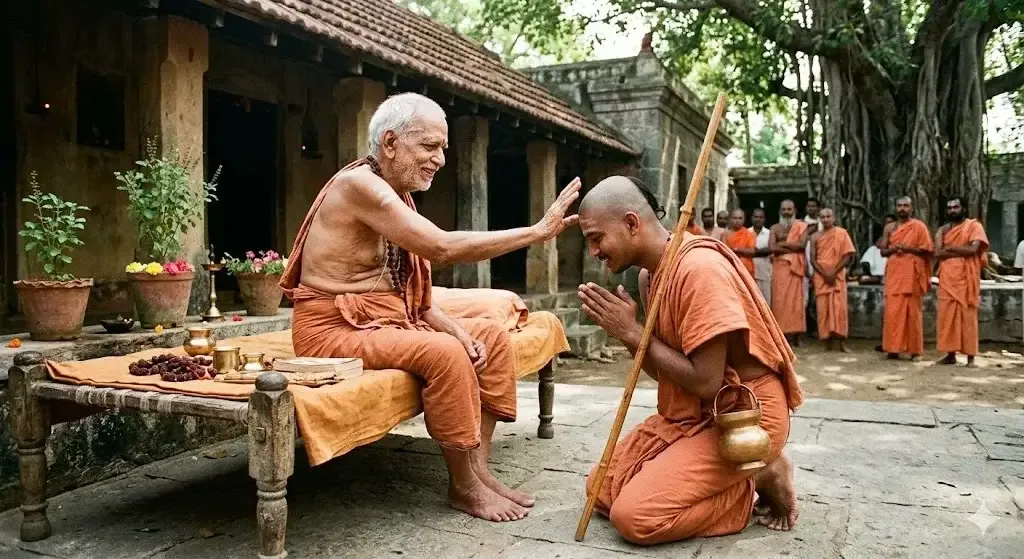
Sravana Masam in South vs. North India: Key Differences Explained
Sravana Masam, also known as Shravan or Sawan, is one of the holiest months in the Hindu calendar, revered for its spiritual significance and vibrant…

Sravana Masam, also known as Shravan or Sawan, is one of the holiest months in the Hindu calendar, revered for its spiritual significance and vibrant…
Sravana Masam, also known as Shravan or Sawan, is one of the holiest months in the Hindu calendar, revered for its spiritual significance and vibrant festivals. Falling between July and August, this fifth lunar month is dedicated to Lord Shiva, Goddess Lakshmi, and Lord Vishnu, offering devotees a time for fasting, prayers, and spiritual renewal. However, the way Sravana Masam is observed varies significantly between South and North India due to differences in lunar calendars and regional traditions. This article explores the key distinctions between the Amanta and Purnimanta calendars, festival variations, and the unique cultural practices of Shravan month in Telugu and Hindi regions, optimized for spiritual seekers visiting www.hindutone.com.
Understanding the Amanta and Purnimanta Calendars
The Hindu lunar calendar operates on two distinct systems: the Amanta and Purnimanta calendars, which determine the start and end of lunar months. These systems create a significant difference in the timing of Sravana Masam between South and North India.
- Amanta Calendar (South India): In the Amanta (or Amavasyant) system, the lunar month begins the day after the new moon (Amavasya) and ends on the next new moon. This calendar is followed in states like Andhra Pradesh, Telangana, Karnataka, Tamil Nadu, Maharashtra, and Gujarat. For 2025, Sravana Masam in South India, as per the Amanta calendar, spans from July 25 to August 23. This period aligns with the monsoon season, enhancing the spiritual ambiance with lush greenery and rains, symbolizing purification and renewal./festivals/sravana-masam-2025-dates-rituals-and-why-its-the-holiest-month-for-hindus/https://www.prokerala.com/general/calendar/telugucalendar.php?year=1947&mon=shravana
- Purnimanta Calendar (North India): In the Purnimanta system, the lunar month starts the day after the full moon (Purnima) and ends on the next full moon. This calendar is prevalent in North Indian states such as Uttar Pradesh, Rajasthan, Bihar, Madhya Pradesh, Himachal Pradesh, and Punjab. In 2025, Sravana Masam in North India runs from July 11 to August 9, starting approximately two weeks earlier than in the South./festivals/sravana-masam-2025-dates-rituals-and-why-its-the-holiest-month-for-hindus/https://rudralife.com/blog/shravan-month/
The 15-day difference arises because the Purnimanta calendar begins with the full moon, while the Amanta calendar starts with the new moon. Despite this temporal shift, the festivals and rituals observed during Sravana Masam are tied to specific lunar days (tithis), ensuring that the spiritual essence remains consistent across regions, though the dates and cultural expressions differ.https://www.shriastrotime.com/blogs/amanta-vs-purnimanta-understanding-the-two-hindu-lunar-month-systems-in-india
Festival Variations in Sravana Masam
Sravana Masam is a spiritually charged period packed with festivals and rituals dedicated to various deities. While both South and North India share a deep devotion to Lord Shiva, the festivals and their regional flavors vary significantly, reflecting local traditions and cultural nuances.
South India: Telugu and Other Regional Festivals
In South Indian states like Andhra Pradesh and Telangana, Sravana Masam is a time of vibrant rituals, with a strong focus on Goddess Lakshmi and family-oriented worship. The Telugu calendar, rooted in the Amanta system, emphasizes the following key festivals:
- Mangala Gauri Vratam: Observed on Tuesdays (July 29, August 5, 12, and 19, 2025), this vrat is dedicated to Goddess Parvati, also known as Mangala Gauri. Married women perform this ritual to pray for the longevity and prosperity of their husbands. The puja involves offerings of flowers, turmeric, and kumkum, accompanied by chanting mantras like “Om Gauri Shankaraya Namaha.” This vrat is particularly popular in Telugu households, fostering devotion and family harmony.https://sakalam.org/shravana-masam/https://www.hindu-blog.com/2010/07/shravana-masa-2010-telugu-sravana-masam.html?m=1
- Varalakshmi Vratam: Celebrated on August 8, 2025, this festival honors Goddess Lakshmi, the deity of wealth and prosperity. Married women in South India, especially in Andhra Pradesh, Telangana, and Karnataka, perform elaborate pujas with offerings of cowrie shells, yellow fruits, and sweets. The evening puja, typically after 6:00 PM, includes chanting “Om Sri Mahalakshmyai Namaha” and is believed to bring abundance and divine grace./festivals/sravana-masam-2025-dates-rituals-and-why-its-the-holiest-month-for-hindus/https://rudralife.com/blog/shravan-month/
- Naga Panchami: Observed on July 29, 2025, this festival venerates serpent deities, with devotees offering milk and sweets to snake idols or near anthills. It symbolizes respect for nature and prayers for family well-being, particularly for brothers. In Telugu regions, it’s also known as Nagula Chavithi, accompanied by dishes like Guggillu (sundal), a protein-rich snack made from chickpeas or peanuts./festivals/sravana-masam-2025-dates-rituals-and-why-its-the-holiest-month-for-hindus/https://aahaaramonline.com/shravana-masam-shravan-festival-dates-recipes/
- Sri Krishna Janmashtami: Celebrated on August 16, 2025, this festival marks the birth of Lord Krishna. In Telugu households, devotees fast, sing bhajans, and prepare special dishes like Paramannam (a kheer-like dessert made with rice, coconut, and milk). Temples are adorned with swings (jhulans) for the Jhulan Yatra, reflecting Krishna’s playful nature.https://en.wikipedia.org/wiki/Shravana_%28month%29https://www.hindu-blog.com/2010/07/shravana-masa-2010-telugu-sravana-masam.html?m=1
- Polala Amavasya: Observed on August 23, 2025, this new moon day is significant in Andhra Pradesh and Telangana, where farmers honor their cattle, particularly bulls, with worship and decorations. It’s a time to express gratitude for agricultural prosperity.https://www.hindu-blog.com/2010/07/shravana-masa-2010-telugu-sravana-masam.html?m=1
South Indian rituals during Sravana Masam often emphasize feminine divine energy, with a focus on prosperity and family well-being. Devotees follow a satvik diet, avoiding non-vegetarian food, onions, and garlic, and prepare traditional Telugu dishes like Chintapandu Pulihora (tamarind rice) and Mokkajonna Guggillu (sweet corn sundal) for festivals.https://aahaaramonline.com/shravana-masam-shravan-festival-dates-recipes/
North India: Hindi and Regional Festivals
In North India, Sravana Masam, or Sawan, is predominantly dedicated to Lord Shiva, with grand celebrations and pilgrimages. The Purnimanta calendar shapes the festival schedule, with the following key observances:
- Shravan Somwar Vrat: Fasting on Mondays (July 14, 21, 28, and August 4, 2025) is a hallmark of North Indian Shravan celebrations. Devotees visit Shiva temples, perform Rudrabhishek with milk, curd, honey, and Bilva leaves, and chant mantras like “Om Namah Shivaya” and the Mahamrityunjaya Mantra. The Solah Somwar Vrat (16 consecutive Mondays) is popular among women seeking a virtuous spouse, inspired by Goddess Parvati’s penance.https://www.rudraksha-ratna.com/articles/shravan-monthhttps://rudralife.com/blog/shravan-month/
- Kanwar Yatra: A unique North Indian tradition, the Kanwar Yatra involves millions of devotees, known as Kanwariyas, walking barefoot to collect sacred Ganges water and offer it at Shiva temples. This physically demanding pilgrimage, peaking during Shravan, symbolizes pure devotion and is particularly prominent in states like Uttar Pradesh and Bihar.https://rudralife.com/blog/north-vs-south-shravan/https://nobilityshoppe.com/blogs/news/shravan-in-north-india-vs-south-india
- Hariyali Teej: Celebrated on August 1, 2025, this festival is popular in Rajasthan, Uttar Pradesh, and Bihar. Women dress in green, apply henna, and swing on decorated jhulas, praying for marital harmony and their husbands’ well-being. It celebrates the monsoon’s arrival and the union of Shiva and Parvati.https://rudralife.com/blog/north-vs-south-shravan/
- Raksha Bandhan: Observed on August 9, 2025, this festival, also known as Rakhi Purnima, celebrates the bond between siblings. Sisters tie a protective thread (rakhi) on their brothers’ wrists, who, in turn, vow to protect them. It’s a heartwarming tradition across North India, marked by family gatherings and sweets./festivals/sravana-masam-2025-dates-rituals-and-why-its-the-holiest-month-for-hindus/https://en.wikipedia.org/wiki/Shravana_%28month%29
- Nag Panchami: Celebrated on July 29, 2025, this festival involves worshipping snake deities with offerings of milk and sweets, similar to South India but with a stronger emphasis on temple rituals in the North.https://rudralife.com/blog/north-vs-south-shravan/
North Indian celebrations are marked by large-scale temple visits, processions, and community events. The Kanwar Yatra, in particular, sets the region apart, drawing millions to sacred sites like Haridwar and Varanasi. Devotees adhere to a satvik diet, focusing on fruits, milk, and sabudana-based dishes, aligning with spiritual purification.https://rudralife.com/blog/north-vs-south-shravan/
Mythological and Spiritual Significance
The spiritual potency of Sravana Masam is rooted in the Samudra Manthan (churning of the cosmic ocean), a pivotal event in Hindu mythology. During this churning, the deadly Halahala poison emerged, threatening the universe. Lord Shiva consumed the poison, earning the title Neelkanth (blue-throated), and saved creation. This act makes Shravan especially sacred for Shiva worship, as devotees believe his blessings are amplified during this month./festivals/sravana-masam-2025-dates-rituals-and-why-its-the-holiest-month-for-hindus/https://rudralife.com/blog/shravan-month/
Additionally, Sravana Masam aligns with the Sravana Nakshatra, Lord Vishnu’s birth star, and the monsoon season, symbolizing renewal and fertility. During Chaturmas, when Lord Vishnu is in Yognidra, Lord Shiva oversees the universe, making his worship particularly powerful. Goddess Lakshmi, born during the Samudra Manthan, is also revered, especially on Fridays (Shravan Sukravaram).https://sakalam.org/shravana-masam//sravana-masam/sravana-masam-2025-spiritual-practices-and-auspicious-activities-to-embrace/
Regional Practices: Telugu vs. Hindi Traditions
- Telugu Traditions (South India): In Andhra Pradesh and Telangana, Sravana Masam is a time for community pujas and family-oriented rituals. Women play a central role, performing vrats like Mangala Gauri and Varalakshmi for family prosperity. Temples host special abhishekams, and traditional foods like Paramannam and Guggillu are prepared. The focus on feminine deities like Lakshmi and Parvati reflects the region’s emphasis on household well-being.https://aahaaramonline.com/shravana-masam-shravan-festival-dates-recipes/https://www.hindu-blog.com/2010/07/shravana-masa-2010-telugu-sravana-masam.html?m=1
- Hindi Traditions (North India): In the Hindi belt, Shravan is synonymous with Shiva devotion, with the Kanwar Yatra and Shravan Somwar Vrat taking center stage. The region’s festivals, like Hariyali Teej and Raksha Bandhan, emphasize community bonding and monsoon celebrations. Large-scale temple events and processions create a festive atmosphere, drawing devotees from across the country.https://rudralife.com/blog/north-vs-south-shravan/https://nobilityshoppe.com/blogs/news/shravan-in-north-india-vs-south-india
Spiritual Practices for Sravana Masam 2025
To make the most of Sravana Masam, devotees can engage in the following practices:
- Fasting: Observe Shravan Somvar Vrat (Mondays) for Lord Shiva and Shravan Sukravaram (Fridays) for Goddess Lakshmi. Partial fasting with fruits, milk, and sabudana or austere fasting with only water is recommended.https://rudralife.com/blog/shravan-month/
- Temple Visits: Visit Shiva temples for Rudrabhishek or Lakshmi temples for puja. Offer Bilva leaves, milk, and honey to the Shiva Linga and chant mantras like “Om Namah Shivaya” or “Om Sri Mahalakshmyai Namaha.”https://rudralife.com/blog/shravan-month/
- Charity and Meditation: Perform charitable acts and meditate to align with the month’s spiritual energy. Wearing Rudraksha beads during Shravan enhances devotion.https://rudralife.com/blog/shravan-month/
- Festivals: Participate in regional festivals like Varalakshmi Vratam, Naga Panchami, or Raksha Bandhan to strengthen family and community ties./sravana-masam/sravana-masam-2025-spiritual-practices-and-auspicious-activities-to-embrace/
Conclusion
Sravana Masam 2025, from July 11–August 9 in North India (Purnimanta) and July 25–August 23 in South India (Amanta), is a time of profound devotion and cultural richness. Whether it’s the Shiva-centric Kanwar Yatra in the North or the Lakshmi-focused Varalakshmi Vratam in the South, the month unites devotees in their quest for spiritual growth. By understanding the Amanta and Purnimanta calendars and embracing regional festivals, devotees can deepen their connection to Lord Shiva, Goddess Lakshmi, and Lord Vishnu. Visit www.hindutone.com for more insights on Hindu traditions, puja guides, and spiritual practices to make your Sravana Masam unforgettable.
Frequently Asked Questions
When is Sravana Masam in South vs. North India?
Sravana Masam in South vs. North India is observed on its traditional tithi in the Hindu lunar calendar; refer to the year's panchang for the exact date in your region.
What is the significance of Sravana Masam in South vs. North India?
Sravana Masam, also known as Shravan or Sawan, is one of the holiest months in the Hindu calendar, revered for its spiritual significance and vibrant festivals. Falling between July and August, this fifth lunar month is dedicated to Lord Shiva , Goddess Lakshmi, and Lord Vishnu, offering devotees a time for fasting, prayers, and spiritual renewal.
How is Sravana Masam in South vs. North India celebrated?
Devotees observe it with puja, fasting or special offerings, visiting temples, chanting mantras, and gathering with family. Customs vary by region and tradition.
What should devotees do on Sravana Masam in South vs. North India?
Take a sacred bath, perform the day's puja and charity (dana), observe any prescribed fast, and chant mantras with sincere devotion.
You might also like
Meditation and Chanting on Dhanteras for Inner Peace and Prosperity
Jyeshtha Masam 2026: Dates, Significance, Festivals, Mantras, and Danas – Complete Guide
Shani Deva Temples Worldwide & Must-Performed Rituals — Complete Devotee's Guide