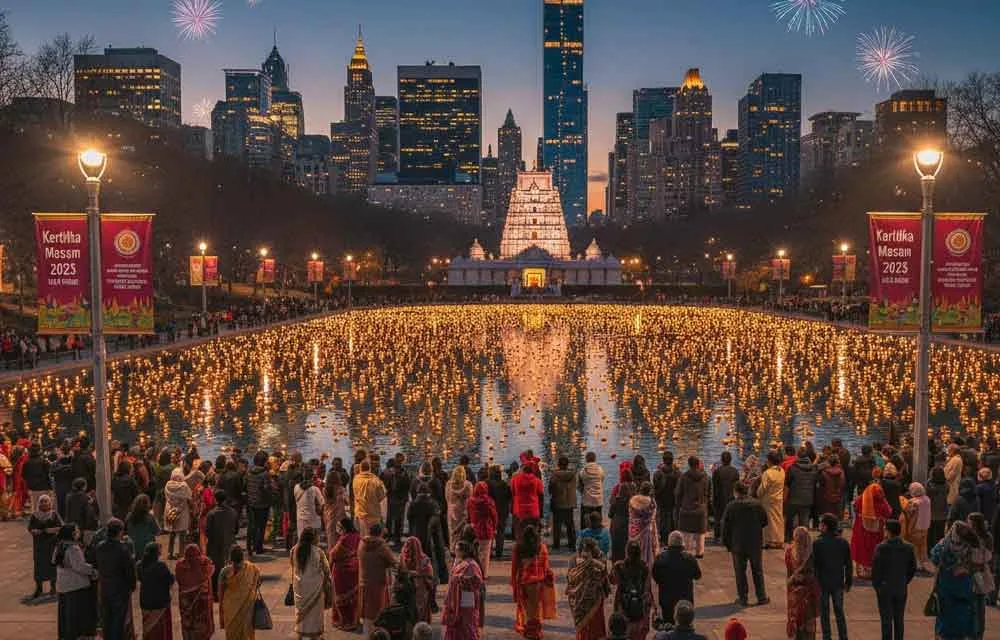
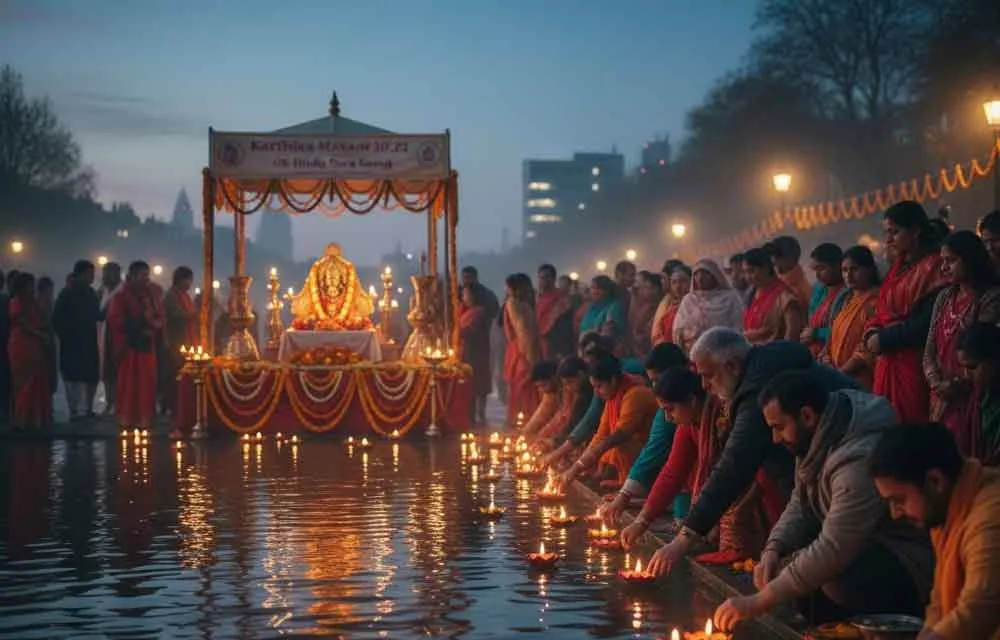
Hindu festivals are the rhythm of Sanatana life — markers that align the year with the solar (Surya) and lunar (Chandra) cycles, the planetary movements (graha gocharas), the harvest seasons and the puranic stories that frame each tithi. From Makara Sankranti at the winter solstice to Karthika Pournami at the autumn equinox, every month of the Hindu calendar contains festivals that bring families together, mark rites of passage, and refresh the connection between devotee and deity. HinduTone's Festivals hub publishes the complete 2026 calendar with exact dates, muhurat timings for each major event (in IST and major NRI timezones), step-by-step puja vidhi for home celebration, the puranic stories behind each festival, the regional variations (how the same festival is celebrated in Andhra vs Tamil Nadu vs Bengal vs Maharashtra), and the specific mantras and stotras prescribed for the day. Browse the major festival pillars individually: Diwali (the festival of lights and Lakshmi puja), Holi (the spring festival of colours), Navratri (the nine nights of Devi worship), Maha Shivaratri (the great night of Shiva), Sri Rama Navami (Lord Rama's birth), Hanuman Jayanti (Hanuman's birth), Ugadi (Telugu/Kannada New Year), Pongal (Tamil harvest festival), Karthika Masam (the sacred month of Shiva and Vishnu), Janmashtami, Ganesh Chaturthi and many more. We also cover the festivals that NRI Hindus celebrate abroad — Diwali in the USA, Holi in Australia, Navratri in the UK, and how regional Hindu temples worldwide adapt traditional rituals to local timezones and contexts.
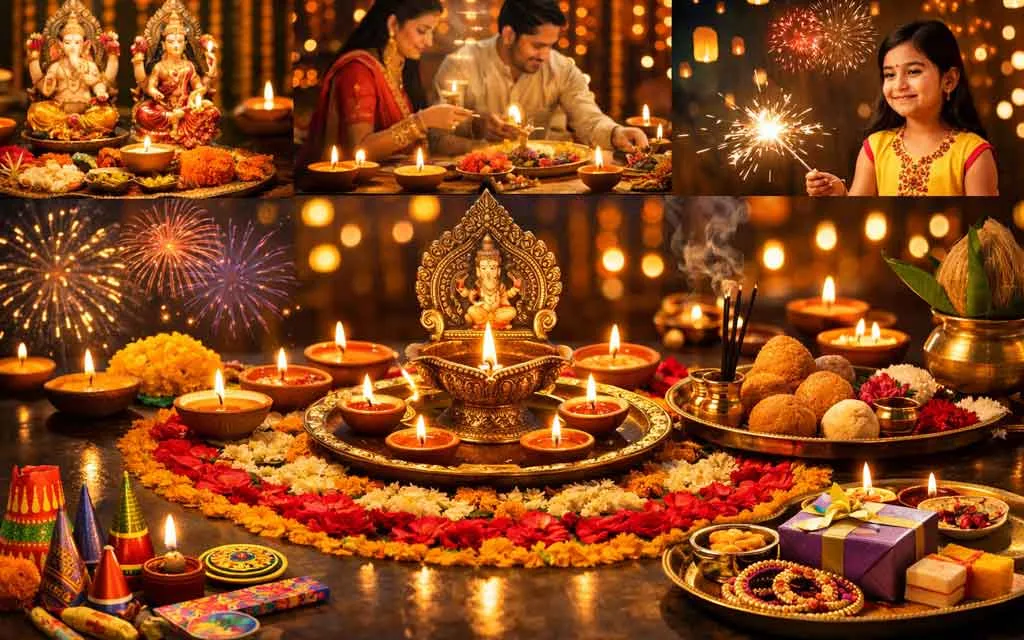
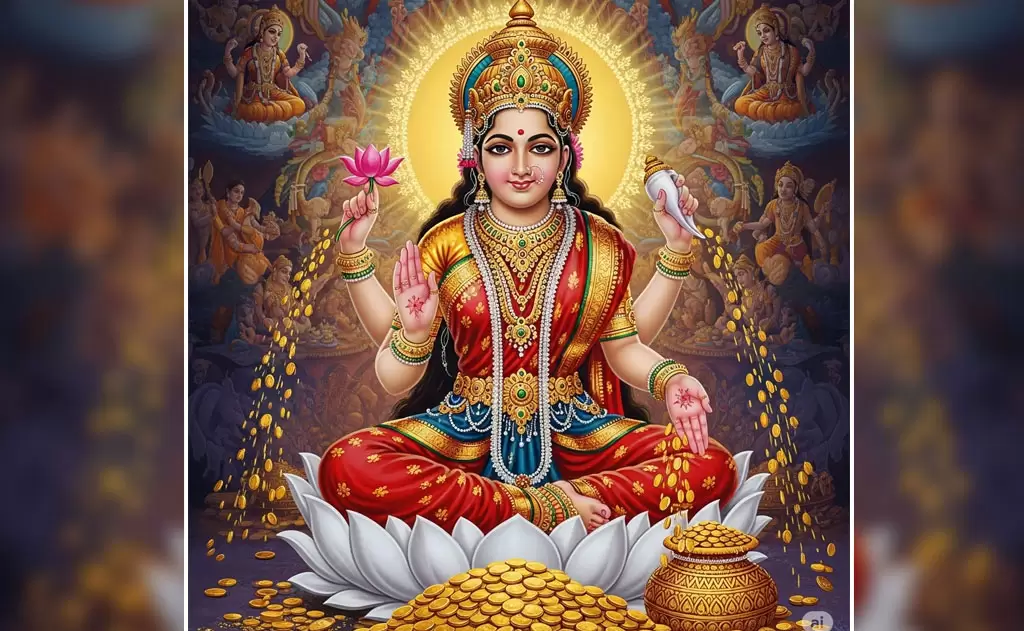
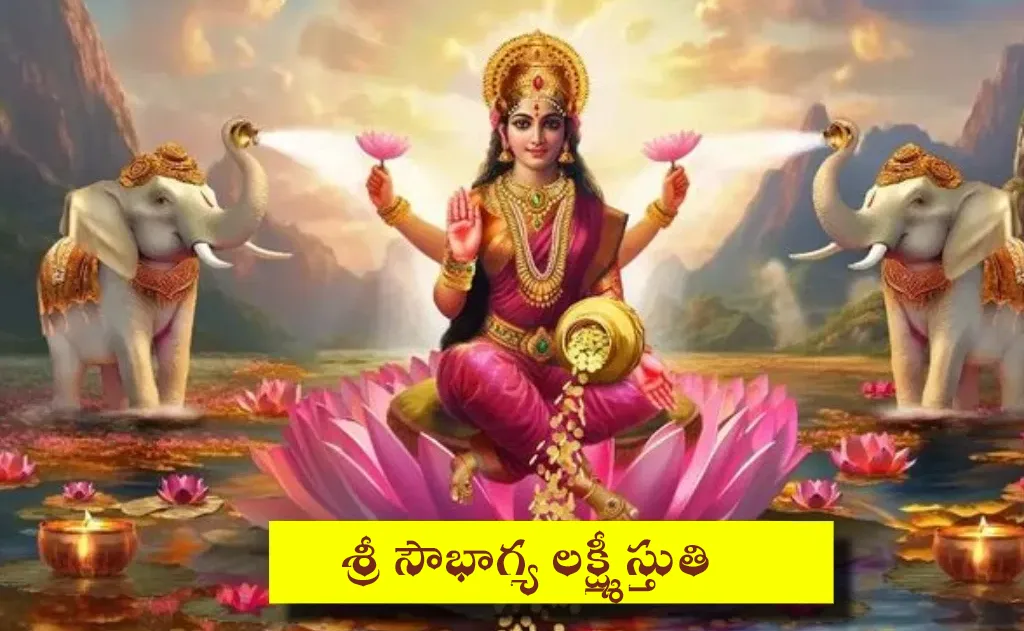

Diwali 2026 falls on Wednesday, 18 November (Lakshmi Puja). The 5-day festival runs from Dhanteras (15 Nov) through Bhai Dooj (19 Nov). Exact muhurat times for Lakshmi puja vary by city — check the muhurat calculator for your timezone.
Holi 2026 falls on Wednesday, 4 March. Holika Dahan (the bonfire night before) is Tuesday, 3 March. The festival marks the triumph of Prahlada's devotion over the rakshasi Holika and welcomes the arrival of spring.
Most Hindu festivals follow the lunar calendar (panchang) and fall on specific tithis (lunar dates) — e.g., Krishna Janmashtami on the 8th day of Krishna Paksha in Bhadrapada. Solar festivals (Sankranti, Pongal, Karthika Sankranti) follow the Sun's sign transitions. Dates shift across the Gregorian calendar each year.
Yes — North India often follows the Purnimanta calendar (month ends on full moon), South India the Amavasyanta (month ends on new moon). The same lunar event can land in different "months" by name. Most festivals are observed on the same astronomical day everywhere, with regional name variations.
Absolutely — most major festivals (Diwali, Holi, Navratri, Hanuman Jayanti) have well-documented home puja vidhis. HinduTone publishes step-by-step home guides for each major festival. Specialised rituals (yajnas, fire ceremonies, name-giving) traditionally need a trained priest.
