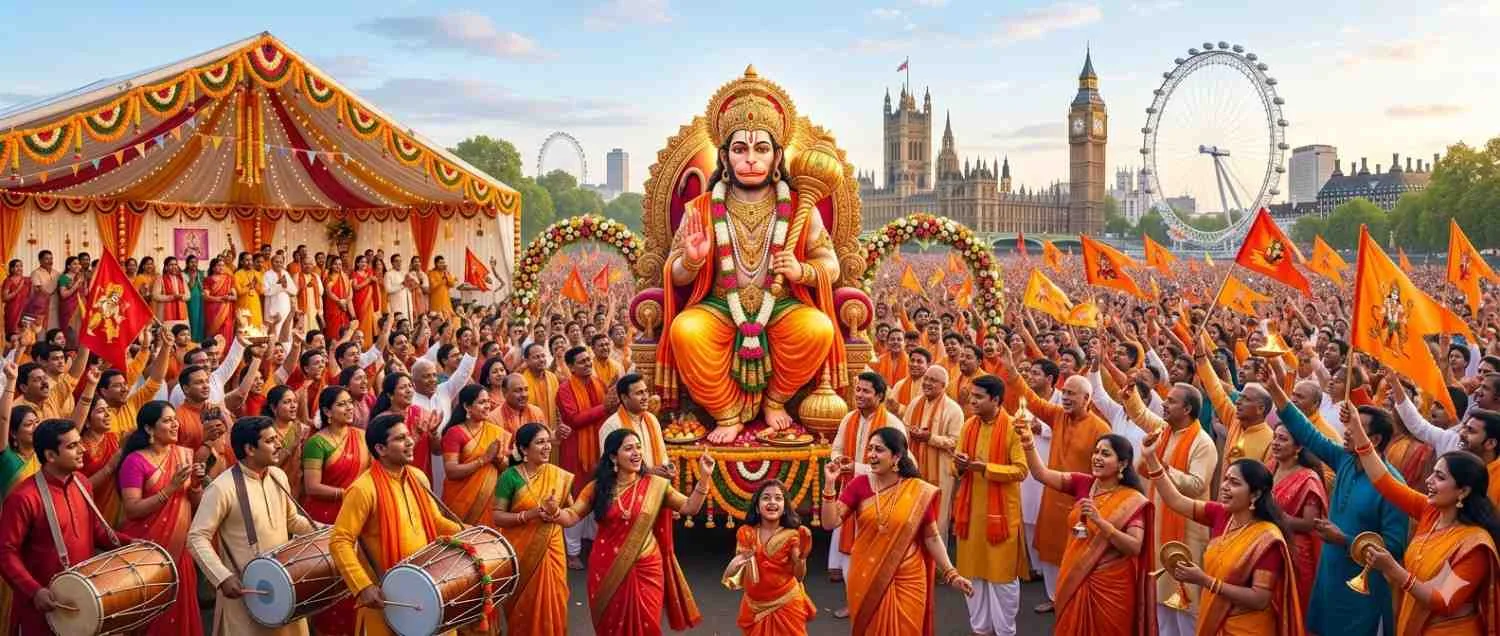
Hanuman Jayanthi 2026: Date, Puja Vidhi, Timings, Significance & Celebrations
When Is Hanuman Jayanthi 2026? Hanuman Jayanthi 2026 will be celebrated on Thursday, April 2, 2026, in most parts of North India, Maharashtra, and across the…
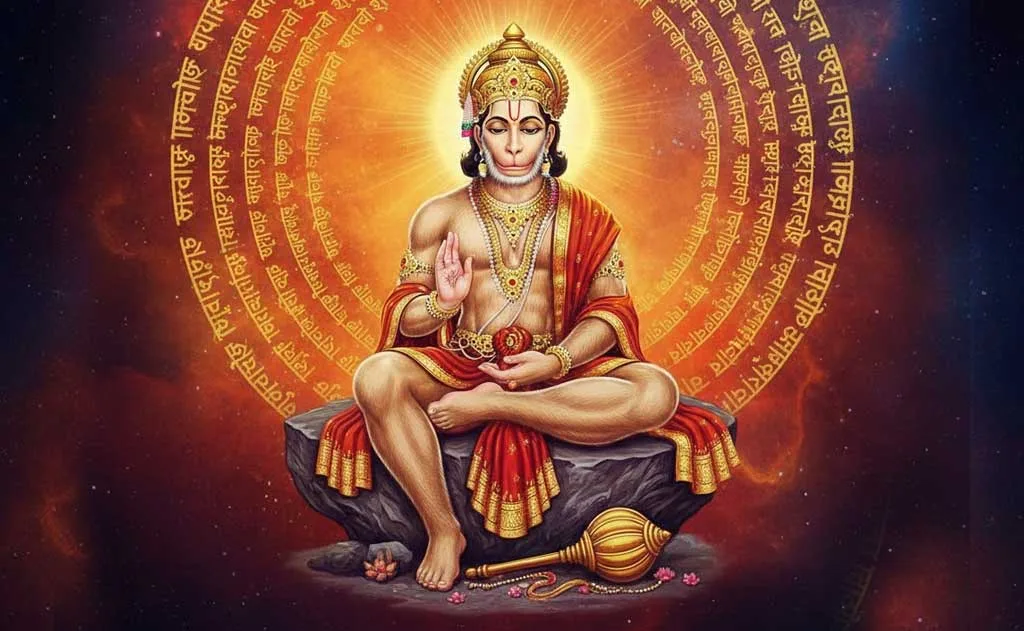
When Is Hanuman Jayanthi 2026?
Hanuman Jayanthi 2026 will be celebrated on Thursday, April 2, 2026, in most parts of North India, Maharashtra, and across the country. This date corresponds to the Purnima Tithi (Full Moon Day) of the Chaitra month in the Hindu lunar calendar — the most widely observed date for Hanuman Janmotsav.
Note: Timings may vary slightly by city. Devotees are advised to refer to their local Panchang for the precise puja muhurat in their region.
What Is Hanuman Jayanthi?
Hanuman Jayanthi, also known as Hanuman Janmotsav or Hanumath Jayanthi, is one of the most significant Hindu festivals celebrating the birth anniversary of Lord Hanuman — the divine Vanara God who is the supreme embodiment of strength, devotion, wisdom, and selfless service.
Lord Hanuman, revered as Bajrangbali, Anjaneya, Pavanputra, Sankat Mochan, and Mahavira, is among the most beloved deities in Hinduism. As the greatest devotee of Lord Rama and a central hero of the epic Ramayana, He symbolizes the boundless power of bhakti (devotion) and the strength that comes from complete surrender to the divine.
Hanuman Jayanthi is observed with great reverence across India through fasting, temple visits, recitation of the Hanuman Chalisa, special pujas, bhajans, and grand processions — all accompanied by the soul-stirring chant: "Jai Bajrang Bali!"
Significance of Hanuman Jayanthi
Why Is Hanuman Jayanthi Celebrated?
Hanuman Jayanthi commemorates the sacred birth of Lord Hanuman, who is said to have been born at sunrise on the full moon day of Chaitra. This is why temples begin spiritual discourses at dawn, before sunrise, and continue celebrations throughout the day.
Lord Hanuman teaches devotees:
- Strength and Courage — He lifted the Dronagiri mountain and carried it to save Lakshmana.
- Unwavering Devotion (Dasya Bhava) — He considered himself a humble servant of Lord Rama in all his deeds.
- Intelligence and Wisdom — He is described as bhudhimatam varishtham — supreme among the wise.
- Humility in Power — Despite his extraordinary capabilities, He remained selfless and ego-free.
- Protection from Evil — Hanuman is worshipped as a powerful protector who vanquishes malefic forces and negative energies.
Hanuman Jayanthi 2026: Special Significance
In 2026, Hanuman Jayanthi falls on a Thursday, which is associated with Lord Vishnu and Jupiter — a day of great spiritual merit. Worshipping Lord Hanuman on this day is believed to:
- Remove life's obstacles and hardships (Sankat Mochan)
- Grant inner strength, courage, and confidence
- Protect devotees from the malefic effects of Shani (Saturn / Shani Dosh)
- Bring wisdom, prosperity, and peace to households
The Origin and Birth Story of Lord Hanuman
According to Hindu scriptures, Lord Hanuman was born to Queen Anjana and King Kesari through divine grace. The Bhavishya Purana describes that Lord Shiva's divine energy was carried by Vayu Dev (the Wind God) to Queen Anjana, a deeply pious woman who had performed intense prayers for twelve years.
Another popular narrative from the Eknath's Bhavartha Ramayana recounts that a kite snatched a portion of the sacred payasam (pudding) that King Dasharatha had received for his wives during the Putrakameshti Yagna. Vayu Dev delivered this fallen portion to Anjana, and from this divine union, Lord Hanuman was born.
He is therefore revered as Anjani Putra (son of Anjana) and Vayu Putra (son of the Wind God). Upon birth, the infant Hanuman leapt toward the rising Sun, mistaking it for a ripe fruit — a story that beautifully illustrates his divine, fearless nature.
Hanuman Jayanthi Puja Vidhi (Worship Rituals)
Step-by-Step Puja Vidhi for Hanuman Jayanthi 2026
- Wake up before sunrise (Brahma Muhurat) and take a purifying bath.
- Clean the puja space and set up a picture or idol of Lord Hanuman.
- Offer a garland of red flowers (especially marigolds) and sindoor (vermilion), as both are dear to Lord Hanuman.
- Light a diya (lamp) with ghee or sesame oil in front of the idol.
- Offer panchamrit (a mixture of milk, curd, honey, ghee, and sugar) for abhishek (ritualistic bath of the idol).
- Recite the Hanuman Chalisa — ideally 7 or 11 times for maximum spiritual benefit.
- Chant the Hanuman Aarti (Aarti Kije Hanuman Lala Ki) and perform aarti with a lamp.
- Read or listen to Sundarkand — the most powerful chapter of the Ramayana, believed to remove negative energy and bring prosperity.
- Offer prasad such as besan laddoos, bananas, and Paan (betel leaves).
- Donate to the needy — feed the poor, offer sweets at temples, and perform acts of seva (service).
Most Auspicious Times for Puja
- Brahma Muhurat (early morning, around 4:30–6:00 AM) — most auspicious for Hanuman Chalisa recitation.
- Sunrise — since Lord Hanuman is believed to have been born at sunrise, this time is especially sacred.
- Abhijit Muhurat (midday, around 11:45 AM – 12:30 PM) — highly favorable for puja and havan.
- Pradosh Kaal (sunset) — ideal for evening aarti and Hanuman Chalisa.
Hanuman Jayanthi Fasting Rules (Vrat Vidhi)
Observing a fast (vrat) on Hanuman Jayanthi is a common tradition among devotees. Here are the key fasting guidelines:
Permitted Foods:
- Fruits (bananas, apples, grapes)
- Milk, curd (yogurt), and milk-based sweets
- Sabudana (tapioca pearls), nuts, and dry fruits
- Sendha Namak (rock salt) in place of regular salt
- Singhare ki atta (water chestnut flour) preparations
Foods to Avoid:
- Grains (rice, wheat, dal) if observing a strict fast
- Onion and garlic
- Non-vegetarian food
- Alcohol and intoxicants
- Regular table salt
Additional Practices:
- Maintain celibacy (Brahmacharya) throughout the day.
- Avoid cutting hair or nails on this day.
- Refrain from harsh speech or negative thoughts.
- The fast is traditionally broken in the evening after puja, or the next morning after sunrise.
Key Mantras & Prayers for Hanuman Jayanthi
Hanuman Moola Mantra
"Om Hanumate Namah"
Hanuman Gayatri Mantra
"Om Anjaneyaya Vidmahe, Vayuputraya Dhimahi, Tanno Hanumah Prachodayat"
Manoj Avam Mantra
"Manojavam Marutatulyavegam, Jitendriyam Buddhimatam Varishtham"
Opening Verse of Hanuman Chalisa
"Jai Hanuman Gyaan Gun Sagar, Jai Kapis Teehun Lok Ujagar"
Reciting the Hanuman Chalisa (40 sacred verses) on Hanuman Jayanthi is the most beloved spiritual practice among devotees worldwide.
How to Remove Shani Dosha on Hanuman Jayanthi
Lord Hanuman is believed to be a powerful protector against the malefic effects of Shani (Saturn). On Hanuman Jayanthi, devotees perform special rituals for Shani Dosh Nivaran:
- Offer mustard oil and black sesame seeds to Lord Hanuman.
- Recite the Hanuman Chalisa or Sundarkand Path.
- Visit a Hanuman temple and light a lamp with sesame oil.
- Donate black items (black blanket, sesame) to the underprivileged.
Regional Celebrations of Hanuman Jayanthi Across India
Famous Hanuman Temples to Visit on Hanuman Jayanthi 2026
- Sankat Mochan Hanuman Temple — Varanasi, Uttar Pradesh
- Salassar Balaji Temple — Salassar, Rajasthan
- Hanuman Garhi — Ayodhya, Uttar Pradesh
- Yadadri Lakshmi Narasimha Temple — Yadadri, Telangana (41-day celebration)
- Namakkal Anjaneyar Temple — Namakkal, Tamil Nadu
- Nanganallur Hanuman Temple — Chennai, Tamil Nadu
- Suchindram Thanumalayan Temple — Kanyakumari, Tamil Nadu
- Mahavir Mandir — Patna, Bihar
Hanuman Jayanthi Wishes & Greetings 2026
Share these heartfelt greetings with your loved ones on Hanuman Jayanthi 2026:
- "May Lord Hanuman bless you with unwavering strength, courage, and devotion. Jai Bajrang Bali! Happy Hanuman Jayanthi 2026!"
- "On this auspicious day of Hanuman Janmotsav, may Bajrangbali remove all obstacles from your path and fill your life with joy and peace."
- "Wishing you and your family the divine blessings of Lord Hanuman on this sacred Hanuman Jayanthi 2026. Jai Shri Ram!"
Frequently Asked Questions (FAQs)
When is Hanuman Jayanthi in 2026?
Hanuman Jayanthi 2026 is celebrated on Thursday, April 2, 2026 in most parts of India, corresponding to Chaitra Purnima. In Tamil Nadu and Karnataka, it is observed in the Margashirsha month (December–January).
Is Hanuman Jayanthi 2026 on April 1 or April 2?
The Purnima Tithi begins on April 1 at 07:06 AM and ends on April 2 at 07:41 AM. Since the Udaya Tithi (sunrise tithi) falls on April 2, the main celebration is observed on April 2, 2026.
Is Hanuman Jayanthi a public holiday?
It is a restricted holiday in many states but observed as a full public holiday in states like Uttar Pradesh and Punjab, depending on government notification.
What is the best time to chant the Hanuman Chalisa?
The best times are during Brahma Muhurat (early morning) or Pradosh Kaal (sunset). Chanting it 7 or 11 times on Hanuman Jayanthi is considered especially powerful.
Can women visit Hanuman temples on Hanuman Jayanthi?
Yes. Women can visit Hanuman temples and observe fasting with full devotion. There is no religious restriction when worship is performed sincerely and with faith.
What is Sundarkand and why is it recited on Hanuman Jayanthi?
Sundarkand is the fifth chapter of the Valmiki Ramayana, dedicated entirely to Lord Hanuman's deeds in Lanka. Reciting it on Hanuman Jayanthi is believed to remove negative energy, grant peace of mind, and bring prosperity and divine blessings to the household.
Conclusion
Hanuman Jayanthi 2026, falling on Thursday, April 2, is a powerful day to connect with the divine energy of Lord Hanuman — the eternal symbol of devotion, strength, wisdom, and protection. Whether you observe a fast, chant the Hanuman Chalisa, visit a temple, or simply offer a heartfelt prayer, the blessings of Bajrangbali are always available to those who call upon Him with sincerity.
May this Hanuman Jayanthi 2026 bring you strength in times of weakness, courage in times of fear, and peace in times of turmoil.
Jai Hanuman! Jai Bajrang Bali! Jai Shri Ram! [image: 🙏]
Tags:
Share this with family and friends
Send it on WhatsApp, post it, or copy the link.
More from Festivals
- Vasant Panchami 2027 (Saraswati Puja, Basant Panchami, Sri Panchami): Date, Panchami Tithi, Puja Muhurat by City, Vidhi and Story
- Holi 2027: Date, Holika Dahan Muhurat City-Wise, Bhadra Timings, Puja Vidhi and Holi Abroad
- Makar Sankranti 2027: Date, Punya Kaal Timings City-Wise, Bhogi, Pongal, Kanuma, Lohri and Uttarayan
- Dev Deepawali 2026 Varanasi: Date, Purnima Time, Ganga Aarti, Story, Puja Vidhi and Deep Daan
- Kartik Purnima 2026: Date, Purnima Time, Snan, Deep Daan, Puja Vidhi and Significance
You might also like
Hanuman Jayanti 2026 in UAE: Indian Community in Dubai, Abu Dhabi & Sharjah Celebrates Bajrangbali with Immense Devotion

Hanuman Jayanthi 2026 Date & Tithi (Global/NRI Perspective)
Telugu Hanuman Jayanti 2026 Celebrations Today: Grand Festivities Across India & USA on May 12