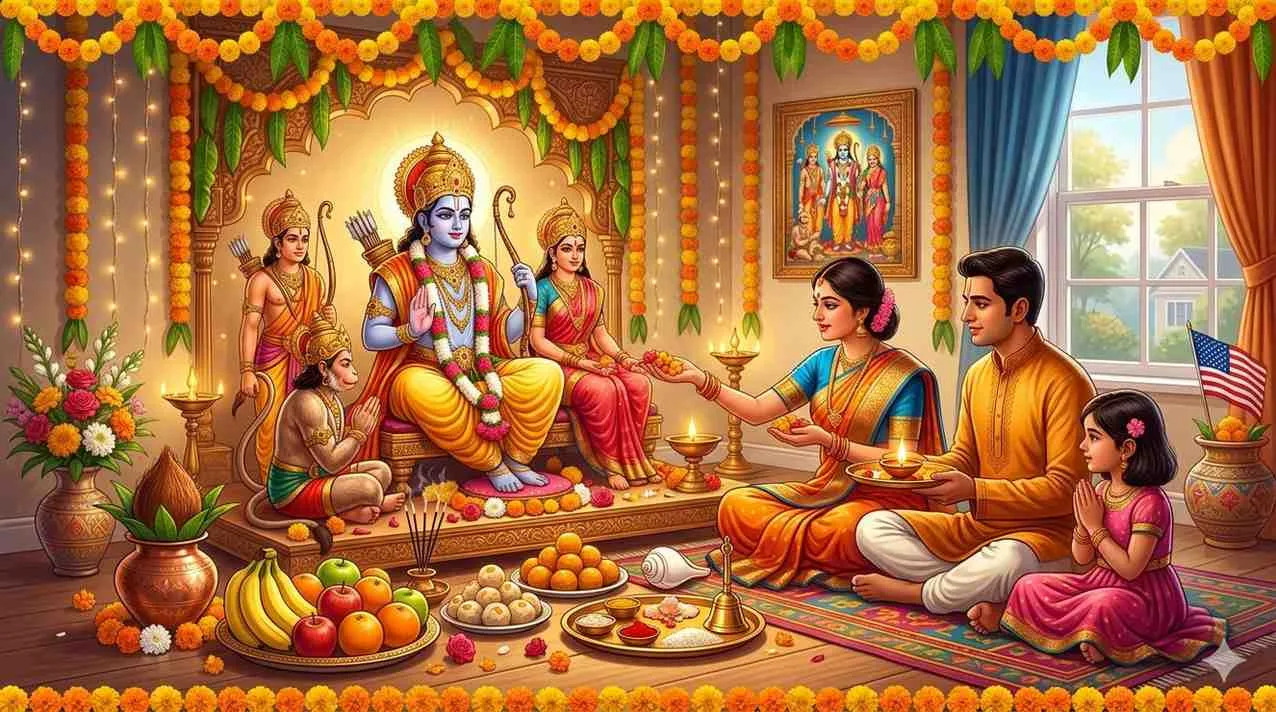
Decorating Your Puja Room for Margasira: Creating a Sacred Space
Decorating Your Puja Room for Margasira: Creating a Sacred Space The auspicious month of Margasira (also known as Margashirsha) holds special significance in…
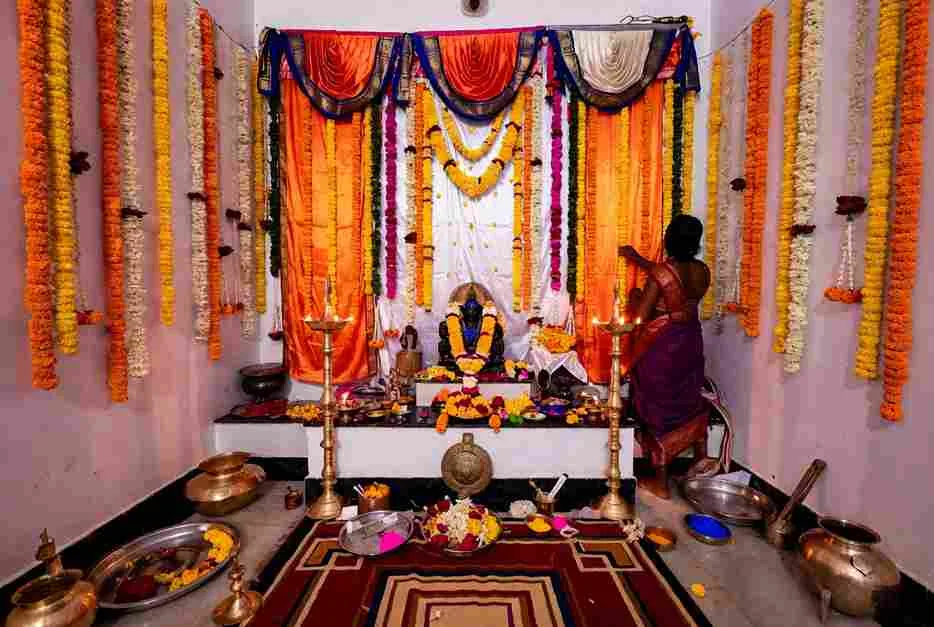
Decorating Your Puja Room for Margasira: Creating a Sacred Space
The auspicious month of Margasira (also known as Margashirsha) holds special significance in Hindu tradition as the month beloved by Lord Krishna. As devotees across America prepare for daily dawn prayers and spiritual observances, transforming your home altar into a divine sanctuary becomes an act of devotion itself. Whether you're a first-generation immigrant maintaining ancestral traditions or an American Hindu creating new practices, these puja room decor ideas will help you honor this sacred month with beauty and intention.
Understanding the Spiritual Significance of Margasira
In the Bhagavad Gita, Lord Krishna declares, "Of months, I am Margasira," elevating this winter month to divine status. Traditionally corresponding to November-December in the Gregorian calendar, Margasira marks the beginning of the spiritual harvest season when devotees wake before sunrise to offer prayers. Your puja room becomes the focal point of these daily rituals, making its decoration both a spiritual practice and a visual reminder of divine presence.
Essential Elements for Your Margasira Home Altar
1. Divine Imagery: Honoring Vishnu and Krishna
The centerpiece of your sacred space should feature Lord Vishnu or Krishna, the presiding deities of Margasira. Consider these approaches:
For Traditional Altars:
- Place a brass or marble murti (deity statue) of Lord Krishna with his flute, ideally 6-8 inches for home worship
- Include Radha-Krishna together to represent divine love
- Position Lord Vishnu in his reclining Ananta Shayana form or standing with conch and chakra
For Contemporary Spaces:
- Frame high-quality prints of Krishna in various forms: as baby Krishna (Bal Gopal), the divine cowherd, or the charioteer from the Mahabharata
- Create a gallery wall combining traditional Tanjore paintings with modern spiritual art
- Use a wooden carved panel depicting scenes from Krishna's life as a backdrop
Pro Tip for American Homes: If space is limited, a dedicated corner shelf or floating wall altar can serve beautifully. Many Hindu families in the US successfully maintain sacred spaces in converted closets or corner cabinets with proper lighting.
2. The Warm Glow of Diyas: Traditional Oil Lamps
Lighting diyas during Margasira symbolizes the dispelling of ignorance and the welcoming of divine light. Here's how to incorporate them effectively:
Traditional Brass Diyas:
- Arrange 5-7 small brass diyas in a circular or linear pattern on your altar
- Use ghee or sesame oil with cotton wicks for an authentic experience
- Light at least one diya during dawn prayers (Usha Kala) throughout Margasira
Safety-Conscious Alternatives:
- Battery-operated LED diyas offer the visual beauty without fire concerns—ideal for apartments or homes with children
- Place traditional diyas on brass or copper plates to catch drips and create an elegant presentation
- Use decorative diya stands at varying heights to create visual depth
Seasonal Touch: In colder American climates, the warm glow of diyas brings both spiritual and physical warmth to morning prayers, creating an especially cozy atmosphere during winter months.
3. Fresh Flowers: Nature's Offering
Fresh flowers represent purity, devotion, and the impermanence of material existence. For Margasira, specific flowers carry special significance:
Recommended Flowers:
- Tulsi leaves: Sacred to Lord Vishnu, these should be offered daily if you maintain a tulsi plant
- Marigolds: Available year-round in the US, their vibrant orange and yellow hues represent the sun's energy
- Roses: White for purity, yellow for devotion, red sparingly as it's typically reserved for Devi worship
- Jasmine: If available in your area, its fragrance and white color make it ideal for Krishna worship
- Chrysanthemums: A fall flower abundant in America during Margasira, perfectly suitable for altar decoration
Flower Arrangement Ideas:
- Create a garland to drape over your deity images
- Place fresh flowers in a brass kalash (water vessel) beside the deity
- Scatter petals in a decorative pattern around the base of murtis
- Change flowers every 2-3 days to maintain freshness and positive energy
Practical American Tip: Subscribe to a local flower delivery service or visit farmers' markets for affordable, fresh blooms. Grocery stores like Whole Foods and Trader Joe's often carry suitable flowers year-round.
4. Rangoli Designs: Sacred Geometry at Your Altar
Rangoli (also called kolam or alpana) brings auspicious patterns and colors to your sacred space. For Margasira, create designs that honor the month's significance:
Simple Rangoli for Beginners:
- Use white rice flour or store-bought rangoli powder in a small tray placed before the altar
- Create basic geometric patterns: lotus flowers, om symbols, or simple concentric circles
- Start with 5-dot or 7-dot patterns if you're learning traditional kolam techniques
Margasira-Specific Designs:
- Krishna's footprints (tiny feet with toe marks)
- Peacock feathers representing Krishna's crown
- The Sudarshana Chakra symbolizing Lord Vishnu
- Lotus flowers emerging from water
Modern Adaptations:
- Use stencils for consistent, beautiful patterns—available from Indian grocery stores or Amazon
- Create semi-permanent designs using acrylic rangoli stickers for busy households
- Place a decorative brass or wooden rangoli tray permanently beneath your deity for easy maintenance
American Household Consideration: If daily rangoli creation isn't feasible, designate Saturdays for elaborate designs, or create them only on special days like Gita Jayanti (celebrated during Margasira).
Color Palette for Margasira Decor
Align your puja room decor with colors that resonate with the season and deity:
- Deep Blues and Peacock Greens: Representing Krishna's divine form
- Gold and Yellow: Symbolizing spiritual illumination and prosperity
- White and Cream: For purity and peace
- Rich Maroons: Adding warmth suitable for the winter season
Use these colors in your altar cloth, cushions, wall hangings, and decorative elements.
Creating Layers: Building Visual Interest
A well-decorated home altar has depth and dimension:
- Background Layer: Hang a silk or brocade cloth in rich colors behind the deity area
- Platform Level: Use a raised wooden chowki or marble platform for deities
- Foreground Elements: Arrange diyas, incense holders, and small bowls for offerings at the front
- Overhead Elements: Suspend a decorative brass diya chandelier or fabric torans (door hangings) above the altar
Additional Sacred Space Elements
Incense and Aromatics
- Sandalwood incense sticks for daily worship
- Natural camphor for aarti ceremonies
- Essential oil diffusers with jasmine or rose for continuous gentle fragrance
Sacred Sounds
- Keep a small bell or ghanta for aarti
- Position a Bluetooth speaker nearby for playing bhajans and Krishna kirtans
- Consider morning recordings of Vishnu Sahasranamam during Margasira
Spiritual Texts
- Display a beautifully bound Bhagavad Gita on a decorative book stand
- Keep a small notebook for recording your spiritual insights during the month
- Place a daily prayer book or bhajan collection within easy reach
Maintenance and Daily Care
Your sacred space requires regular attention to maintain its spiritual potency:
Daily Practices:
- Wipe surfaces with a clean cloth each morning
- Replace water in kalash vessels
- Remove wilted flowers and food offerings
- Light at least one diya during prayer time
- Keep the area free from dust and clutter
Weekly Deep Cleaning:
- Polish brass items with tamarind paste or commercial brass cleaner
- Wash cloth items and replace if needed
- Clean deity murtis with water or panchamrit (milk, yogurt, ghee, honey, and sugar mixture)
- Reorganize altar items and refresh rangoli designs
Adapting to American Homes: Practical Solutions
For Apartments and Small Spaces
- Install a corner floating shelf with proper weight support
- Use a decorative cabinet that can be closed when not in use
- Create a portable altar in a beautiful wooden box that opens for worship
For Multi-Faith Households
- Designate a respectful, dedicated corner that doesn't conflict with other practices
- Use elegant, artistic presentations that appreciate universal spiritual aesthetics
- Maintain the space with the same reverence you'd offer in a traditional Hindu home
For Modern Minimalist Aesthetics
- Choose one exquisite deity murti rather than multiple items
- Use clean lines with quality materials: marble platforms, brass accents
- Incorporate hidden storage for puja items in sleek drawer systems
Sourcing Materials in America
- Indian Grocery Stores: Perfect for puja items, incense, and traditional decor
- Online Retailers: Amazon, Puja N Pujari, The Puja Shop for specialized items
- Local Resources: Michaels and Hobby Lobby for decorative trays, shelving, and craft supplies
- Temple Gift Shops: Support local mandirs while finding authentic items
Special Margasira Observances to Enhance Your Space
During Margasira, consider these special additions:
For Gita Jayanti (celebrated mid-Margasira)
- Create a special display honoring the Bhagavad Gita
- Arrange eighteen diyas representing the eighteen chapters
- Decorate with extra flowers and a special rangoli featuring Krishna and Arjuna
For Daily Dawn Prayers
- Prepare your space the night before so morning worship flows smoothly
- Keep a warm shawl nearby for early morning comfort during winter
- Set up a small table for your prayer book and offerings
Involving the Whole Family
Transform puja room decoration into a family spiritual practice:
- Children: Let them create simple rangoli designs or arrange flowers
- Teens: Involve them in researching Krishna stories to inspire decoration themes
- Partners: Share responsibilities for daily maintenance and special preparations
- Extended Family: Video call relatives during special prayers to share your beautifully decorated space
Conclusion: Your Sacred Space, Your Spiritual Journey
Decorating your puja room for Margasira isn't merely about aesthetics—it's an act of devotion that prepares your heart and home for deeper spiritual practice. Whether you create an elaborate traditional altar or a simple, modern sacred corner, what matters most is the intention and love you bring to the space.
As you light diyas in the pre-dawn darkness, arrange fragrant flowers, and trace sacred rangoli patterns, you're participating in an ancient tradition that connects you to millions of devotees worldwide. Your home altar becomes a bridge between the material and spiritual, between your American life and timeless Hindu wisdom.
This Margasira, let your sacred space reflect both your devotion and your unique journey as a Hindu in America. May Lord Krishna bless your home with peace, prosperity, and spiritual illumination throughout this auspicious month and beyond.
Ready to transform your puja room? Share your Margasira altar decorations with the HinduTone community using #MargasiraSacredSpace. We'd love to see how you've created beauty and devotion in your home this season.
For more inspiration on Hindu practices, festivals, and spiritual living in America, explore our collection of articles at HinduTone.com.
Frequently Asked Questions
Why is Margasira special for decorating the puja room?
In the Bhagavad Gita, Lord Krishna declares "Of months, I am Margasira." Devotees wake before sunrise for daily prayers, so the puja room becomes the focus of the month's rituals.
When is Margasira in the Gregorian calendar?
Margasira, also called Margashirsha, traditionally corresponds to November-December. It marks the beginning of the spiritual harvest season.
Which flowers are recommended for the Margasira altar?
Tulsi leaves are sacred to Lord Vishnu and offered daily if you have a plant. Marigolds, roses, jasmine and chrysanthemums also suit the altar, and flowers should be changed every 2-3 days.
Can I use LED diyas instead of oil lamps?
Yes. Battery-operated LED diyas suit apartments and homes with children. Traditional ghee or sesame oil diyas can sit on brass or copper plates, with at least one lit during dawn prayers.
How can I set up a puja room in a small American home?
Use a corner floating shelf, a closed cabinet or a portable wooden-box altar. Puja items are available at Indian grocery stores, online retailers and temple gift shops.
Which colors suit Margasira puja decor?
Deep blues and peacock greens represent Krishna's form, gold and yellow symbolize illumination, white and cream stand for purity, and rich maroons add winter warmth.
Share this with family and friends
Send it on WhatsApp, post it, or copy the link.
More from Margashirsha Masam 2025
- Margasira Masam 2025: Most Powerful Mantras to Chant Daily for Wealth, Health & Spiritual Growth
- Margashirsha Masam Friday Lakshmi Puja: Complete Guide to Rituals, Mantras & Benefits
- Margashirsha Masam 2025 in USA: Sacred Month of Krishna Bhakti and Divine Blessings
- Margashirsha Masam 2025 Tuesday Rituals: Complete Guide to Mangalvar Vrat, Hanuman Worship & Benefits
- Tiruppavai & Gita Jayanti: The Divine Connection of Margashirsha
You might also like
Magha Pournami Celebrations in USA: Hindu Guide 2026
February 2026 Hindu Festivals USA: Phalguna Masam Guide

Narasimha Jayanti 2026 in the USA: Date, Significance, Story, Rituals & Powerful Mantras for Hindu Devotees