Phalguna Purnima 2026: Date, Holi Connection, Lakshmi Jayanti & Chandra Darshan Rituals
Date and Timing Phalguna Purnima 2026 falls on Sunday, March 1, 2026.
Date and Timing Phalguna Purnima 2026 falls on Sunday, March 1, 2026.
Date and Timing
Phalguna Purnima 2026 falls on Sunday, March 1, 2026.
Purnima Tithi Begins: February 28, 2026
Purnima Tithi Ends: March 1, 2026
(Note: Exact timings vary by location. Devotees should consult local panchang for precise muhurat timings in their region.)
Significance of Phalguna Purnima
Phalguna Purnima is one of the most auspicious full moon days in the Hindu calendar. It marks the culmination of the Phalguna month and holds immense spiritual significance across various Hindu traditions. This sacred day is associated with multiple festivals and observances, making it a confluence of devotion, celebration, and spiritual renewal.
The Holi Connection
When Holi Occurs
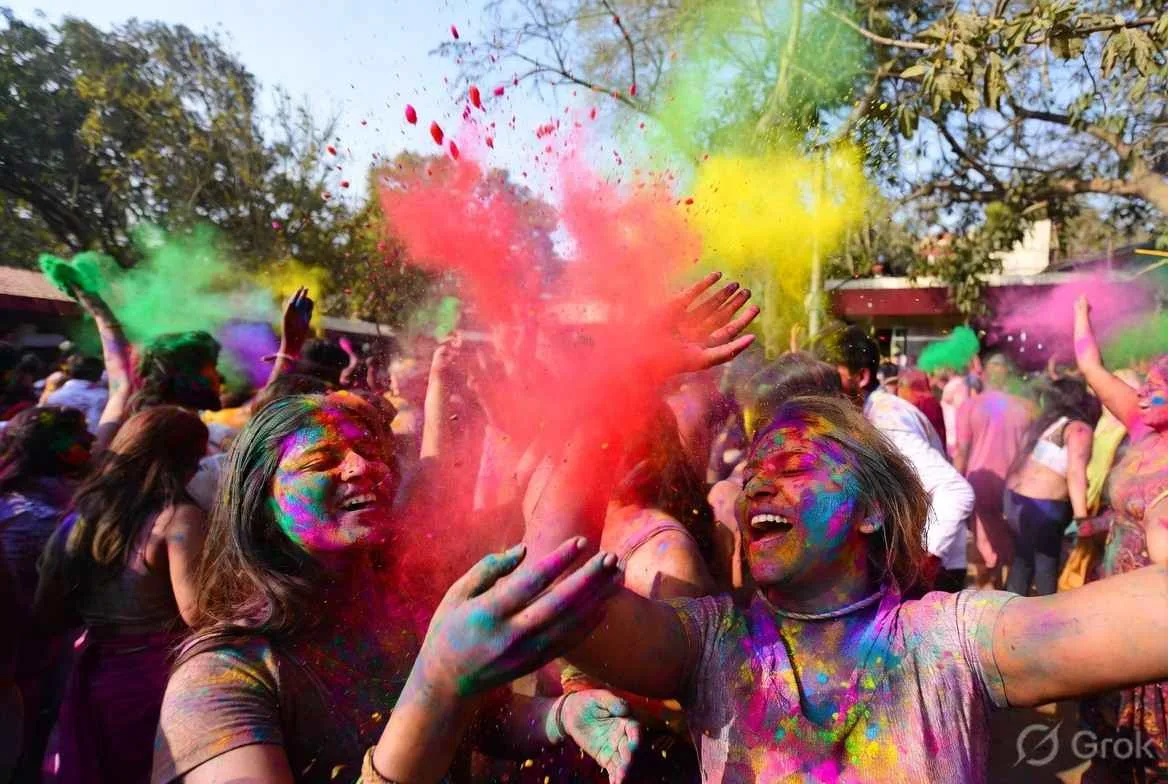
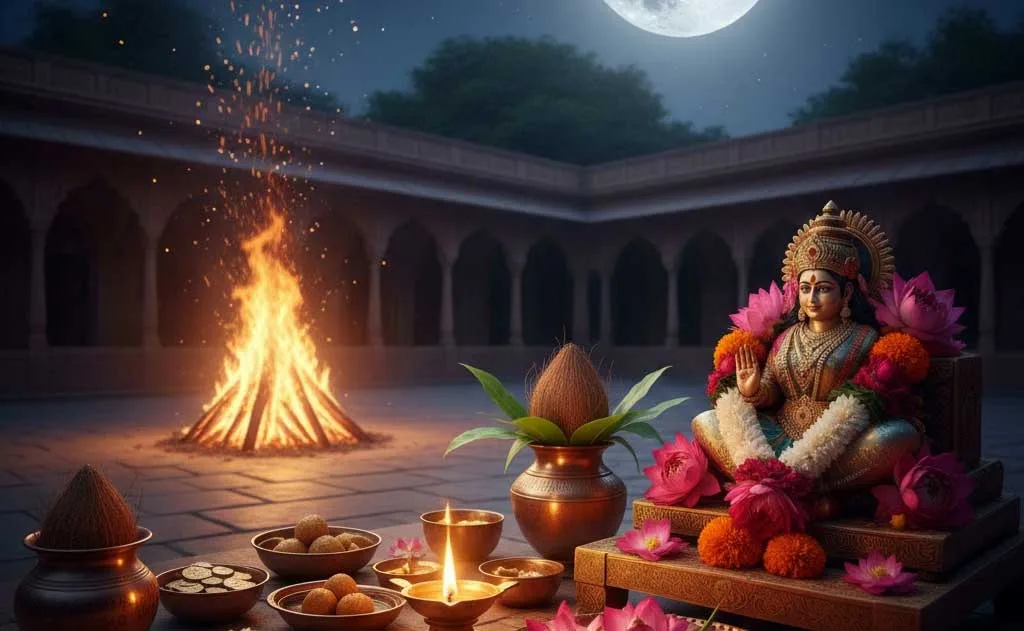
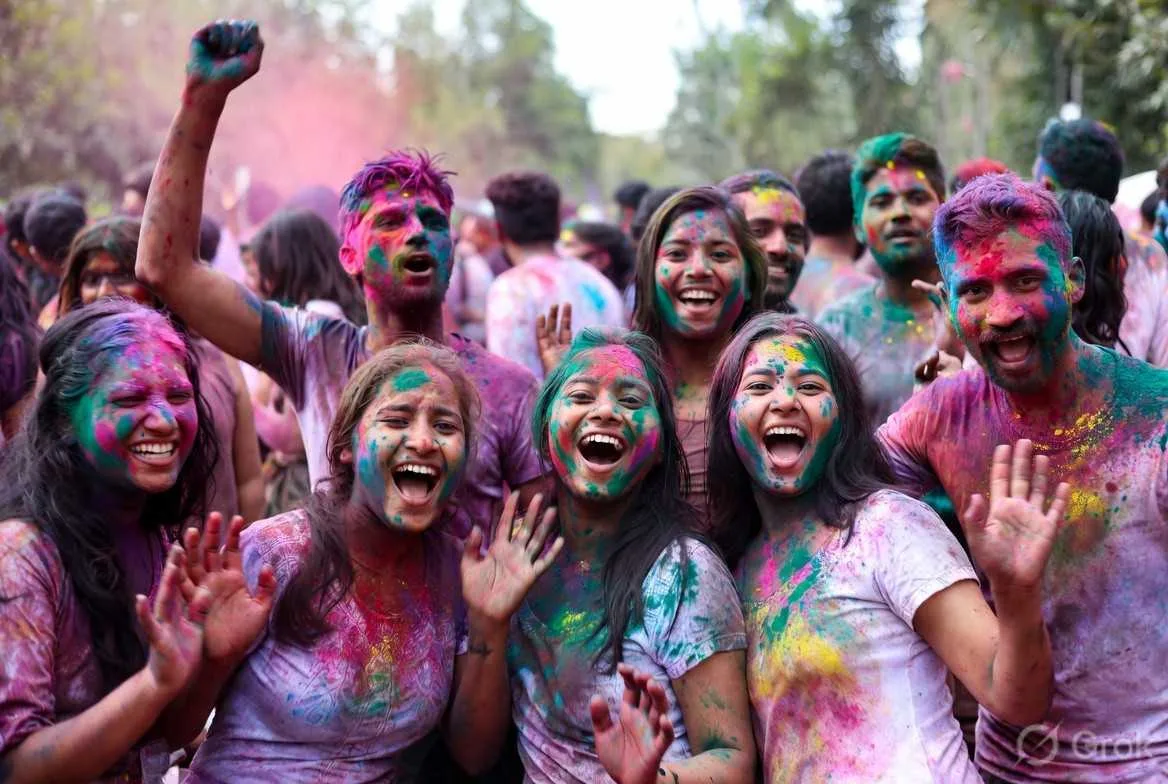
Phalguna Purnima has a direct connection with Holika Dahan, the bonfire ritual that precedes the colorful festival of Holi. Holika Dahan is observed on the evening of Phalguna Purnima, while Dhulandi (the playful color celebration) takes place the following day.
In 2026:
- Holika Dahan: Evening of March 1, 2026 (Phalguna Purnima)
- Holi (Dhulandi): March 2, 2026
The Legend Behind Holika Dahan
The ritual commemorates the victory of devotion over evil, symbolized by the story of Prahlad and Holika. Demon king Hiranyakashipu's sister Holika, who had a boon of immunity from fire, attempted to kill the devoted Prahlad by sitting with him in flames. However, divine intervention saved Prahlad while Holika perished, demonstrating that no power can overcome true devotion to the Divine.
Holika Dahan Rituals
- Preparation: Communities gather wood, dried leaves, and cow dung cakes days in advance
- Effigy Placement: An effigy of Holika is placed atop the pyre
- Lighting the Bonfire: The fire is lit during the auspicious muhurat on Purnima evening
- Circumambulation: Devotees circle the fire three to seven times, offering prayers
- Offerings: Coconuts, grains, and the first harvest are offered to Agni (fire god)
- Sacred Ash: The ashes from Holika Dahan are considered purifying and applied on the forehead
Lakshmi Jayanti Observance
Goddess Lakshmi's Birth
According to Hindu scriptures, Goddess Lakshmi, the deity of wealth, prosperity, and abundance, emerged from the cosmic ocean during Samudra Manthan (churning of the ocean) on Phalguna Purnima. While Diwali's Lakshmi Puja is more widely celebrated, devotees in certain regions observe this day as Lakshmi Jayanti.
Lakshmi Puja Vidhi on Phalguna Purnima
- Preparation: Clean and purify the puja area, preferably facing north or east
- Kalash Sthapana: Establish a sacred water pot decorated with mango leaves
- Idol/Picture: Place Goddess Lakshmi's idol or image on a clean altar
- Invocation: Light a ghee lamp and incense while chanting Lakshmi mantras
- Offerings: Present flowers (preferably lotus or marigold), fruits, sweets, and coins
- Mantras: Recite "Om Shreem Mahalakshmiyai Namah" 108 times
- Aarti: Perform aarti with a camphor or ghee lamp
- Prasad Distribution: Share blessed food with family members
Significance for Prosperity
Worshipping Goddess Lakshmi on her jayanti is believed to invite abundance, remove financial obstacles, and bring harmony to the household. This observance is particularly important for those beginning new business ventures or seeking blessings for material and spiritual prosperity.
Chandra Darshan (Moon Viewing) Rituals
The Sacred Moon on Purnima
Chandra Darshan, the viewing and worship of the full moon, holds special significance on Phalguna Purnima. The moon is at its fullest and brightest, symbolizing completeness, mental clarity, and emotional balance.
Chandra Darshan Puja Procedure
1. Preparation:
- Bathe and wear clean, preferably white or light-colored clothing
- Prepare offerings: white flowers, rice, water, milk, and white sweets
2. Moon Sighting:
- After moonrise, position yourself where the moon is clearly visible
- Stand or sit facing the moon with folded hands
3. Arghya (Water Offering):
- Fill a copper vessel with water, milk, white flowers, and rice
- Hold the vessel at chest level
- Offer arghya to the moon by slowly pouring water while chanting mantras
4. Chandra Mantras:
- "Om Shram Shreem Shraum Sah Chandraya Namah"
- "Dadhishankha Tusharabham Kshirodarnava Sambhavam, Namami Shashinam Somam Shambhor Mukuta Bhushanam"
5. Meditation:
- Meditate on the moon's calming energy
- Seek blessings for mental peace and emotional stability
6. Fasting:
- Many devotees observe a fast (either complete or partial) throughout the day, breaking it only after moonrise and puja
Benefits of Chandra Darshan
According to Vedic astrology and scriptures, Chandra Darshan on Purnima:
- Strengthens the mind and enhances mental clarity
- Balances emotions and reduces anxiety
- Improves relationships and social harmony
- Mitigates negative effects of Chandra (Moon) in one's horoscope
- Promotes overall health and well-being
Other Important Observances
Satyanarayan Puja
Many families perform Satyanarayan Katha and puja on Phalguna Purnima for blessings, prosperity, and fulfillment of wishes.
Holy Bath (Snan)
Taking a holy dip in sacred rivers like Ganga, Yamuna, Godavari, or Krishna on this day is considered highly meritorious and purifying.
Charity and Donations
Donating food, clothes, and money to the needy on Phalguna Purnima multiplies spiritual merit and brings divine blessings.
Vratas (Fasting)
Devotees observe various vratas on this day, abstaining from grains, salt, or all food until the moon is sighted and puja is completed.
Regional Variations
The celebrations and rituals of Phalguna Purnima vary across India:
- North India: Primary focus on Holika Dahan and Holi preparations
- South India: Greater emphasis on Lakshmi puja and temple visits
- Eastern India: Special observances in Shakti temples
- Western India: Community gatherings and cultural programs
Spiritual Significance
Phalguna Purnima represents:
- Completion: The end of winter and preparation for spring
- Renewal: Burning away negativity and welcoming fresh beginnings
- Devotion: Victory of faith over adversity
- Abundance: Gratitude for prosperity and blessings received
- Unity: Community celebrations bringing people together
Conclusion
Phalguna Purnima 2026 on March 1st offers devotees multiple opportunities for spiritual growth and celebration. Whether through Holika Dahan's purifying flames, Lakshmi Jayanti's prosperity blessings, or Chandra Darshan's calming rituals, this auspicious day invites us to honor tradition, strengthen faith, and embrace renewal as spring approaches.
May this Phalguna Purnima bring joy, prosperity, and spiritual illumination to all!
For more information on Hindu festivals, rituals, and spiritual practices, visit www.hindutone.com
Frequently Asked Questions
When is Phalguna Purnima in 2026?
Phalguna Purnima 2026 falls on Sunday, March 1, 2026. The tithi begins on February 28 and ends on March 1, and exact timings vary by location, so check the local panchang.
When are Holika Dahan and Holi in 2026?
Holika Dahan is observed on the evening of March 1, 2026, which is Phalguna Purnima. Holi, also called Dhulandi, follows the next day on March 2, 2026.
What is the story behind Holika Dahan?
As commonly told, Hiranyakashipu's sister Holika, who had a boon of immunity from fire, sat in flames with the devoted Prahlad. Prahlad was saved while Holika perished, showing the victory of devotion over evil.
How do I perform Lakshmi puja on Phalguna Purnima?
Clean the puja area, set up a kalash with mango leaves, light a ghee lamp and incense, and offer lotus or marigold flowers, fruits and sweets. Recite Om Shreem Mahalakshmiyai Namah 108 times and finish with aarti and prasad.
How is Chandra Darshan done on Phalguna Purnima?
After moonrise, face the moon and offer arghya from a copper vessel holding water, milk, white flowers and rice. Chant Om Shram Shreem Shraum Sah Chandraya Namah, meditate, and break the fast after the puja.
How do regions celebrate Phalguna Purnima differently?
North India focuses on Holika Dahan and Holi preparations, while South India emphasizes Lakshmi puja and temple visits. Eastern India has special observances in Shakti temples, and Western India holds community gatherings.
You might also like
Phalguna Purnima 2026: Tithi Timings, Rituals and Spiritual Importance
Maha Lakshmi Aarti Lyrics — Hindi, English & Transliteration
Holi 2026 Celebrations in Rome: Italy's Eternal City of Colors, Ancient Charm, and Growing Indian Diaspora