Phalguna Shudha Ekadashi 2026 (Amalaki Ekadashi): Date, Importance, Rituals, Puja & Fasting Rules
Phalguna Shudha Ekadashi — one of the most sacred Ekadashis in the Hindu calendar — is observed in 2026 on Friday, February 27.
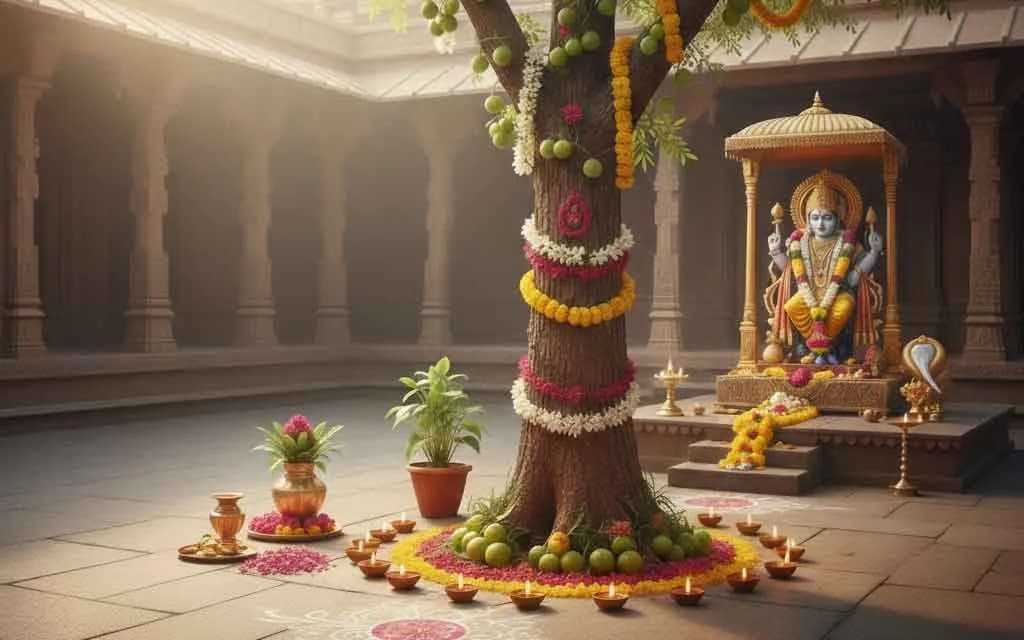
Phalguna Shudha Ekadashi — one of the most sacred Ekadashis in the Hindu calendar — is observed in 2026 on Friday, February 27.
Phalguna Shudha Ekadashi — one of the most sacred Ekadashis in the Hindu calendar — is observed in 2026 on Friday, February 27. Also known as Amalaki Ekadashi and Papanasini Ekadashi, this holy day is dedicated to Lord Vishnu and the sacred Amla tree. Read our complete guide on date, tithi, puja vidhi, vrat katha, fasting rules, and Parana time.
Quick Reference: Phalguna Shudha Ekadashi 2026 at a Glance
What is Phalguna Shudha Ekadashi (Amalaki Ekadashi)?
Phalguna Shudha Ekadashi — also called Amalaki Ekadashi and Phalgun Shukla Ekadashi — is dedicated to the worship of the sacred Amla tree (Indian Gooseberry). According to Hindu scriptures, Lord Vishnu is believed to reside in the Amla tree on this day.
Falling on the 11th day (Ekadashi) of the Shukla Paksha (waxing moon) in the month of Phalguna, this Ekadashi holds a unique position in the Hindu calendar — it arrives between two of Hinduism's greatest festivals: Maha Shivratri and Holi. This divine placement makes it an exceptionally spiritually charged occasion.
The significance of Amalaki Ekadashi finds its roots in the Brahmanda Purana, which extols the observance of this day as a means to dissolve sins, accumulate divine merit, and ultimately attain moksha (liberation). The Amalaki tree, regarded as an earthly manifestation of Lord Vishnu, becomes the centerpiece of the rituals performed on this day, symbolizing the harmony between nature and the divine.
Some regions in India also celebrate this Ekadashi as Papanasini Ekadashi (the one that destroys all sins). The day after Amalaki Ekadashi is known as Govinda Dwadashi and is considered highly auspicious. Devotees also worship Goddess Lakshmi on this day, and it is also believed that Lord Krishna and Goddess Radha reside near the Amla tree.
Date and Tithi Timings for Phalguna Shudha Ekadashi 2026
According to the Vedic Panchang, the Shukla Ekadashi tithi of the Phalgun month will begin at 12:33 AM on February 27 and conclude at 10:32 PM on the same day. Based on these timings, Amalaki Ekadashi will be observed on Friday, February 27, 2026.
Parana (Fast-Breaking) Time
The fast will be broken the following day, with Parana scheduled between 6:47 AM and 9:06 AM on Saturday, February 28, 2026. The Parana duration is 2 hours 19 minutes. The best time to break the fast is early morning within the Parana window.
Auspicious Yoga on This Day
Astrologers indicate that several favorable yogas, including Ayushman Yoga, will be present on the Ekadashi Tithi of the Shukla Paksha in Phalguna. Engaging in worship of Lord Vishnu during these auspicious times is believed to attract the blessings of Goddess Lakshmi, alleviating various life challenges.
Important Note: Tithi timings may vary slightly by region. Devotees in South India, Maharashtra, or outside India should refer to their local Panchang for precise timings.
Spiritual Importance of Phalguna Shudha Ekadashi
1. The Most Purifying Ekadashi
According to Maharishi Vasishtha, as recorded in the Brahmanda Purana: "He who faithfully observes a fast on this Ekadashi obtains enormous wealth, gets free of the effects of all kinds of sins, and attains liberation. Fasting on this Ekadashi is more purifying than donating one thousand cows in charity to a pure Brahmana."
This extraordinary spiritual merit makes Phalguna Shudha Ekadashi one of the most sought-after fasting days in all of Hinduism.
2. The Divine Significance of the Amla Tree
The Amla tree (Indian Gooseberry) is considered especially sacred because it originated from the mouth of Lord Vishnu himself. On Amalaki Ekadashi, the Amla tree is venerated as a direct manifestation of the Lord.
When devotees water, circumambulate, and pray to the Amla tree on this day, they are, in effect, offering their devotion directly to Lord Vishnu — making this one of the most accessible yet powerful forms of divine worship.
3. Liberation Is Guaranteed
As recorded in the Brahmanda Purana, anyone who observes Amalaki Ekadashi sincerely will "undoubtedly attain the supreme abode of Lord Vishnu." The scriptures place Vaikuntha (Vishnu's abode) as the ultimate reward — making this fast a rare opportunity for spiritual liberation.
4. Connection Between Holi, Shivratri, and Amalaki Ekadashi
Falling between Maha Shivratri and Holi, Amalaki Ekadashi offers a serene pause for introspection and devotion as devotees prepare for the vibrant colors of Holi and reflect on the transformative energy of Maha Shivratri. This day is a reminder of the harmony between humanity and nature, where the divine manifests in every living being and the cycles of life echo eternal truths.
The Vrat Katha (Sacred Story) of Amalaki Ekadashi
The story of Phalguna Shudha Ekadashi is narrated in the Brahmanda Purana and was told by Maharishi Vasishtha to King Mandhata.
The Kingdom of Vaidisha
There was once a kingdom named Vaidisha, where all the Brahmanas, Kshatriyas, Vaishyas, and Shudras were equally endowed with Vedic knowledge, great bodily strength, and fine intelligence. The whole kingdom was full of Vedic sounds, not a single person was atheistic, and no one sinned. The ruler of this kingdom was King Chitraratha (also known as King Pashabinduka), a member of the dynasty of Soma, the moon — very religious and truthful.
The Sacred Observance
In the month of Phalguna, the holy fast of Amalaki Ekadashi arrived, conjoined with Dvadashi. King Chitraratha realized that this particular fast would bestow especially great benefit, and thus he and all the citizens of Vaidisha observed this sacred Ekadashi very strictly, carefully following all the rules and regulations. After bathing in the river, the king and all his subjects went to the temple of Lord Vishnu, where an Amalaki tree grew. The king and his leading sages offered the tree a pot filled with water, as well as a fine canopy, gold, diamonds, rubies, pearls, sapphires, and aromatic incense. They worshipped Lord Parashurama with prayers and then prayed to the Amalaki tree: "Oh Amalaki, you are actually the form of Brahman, and you were once worshiped by Lord Ramachandra Himself. Whoever circumambulates you is therefore immediately freed of all his sins."
The Hunter Who Was Liberated
During the night vigil, a Bird Hunter came to that place — a great sinner who sustained his family through violence. He was extremely distressed with hunger and thirst. Sitting in a corner of the temple, he started listening to the story of Lord Vishnu along with the Ekadashi Mahatmya. In this way, the fowler spent the whole night keeping vigil along with the other devotees.
Although the hunter had committed great violence in his life and was destined for a painful rebirth, due to the accidental fast and vigil of Amalaki Ekadashi, he was reborn as Vasuratha — the son of King Viduratha. When he grew up, he started ruling ten thousand villages. He was like the Sun in radiance, like the Moon in brightness, like Lord Vishnu in bravery — extremely religious, truthful, courageous, and a devotee of Shri Hari Vishnu.
The Lesson: Even unintentional participation in Amalaki Ekadashi — simply by being present, listening to Vishnu's glories, and staying awake through the night — transformed a life of great sin into one of royal virtue and divine devotion. The power of Phalguna Shudha Ekadashi is truly limitless.
Puja Vidhi (Worship Procedure) for Phalguna Shudha Ekadashi
The Night Before: Dashami (Day Before Ekadashi)
The preparation begins a day before the actual fast:
- Take one simple meal in the afternoon on Dashami (10th lunar day) to ensure the stomach is clean by Ekadashi
- Avoid rice, onion, garlic, non-vegetarian food, and heavy meals
- Take a bath in the evening and offer prayers to Lord Vishnu
- Set a clean and sacred space for the Ekadashi puja
- Pluck Tulsi leaves and Amla a day in advance, as plucking them on Ekadashi itself is considered inauspicious
Step-by-Step Puja Vidhi on Ekadashi Day
Step 1 — Early Morning Preparation (Brahma Muhurta) Rise before sunrise, ideally during Brahma Muhurta (4:00 AM to 6:00 AM). Take a purifying bath. Wear clean, fresh clothes — yellow or white is preferred as these are associated with Lord Vishnu.
Step 2 — Sankalpa (Sacred Vow) By taking some sesame seeds and a coin in the palm, make a Sankalpa (sacred vow) before God, declaring the purpose and duration of the fast — typically for attaining moksha, removal of sins, or fulfillment of a divine wish.
Step 3 — Amla Tree Puja (Central Ritual) Worshipping the Amla tree forms the spiritual core of the day. Devotees offer prayers to Lord Vishnu in the presence of the tree and present Amla fruit during rituals. If possible, planting an Amla sapling or donating one is considered especially virtuous. Traditional belief holds that such acts help clear life's shortcomings and bring auspicious outcomes.
Offer the following to the Amla tree:
- Water (Arghya) from a Kalash (sacred pot)
- Fresh Amla fruits
- Flowers (yellow or white preferred)
- Incense sticks (Agarbatti)
- Ghee lamp (Deepam)
- Rice (Akshata) mixed with turmeric and kumkum
- Sandalwood paste (Chandan)
- Coconut
Step 4 — Kalash Sthapana (Sacred Pot Installation) Install a Kalash (sacred water pot). Decorate its neck with sandalwood. Cover it with a golden idol of Lord Vishnu, who is then worshipped all day. At the end of the fast, this urn and idol are given to a Brahmin as a sacred donation (Dana).
Step 5 — Lord Vishnu Puja Place a picture or idol of Lord Vishnu at the puja altar. Offer:
- Tulsi leaves (most sacred to Vishnu)
- Yellow flowers
- Panchamrit (milk, curd, honey, ghee, sugar) for Abhisheka
- Fruits and sweets as Naivedya (offering to God)
- Light a ghee lamp and incense
Step 6 — Tulsi Puja On Rangbhari Ekadashi (Amalaki Ekadashi), light 11 lamps near the Tulsi plant and chant the mantra "Mahaprasad Janani Sarva Saubhagyavardhini, Aadhi Vyadhi Hara Nityam Tulsi Tvam Namostute" 11 times. While offering water to Tulsi or plucking Tulsi leaves is prohibited on this Ekadashi, lighting lamps and chanting is considered deeply auspicious.
Step 7 — Conch Shell Abhisheka The conch shell carries symbolic value in Vishnu worship. On Amalaki Ekadashi, devotees fill a Dakshinavarti or regular conch with raw milk and Ganga water and perform Abhisheka of Lord Vishnu or Shaligram. Blowing the conch during worship is believed to invite peace, prosperity, and harmony into the home when performed with devotion and mantra chanting.
Step 8 — Vishnu Sahasranama and Mantras Recite the following sacred texts:
- Vishnu Sahasranama (1000 Names of Lord Vishnu)
- Om Namo Bhagavate Vasudevaya — the Dwadasakshari (12-syllable mantra) of Lord Vishnu
- Ekadashi Vrat Katha — the sacred story of Amalaki Ekadashi
- Bhagavad Gita (especially Chapter 15 — Purushottama Yoga)
Step 9 — Night Vigil (Jagaran) On the eve of Amalaki Ekadashi, devotees observe a Jagran by remaining awake all night and worshipping Lord Vishnu by reciting the Bhagavata Katha and singing bhajans and kirtans. Staying awake through the night in prayer and devotion on Ekadashi multiplies the spiritual merit of the fast many times over.
Step 10 — Dana (Charity) on Dwadashi On Dwadashi day (the day after Ekadashi), worshippers present Brahmins with food, Dakshina (fee), the Kalash, and an idol of Lord Vishnu. After offering donations to the poor and the needy, devotees then break their fast by consuming food and water after Parana and reciting the Vishnu Sahasranama.
Fasting Rules for Phalguna Shudha Ekadashi Vrat
General Ekadashi Fasting Rules
Ekadashi fasting spans for three days. Devotees take a single meal in the afternoon a day before the fasting day to make sure there is no residual food in the stomach on the next day. Devotees keep a strict fast on Ekadashi day and break the fast on the next day only after sunrise. Eating of all types of grains and cereals is prohibited during Ekadashi fasting.
Types of Fasting for Amalaki Ekadashi
Devotees may observe Amalaki Ekadashi in one of the following ways depending on their physical capacity and devotional intensity:
Nirjala (Strictest): No food and no water — only prayers and meditation throughout the day and night. This form yields the highest merit but should only be attempted by those in good health.
Phalahar (Fruit Fast): Fruits, milk, nuts, rock salt, and specific permitted foods are consumed. This is the most widely observed form of Amalaki Ekadashi fasting.
Ekabhukta (One Meal): One simple sattvic meal is consumed — traditionally of Amla-based preparations — once during the day.
Only Amla-based foods can be consumed by devotees on the eve of the Amalaki Ekadashi vrat (Indian Gooseberry). Depending on their ability, devotees can observe strict or partial fasts. Milk and/or fruits can be consumed while maintaining a partial fast. During this vrat, devotees should not eat any grains or rice.
Permitted Foods (Vrat Ka Khana)
- Amla (Indian Gooseberry) — the most sacred food on this day; consumed raw, as juice, or in prepared dishes
- Fresh fruits: bananas, pomegranates, coconut, apples, mangoes
- Milk, curd, buttermilk, paneer (cottage cheese), ghee
- Nuts: almonds, cashews, walnuts, peanuts, raisins, dates
- Root vegetables: potatoes, sweet potatoes, arbi (taro)
- Permitted grains: sabudana (tapioca pearls), kuttu (buckwheat flour), singhara (water chestnut flour), rajgira (amaranth)
- Rock salt (Sendha Namak) only — table salt is avoided
- Sweeteners: rock sugar (mishri), honey, jaggery
Strictly Prohibited Foods
- All regular grains and cereals: rice, wheat, maida, corn, oats, barley
- All pulses and lentils: dal, rajma, chana, moong
- Regular table salt (use only rock salt/sendha namak)
- Onion and garlic (considered Tamasic)
- Meat, fish, eggs — absolutely prohibited
- Alcohol and all intoxicants
- Processed and packaged foods
Behavioral Rules During the Vrat
- No sleeping during daytime — sleeping during the day on Ekadashi is considered to reduce the merit of the fast
- Maintain celibacy (Brahmacharya) for the duration of the Vrat
- Speak truthfully and gently — avoid arguments, harsh words, and gossip
- Avoid negative thoughts — cultivate compassion, humility, and devotion
- Refrain from entertainment, social media, and worldly distractions
- Do not pluck Tulsi leaves or flowers on Ekadashi day — gather them the day before
How to Break the Fast (Parana) on Dwadashi
The correct method of breaking the Ekadashi fast is as important as the fast itself:
Break the fast during the given Parana muhurat on 28 February 2026 — between 06:47 AM and 09:06 AM. Offering food to Brahmins or the needy before eating is considered auspicious. Maintain calm speech and positive thoughts. Avoid anger and unnecessary arguments. Follow Parana timing carefully. Focus on prayer rather than display. Ekadashi fasting is as much about inner discipline as it is about ritual.
Parana Steps:
- Wake up before sunrise on Dwadashi (February 28)
- Bathe and offer morning prayers to Lord Vishnu
- Recite Vishnu Sahasranama or chant "Om Namo Bhagavate Vasudevaya"
- Offer Naivedya (food offering) to Lord Vishnu first — always eat Prasad
- Donate food, Amla fruits, clothes, or money to Brahmins or the needy
- Break the fast with a simple, sattvic meal — traditionally beginning with Amla or Tulsi water
- Offer the Kalash and Vishnu idol to a Brahmin as Dana
Important: The Ekadashi fast must be broken after sunrise and before the end of the Dwadashi tithi. Breaking the fast before sunrise or after the Dwadashi period ends reduces the spiritual merit of the fast.
Benefits of Observing Phalguna Shudha Ekadashi Vrat
Spiritual Benefits
- Complete destruction of all accumulated sins (Papanashana) — even sins committed over multiple lifetimes
- Attainment of Moksha (liberation) from the cycle of birth and death
- Merit equal to donating one thousand cows to a pure Brahmin
- Guaranteed entry into Vaikuntha (the divine abode of Lord Vishnu) for sincere observers
- Protection from misfortune and enemies — as shown in the Vrat Katha of King Chitrasena
- The scriptures state that people who worship the Amla tree on this day will receive the same benefits as those who give gold or conduct important yagnas.
Health Benefits of Amla Worship and Fasting
- Amla (Indian Gooseberry) is one of the world's most powerful antioxidants, rich in Vitamin C, and renowned in Ayurveda for boosting immunity, improving digestion, strengthening hair and skin, and enhancing liver function
- Fasting gives the digestive system deep rest and initiates cellular repair (autophagy)
- Consuming Amla-based foods on this day aligns perfectly with Ayurvedic wisdom for seasonal health during the Phalguna month transition between winter and spring
Personal and Family Benefits
- Fulfillment of sincere wishes and removal of life obstacles
- Blessings of Goddess Lakshmi — prosperity, abundance, and domestic harmony
- Relief from karmic burdens and past-life debts
- Protection and well-being for the entire family
Special Rituals Unique to Phalguna Shudha Ekadashi
Amla Tree Pradakshina (Circumambulation)
Walking around the Amla tree while chanting Vishnu's names is considered one of the most powerful rituals of this day. Each circumambulation is said to wash away accumulated sins and draw one closer to divine liberation.
Amla Donation
Donating Amla fruits or Amla saplings to Brahmins, temples, or households on this day is an act of great virtue — symbolizing the sharing of the divine tree's blessings with the community.
Alternative for Those Without Amla Trees
If the Amla tree isn't available, devotees should worship the sacred Tulsi plant instead. Also plant the sacred Tulsi seeds, and offer lamps to her. In western Rajasthan, where Amla trees are scarce, devotees traditionally worship the Khejdi tree as a substitute.
Vishnu Abhisheka with Panchamrit
Bathing the Vishnu idol or Shaligram stone with Panchamrit — a sacred mixture of milk, curd, honey, ghee, and sugar — followed by pure water from the Ganga (or Ganga Jal) is considered exceptionally meritorious on Amalaki Ekadashi.
Who Should and Should Not Fast?
Who Should Observe the Fast
- All devotees of Lord Vishnu who are in good health
- Those seeking relief from chronic problems, karmic obstacles, or unfulfilled wishes
- Those seeking spiritual advancement and liberation (Moksha)
- Those wanting to honor the Phalguna month's sacred energy
Exemptions (Those Excused from Strict Fasting)
- Children below the age of 8
- Elderly individuals who cannot safely fast
- Pregnant women and nursing mothers
- People with chronic illness such as diabetes, heart conditions, or severe anemia — these individuals may observe a partial fast with doctor's guidance
- Those with acute fever or serious illness
Hindu tradition teaches that God values sincerity of intention far above physical strictness. Devotees who cannot fast fully may simply offer prayers, chant Vishnu's names, and eat sattvic food while avoiding grains — this too earns divine grace.
Frequently Asked Questions (FAQ)
What is the other name of Phalguna Shudha Ekadashi?
Phalguna Shudha Ekadashi is most commonly known as Amalaki Ekadashi, and also by the names Amla Ekadashi, Papanasini Ekadashi (the sin-destroyer), and Rangbhari Ekadashi (since it falls just before Holi).
On which date is Phalguna Shudha Ekadashi in 2026?
Phalguna Shudha Ekadashi (Amalaki Ekadashi) falls on Friday, February 27, 2026. The Ekadashi tithi begins at 12:33 AM and ends at 10:32 PM on the same day.
What is the Parana time for Amalaki Ekadashi 2026?
The Parana (fast-breaking) time for Amalaki Ekadashi 2026 is 6:47 AM to 9:06 AM on Saturday, February 28, 2026.
Why is the Amla tree worshipped on Amalaki Ekadashi?
The Amla tree is worshipped because Hindu scriptures state that Lord Vishnu himself resides within the Amla tree on this day. The Amla tree is also said to have originated from Lord Vishnu's mouth and was worshipped by Lord Rama himself. Worshipping it is therefore equivalent to worshipping the Lord directly.
Can rice be eaten during Amalaki Ekadashi fast?
No. Rice is strictly prohibited on all Ekadashi fasts, including Amalaki Ekadashi. Rice is believed to carry traces of blood (according to the ancient belief that rice is formed from drops of a Brahmin's blood), and its consumption on Ekadashi is considered highly inauspicious.
What should I eat on Amalaki Ekadashi?
The most sacred food on this day is Amla (Indian Gooseberry) itself — consumed as raw fruit, juice, chutney, or in any preparation. Other permitted foods include fruits, milk, curd, ghee, sabudana, kuttu flour, singhara flour, rock salt, nuts, and root vegetables like potatoes and sweet potatoes.
Is it necessary to stay awake all night on Amalaki Ekadashi?
The night vigil (Jagaran) is highly recommended and greatly multiplies the merit of the fast, but it is not mandatory for those who cannot physically manage it. Even a partial vigil — staying awake until midnight in prayer — is considered very beneficial.
What is the difference between Amalaki Ekadashi and other Ekadashis?
Amalaki Ekadashi is unique because it specifically involves worship of the Amla tree as a divine manifestation of Lord Vishnu — a nature-based ritual not present in most other Ekadashis. Its scripture source (Brahmanda Purana) also places it among the most powerful Ekadashis for sin-destruction and liberation.
Conclusion: Embrace the Grace of Phalguna Shudha Ekadashi 2026
Phalguna Shudha Ekadashi — Amalaki Ekadashi — is not merely a day of physical fasting. It is a cosmic invitation: to step out of the noise of daily life, draw near to the Divine, honor the sacred in nature, and allow the extraordinary grace of Lord Vishnu to purify and transform your life.
As the story of the hunter teaches us, even an imperfect encounter with this sacred Ekadashi — filled with devotion however small — has the power to redirect an entire soul's journey toward light, virtue, and liberation.
On February 27, 2026, as the Phalguna Shudha Ekadashi tithi illuminates the calendar, let your heart turn toward the Amla tree, your lips toward Vishnu's names, and your spirit toward the eternal peace that this holy day promises.
Jai Shri Hari. Om Namo Bhagavate Vasudevaya.
Published on HinduTone — Your trusted guide to Hindu festivals, rituals, and spiritual traditions. Explore more at www.hindutone.com
Tags: #PhalgunaEkadashi #AmalakiEkadashi2026 #AmalakiEkadashi #EkadashiVrat #LordVishnu #PapanasiniEkadashi #HinduFasting #VratKatha #HinduTone
You might also like
June 2026 Hindu Festival Calendar — Complete Dates, Vrat & Puja Guide for NRIs

Parama Ekadashi June 11 2026 – Complete Devotional Guide: Date, Story, Rituals, Mantras & Benefits

Gayatri Jayanti 2026: Date, Gayatri Mantra, Puja Vidhi & Significance