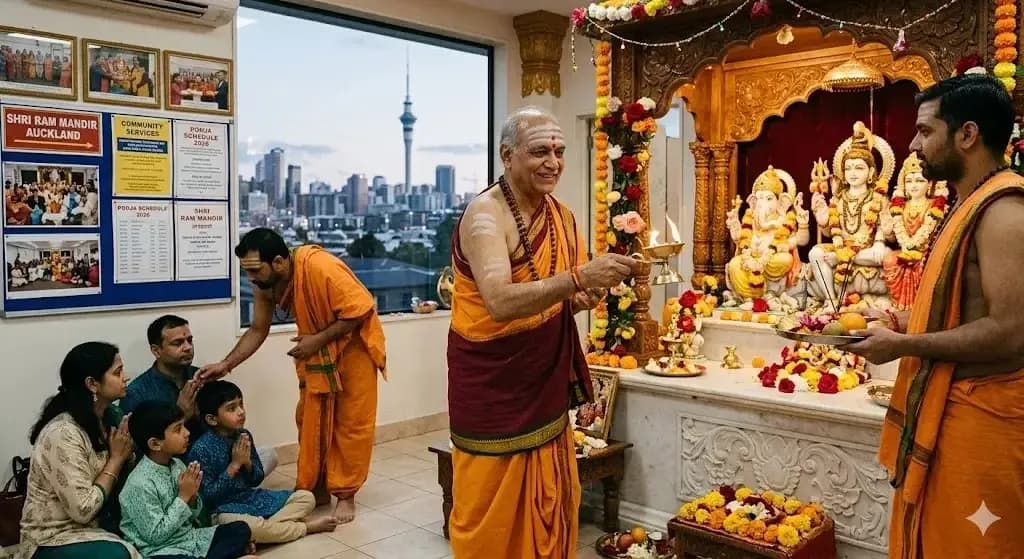
Finding a Hindu Priest for Your Wedding in Australia: A Complete Checklist
Your comprehensive guide to securing the perfect pandit for your Vedic marriage ceremony Planning a Hindu wedding in Australia can feel overwhelming,…
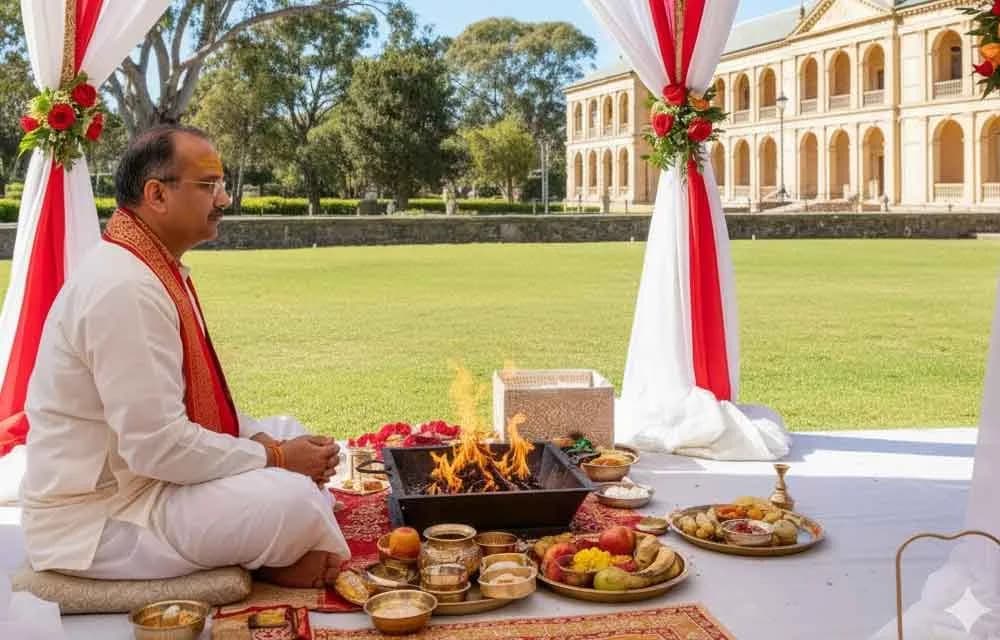
Your comprehensive guide to securing the perfect pandit for your Vedic marriage ceremony Planning a Hindu wedding in Australia can feel overwhelming,…
Your comprehensive guide to securing the perfect pandit for your Vedic marriage ceremony
Planning a Hindu wedding in Australia can feel overwhelming, especially when it comes to finding an authentic priest who understands both traditional rituals and your modern sensibilities. Whether you're in Melbourne, Sydney, Brisbane, or Perth, this guide will help you navigate the process with confidence.
Understanding Hindu Wedding Ceremonies in Australia
Hindu weddings (Vivaha Sanskar) are sacred ceremonies rooted in ancient Vedic traditions. In Australia's multicultural landscape, these ceremonies have evolved to accommodate different time zones, seasons, and cultural contexts while maintaining their spiritual essence.
Key ceremony types include:
- Vedic/North Indian weddings - featuring the sacred fire (Agni) and saptapadi (seven steps)
- South Indian weddings - with unique rituals like thali tying and mangalsutra ceremony
- Regional variations - Gujarati, Punjabi, Bengali, Marathi, and other regional customs
Your Complete Checklist for Finding a Hindu Priest
Step 1: Start Your Search Early (6-12 Months Before)
Experienced priests in major Australian cities book up quickly, especially during peak wedding season (September to May). Begin your search as soon as you've locked in your venue and date.
Where to find Hindu priests in Australia:
- Hindu temples - Contact local mandirs in your city
- Community organizations - Indian cultural associations and community centers
- Wedding vendor directories - Platforms like HinduTone.com, Easy Weddings, and South Asian wedding forums
- Word of mouth - Ask recently married friends and family
- Social media - Facebook groups for Indian weddings in Australia
Step 2: Research and Create a Shortlist
Once you've identified potential priests, research their background and experience.
What to look for:
- Qualifications - Traditional training in Vedic scriptures and rituals
- Experience - Years performing wedding ceremonies in Australia
- Regional expertise - Familiarity with your specific cultural traditions
- Language skills - Ability to conduct ceremonies in Sanskrit, Hindi, Tamil, Telugu, or other languages
- Reviews and testimonials - Feedback from previous couples
- Video samples - Recordings of previous ceremonies they've conducted
Step 3: Essential Questions to Ask During Initial Consultation
Prepare these questions for your first meeting or call:
About their practice:
- How long have you been performing Hindu weddings in Australia?
- What types of ceremonies do you specialize in?
- Are you familiar with wedding customs?
- Can you conduct the ceremony in with English explanations?
- How do you adapt traditional rituals for Australian venues and timing?
About the ceremony: 6. What is the typical duration of the ceremony you perform? 7. Can you customize the ceremony to include/exclude specific rituals? 8. Will you provide a ceremony outline or script in advance? 9. Do you offer pre-wedding consultations to explain each ritual? 10. Can you conduct ceremonies outdoors or at non-temple venues?
Logistical details: 11. What are your fees, and what do they include? 12. Do you charge extra for travel outside your local area? 13. What items and supplies do you provide versus what we need to arrange? 14. Do you require a deposit, and what is your cancellation policy? 15. Are you available for pre-wedding ceremonies (engagement, mehndi, sangeet)?
Modern considerations: 16. How do you handle interfaith or multicultural weddings? 17. Can you accommodate same-sex couples? 18. Are you comfortable with photography and videography during the ceremony? 19. How do you explain rituals to non-Hindu guests? 20. Do you provide a marriage certificate or documentation for legal purposes?
Step 4: Verify Credentials and Compatibility
Check their legitimacy:
- Request references from recent couples
- Verify their affiliation with recognized temples or organizations
- Review their online presence and testimonials
- Attend a ceremony they're conducting if possible
Assess personal compatibility:
- Do they listen to your preferences and concerns?
- Are they flexible and open to customization?
- Do they communicate clearly and promptly?
- Do you feel comfortable and respected in their presence?
Step 5: Understand the Cost Structure
Hindu wedding priest fees in Australia typically range from $500 to $2,500+, depending on:
- Location and travel requirements
- Ceremony length and complexity
- Additional services (pre-wedding rituals, consultations)
- Priest's experience and demand
- Items and materials included
What's typically included:
- The main wedding ceremony (Vivaha)
- Basic puja items (if specified)
- English explanations for guests
- Pre-wedding consultation
What may cost extra:
- Engagement ceremony (Sagai/Nischitartham)
- Mehndi or sangeet blessings
- Ganesh Puja or other pre-wedding rituals
- Travel beyond a certain radius
- Extended ceremony time
- Special materials or decorations
Step 6: Legal Marriage Requirements
Important: In Australia, Hindu priests typically perform the religious ceremony, but you'll need a registered marriage celebrant for the legal marriage.
Your options:
- Separate ceremonies - Legal ceremony with a celebrant, religious ceremony with a priest
- Dual-qualified professional - Some priests are also registered marriage celebrants
- Combined ceremony - Have your celebrant present during the Hindu ceremony to complete legal requirements
For legal marriage in Australia, you must:
- Give your celebrant a Notice of Intended Marriage at least one month before the wedding
- Provide proof of identity and date of birth
- Have two adult witnesses present
- Ensure the celebrant completes and submits the marriage paperwork
Step 7: Ceremony Planning and Customization
Work closely with your priest to create a ceremony that honors tradition while reflecting your personality.
Common customizations:
- Duration - Shortened ceremonies (1-2 hours) versus full traditional ceremonies (3-4 hours)
- Language balance - More English explanations for diverse audiences
- Ritual selection - Including or excluding specific rituals based on preferences
- Timing - Adapting to Australian evening weddings versus traditional morning ceremonies
- Venue adaptations - Outdoor ceremonies, non-temple venues, mandap arrangements
Essential rituals to discuss:
- Ganesh Puja (invocation of Lord Ganesha)
- Kanyadaan (giving away of the bride)
- Hasta Melap (joining of hands)
- Agni Puja (sacred fire ceremony)
- Saptapadi (seven steps/pheras)
- Mangalsutra/thali tying
- Sindoor application
- Aashirwad (blessings)
Step 8: Coordinate the Practical Details
Items typically required for ceremony:
Your responsibilities:
- Mandap (wedding canopy) - arrange with decorator
- Havan kund (fire altar) - some venues restrict open flames
- Seating arrangements (low stools or chairs)
- Flowers and garlands
- Coconuts, fruits, and other offerings
- Wedding attire and jewelry
Priest typically provides:
- Sacred thread (mangalsutra)
- Puja items (kumkum, rice, ghee)
- Religious texts and mantras
- Basic ceremony supplies
Venue considerations:
- Confirm your venue allows open flames (havan)
- Ensure adequate space for the mandap and guests
- Check sound system requirements for mantras and music
- Verify parking and access for the priest
- Discuss backup plans for outdoor ceremonies
Step 9: Pre-Wedding Consultations
Schedule at least one detailed meeting before the wedding (2-4 weeks prior) to:
- Review the ceremony flow and timeline
- Understand the meaning behind each ritual
- Practice pronunciation of key mantras
- Clarify your roles and responses during the ceremony
- Address any last-minute questions or concerns
- Coordinate with your photographer/videographer
Step 10: Day-of Coordination
Timeline for the wedding day:
- Priest arrival (typically 1-2 hours before ceremony)
- Mandap setup and blessing
- Ganesh Puja (30-45 minutes before main ceremony)
- Main ceremony begins
- Post-ceremony blessings and photos
Designate a coordinator to:
- Ensure the priest has everything needed
- Manage ceremony timing
- Coordinate with other vendors
- Handle unexpected issues
City-Specific Resources in Australia
Melbourne Hindu Wedding Priests
Melbourne has the largest Indian population in Australia, with numerous temples and priests available.
Key temples:
- Sri Shiva Vishnu Temple (Carrum Downs)
- Sri Durga Temple (Footscray)
- Sri Vakrathunda Vinayagar Temple (Sunshine West)
Sydney Hindu Wedding Priests
Sydney offers diverse options across different Hindu traditions.
Key temples:
- Sri Mandir (Homebush)
- Murugan Temple (Mays Hill)
- Lakshmi Narayanan Temple (Westmead)
Brisbane Hindu Wedding Priests
Queensland's growing Indian community has several established priests.
Key temples:
- Hindu Temple of Brisbane (Holland Park)
- BAPS Shri Swaminarayan Mandir (Eight Mile Plains)
Perth Hindu Wedding Priests
Western Australia's Indian community is well-served by local temples.
Key temples:
- Hindu Society of Western Australia (Anketell)
- Sri Shiva Vishnu Temple (Bassendean)
Adelaide and Canberra
Smaller cities may have fewer options, but established priests travel from major cities for weddings.
Red Flags to Watch For
Be cautious if a priest:
- Refuses to provide references or credentials
- Is inflexible about every aspect of the ceremony
- Has no online presence or reviews
- Pressures you to book immediately without consultation
- Cannot explain rituals clearly
- Charges excessive fees without clear breakdown
- Is dismissive of your questions or concerns
- Has poor communication or unprofessional behavior
Tips for Cross-Cultural Weddings
If you're planning an interfaith or multicultural wedding:
- Find an inclusive priest - Some priests specialize in interfaith ceremonies
- Provide cultural context - Create a ceremony program explaining rituals
- Balance traditions - Incorporate elements from both cultures respectfully
- Educate guests - Consider a brief welcome explaining the ceremony's significance
- Choose a comfortable setting - Ensure all guests feel welcome and included
Making It Official: Documentation
After your ceremony, ensure you receive:
- Marriage certificate - From your registered celebrant (if applicable)
- Religious certificate - Some priests provide ceremonial certificates
- Ritual documentation - Photos and videos of the ceremony
- Receipt - For your records and vendor payments
Final Checklist: One Week Before
- Confirm ceremony start time with priest
- Review ceremony outline one final time
- Confirm all required items are arranged
- Brief your wedding coordinator on priest's needs
- Provide priest with venue contact and address
- Confirm payment method and amount
- Share photographer's contact for coordination
- Prepare any special requests or announcements
- Have a backup plan for weather (outdoor ceremonies)
- Ensure priest has meal arrangements if staying for reception
Why Choose HinduTone.com
At HinduTone.com, we understand the unique challenges of planning a Hindu wedding in Australia. Our platform connects you with:
- Verified priests across all major Australian cities
- Regional specialists familiar with your specific traditions
- Complete vendor directory for all your wedding needs
- Real reviews from Australian couples
- Cultural resources and ceremony planning guides
- Multilingual support for diverse communities
Visit www.hindutone.com to:
- Browse profiles of Hindu wedding priests in your city
- Read authentic reviews from real couples
- Compare services and pricing
- Book consultations directly
- Access wedding planning resources
- Connect with the South Asian wedding community in Australia
Conclusion
Finding the right Hindu wedding priest in Australia is about more than checking boxes—it's about finding someone who honors your traditions, respects your vision, and helps create a meaningful ceremony that brings together your families and communities. Start early, ask the right questions, and trust your instincts.
Your wedding day is one of life's most sacred moments. With the right priest and careful planning, your Vedic marriage ceremony in Australia will be an authentic, beautiful celebration that bridges continents and honors the timeless traditions of Hindu culture.
Ready to start your search? Visit HinduTone.com today to connect with experienced Hindu wedding priests across Australia and access our complete suite of South Asian wedding planning resources.
Have questions? Our community is here to help. Join thousands of couples planning their dream Hindu weddings in Australia.
Frequently Asked Questions
What is Finding a Hindu Priest for Your Wedding in Australia?
Your comprehensive guide to securing the perfect pandit for your Vedic marriage ceremony Planning a Hindu wedding in Australia can feel overwhelming, especially when it comes to finding an authentic priest who understands both traditional rituals and your modern sensibilities. Whether you're in Melbourne, Sydney, Brisbane, or Perth, this guide will help you
What are the key points about Finding a Hindu Priest for Your Wedding in Australia?
Understanding Hindu Wedding Ceremonies in Australia Hindu weddings (Vivaha Sanskar) are sacred ceremonies rooted in ancient Vedic traditions. In Australia's multicultural landscape, these ceremonies have evolved to accommodate different time zones, seasons, and cultural contexts while maintaining their spiritual essence.
Why does Finding a Hindu Priest for Your Wedding in Australia matter in Hinduism?
It reflects core values of Sanatana Dharma and offers practical and spiritual guidance that remains relevant across generations.
How can devotees apply Finding a Hindu Priest for Your Wedding in Australia in daily life?
By reflecting on its teaching, incorporating the related practices or observances into daily routine, and approaching it with sincere devotion and understanding.
You might also like
Purushottam Maas 2026: Lord Vishnu's Sacred Gift of Spiritual Multiplication & Divine Grace
Hindu Priest Jobs Malaysia 2026 — Batu Caves, KL, Penang Vacancies & Tamil Hindu Career Guide
Hindu Priest Jobs Germany 2026 — Frankfurt, Munich, Berlin Pandit Vacancies & Visa Guide