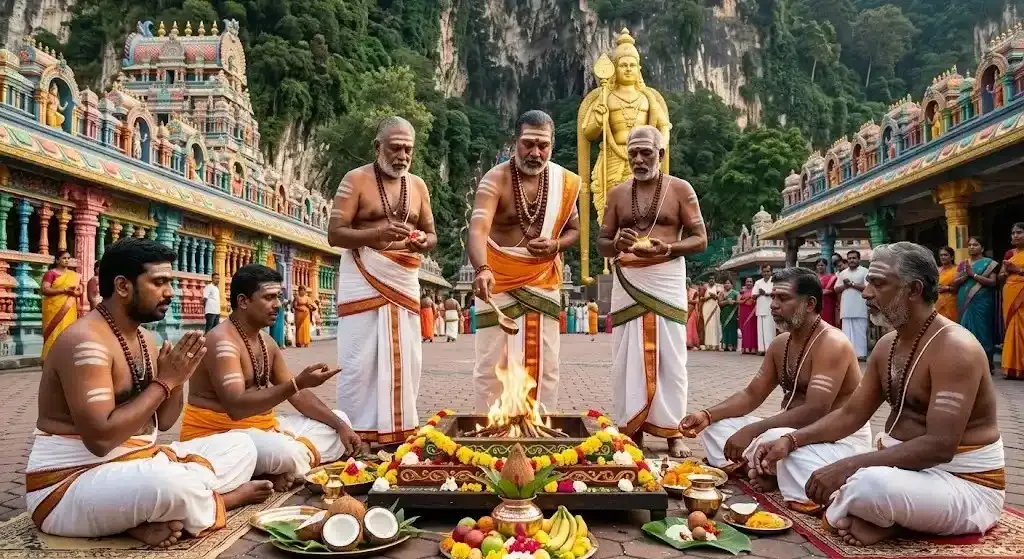
Madhya Pradesh Liquor Ban in 19 Religious Cities: A Bold Step to Honor Hindu Sanctity
In a historic and culturally resonant move, the Madhya Pradesh government has implemented a liquor ban across 19 religious cities, including sacred sites like…

In a historic and culturally resonant move, the Madhya Pradesh government has implemented a liquor ban across 19 religious cities, including sacred sites like…
In a historic and culturally resonant move, the Madhya Pradesh government has implemented a liquor ban across 19 religious cities, including sacred sites like Ujjain, Omkareshwar, and Maheshwar. Effective April 1, 2025, this initiative marks a significant stride in preserving Hindu values, protecting pilgrimage destinations, and enhancing spiritual experiences for millions of devotees.
Preserving Sanctity in Sacred Cities
The primary aim of this bold move is to uphold spiritual purity in cities that are central to Hindu devotion. Ujjain, for instance—home to the renowned Mahakaleshwar Jyotirlinga—sees a massive influx of pilgrims each year. By eliminating liquor sales, the government seeks to foster an atmosphere of peace, focus, and reverence.
Cultural Integrity and Hindu Sentiments
Religious leaders, priests, and cultural scholars have long advocated for a ban on alcohol in these sacred towns. Chief Minister Mohan Yadav’s decision is being celebrated as a triumph for traditional Hindu values and a step toward restoring dharma-centric governance.
Spiritual and Social Benefits for Devotees
This liquor ban goes beyond regulation—it promotes a spiritually nourishing environment for visitors and residents alike.
Key Benefits:
- Improved Spiritual Focus: Devotees can participate in rituals and meditation without the distractions caused by liquor outlets.
- Cultural Respect: Aligns with the ethos of sacred geography, preserving the mythological and historical sanctity of these towns.
- Cleaner Pilgrimage Routes: Less litter, fewer disturbances, and an enhanced aesthetic experience for travelers.
Public Reception and Community Feedback
The move has been widely applauded by religious communities and spiritual leaders. Hashtags like #MPLiquorBan, #HinduPride, and #SanatanSanskriti are trending across social media, reflecting a groundswell of support from citizens committed to cultural preservation.
While some business owners in the liquor trade have voiced concern, the state government has announced alternative livelihood schemes, ensuring an economically responsible transition.
Hindutone: Leading the Cultural Conversation
Stay informed with Hindutone—your destination for in-depth coverage of India’s religious and cultural policies.
Explore:
- Interviews with saints and temple authorities
- Insights on spiritual tourism and community health
- Impact analyses from a cultural renaissance lens
Visit www.hindutone.com to join the cultural discourse.
Broader Implications Across India
Madhya Pradesh’s liquor ban could set a precedent for other pilgrimage-rich states like Uttarakhand, Tamil Nadu, and Odisha, potentially leading to similar bans in cities such as Haridwar, Rameswaram, and Puri. This move represents a potential shift in governance—one that integrates faith, culture, and public policy.
Stay Connected with Hindu Culture
Join the conversation and stay updated on policies, traditions, and developments that shape India’s cultural future.
Be a part of the change. Embrace Sanatan values. Connect with Hindutone.
Which 19 Cities Are Covered and Why Were They Chosen?
The 19 cities selected for the ban are defined by their status as tīrtha-kṣetras — sacred crossing-points where the human and divine are understood to meet. Beyond Ujjain, Omkareshwar, and Maheshwar, the list includes Chitrakoot, Orchha, Amarkantak, Maihar, Mandleshwar, and several other towns whose identity is inseparable from temple complexes, river confluences, or specific episodes in the Puranas and Itihasa.
Chitrakoot, for instance, is celebrated in the Valmiki Ramayana as the forest hermitage where Rama, Sita, and Lakshmana spent more than eleven years during their exile. Amarkantak is revered as the source of the Narmada river, itself described in the Skanda Purana as a tirtha superior even to the Ganga for the granting of moksha. The selection therefore follows a coherent theological logic rather than arbitrary administrative choice.
Orchha carries particular significance as the seat of the only temple in India — the Ram Raja Mandir — where Rama is officially worshipped and accorded the protocol of a reigning king, including a daily guard of honour by state police. Including such cities signals that the policy is rooted in lived devotional reality rather than symbolic gesture alone.
The Scriptural Basis for Maintaining Purity at Tīrtha-Kṣetras
Classical Hindu thought has always linked spatial sanctity with behavioural restraint. The Manusmṛiti (Chapter 11) classifies madyapāna — consumption of intoxicating liquor — among the mahāpātakas, the gravest categories of transgression, precisely because it clouds the buddhi (discriminative intellect) needed for dharmic action and spiritual perception. Performing this transgression in a tīrtha compounds the offence, just as virtuous acts performed in a sacred city yield multiplied merit.
The Skanda Purana, one of the largest of the eighteen Mahāpurāṇas, dedicates the Avantikā-khaṇḍa almost entirely to the glory of Ujjain and the Mahākāla kshetra. It explicitly warns that behaviour contrary to dharma within the city's sacred boundary — the Avantikā-maṇḍala — diminishes both the perpetrator's spiritual standing and the collective purity of the kṣetra. This textual tradition gives the contemporary ban a doctrinal grounding that resonates deeply with practising Hindus.
Similarly, the Narmadā Purāṇa sections embedded in the Matsya Purana describe the entire Narmada valley as a continuous tīrtha. Intoxicants, gambling, and non-sattvic conduct are categorised as actions that erode the tapas-śakti — the accumulated spiritual power — of the region. The MP government's decision maps onto this inherited understanding of sacred geography as a living, responsive entity.
Mahakaleshwar Ujjain: Why the City of Mahakala Demands Special Reverence
Ujjain — ancient Avantikā — holds a unique position among India's sacred cities because it is one of the twelve Jyotirlinga shrines and also the site of the Kumbha Mela held every twelve years, drawing tens of millions of pilgrims in a single cycle. The Mahakaleshwar Jyotirlinga is described in the Shiva Purana as swayambhu — self-manifested — and as the only south-facing (dakṣiṇāmukha) Jyotirlinga, believed to confer liberation directly. The weight of this theological status makes environmental purity around the temple a matter of profound spiritual concern, not merely civic hygiene.
The Bhasma Aarti performed daily before dawn at Mahakaleshwar — during which sacred ash is offered to the Shivalinga — is one of the most attended pre-dawn rituals in the country. Pilgrims queue overnight to attend. An environment free of liquor outlets and associated disturbances directly supports the contemplative mood required for this deeply intimate form of worship. Local priests and the temple's managing committee have publicly welcomed the ban on these practical grounds.
Omkareshwar and Maheshwar: Twin Sacred Sites Along the Narmada
Omkareshwar, situated on a naturally formed island in the Narmada shaped like the Sanskrit syllable Oṃ, houses the Omkareshwar Jyotirlinga — one of the twelve — and is a centre of Advaita Vedanta tradition, as Adi Shankaracharya is said to have received instruction from his guru Govindapāda in a cave near this site. The island's geography itself is considered an embodied mantra, making the quality of the surrounding environment a matter taken seriously by generations of monks and householder pilgrims alike.
Maheshwar, a few kilometres downstream, is associated with the philosopher-king Sahasrarjuna of the Haihaya dynasty and later became the capital of the Holkar queen Ahilyabai Holkar, one of the most celebrated patrons of Hindu temple renovation in the 18th century. Ahilyabai rebuilt or sponsored temples at Kashi, Gaya, Somnath, and dozens of other sites, and Maheshwar's Shiva Ghat retains the devotional atmosphere she cultivated. A liquor ban honours that legacy of sattvic governance she herself exemplified.
How Does This Policy Compare With Other Indian States?
Madhya Pradesh is not the first state to restrict liquor in religious zones, but the scale of 19 cities simultaneously is notable. Uttar Pradesh enforces dry zones around the Kashi Vishwanath Corridor in Varanasi and maintains restrictions during major festival periods in Prayagraj, Mathura, and Vrindavan. Gujarat is a fully prohibition state, which has long shaped the pilgrimage experience at Dwarka, Somnath, and Palitana — the last of which also benefits from a separate ban on animal slaughter following sustained Jain community advocacy.
Rajasthan has implemented periodic restrictions around Pushkar, home to the only major Brahma temple in India and the site of the famous Kartika Mela. These precedents suggest that the MP initiative fits within a broader, decentralised Indian movement toward aligning civic policy with the devotional character of specific geographies rather than applying uniform commercial norms to all settlements equally.
What distinguishes the MP measure is its explicit, simultaneous, and permanent nature across a diverse range of tīrthas — Shaiva, Vaishnava, Shakta, and river-based — suggesting a comprehensive policy framework rather than site-specific or festival-period responses. This may set a legislative precedent for other states with high concentrations of pilgrimage towns.
Balancing Tradition With the Livelihoods of Local Communities
Any such policy requires thoughtful implementation to be sustainable. Liquor retail and hospitality businesses operating in these towns employ local residents, many of whom have limited alternative occupational options in smaller pilgrimage cities. The state government has indicated that displaced workers and licence holders will be considered for rehabilitation through alternative livelihood schemes, though the detailed contours of such support will need to be monitored carefully as the April 2025 rollout proceeds.
Importantly, the pilgrimage economy itself — accommodation, prasad shops, flower vendors, boat services on sacred rivers, artisans producing religious items — is labour-intensive and environmentally sustainable in ways that liquor-linked hospitality is not. Strengthening this ecosystem through infrastructure investment and training can absorb displaced workers while deepening the spiritual economy that gives these towns their enduring relevance and drawing power.
Historical precedent shows that tīrthas managed with strong purity norms tend to attract higher-spending, repeat devotees who invest more deeply in the local ritual economy. The long-term economic case for the ban, when paired with proper support structures, may well outperform short-term losses from the liquor trade — a point worth emphasising to sceptical stakeholders as implementation proceeds.
Frequently Asked Questions
What is Madhya Pradesh Liquor Ban in 19 Religious Cities?
In a historic and culturally resonant move, the Madhya Pradesh government has implemented a liquor ban across 19 religious cities, including sacred sites like Ujjain , Omkareshwar , and Maheshwar . Effective April 1, 2025, this initiative marks a significant stride in preserving Hindu values, protecting pilgrimage destinations, and enhancing spiritual experi
What are the key points about Madhya Pradesh Liquor Ban in 19 Religious Cities?
Preserving Sanctity in Sacred Cities The primary aim of this bold move is to uphold spiritual purity in cities that are central to Hindu devotion. Ujjain, for instance—home to the renowned Mahakaleshwar Jyotirlinga —sees a massive influx of pilgrims each year.
Why does Madhya Pradesh Liquor Ban in 19 Religious Cities matter in Hinduism?
It reflects core values of Sanatana Dharma and offers practical and spiritual guidance that remains relevant across generations.
How can devotees apply Madhya Pradesh Liquor Ban in 19 Religious Cities in daily life?
By reflecting on its teaching, incorporating the related practices or observances into daily routine, and approaching it with sincere devotion and understanding.
You might also like

Purushottam Maas 2026: Lord Vishnu's Sacred Gift of Spiritual Multiplication & Divine Grace
Shani Jayanti 2026: Date, Significance, Rituals & Powerful Mantras
Hindu Priest Jobs New Zealand 2026 — Auckland, Wellington, Christchurch Vacancies & NZ Religious Worker Visa Guide