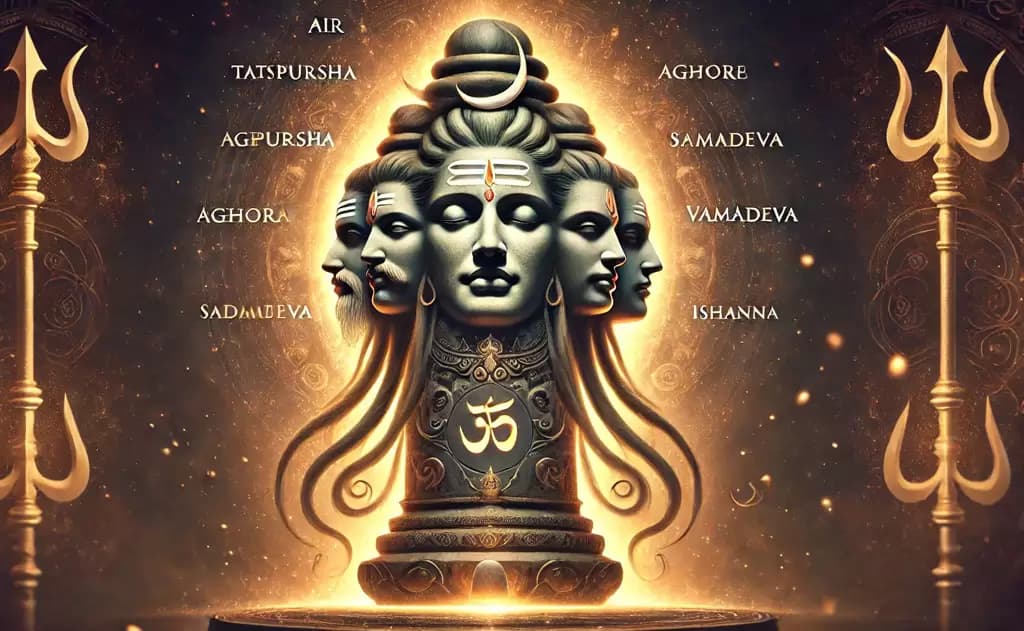
The Sacred Importance of Monday in Hinduism: Essential Rituals for Somvar Vrat, Solah Somvar Fast, and Practical Guidance for NRIs to Perform Shiva Puja with Deep Devotion
Posted on Hindutone.com | Devotional Series | By Hindutone Editorial Team In the divine rhythm of the Hindu calendar, where each day is a gift wrapped in…

Posted on Hindutone.com | Devotional Series | By Hindutone Editorial Team In the divine rhythm of the Hindu calendar, where each day is a gift wrapped in…
Posted on Hindutone.com | Devotional Series | By Hindutone Editorial Team
In the divine rhythm of the Hindu calendar, where each day is a gift wrapped in celestial grace, Monday emerges as a day of profound spiritual significance. Known as Somvar — the day of Soma, the Moon — it is eternally dedicated to Lord Shiva, the Mahadeva who wears the crescent moon in his matted locks. For millions of devotees across the world, Monday is not merely the beginning of the workweek; it is a sacred portal through which they offer their love, surrender, and aspirations at the holy feet of Shiva, the compassionate destroyer of ignorance and bestower of peace.
At Hindutone.com, we believe that true spirituality transcends geography, time zones, and modern lifestyles. Whether you reside in the bustling lanes of Hyderabad, the quiet suburbs of Toronto, or the high-rises of Dubai, the call of “Om Namah Shivaya” remains the same — pure, powerful, and ever-available. In this extensive devotional guide of over 3000 words, we explore:
- The mythological and spiritual importance of Monday
- The essential rituals every devotee should perform on Somvar
- The deeply transformative Solah Somvar Vrat (16 Monday fast)
- Practical, heartfelt ways for Non-Resident Indians (NRIs) to observe these practices abroad with full devotion
Let us journey together into the heart of Shiva bhakti, where every Monday becomes an offering of love.
The Eternal Bond Between Monday and Lord Shiva
Long before calendars were printed and clocks measured time, the ancient seers understood the intimate connection between celestial bodies and divine energies. The Moon — Soma — governs Monday. In Vedic astrology and Puranic lore, Soma is not merely a luminous orb in the sky; he is a deity who once suffered a terrible curse from Daksha Prajapati. As the Moon began to wane continuously, plunging toward complete disappearance, he sought refuge in the divine presence of Lord Shiva.
Touched by Chandra’s sincere repentance, Mahadeva placed the crescent moon upon his own head, thus saving Soma and earning the glorious names Chandrashekhara and Somnath. From that moment onward, Monday became Shiva’s day — a day when the cooling, soothing energy of the Moon merges with the fiery, transformative power of Shiva to bring balance, emotional healing, and spiritual elevation to those who turn toward him.
Devotees believe that worshipping Shiva on Somvar brings multiple blessings:
- Removal of mental afflictions and emotional turbulence (as the Moon rules the mind)
- Fulfillment of legitimate desires, especially related to marriage, children, and family harmony
- Protection from untimely death and chronic illnesses (through the grace of the Maha Mrityunjaya Mantra)
- Inner peace, courage, and the strength to face life’s adversities
- Karmic cleansing and progress toward moksha
In the sacred month of Shravan, when the monsoon clouds shower the earth and Shiva is said to be most pleased, Somvar assumes even greater potency. Temples reverberate with the sound of “Har Har Mahadev,” and millions observe rigorous fasts and perform elaborate abhishekams. Yet even on an ordinary Monday, the grace flowing from Kailash is infinite for the sincere devotee.
A touching legend often narrated during Somvar kathas tells of a humble woodcutter who lived in poverty. Advised by a wandering sadhu, he began observing Monday fasts with whatever little he had — a few bilva leaves, a pot of water, and unwavering faith. Week after week he offered his simple worship. One Somvar, when despair threatened to overwhelm him, Lord Shiva appeared in the form of an old man and blessed him with unending prosperity. This story reminds every bhakta that Shiva values bhav (devotional emotion) far more than material grandeur.
Must-Perform Rituals on Monday: A Step-by-Step Devotional Guide
The beauty of Somvar sadhana lies in its simplicity and depth. No elaborate arrangements are necessary; what is required is a clean body, a calm mind, and a loving heart.
- Brahma Muhurta Awakening and Purification Rise during the sacred pre-dawn hours (ideally between 4:00–6:00 AM). Offer gratitude to the rising sun, then take a bath — preferably with cool water — while mentally invoking Ganga Maa. If gangajal is available, add a few drops to your bathing water. Wear clean clothes, preferably white or light blue (colors pleasing to Shiva).
- Setting Up the Puja Space Clean the altar or small mandir at home. Place a picture or murti of Lord Shiva (Panchamukhi, Nataraja, or simple Shivling). Keep a small kalash with water, a diya, agarbatti, flowers (especially white or blue), and bilva patra (three-leafed wood apple leaves — most beloved to Shiva).
- Sankalpa (Sacred Vow) Sit facing east or north. Join your palms and mentally declare: “Om Namo Bhagavate Rudraya… I observe this Somvar Vrat with devotion to please Lord Shiva and seek his blessings for .”
- Abhishekam — The Bathing of the Divine This is the heart of Monday worship. Gently pour water, milk, curd, honey, ghee, and sugar (panchamrit) over the Shivling or murti while chanting “Om Namah Shivaya” continuously. If milk is unavailable, plain water with tulsi leaves is equally acceptable. Offer bilva leaves in groups of three after each abhishekam round.
- Mantra Japa Chant the Panchakshari Mantra — “Om Namah Shivaya” — at least 108 times using a rudraksha mala. For deeper sadhana, recite the Maha Mrityunjaya Mantra 108 times: Om Tryambakam Yajamahe Sugandhim Pushtivardhanam Urvarukamiva Bandhanan Mrityor Mukshiya Maamritat
- Shiva Aarti and Bhajans Perform aarti with camphor or ghee lamp. Sing or listen to popular Shiva aartis:
- “Karpur Gauram Karunavataram…”
- “Om Jai Shiv Omkara…”
- “Har Har Mahadev Shambo Kashi Vishwanath Gange”
- Somvar Vrat Katha Read or narrate the Monday fast story aloud. One beloved katha describes how Goddess Parvati observed strict Monday fasts to win Lord Shiva as her husband. Another tells of a merchant who regained his lost wealth through unwavering Somvar observance.
- Breaking the Fast (Vrat Visarjan) After sunset (or moonrise in some traditions), break the fast with sattvic food — fruits, milk, yogurt, sabudana khichdi, or simple dal-rice without onion/garlic. Offer some food first to Shiva as naivedya.
Strict observances during vrat include:
- No non-vegetarian food
- No onion, garlic, tamarind, or overly spicy items
- No grains (for strict nirjala or phalahar vrat)
- Celibacy and avoidance of anger or negative speech
Even a partial fast observed with full devotion yields immense punya.
The Life-Changing Solah Somvar Vrat: 16 Mondays of Intense Devotion
For those seeking extraordinary blessings — especially unmarried girls desiring a noble life-partner, childless couples yearning for progeny, or individuals facing persistent obstacles — the Solah Somvar Vrat is considered supremely powerful.
This vrat involves observing 16 consecutive Monday fasts with heightened discipline. Many begin it on the first Monday of Shravan, Chaitra, or any auspicious Shukla Paksha Monday.
Key Guidelines:
- Take sankalpa in a Shiva temple or before the home altar
- Observe strict fasting (fruits, milk, or complete nirjala depending on capacity)
- No use of salt on fasting days (some traditions allow rock salt)
- Daily recitation of Shiva Chalisa, Shiva Tandava Stotram, or at least 16 rounds of “Om Namah Shivaya”
- Avoid new clothes, cosmetics, and unnecessary luxuries during the 16 weeks
- On the 16th Monday, perform udyapan (conclusion ceremony): grand puja, havan, feeding of Brahmins/poor, and distribution of clothes, utensils, or food items
The most popular Solah Somvar Katha revolves around a princess who longed for Lord Shiva himself as her husband. Guided by Goddess Parvati in a dream, she observed 16 Monday fasts with utmost sincerity. On the final day, Shiva appeared before her in his magnificent form and accepted her devotion, eventually manifesting as her divine consort in human form. This story inspires countless women even today.
Many modern devotees report miraculous outcomes: timely marriages to virtuous partners, resolution of prolonged health issues, success in examinations or careers, and deep inner transformation.
How NRIs Can Faithfully Observe Monday Rituals Abroad
For Non-Resident Indians living in time zones far from India, maintaining Somvar traditions may appear challenging — yet Shiva’s grace flows equally to every corner of the globe.
Practical Adaptations:
- Timing — Follow local sunrise and sunset for beginning and ending the fast. If you are in the USA or Europe, your Monday puja may occur when it is already Tuesday in India — this is perfectly acceptable.
- Puja Items — Order rudraksha malas, small marble or brass Shivlings, bilva leaves (dried), and puja samagri from Indian online stores that ship internationally. In many cities, Indian grocery stores stock milk, yogurt, fruits, and sabudana.
- Virtual Darshan & Satsang — Participate in live abhishekam from famous temples (Shiva temples in Mauritius, London, New Jersey, etc.) streamed on YouTube or temple websites. Join NRI Shiva bhakti groups on WhatsApp or Facebook for collective chanting.
- Work-Life Balance — If complete fasting is difficult due to office demands, observe partial fast (fruits + one meal after sunset). Many professionals chant mantras during commute or lunch breaks.
- Family Involvement — Involve children by telling them simple Shiva stories. Create a small altar in the living room. Celebrate with family aarti even if the main fast is observed by one person.
- Donations & Udyapan — For Solah Somvar conclusion, donate to verified Indian charities online (food, education, temple maintenance) as part of udyapan.
Countless NRIs have shared that maintaining Monday rituals helped them remain rooted in dharma, reduced feelings of cultural disconnection, and brought unexpected peace amid fast-paced foreign lives.
Closing Prayer: Let Every Monday Be an Offering
O Mahadeva, who drank the poison to save the world, who dances the tandava of cosmic dissolution and creation, accept our humble Monday offerings. Whether we sit before a grand temple Shivling or a simple photo in a distant land, may our hearts resonate with “Om Namah Shivaya.”
Har Har Mahadev! Shambho Shankara!
May Lord Shiva shower his choicest blessings upon every reader who observes Somvar with love and sincerity. Jai Bholenath!
Frequently Asked Questions
When is The Sacred Importance of Monday in Hinduism?
The Sacred Importance of Monday in Hinduism is observed on its traditional tithi in the Hindu lunar calendar; refer to the year's panchang for the exact date in your region.
What is the significance of The Sacred Importance of Monday in Hinduism?
Posted on Hindutone.com | Devotional Series | By Hindutone Editorial Team In the divine rhythm of the Hindu calendar, where each day is a gift wrapped in celestial grace, Monday emerges as a day of profound spiritual significance. Known as Somvar — the day of Soma, the Moon — it is eternally dedicated to Lord Shiva , the Mahadeva who wears the crescent moon
How is The Sacred Importance of Monday in Hinduism celebrated?
Devotees observe it with puja, fasting or special offerings, visiting temples, chanting mantras, and gathering with family. Customs vary by region and tradition.
What should devotees do on The Sacred Importance of Monday in Hinduism?
Worship Lord Shiva, perform the day's puja and offerings, observe the fast where prescribed, and chant the associated mantras with devotion.
You might also like
Sri Medha Dakshinamurthy Swami Dhyanam | Meditation Sloka for Intelligence, Eloquence & Self-Realization
Om Namah Shivaya: 108 Times Chanting Benefits & Method — Complete Panchakshara Mantra Guide

Lord Shiva: The Three Faces NRI Devotees Should Know in 2026