
Panchang
136 articles
The Panchang is the traditional Hindu almanac, and its name refers to its five limbs: tithi, the lunar day; vara, the weekday; nakshatra, the lunar mansion; yoga; and karana. Together with details such as sunrise, Rahu Kalam, Yamagandam and auspicious windows, the Panchang guides families in choosing days for festivals, vratas, ceremonies and new beginnings.
Many households still consult a printed Panchang or the family priest each morning, while others check it on their phones. Because Panchang details depend on local sunrise and the position of the moon, they differ between cities, which matters especially for families living abroad who want to observe festivals at the right local time.
HinduTone's daily Panchang pages provide city-wise details, and the articles gathered here explain how to read a Panchang, what each element means, how traditions such as Rahu Kalam are applied and why festival days sometimes differ between regions. Related pages include Tithi, Nakshatra, Rahu Kalam and Shubh Muhurat.
Start Here
Daily Hindu Panchang Explained: Tithi, Vara, Nakshatra, Yoga, Karana and Muhurat
The daily Hindu panchang rests on five limbs: tithi (30), vara (7), nakshatra (27), yoga (27) and karana (11). This guide explains each simply, why the Hindu day starts at sunrise, amanta and purnimanta months, Rahu…
 Vivah Muhurat 2026-27: Shubh Marriage Dates from November 2026 to March 2027 (New Delhi and Hyderabad, per Drik Panchang)
 Difference Between Indian Panchang & USA Ekadashi Dates – A Complete Guide for NRIs
 Griha Pravesh Muhurat 2026-27: Housewarming Dates from November 2026 to March 2027 (New Delhi and Hyderabad, per Drik Panchang)
 Panchangam: The Vedic Guide to Time
Latest Articles
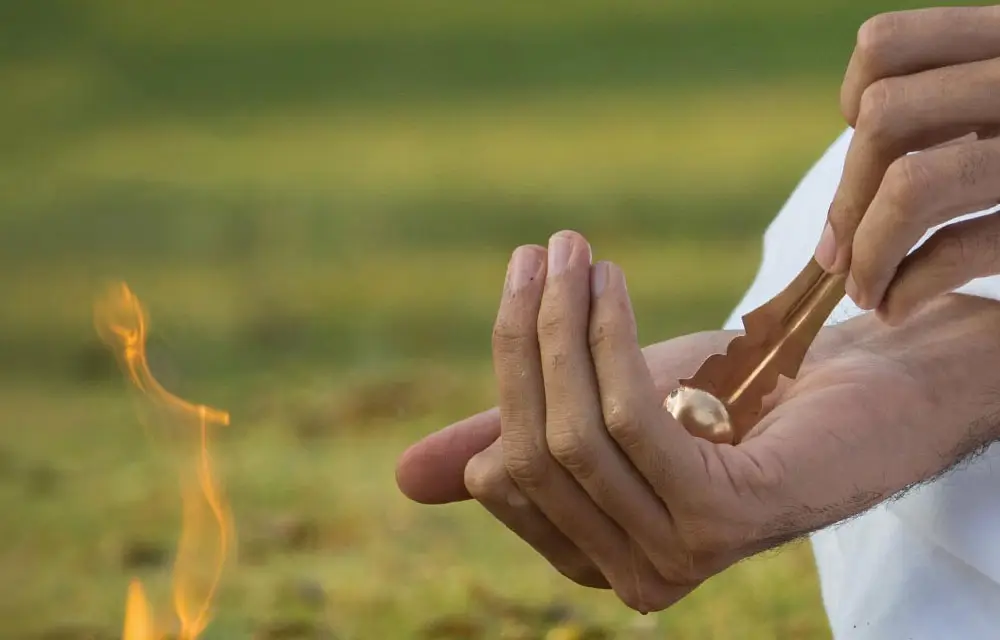
Today's Sankalpam, 25 October 2026: Sandhyavandanam Sankalpam and Traditional Panchangam (Sunday)
The sandhyavandanam sankalpam for Sunday 25 October 2026 (Ashvayuja Shukla Chaturdashi, Parabhava samvatsara) as…
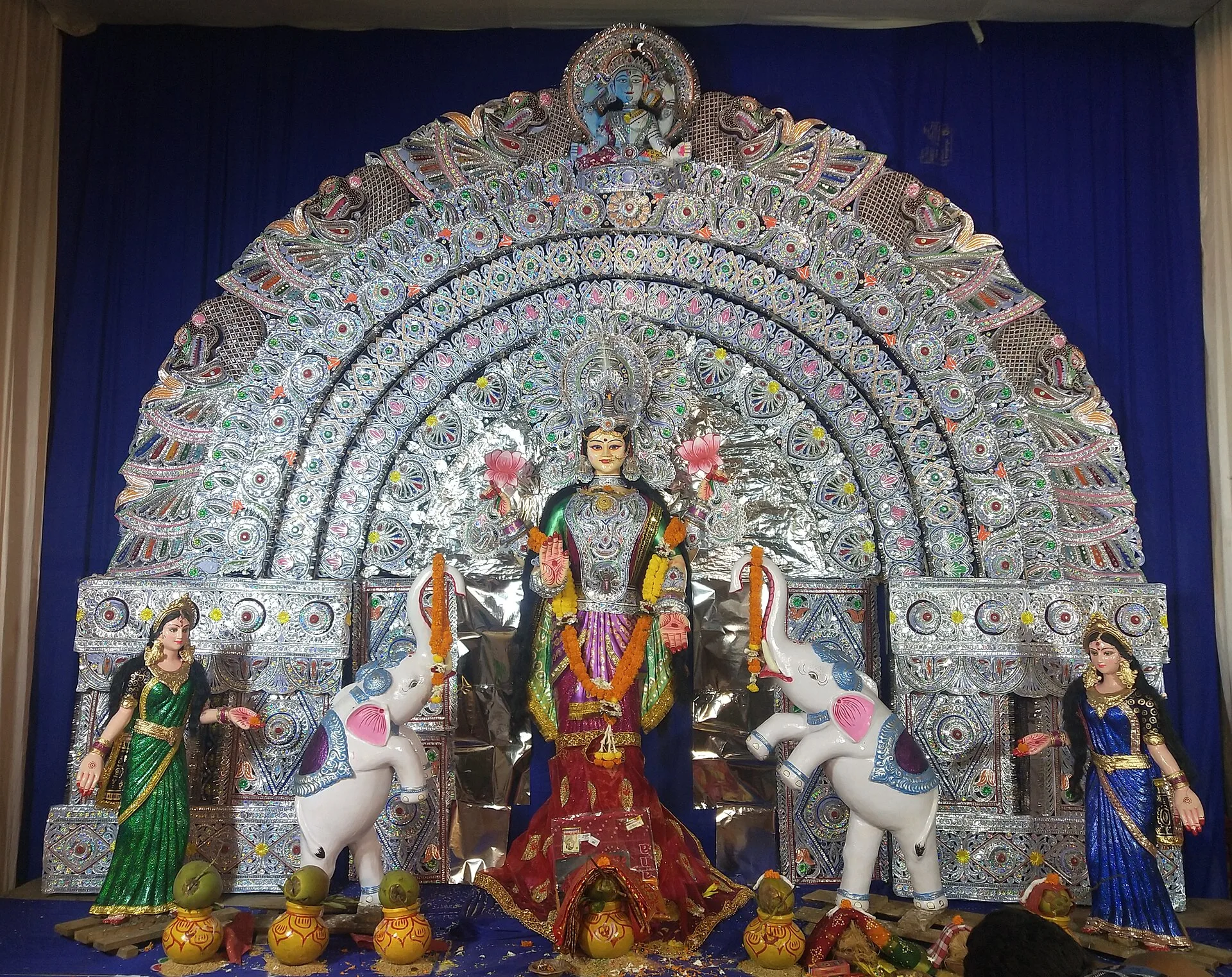
Panchangam 9 October 2026 (Friday): Chaturdashi Shraddha in Mahalaya Paksha, Tithi, Nakshatra and Puja Vidhi
Friday 9 October 2026 is Krishna Chaturdashi in Mahalaya Paksha, observed as Chaturdashi Shraddha. In Hyderabad…
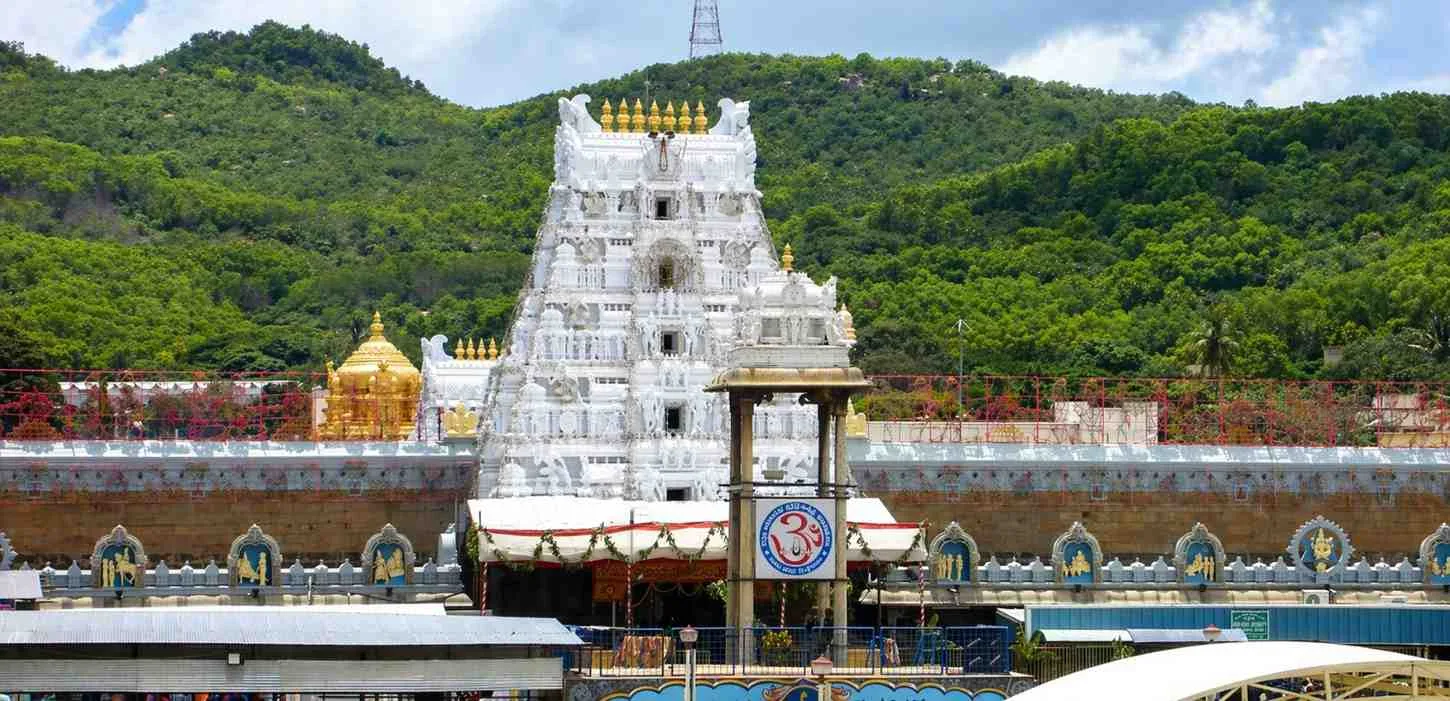
Panchangam 31 December 2026, Thursday: Krishna Ashtami, Hasta Nakshatra, Vishnu and Guru Puja on the Last Day of the Year
Thursday 31 December 2026, the last day of the year, is Krishna Ashtami with no major festival in Drik Panchang. Hasta…
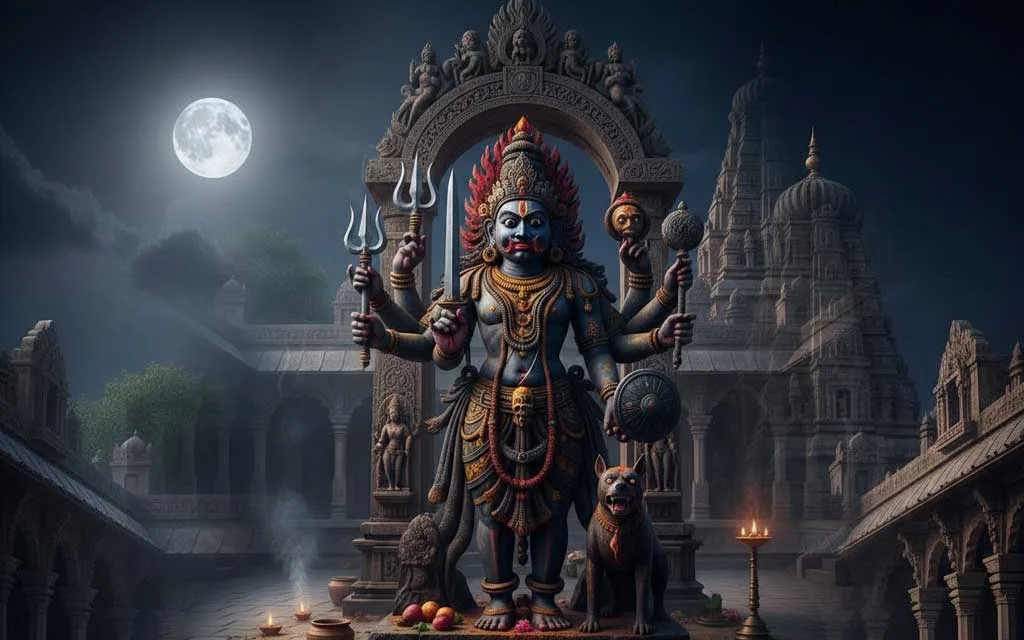
Panchangam 30 December 2026, Wednesday: Kalashtami and Masik Krishna Janmashtami, Tithi, Nakshatra and Puja Vidhi
Wednesday 30 December 2026 is Kalashtami, the monthly day of Kala Bhairava, and Masik Krishna Janmashtami. Krishna…

Panchangam 29 December 2026, Tuesday: Krishna Shashthi, Purva Phalguni Nakshatra, Hanuman and Durga Puja on Mangalavara
Tuesday 29 December 2026 is a quiet Krishna Shashthi with no major festival. Purva Phalguni nakshatra runs until 3:43…
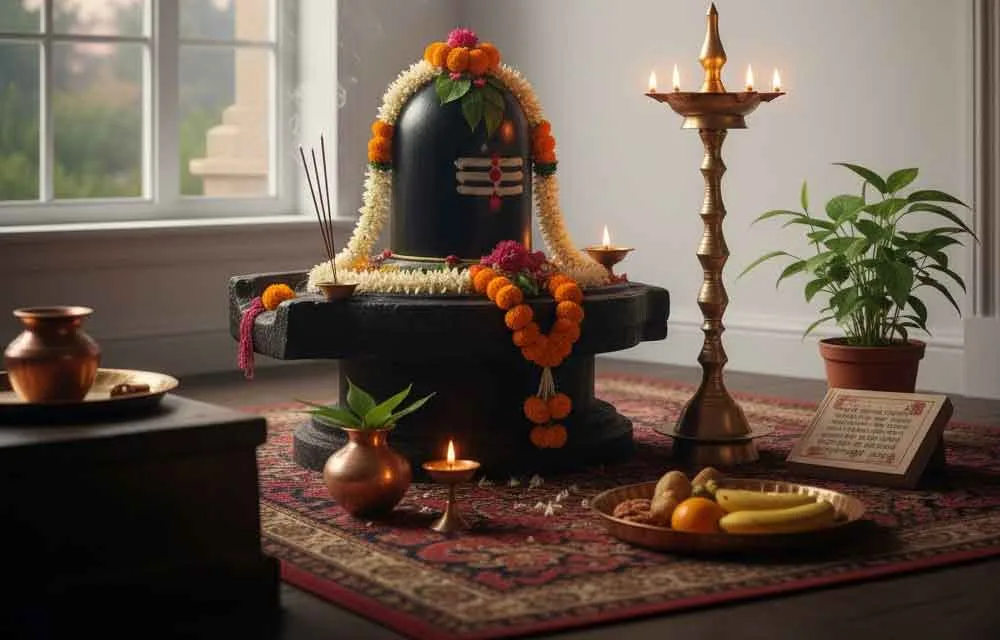
Panchangam 28 December 2026, Monday: Krishna Panchami, Magha Nakshatra, Somavara Shiva Puja and Dhanurmasam Day 13
Monday 28 December 2026 is a quiet Krishna Panchami with no major festival in Drik Panchang. Magha nakshatra…
Panchangam 27 December 2026, Sunday: Sabarimala Mandala Pooja, Krishna Chaturthi, Ashlesha Nakshatra and Puja Vidhi
Sunday 27 December 2026 is the expected day of Mandala Pooja at Sabarimala, the close of the 41-day Mandalam. Drik…
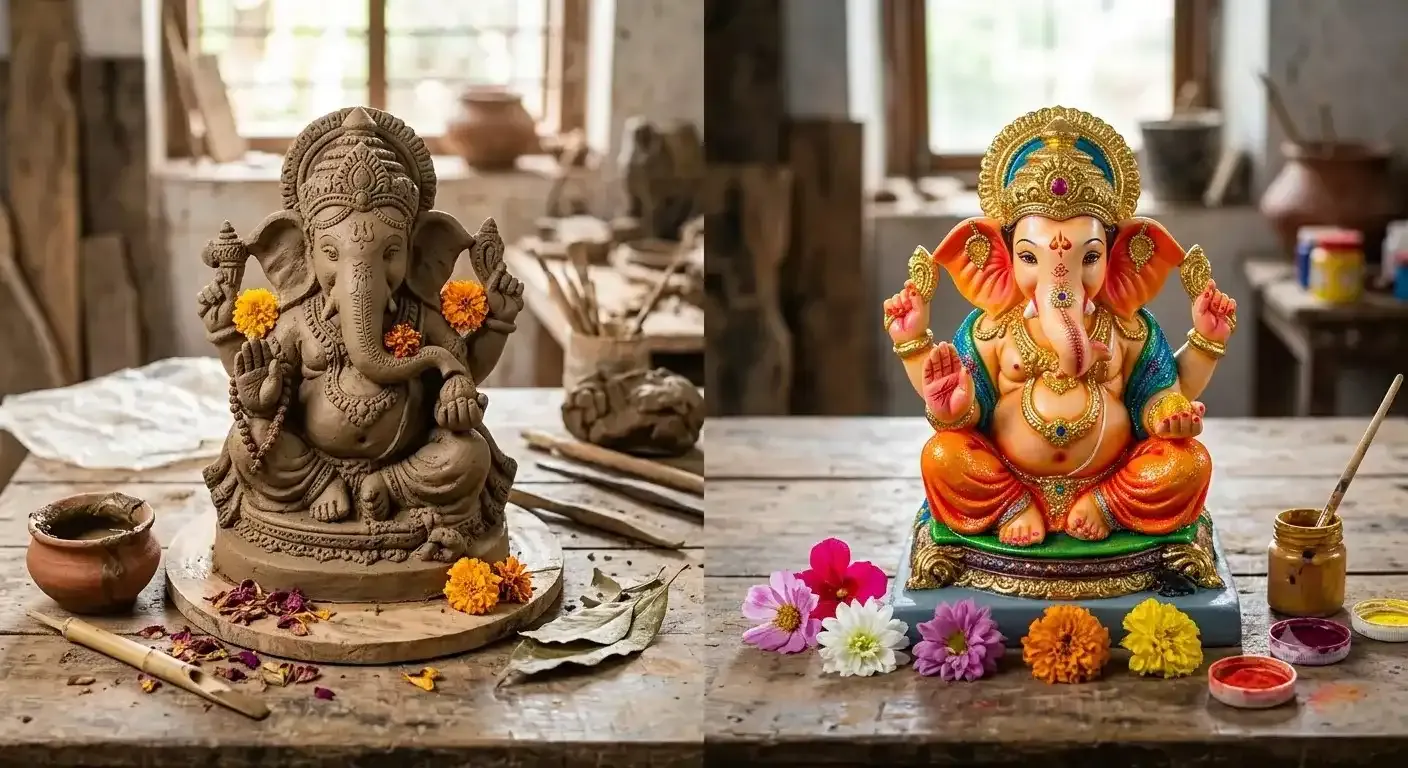
Panchangam 26 December 2026, Saturday: Akhuratha Sankashti Chaturthi, Moonrise Time, Tithi, Pushya Nakshatra and Ganesha Puja
Saturday 26 December 2026 is Akhuratha Sankashti Chaturthi. Tritiya prevails until 8:04 PM IST, then Chaturthi begins…
Panchangam 25 December 2026, Friday: Pausha Month Begins in North India, Krishna Dwitiya, Punarvasu Nakshatra and Lakshmi Puja
Friday 25 December 2026 is Krishna Dwitiya. In the purnimanta calendar of North India, the month of Pausha begins…
Panchangam 24 December 2026, Thursday: Margashirsha Purnima, Annapurna Jayanti and Arudra Darshan, Tithi, Nakshatra and Puja Vidhi
Thursday 24 December 2026 is the Margashirsha Purnima morning, with Annapurna Jayanti, Arudra Darshan (Thiruvathirai)…
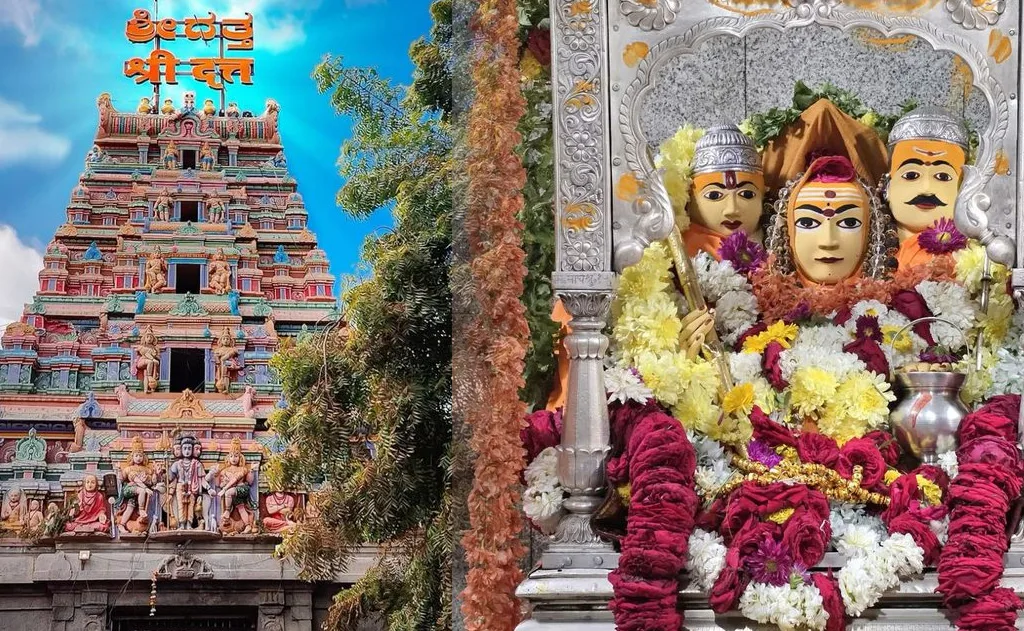
Panchangam 23 December 2026, Wednesday: Dattatreya Jayanti and Margashirsha Purnima Vrat, Tithi, Nakshatra and Puja Vidhi
Wednesday 23 December 2026 is Dattatreya Jayanti and the Margashirsha Purnima vrat. Chaturdashi ends at 10:47 AM IST…
Panchangam 22 December 2026, Tuesday: Hanuman Jayanti (Karnataka Hanumad Vratha) and the Shortest Day of the Year, Tithi and Puja Vidhi
Tuesday 22 December 2026 is Margashirsha Shukla Trayodashi: Hanuman Jayanti in the Kannada tradition, kept as Hanumad…
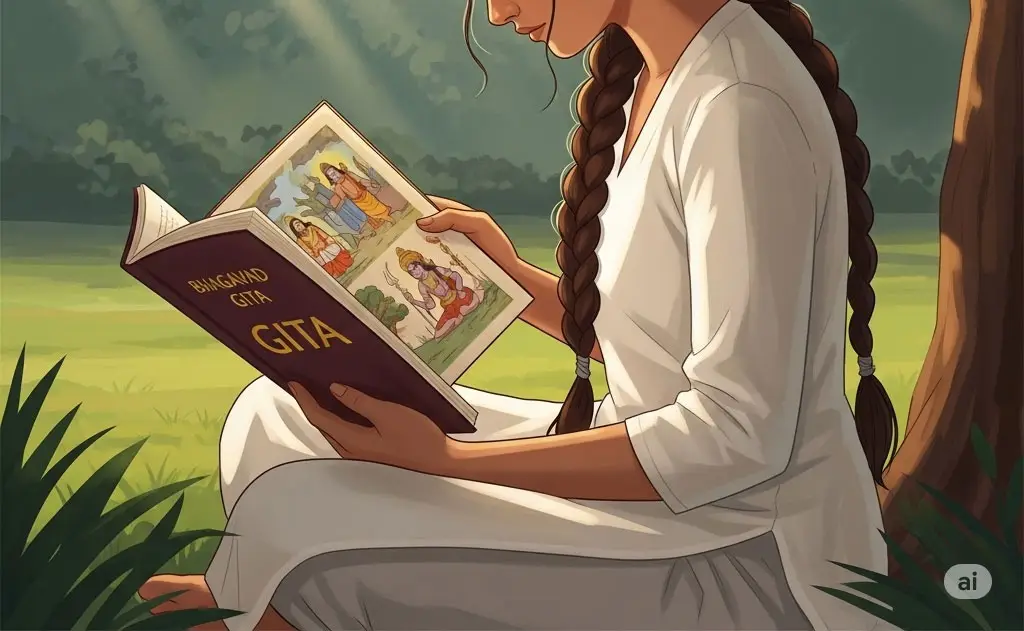
Panchangam 21 December 2026, Monday: Matsya Dwadashi, Ekadashi Parana, Soma Pradosh and Masik Karthigai, Tithi and Puja Vidhi
Monday 21 December 2026 is Margashirsha Shukla Dwadashi: the day to break the Vaikuntha Ekadashi fast, Matsya Dwadashi…
Panchangam 20 December 2026, Sunday: Vaikuntha (Mukkoti) Ekadashi, Gita Jayanti and Mokshada Ekadashi, Tithi, Nakshatra and Puja Vidhi
Sunday 20 December 2026 brings three observances together: Vaikuntha (Mukkoti) Ekadashi, Gita Jayanti and Mokshada…
Panchangam 19 December 2026, Saturday: Shukla Dashami, Revati Nakshatra and the Eve of Vaikuntha Ekadashi
Saturday 19 December 2026 is Margashirsha Shukla Dashami, the eve of Vaikuntha (Mukkoti) Ekadashi. Ekadashi begins at…
Panchangam 18 December 2026, Friday: Shukla Navami, Uttara Bhadrapada Nakshatra, Lakshmi Puja and Dhanurmasam Day 3
Friday 18 December 2026 is a quiet Shukla Navami with no major festival, the third dawn of Dhanurmasam and a Friday…
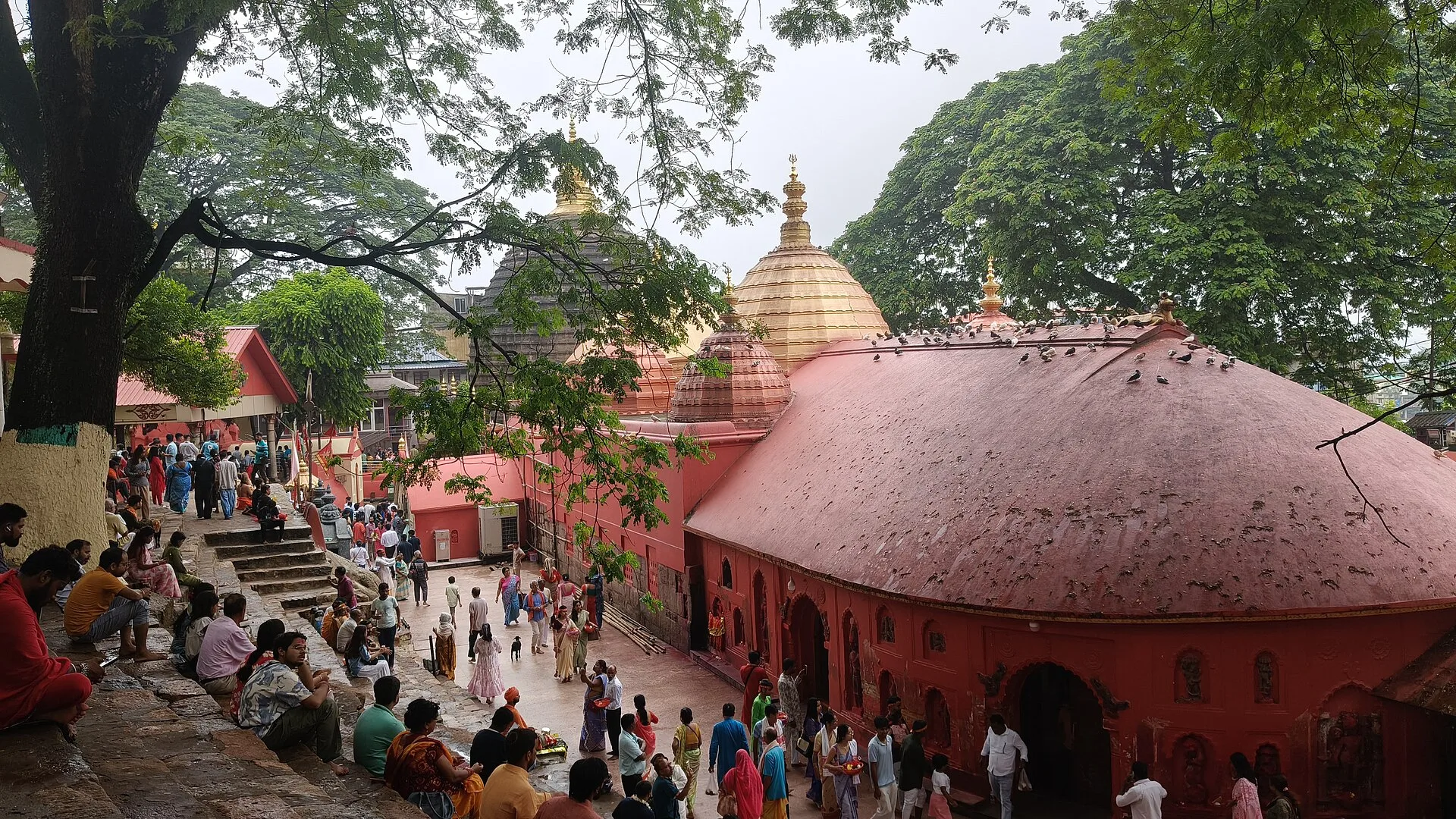
Panchangam 17 December 2026, Thursday: Masik Durgashtami, Shukla Ashtami, Purva Bhadrapada Nakshatra and Puja Vidhi
Thursday 17 December 2026 is Masik Durgashtami, the monthly Ashtami of Goddess Durga, falling on a Margashirsha…
Panchangam 16 December 2026, Wednesday: Dhanu Sankranti and the Start of Dhanurmasam, Tithi, Nakshatra and First Tiruppavai Dawn
Wednesday 16 December 2026 is Dhanu Sankranti, when the Sun enters Sagittarius and the sacred dawn month of…
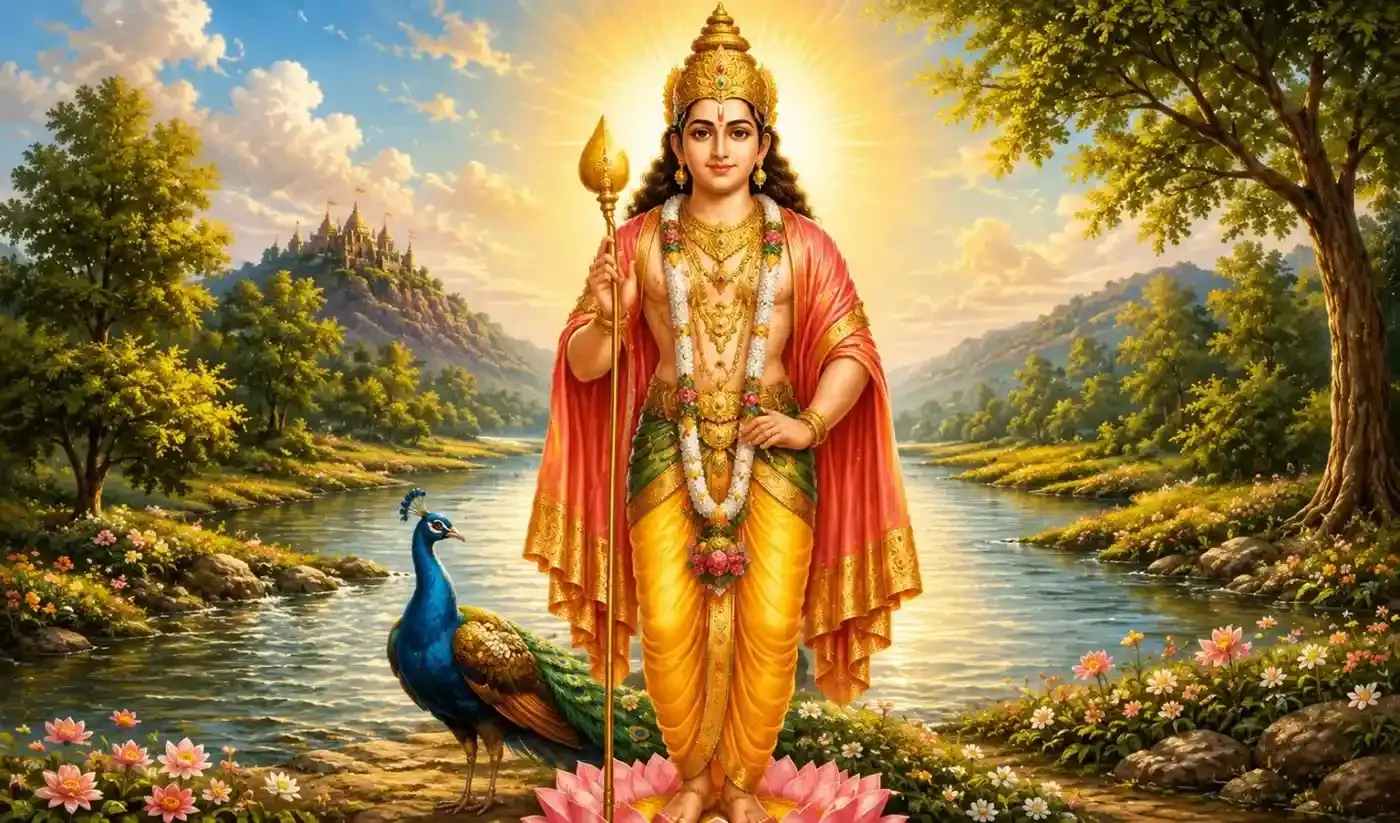
Panchangam 15 December 2026, Tuesday: Champa Shashthi and Skanda Sashti (Subrahmanya Shashti), Tithi, Nakshatra and Puja Vidhi
Tuesday 15 December 2026 is Margashirsha Shukla Shashthi: Subrahmanya Shashti in the Telugu states and Karnataka…
Panchangam 14 December 2026, Monday: Vivah Panchami and Naga Panchami (Telugu), Tithi, Nakshatra and Puja (Hyderabad)
Monday 14 December 2026 is Margasira Shukla Panchami: Vivah Panchami, the wedding day of Sita and Rama as commonly…
Panchangam 13 December 2026, Sunday: Krichchhra Chaturthi, Shukla Chaturthi and Ganesha Puja (Hyderabad)
Sunday 13 December 2026 is Margasira Shukla Chaturthi, listed by Drik Panchang as Krichchhra Chaturthi. In Hyderabad…
Panchangam 12 December 2026, Saturday: Shukla Tritiya, Uttara Ashadha Nakshatra and a Saturday Venkateswara Prayer (Hyderabad)
Saturday 12 December 2026 is an ordinary day in Margasira's bright fortnight. In Hyderabad Shukla Tritiya ends at…
FAQs
What is a panchang?
A panchang is the traditional Hindu almanac. Its name means five limbs: tithi (lunar day), vara (weekday), nakshatra (lunar mansion), yoga and karana. Families use it to find festival dates, fasting days, auspicious times for ceremonies and daily periods like Rahu Kalam.
Why does the panchang differ by city?
Panchang elements depend on the positions of the sun and moon as seen from a particular place, so sunrise, tithi timings and muhurtams vary by location. A festival may fall on different days in India and abroad. Always choose your own city in our panchang.
What is the difference between Amanta and Purnimanta calendars?
In the Amanta system, used in Andhra Pradesh, Telangana, Karnataka, Maharashtra and Gujarat, a lunar month ends on the new moon. In the Purnimanta system, common in North India, it ends on the full moon. Festival tithis stay the same; only the month names around them shift.
What is Rahu Kalam?
Rahu Kalam is a daily period of roughly an hour and a half that many South Indian families avoid for starting new ventures. Its timing depends on the weekday and local sunrise and sunset, so it changes by city and season. Check our panchang for today's period.