Basistha Temple (Basistha Ashram), Guwahati
Shiva temple · Guwahati (Basistha), Kamrup Metropolitan, Assam, India
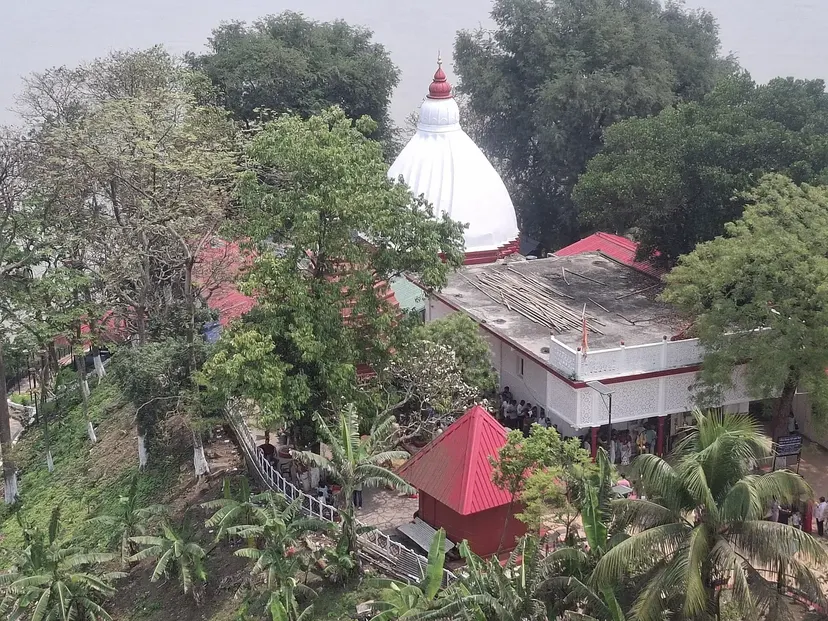
Basistha Temple is a Shiva temple in the south-eastern part of Guwahati, Assam, standing within the Basistha Ashram, the place traditionally believed to have been the hermitage of the sage Vasishtha (Basistha in Assamese). The present temple was built in the 18th century under the patronage of the Ahom king Rajeswar Singha.
The ashram lies on the edge of the hills at the city's outskirts, about 12 km from central Guwahati according to the C.P.R. Environmental Education Centre, beside mountain streams named Sandhya, Lalita and Kanta that come down from the hills of Meghalaya. A photo-history of Guwahati's temples in Northeast Zine places it on Sandhyachal hill.
Faith & Tradition
Religious Significance of Basistha Temple (Basistha Ashram), Guwahati
The site's sanctity comes from its association with Vasishtha, one of the great sages of Hindu tradition. According to belief recorded by Wikipedia and The Sentinel, this was the sage's home, and the ashram is said to date back to the Vedic age. Wikipedia notes that the sunken sanctum of the temple is believed to hold a footprint of the sage. The C.P.R. Environmental Education Centre adds that the ashram grounds contain a grave said to be the sage's, reflecting a local tradition that he died here.
Pilgrims also visit a cave in which the sage is believed to have meditated. Wikipedia and The Sentinel place it about 5 km from the temple, inside the ashram area. These traditions are matters of faith rather than documented history.
The streams beside the temple are themselves part of the site's identity. According to Wikipedia and the C.P.R. Environmental Education Centre, the waters that flow past the ashram go on to form the Basistha and Bahini (Bharalu) rivers that run through Guwahati.
Heritage
History of Basistha Temple (Basistha Ashram), Guwahati
Wikipedia records that the site has evidence of an earlier stone temple dating to around 1000–1100 CE, and that a brick temple was built in the mid-18th century on the remains of that older structure. The builder of the present temple was the Ahom king Swargadeo Rajeswar Singha, who reigned from 1751 to 1769. The Sentinel gives the year of construction as 1764, while Northeast Zine dates it more generally to the middle of the 18th century.
According to the C.P.R. Environmental Education Centre, Rajeswar Singha also granted 835 bighas of land for the upkeep of the ashram. The temple is one of several in and around Guwahati built under Ahom royal patronage in the 17th and 18th centuries; Northeast Zine notes that the same king sponsored the Navagraha temple in 1752.
Architecture and sacred features
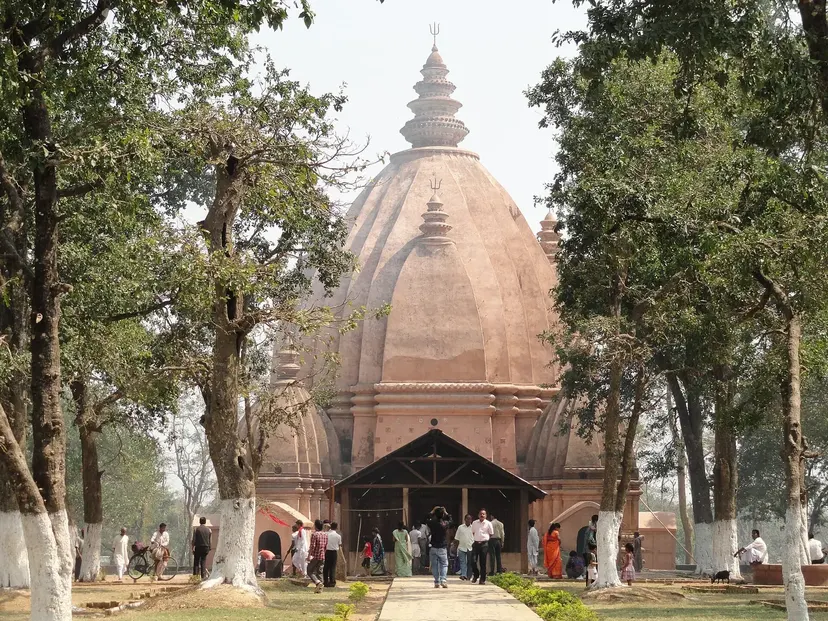
Wikipedia describes the present brick temple as octagonal at the base, with a polygonal shikhara (spire) rising above it. The garbhagriha (sanctum) is sunken below the level of the surrounding floor and is believed to contain the footprint of the sage Vasishtha.
Plan Your Visit
Darshan and Visitor Information
The ashram is set beside forest streams and on the edge of a reserve forest, so paths can be slippery after rain, and Wikipedia notes that the forest is home to elephants. Respect the sanctity of the shrine and the ashram, and follow local instructions on bathing in the streams and on visiting the cave. Confirm current timings and access to the cave locally before visiting.
Timings and arrangements change with seasons and festivals. Confirm current details with the temple administration before travelling. Last reviewed 1 November 2026.
Location
How to Reach Basistha Temple (Basistha Ashram), Guwahati
The temple lies in the Basistha area in the south-east of Guwahati, about 12 km from the city according to the C.P.R. Environmental Education Centre (Wikipedia gives 10–12 km), on the outskirts of the Garbhanga reserve forest. OpenStreetMap shows Basistha Mandir Road running from Basistha Chariali, with an Assam State Transport Corporation bus station named Basistha Mandir on it.
Location: Guwahati (Basistha), Kamrup Metropolitan, Assam, India
More in Hindu temples in Assam · Shiva temples · Temples in Azara Circle · Temples in Kamrup Metropolitan District
Questions
Basistha Temple (Basistha Ashram), Guwahati: Frequently Asked Questions
Who built Basistha Temple?
The present temple was built under the Ahom king Rajeswar Singha, who reigned from 1751 to 1769. The Sentinel gives 1764 as the year of construction.
Why is it called Basistha?
The ashram is traditionally believed to have been the home of the sage Vasishtha, known as Basistha in Assamese.
Which rivers flow past Basistha Ashram?
Three mountain streams named Sandhya, Lalita and Kanta, which come down from the hills of Meghalaya and go on to form the Basistha and Bahini (Bharalu) rivers of Guwahati.
What is special about the temple's architecture?
According to Wikipedia, it is an octagonal brick temple with a polygonal spire and a sunken sanctum believed to contain the sage's footprint.
Is there a cave at Basistha Ashram?
Yes. A cave where the sage is believed to have meditated lies about 5 km from the temple, within the ashram area.
How far is Basistha Temple from Guwahati?
It is in the south-eastern outskirts of the city, about 12 km from central Guwahati.
Sources and attribution
- Wikipedia — Basistha Temple
- C.P.R. Environmental Education Centre (Eco-heritage portal) — Basistha Temple
- The Sentinel (Assam) — Know the 18 most famous temples in Assam
- OpenStreetMap contributors — Basistha Mandir bus station (node 12027975910) and Basistha Mandir Road
- Northeast Zine — Historic temples of Guwahati – a photo story by Anu Boro
Further reading: Basistha Temple (Basistha Ashram), Guwahati on Wikipedia (CC BY-SA 4.0).
Spotted an error? Write to info@hindutone.com — see our editorial policy.