
Nageshvara Temple, Begur (Bengaluru)
Shiva as Nageshvara temple · Begur, Bengaluru, Bengaluru Urban, Karnataka, India
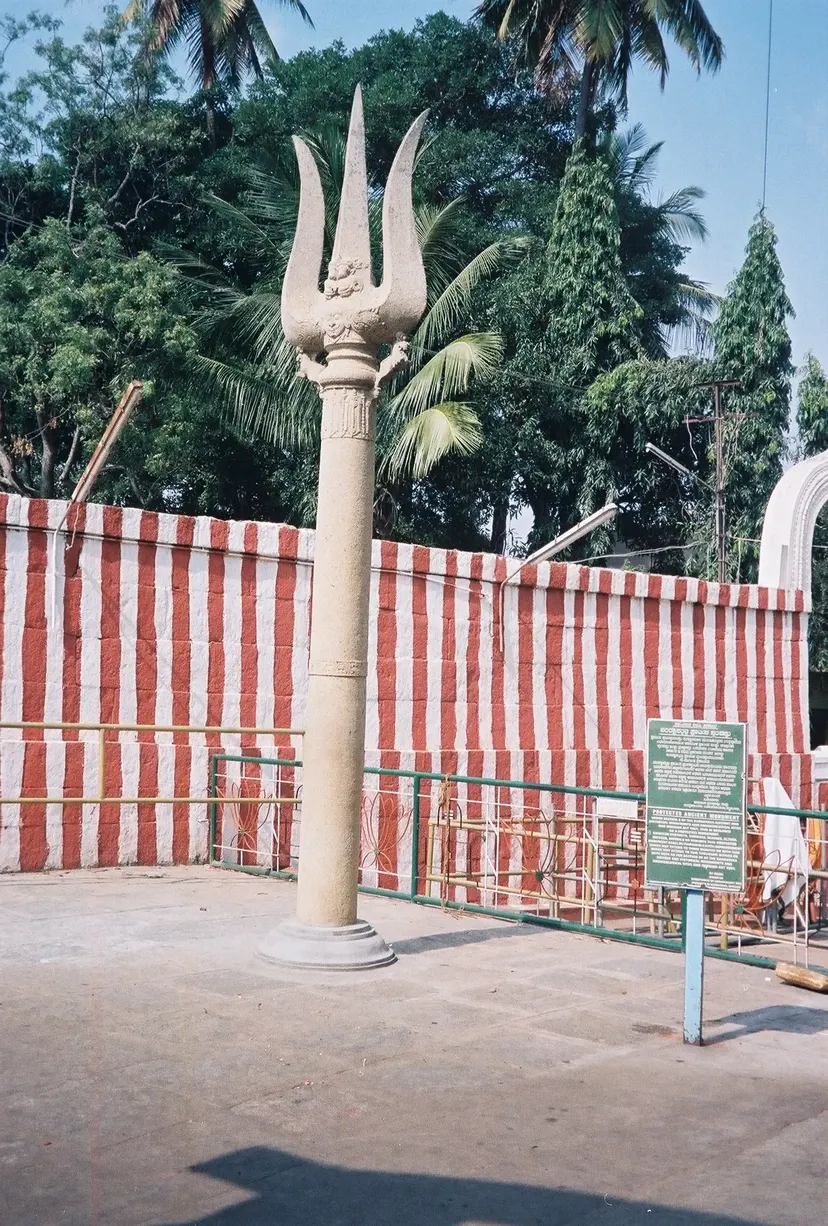
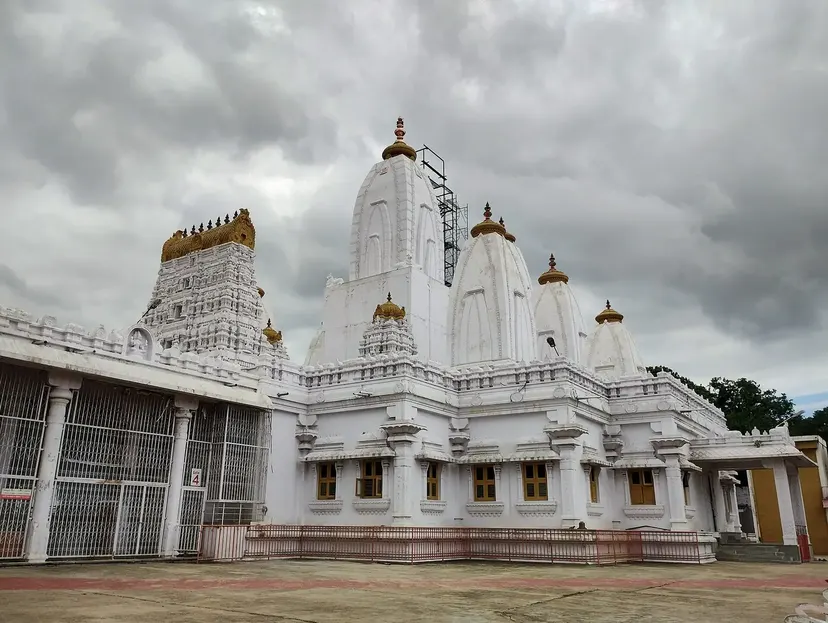
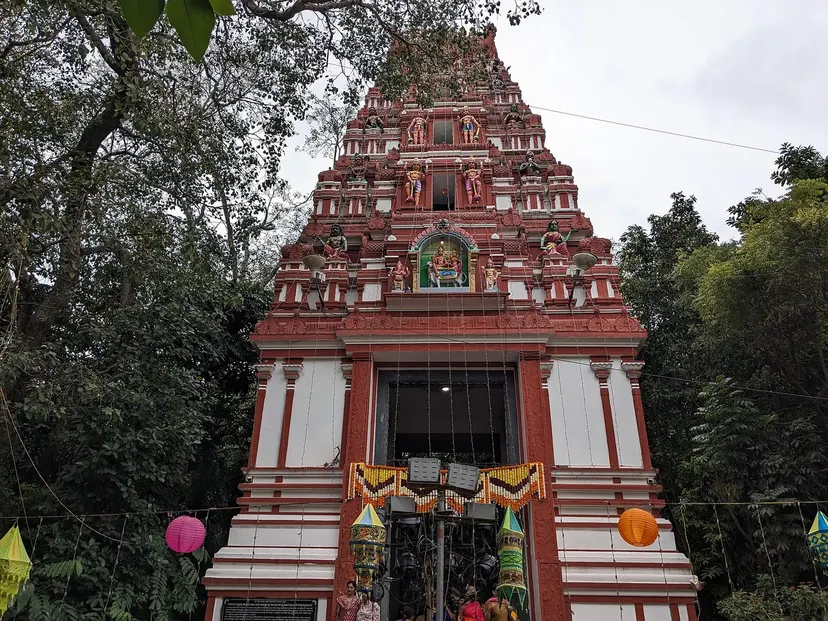
The Nageshvara Temple stands in Begur, in the southern part of Bengaluru, Karnataka. Wikipedia describes it as a Shiva temple with a linga in the sanctum; it is also known locally as Naganatheshvara. A second shrine of the complex is also dedicated to Nageshvara.
The temple is best known for an Old Kannada inscription found in the complex, which Wikipedia describes as the earliest evidence of a place named Bengaluru.
Faith & Tradition
Religious Significance of Nageshvara Temple, Begur (Bengaluru)
Wikipedia says the inscription, found by the epigraphist R. Narasimhachar and recorded in Epigraphia Carnatica, dates to about 890 CE and mentions a 'Bengaluru war'. Citizen Matters, a Bengaluru civic news site, similarly reports that the oldest inscription referring to Bangalore was found here, dating to around 900 AD and mentioning Buttanashetty, son of Nagattara, who died in the 'Battle of Bengaluru'. The two sources give slightly different dates.
Citizen Matters adds that Nagattara was a feudal chief of the Gangas, and that hero stones lie beside the inscriptions. A Shiva linga is worshipped in the sanctum, and Wikipedia mentions a tradition that Ravana, after losing the atma linga at Gokarna, worshipped Nageshwara here on his way back to Sri Lanka; this is legend only.
Heritage
History of Nageshvara Temple, Begur (Bengaluru)
According to Wikipedia, citing I.K. Sarma's study of Ganga temples, the main shrine was commissioned under the Western Ganga kings Nitimarga I (r. 843-870) and Ereyappa Nitimarga II (r. 907-921). Citizen Matters describes the Nageshvara shrine as the oldest part, from about 900 AD.
Later shrines in the complex are attributed to the Chola, Hoysala and Vijayanagara periods, and Wikipedia notes that the open and closed halls were renovated in later periods. Citizen Matters notes that the varied pillars suggest the temple was extended over several periods.
Architecture and sacred features
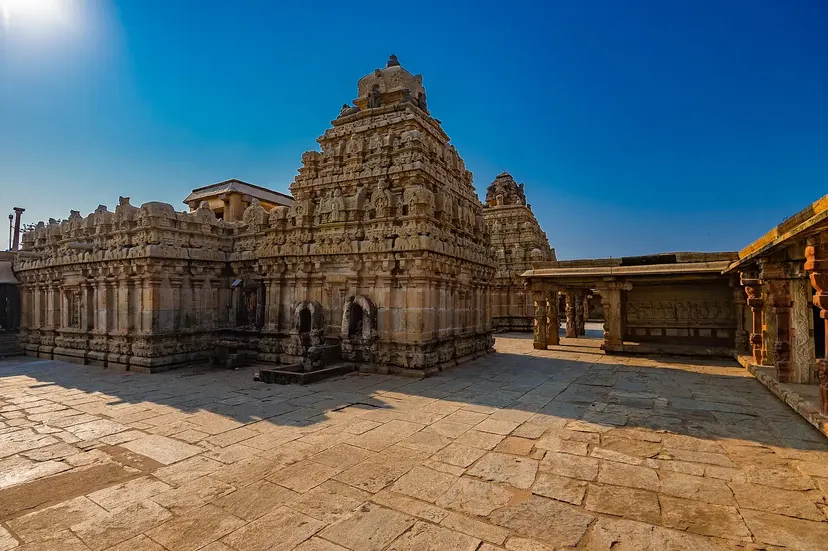
Wikipedia describes the main temple as having a square sanctum, a vestibule, a closed great hall (navaranga) and an open hall. The open hall has six unequally spaced white granite pillars with fluted octagonal sections, and a Nandi sits on a lotus platform in the outer bay.
The closed hall ceiling has eight panels, one showing four-armed Uma-Maheshvara; the open hall ceiling shows Shiva and Parvati seated at the centre. Other sculpture includes Mahishasuramardini, a two-armed Ganesha and Kalabhairava, and the door lintel has Gajalakshmi with elephants. The second shrine faces east and has an eight-pillared porch with another Nandi.
Plan Your Visit
Darshan and Visitor Information
Citizen Matters reports that people visit for pujas and weekly rituals. Its author was told the temple was not on the ASI list, whereas Wikipedia cites an ASI Bangalore Circle monument list, so protection status is unclear; confirm locally. Please do not touch the inscription and hero stones, and check timings with the temple office.
Timings and arrangements change with seasons and festivals. Confirm current details with the temple administration before travelling. Last reviewed 1 November 2026.
Location
How to Reach Nageshvara Temple, Begur (Bengaluru)
Citizen Matters (2009) places the temple about 3.6 km down Begur Road from the Bommanahalli junction on Hosur Road, a few kilometres from Silk Board junction. Check current routes and transport locally.
Location: Begur, Bengaluru, Bengaluru Urban, Karnataka, India
More in Hindu temples in Karnataka · Shiva as Nageshvara temples · Temples in Bengaluru South Taluk · Temples in Bengaluru North District
Questions
Nageshvara Temple, Begur (Bengaluru): Frequently Asked Questions
Why is Begur's Nageshvara Temple famous?
An Old Kannada inscription found here, dated about 890-900 CE, mentions a 'Battle of Bengaluru' and is described as the earliest evidence of the name.
Who is the deity?
Shiva as Nageshvara, worshipped as a linga.
Who built the temple?
Wikipedia attributes the main shrine to Western Ganga kings Nitimarga I and Ereyappa Nitimarga II; later shrines are linked to Chola, Hoysala and Vijayanagara times.
Do sources agree on the inscription's date?
Not exactly. Wikipedia says about 890 CE; Citizen Matters says around 900 AD.
Who was Nagattara?
According to Citizen Matters, a feudal chief of the Gangas named in the inscription as father of Buttanashetty.
Is the temple ASI protected?
Sources conflict or are silent: Wikipedia cites an ASI list, while a 2009 article's author was told it is not listed. Check locally.
Sources and attribution
- Wikipedia — Nageshvara Temple, Begur
- Citizen Matters — Millennium old Begur temple tells the story of Bengaluru
Further reading: Nageshvara Temple, Begur (Bengaluru) on Wikipedia (CC BY-SA 4.0).
Spotted an error? Write to info@hindutone.com — see our editorial policy.
Pilgrim Circuit