
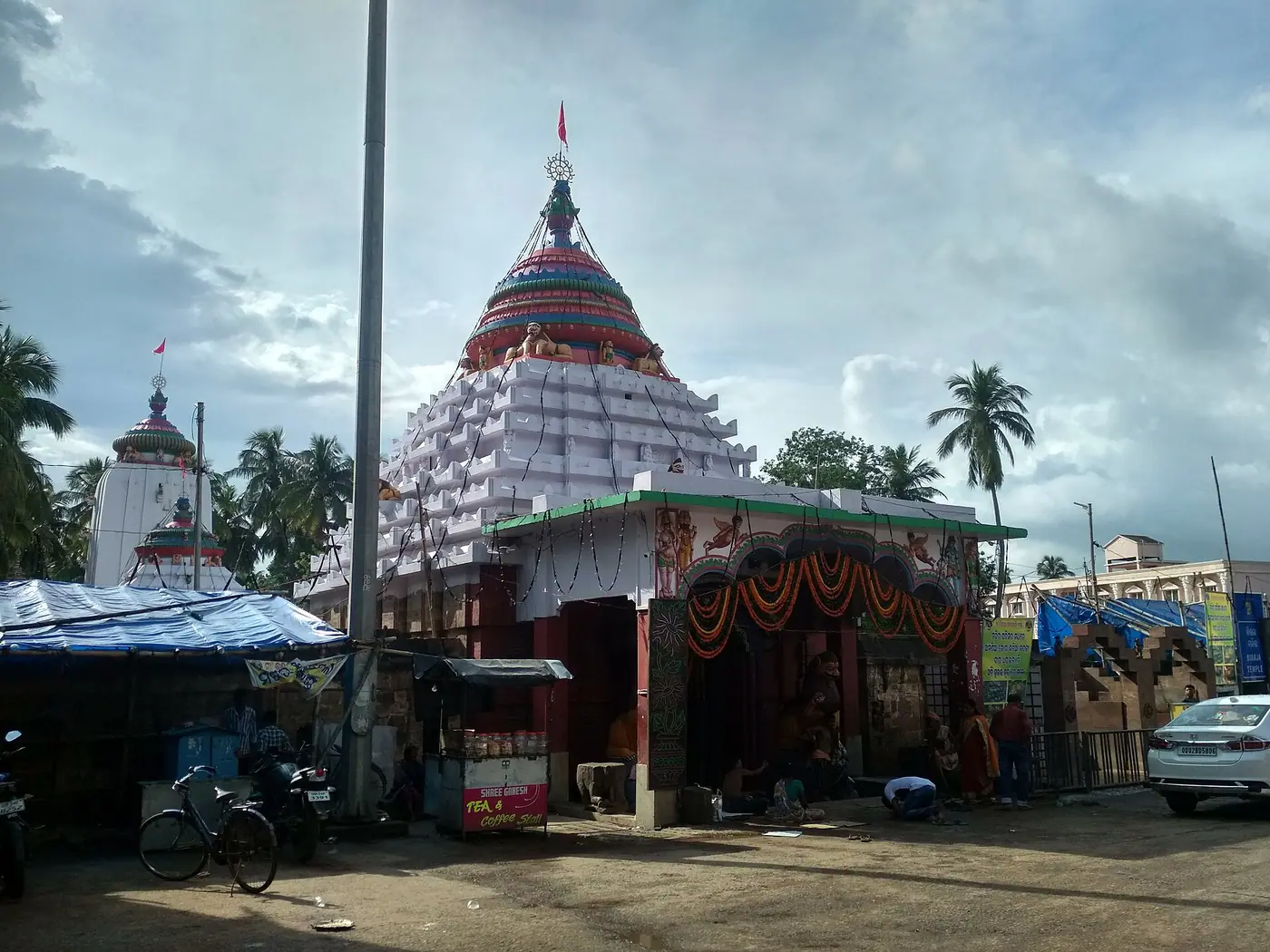
Biraja Temple
Devi (Biraja / Viraja) temple · Jajpur, Odisha, India
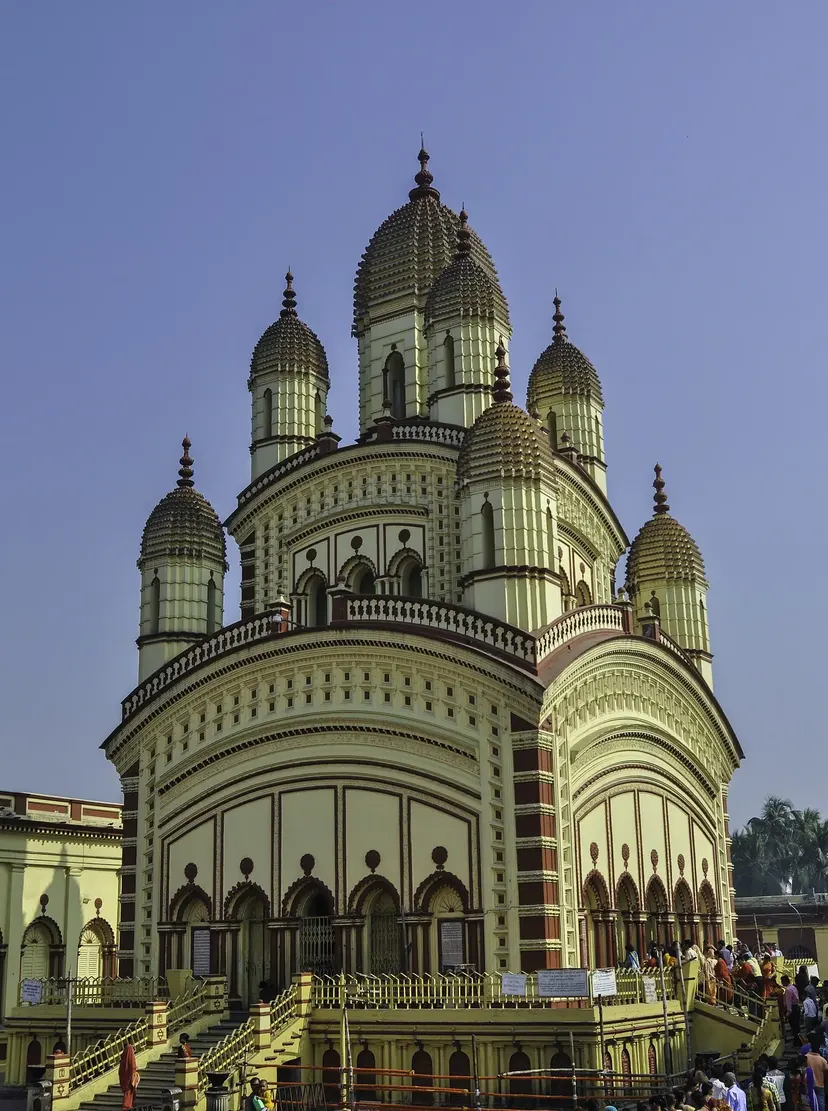
Photo: Pratap555 · CC BY-SA 4.0 · via Wikimedia Commons
Biraja (Viraja) Temple is the shrine of the goddess Biraja, a form of Durga, at Jajpur in Odisha. Odisha Tourism places it about 125 km north of Bhubaneswar and describes it as one of the most revered Shakti shrines of the state.
The goddess is shown in a rare two-armed form as Mahishamardini, slaying the buffalo demon. The temple complex is also an important place for ancestral rites at the Nabhi Gaya well, and it is a protected monument of the Odisha State Archaeology department.
Faith & Tradition
Religious Significance of Biraja Temple
According to later Tantric tradition, the navel of the goddess Sati fell at Jajpur, and the temple is counted among the Shakti Pithas; Odisha Tourism lists it among the 18 Maha Shakti Pithas. The temple trust itself notes that earlier Puranas such as the Kurma and Matsya Puranas do not link Biraja with any part of Sati's body, and that the association comes from later Tantric texts.
Jajpur is also known as a pitri tirtha, a place for offering pinda to ancestors. According to a Puranic story retold by the temple trust, the body of the demon Gaya lay across India with his navel at Biraja, his head at Gaya in Bihar and his feet at Pithapuram on the Godavari. A deep well inside the temple compound, called Nabhi Gaya, is where pilgrims offer pinda.
The temple trust cites a reference to Viraja Tirtha in the Vana Parva of the Mahabharata as evidence of the site's early sanctity. Odisha Tourism notes that in the Bhaumakara period (9th century) Tantric Buddhists also worshipped the goddess, as Prajnaparamita.
Heritage
History of Biraja Temple
Based on its iconography, the presiding image can be dated to around the Gupta period (about the 5th century CE), according to a heritage documentation report prepared for the Indira Gandhi National Centre for the Arts (IGNCA). Other loose sculptures at the site date to the 8th-9th centuries.
The temple trust records that the Somavamshi ruler Yayati II built a large temple for the goddess, which was destroyed during the Afghan conquest of 1568. The present temple was rebuilt in the 19th century; the trust credits the reconstruction to Sudarshan Mohapatra, a zamindar of Jajpur, in the first half of that century. The compound wall was later built by a monk named Bhikari Das, whose inscription is on the lion gate.
The trust lists five surviving inscriptions in the complex, including one of the Ganga ruler Chodagangadeva (12th century) recording an offering of lamps to the goddess.
Architecture and sacred features
The IGNCA report describes the temple as facing east, with a rekha vimana (curvilinear tower) and a pidha jagamohana (hall with a stepped roof) in the Kalinga style, built of khondalite in ashlar masonry and now heavily plastered and whitewashed. The trust gives the height of the temple as 70 ft.
A compound wall with gateways on four sides, the main one being the eastern lion gate (Simhadwara), encloses the temple and several smaller shrines. Older sculptures, including images of Ardhanarishvara, Lakulisha, the Matrikas and Mahishamardini, are set into the walls.
Plan Your Visit
Darshan and Visitor Information
Odisha Tourism lists no entry fee and gives morning and afternoon darshan sessions with a midday break (checked October 2026). Confirm current arrangements with the Biraja Mandira Trust Board before travelling.
The temple trust mentions the Biraja Panthasala next to the temple as a place to stay for pilgrims.
Timings and arrangements change with seasons and festivals. Confirm current details with Biraja Mandira Trust Board (official website) before travelling. Last reviewed 5 October 2026.
Sacred Calendar
Festivals at Biraja Temple
Durga Puja and Biraja Ratha Yatra
During Dussehra the goddess rides the chariot Singhadhwaja through Jajpur town, a car festival that the temple trust traces back to the Somavamshi period.
Triveni Amavasya
Observed as the goddess's birthday; she is dressed as Savitri in yellow with gold ornaments.
Dola Purnima
The goddess's representative image is taken to the Dolavedi, sprinkled with coloured powder, and the new almanac is read out.
Varuni Snana
Pilgrims bathe in the Vaitarani river and offer pinda at Dashashvamedha Ghat and Nabhi Gaya, and the goddess is bathed with Vaitarani water.
Savitri Amavasya
Married women come in large numbers to pray to the goddess, who is regarded here as Savitri.
Location
How to Reach Biraja Temple
Odisha Tourism names Biju Patnaik International Airport, Bhubaneswar, as the nearest airport and Jajpur Keonjhar Road as the nearest railway station. Jajpur is reached by road via Cuttack and Bhubaneswar.
The IGNCA report places the temple at Devidwar, about 2.5 km from the Jajpur town bus stand, on the Jajpur-Binjharpur road.
Location: Jajpur, Odisha, India
Nearest airport: Biju Patnaik International Airport, Bhubaneswar
Nearest railway station: Jajpur Keonjhar Road
More in Hindu temples in Odisha · Devi (Biraja / Viraja) temples
Questions
Biraja Temple: Frequently Asked Questions
Which goddess is worshipped at Biraja Temple?
The goddess Biraja (Viraja), a form of Durga, shown as a two-armed Mahishamardini piercing the buffalo demon with a trident.
Is Biraja Temple a Shakti Pitha?
By tradition, yes: later Tantric texts hold that Sati's navel fell here, and Odisha Tourism lists it among the 18 Maha Shakti Pithas. The temple trust notes that earlier Puranas do not make this link.
What is Nabhi Gaya at Biraja Temple?
It is a deep well inside the temple compound where pilgrims offer pinda to their ancestors. Tradition holds that the navel of the demon Gaya rested at Jajpur.
How old is Biraja Temple?
The present structure was rebuilt in the 19th century, but the presiding image is dated by its iconography to about the Gupta period, and an earlier temple of the Somavamshi era was destroyed in 1568.
Is Biraja Temple a protected monument?
Yes. The IGNCA documentation records it as a protected monument of the Odisha State Archaeology department, under the state Endowment Department.
What is the nearest railway station to Biraja Temple?
Odisha Tourism names Jajpur Keonjhar Road as the nearest railway station.
When is the Biraja Ratha Yatra held?
During Dussehra, when the goddess travels through Jajpur town on the chariot Singhadhwaja.
Sources and attribution
- © OpenStreetMap contributors — location data © OpenStreetMap contributors (ODbL)
- Wikidata Q4915588 — structured data (CC0)
- Wikipedia — Biraja Temple — text facts from Wikipedia, licensed CC BY-SA 4.0
- Department of Tourism, Government of Odisha — Biraja Temple
- Indira Gandhi National Centre for the Arts — Documentation format: Viraja Temple, Jajpur (OR/JPR-14) (archived copy)
- Biraja Mandira Trust Board — History
- Biraja Mandira Trust Board — The Temple
- Biraja Mandira Trust Board — Iconography
- Biraja Mandira Trust Board — Inscriptions
- Biraja Mandira Trust Board — Navigaya
- Biraja Mandira Trust Board — Fairs and Festivals
Further reading: Biraja Temple on Wikipedia (CC BY-SA 4.0).
Spotted an error? Write to info@hindutone.com — see our editorial policy.
Pilgrim Circuit