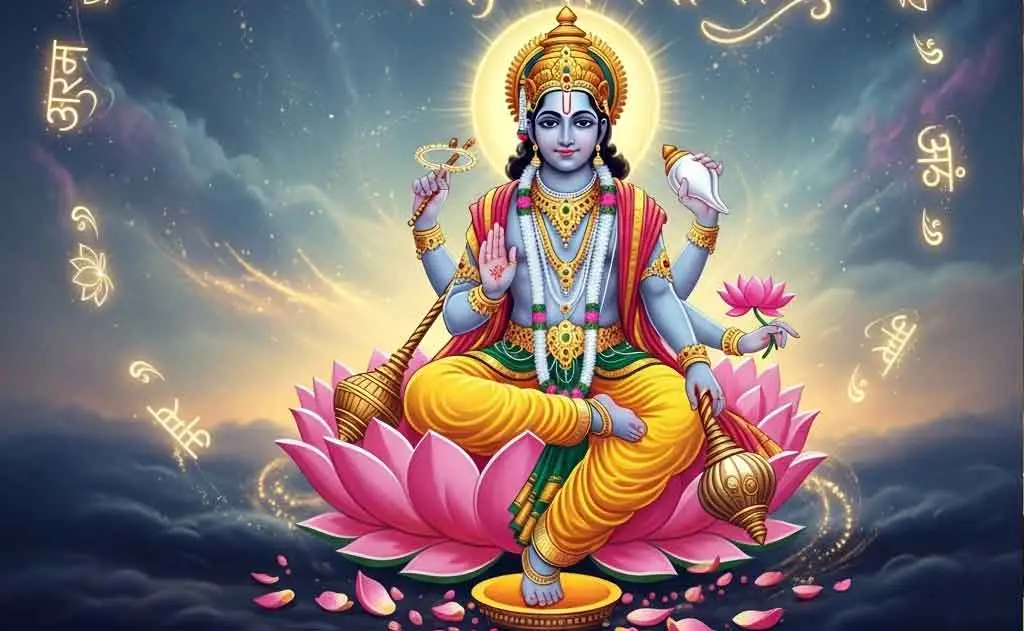
Udupi Krishna Temple’s Vaikuntha Ekadashi: A Night of Bhajans & Bhakti
Udupi Krishna Temple’s Vaikuntha Ekadashi: A Night of Bhajans & Bhakti Madhva Sampradaya, Harikatha Till Dawn & the Discipline of Devotion at Sri Krishna’s…

Update (October 2026): Vaikuntha Ekadashi 2026 falls on Sunday, 20 December (Saturday, 19 December for Smarta households in the USA and Canada). This article describes an earlier observance — for current dates and guidance, see our Vaikuntha Ekadashi 2026 guide.
Udupi Krishna Temple’s Vaikuntha Ekadashi: A Night of Bhajans & Bhakti
Madhva Sampradaya, Harikatha Till Dawn & the Discipline of Devotion at Sri Krishna’s Abode
Introduction: When Udupi Stays Awake for Krishna
In the sacred coastal town of Udupi, Vaikuntha Ekadashi is not marked by spectacle or massive processions—it is marked by discipline, philosophy, and intense inner devotion. At the Udupi Sri Krishna Temple, founded by Jagadguru Madhvacharya, Vaikuntha Ekadashi unfolds as a night-long immersion in bhajans, Harikatha, and scriptural contemplation, reflecting the essence of the Dvaita (dualistic) philosophy.
In the final weeks of December 2025, as Vaishnava temples across India prepared for Ekadashi, Udupi once again reaffirmed its distinct identity—where bhakti is guided by jnana, and devotion is anchored in strict temple discipline. For Madhva followers, this night is not about crossing symbolic gateways; it is about awakening the soul through unwavering remembrance of Krishna.
This article explores the Udupi Krishna Temple’s Vaikuntha Ekadashi celebration, focusing on:
- The Madhva tradition’s interpretation of Vaikuntha Ekadashi
- Overnight Harikatha and bhajans
- Temple discipline and fasting rules
—crafted especially for Hindutone’s spiritually discerning audience.
Why Udupi’s Vaikuntha Ekadashi Is Spiritually Distinct
Primary Keyword: Udupi Krishna Temple Vaikuntha Ekadashi
The Udupi Krishna Temple Vaikuntha Ekadashi stands apart because:
- It follows Madhvacharya’s Dvaita Vedanta
- Emphasizes bhakti with philosophical clarity
- Focuses on night-long listening and singing, not procession
- Maintains strict ritual discipline and fasting protocols
Here, devotion is not emotional excess—it is steady, alert, and unwavering.
Madhva Tradition & Vaikuntha Ekadashi: The Philosophical Core
Dvaita Perspective on Vaikuntha
According to Madhvacharya:
- Vishnu (Krishna) is supreme and eternally distinct
- The soul attains Vaikuntha through grace + devotion
- Liberation does not dissolve individuality—it perfects it
Thus, Vaikuntha Ekadashi at Udupi emphasizes:
- Listening (shravanam) to Hari-katha
- Chanting (kirtanam) with understanding
- Wakefulness (jagaran) as spiritual alertness
Sri Krishna of Udupi: The Deity Who Accepts Devotion Through Seva
Kanakana Kindi & Inclusive Bhakti
Udupi’s Krishna faces west, gazing through the Kanakana Kindi, symbolizing:
- God’s accessibility to sincere devotion
- Bhakti transcending caste and status
- Humility as the gateway to grace
On Vaikuntha Ekadashi, this symbolism deepens—Krishna listens as devotees stay awake for Him.
The Night of Vaikuntha Ekadashi at Udupi: Hour-by-Hour Experience
Dashami Evening
- Temple closes earlier for purification
- Mathas prepare for overnight Harikatha
- Devotees begin fasting and silence
Night Begins: Harikatha & Bhajans
Harikatha (Scriptural Storytelling)
- Based on Bhagavata Purana, Mahabharata
- Delivered by learned scholars
- Emphasis on Krishna’s supremacy
Listening is considered equal to tapas in Madhva tradition.
Bhajans & Kirtanas
- Classical Carnatic style
- Madhva compositions
- No loud instruments—focus on clarity and devotion
Devotees sit through the night, often without sleep, water, or food.
Brahma Muhurta
- Suprabhata seva
- Collective Vishnu Sahasranama
- Silent darshan of Krishna
The atmosphere is still, alert, and inwardly luminous.
Temple Discipline: The Heart of Udupi Ekadashi
Why Discipline Matters in Madhva Tradition
Discipline is seen as:
- A form of surrender
- Training for the liberated state
- Proof of sincerity in devotion
Temple volunteers and priests strictly maintain:
- Silence during Harikatha
- Orderly seating
- Modest dress
- Respectful conduct
Fasting Rules Followed at Udupi Krishna Temple
Temple-Approved Fasting Practices
- Nirjala fasting encouraged for capable devotees
- Others may follow milk-only fasting
- Fruits allowed only for elderly and unwell
Unlike other temples, phalahar is minimal, emphasizing restraint.
Temple teaching:
“Hunger sharpens remembrance of Hari.”
Spiritual Meaning of Staying Awake All Night
In Madhva philosophy:
- Sleep = spiritual inertia
- Wakefulness = readiness for grace
- Jagaran represents eternal service in Vaikuntha
Staying awake is not symbolic—it is practice for the soul’s eternal alertness.
Devotee Experience: Quiet Transformation
Common reflections from devotees:
- Mental clarity despite physical fatigue
- Deep calm during dawn darshan
- Sense of intellectual and emotional alignment
Many say:
“At Udupi, Ekadashi teaches you to listen to God, not just speak to Him.”
Scientific & Psychological Dimensions
Ayurvedic Perspective
- Ekadashi fasting aids detoxification
- Night vigil enhances awareness
- Coastal air improves respiratory calm
Neuroscience of Listening & Chanting
- Harikatha induces focused attention
- Repetition of names stabilizes emotions
- Reduces mental noise and anxiety
India & USA Madhva Community Observance
Madhva mathas worldwide observe Udupi-style Ekadashi:
- New Jersey Madhva Sanghas
- Texas Krishna temples
- Online Harikatha streamed from Udupi
USA devotees follow:
- Night vigil
- Milk or water fasting
- Harikatha listening at home
Internal Linking Strategy for Hindutone
Suggested internal links:
- Vaikuntha Ekadashi Fasting Rules Followed in Major Temples
- Srirangam Vaikuntha Ekadashi Celebration
- Tirupati Vaikuntha Ekadashi Darshan Explained
- Science Behind Ekadashi Fasting
- Night-Long Vaikuntha Ekadashi Jagaran Traditions
FAQs: People Also Ask About Udupi Vaikuntha Ekadashi
1. Why is Udupi’s Ekadashi quieter than others?
Because Madhva tradition emphasizes inward devotion.
2. Is Vaikuntha Dwaram opened at Udupi?
No symbolic gate—liberation is taught through knowledge and devotion.
3. Is fasting compulsory?
Strongly encouraged, but adapted for health.
4. Can women attend overnight programs?
Yes, with designated seating and safety.
5. Why Harikatha is central here?
Listening is a primary path to liberation in Dvaita.
6. Are bhajans loud or processional?
No, they are seated and contemplative.
7. Can children attend?
Yes, especially Harikatha sessions.
8. What makes Udupi different from Srirangam?
Srirangam enacts moksha ritually; Udupi teaches moksha philosophically.
Conclusion: Vaikuntha as Eternal Wakefulness
The Udupi Krishna Temple’s Vaikuntha Ekadashi teaches a profound lesson: liberation is not an event—it is a state of alert devotion. Through disciplined fasting, night-long listening, and steady bhakti, devotees train the soul for its eternal role—service at Krishna’s feet.
For More Devotional Journey, Follow
- Temples
/temples/ - Tirumala Updates
/tirumala/ - Sabarimala Yatra
/category/sabarimala-yatra/ - Pooja, Slokas & Mantras
/pooja-slokas-and-mantras/ - Hindu Gods
/hindu-gods/
As devotees reflected in December 2025:
“We did not stay awake for one night—we awakened something within.”
How to Reach — Travel Guide — Udupi Sri Krishna Matha
✈️ By Flight
Mangalore International Airport (IXE, ~60 km) is the nearest, with flights from Bengaluru, Mumbai, Delhi, Hyderabad, Chennai and several Gulf hubs. Taxis to Udupi take ~1.5 hours via NH-66.
🚂 By Train
Udupi Railway Station (UD) is ~3 km from the matha; the Konkan Railway connects it to Mumbai (Matsyagandha Express, Mangalore Express), Goa, Mangalore, Trivandrum, Bengaluru.
🚌 By Bus
Udupi KSRTC Bus Stand is ~1 km from the matha. Frequent services from Mangalore (1.5 hrs, every 15 min), Bengaluru (overnight Volvo, 8 hrs), Mumbai (overnight, 14 hrs), Goa (4 hrs), Hubli.
🚗 By Road / Car
On NH-66 (coastal Karnataka). From Mangalore (60 km), Karwar (190 km), Bengaluru (400 km via Shimoga and NH-50), Mumbai (920 km).
Best Places to Visit Near Udupi Sri Krishna Matha
Combine your darshan at Udupi Sri Krishna Matha with these well-known nearby attractions for a complete pilgrimage and travel experience:
Malpe Beach (6 km) — clean Arabian Sea beach; sunset; ferry to St. Mary's Island.
St. Mary's Island (boat from Malpe) — basaltic columnar geological wonder.
Anantheshwara & Chandramouleeshwara Temples (next to the matha) — the two Shiva temples that complete the Udupi triad with Krishna.
Kollur Mookambika Temple (75 km) — major Devi shrine at the foot of Kodachadri hills.
Manipal & End Point (5 km) — university town; viewpoint over the Western Ghats.
Karkala Bahubali Statue (40 km) — 42-ft monolithic Jain Tirthankara statue from 1432.
All distances are approximate; please verify on Google Maps and check current road, weather and local conditions before travelling. For latest darshan timings and special pilgrim arrangements, refer to the temple's official authority website.
Frequently Asked Questions
Where is Udupi Krishna Temple’s Vaikuntha Ekadashi located?
Udupi Krishna Temple’s Vaikuntha Ekadashi: A Night of Bhajans & Bhakti Madhva Sampradaya, Harikatha Till Dawn & the Discipline of Devotion at Sri Krishna’s Abode Introduction: When Udupi Stays Awake for Krishna In the sacred coastal town of Udupi , Vaikuntha Ekadashi is not marked by spectacle or massive processions—it is marked by discipline, philosophy, an
Who is the presiding deity of Udupi Krishna Temple’s Vaikuntha Ekadashi?
The presiding deity is Lord Krishna.
What are the timings and how do I reach Udupi Krishna Temple’s Vaikuntha Ekadashi?
Temples typically open early morning and evening; confirm current darshan timings before visiting. The nearest airport, railway station and road routes are covered in the guide above.
What is the best time to visit Udupi Krishna Temple’s Vaikuntha Ekadashi?
Major festival days and the cooler months are popular, though weekday mornings offer a calmer darshan. Plan around the temple's key festivals for the most vibrant experience.
Share this with family and friends
Send it on WhatsApp, post it, or copy the link.
More from Temples
- Famous Temples in Uttarakhand: A Source-Checked Guide to Kedarnath, Badrinath, Tungnath, Haridwar, Almora and More
- Famous Temples in Odisha: A Source-Checked Guide to Puri, Bhubaneswar, Biraja, Tara Tarini and Western Odisha
- Famous Temples in West Bengal: A Source-Checked Guide to Kalighat, Dakshineswar, Tarapith, Bansberia, Bishnupur and More
- Famous Temples in Uttar Pradesh: A Source-Checked Guide to Kashi, Ayodhya, Mathura-Vrindavan, Gorakhpur and Kanpur
- Famous Temples in Gujarat: A Source-Checked Guide to Somnath, Dwarka, Dakor, Ambaji, Modhera and More
You might also like
Vaikuntha Ekadashi in Karnataka Temples: Udupi, Melkote & Belur
Cyrus Poonawalla Acquires Raja Ravi Varma’s Divine Masterpiece ‘Yashoda and Krishna’ for ₹167.2 Crore – A Historic Moment for Sanatan Heritage
Hindu Vrat Guide 2026 for Busy Professionals Abroad: Ekadashi, Pradosh, Shivratri, Karva Chauth & Sankashti Calendar with Office-Friendly Recipes