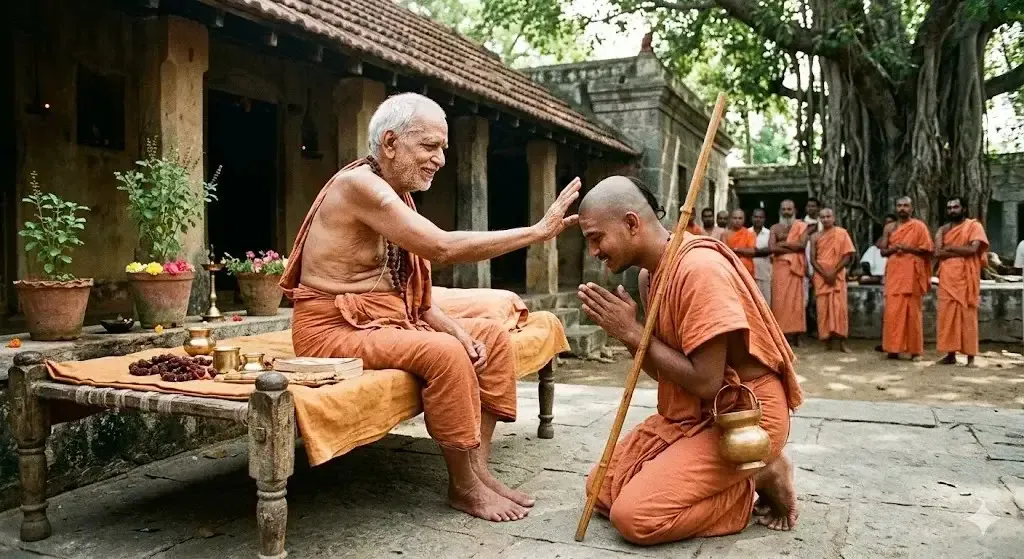
Varanasi Diwali 2024: Dev Deepawali - The Divine Festival of Lights
The City Where Gods Descend to Celebrate "यत्र विश्वनाथः तत्र काशी" - Where Lord Vishwanath resides, there is Kashi Introduction: The Diwali of the Devas While…
The City Where Gods Descend to Celebrate "यत्र विश्वनाथः तत्र काशी" - Where Lord Vishwanath resides, there is Kashi Introduction: The Diwali of the Devas While…
The City Where Gods Descend to Celebrate
"यत्र विश्वनाथः तत्र काशी" - Where Lord Vishwanath resides, there is Kashi
Introduction: The Diwali of the Devas
While the entire nation celebrates Diwali with joy and fervor, Varanasi, the eternal city also known as Kashi, observes a unique and divine celebration called Dev Deepawali or Dev Diwali. This sacred festival occurs on the full moon night (Kartik Purnima) of the Hindu month of Kartik, fifteen days after the traditional Diwali.
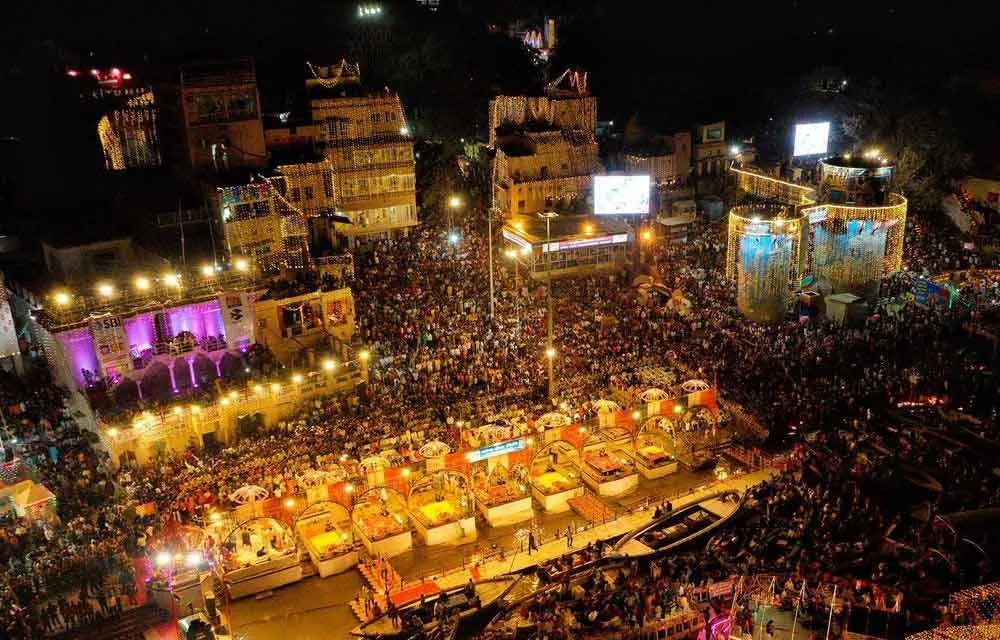
Dev Deepawali, meaning 'the Diwali of the Gods' or 'Festival of Lights of the Gods,' is celebrated when the ghats along the Ganges River are illuminated with more than a million earthen lamps (diyas) in honor of Ganga, the Ganges, and its presiding goddess. Mythologically, the gods are believed to descend to Earth to bathe in the Ganges on this day.
In 2024, Dev Diwali fell on November 15, with the Poornima Tithi starting at noon on November 15 and ending at 5:10 pm on November 19. This year's celebration was particularly spectacular, drawing millions of devotees and tourists from across the globe to witness the divine spectacle that transforms Varanasi into a heavenly abode.
The Sacred Significance: Lord Shiva's Triumph
The Mythological Foundation
Dev Deepawali honors Lord Shiva's victory over the demon Tripurasura and marks the day when Lord Shiva assumed the form of Tripurari and destroyed the demons with a single arrow, restoring peace on Earth. This triumph represents the eternal victory of good over evil, light over darkness, and dharma over adharma.
The demon Tripurasura, having received a powerful boon from Lord Brahma, had become invincible and wreaked havoc across the three worlds. When all the gods failed to defeat him, they approached Lord Shiva for help. On Kartik Purnima, Shiva manifested as Tripurari (destroyer of the three cities) and vanquished the demon, liberating the universe from terror.
Multiple Sacred Dimensions
Beyond commemorating Shiva's victory, some devotees observe Dev Diwali as the birth anniversary of Lord Kartikeya (Kartik), the God of War and son of Lord Shiva, while others believe it marks the day when Lord Vishnu incarnated in his first form, "Matsya," or fish.
Dev Diwali is the last day of Ganga Mahotsav when Varanasi is believed to become the gods' heavenly abode. On this sacred night, the boundary between the celestial and terrestrial realms dissolves, and the divine presence becomes palpable along every ghat and temple of the ancient city.
Varanasi 2024: A Celebration Beyond Imagination
The Million Lights Phenomenon
The steps of all the ghats on the riverfront of the Ganges River, from Ravidas Ghat at the southern end to Rajghat, were lit with more than a million earthen lamps (diyas). The sight of these countless flames reflecting on the sacred waters created a mesmerizing spectacle that left witnesses breathless.
On November 15, Varanasi celebrated Dev Diwali 2024, with the ghats lighting up with thousands and lakhs of diyas, creating a magical spiritual experience with laser light shows and beautiful diya decorations.
The Historic Ganga Aarti
One of the highlights of the Dev Diwali celebration in Varanasi is the grand Ganga Aarti, which takes place in the evening at the famous Dashashwamedh Ghat. Priests clad in traditional attire performed this ritual with synchronized movements, offering prayers to the Ganges River, accompanied by the sound of bells, conch shells, and devotional hymns.
The aarti was performed by 21 young Brahmin priests and 24 young women, involving chanting hymns, rhythmic drum beating, conch shell blowing, and brazier burning. The sight of the aarti against the backdrop of thousands of lit diyas was truly mesmerizing, creating a spiritual dimension that touched every heart present.
The Sacred Kartik Purnima Bath
Devotees gathered to take a dip in the holy Ganges, locally called the 'Kartik Snan,' with the widespread belief that taking a dip in the sacred Ganga washes away sin and brings prosperity. Thousands of devotees gathered on the Ganga ghats for the traditional Kartik Purnima bath, a sacred ritual believed to grant the spiritual benefits of bathing in the Ganga throughout the entire month of Kartik.
As devotees immersed themselves in the sacred waters, chanting "Har-Har Mahadev," the atmosphere was charged with profound devotion and spiritual energy.
The Grand Preparations and Festivities
Kashi Vishwanath Temple: The Spiritual Epicenter
The Kashi Vishwanath Temple announced a two-day suspension of the 'Sparsh Darshan' (touch darshan) of the Shivling on November 15 and 16, 2024, to manage the crowd and ensure security during the festival. A grand special worship of Baba Vishwanath was held, with the temple beautifully decorated with flowers and lights.
The city's most sacred temple, one of the twelve Jyotirlingas, became the focal point of devotion as millions sought the blessings of Lord Shiva. The temple administration worked tirelessly to accommodate the unprecedented rush of devotees while maintaining the sanctity of the worship.
The Magnificent Ghat Illuminations
The main attractions during Dev Diwali in Varanasi 2024 were the ghats, particularly Dashashwamedh Ghat, Assi Ghat, and Rajendra Prasad Ghat, adorned with thousands of lamps, perfect for soaking in the festive atmosphere.
Each ghat developed its unique character during the celebrations:
Dashashwamedh Ghat: The most famous and crowded, where the main Ganga Aarti takes place Assi Ghat: Known for its spiritual ambiance and morning aarti Rajendra Prasad Ghat: Offering a slightly quieter but equally beautiful experience Manikarnika Ghat: The ancient cremation ghat, symbolizing the cycle of life and death Panchganga Ghat: Where five rivers are believed to meet
The 3D Laser Shows: Technology Meets Tradition
This year's Dev Deepawali featured an immersive multimedia experience that brought to life the spiritual and mythological heritage of Kashi. Laser shows depicting the history of the holy city Kashi, stories of saints and seers, and the significance of the Ganga River's 'descent to earth' captivated visitors. The 25-minute 3D shows ran four times a day at 5:30 pm, 7 pm, 8 pm, and 8:45 pm.
These innovative presentations seamlessly blended ancient mythology with cutting-edge technology, creating an unforgettable visual narrative that educated and inspired visitors about Varanasi's sacred heritage.
The Cultural Magnificence
Processions of Deities
On the day of Dev Deepawali, Varanasi came alive with vibrant processions. Statues of deities were carried through the streets, and temples were adorned with flowers and lights. The magnificent procession of ornamented idols of different gods and goddesses from neighboring temples to the ghats, greeted with devotion, singing, and colorful decorations, symbolized the gods' arrival to celebrate their triumph.
The sight of these beautifully decorated deities moving through the ancient lanes, accompanied by musicians, dancers, and devotees chanting hymns, created an atmosphere of divine celebration that permeated every corner of the city.
Classical Performances
Various cultural performances took place, including classical music and dance shows along the ghats and in temples, adding to the festive atmosphere. Cultural programs included traditional music and dance performances celebrating Indian heritage, often depicting stories from Hindu mythology.
Varanasi, the birthplace of legendary artists like Pandit Ravi Shankar and Ustad Bismillah Khan, showcased its rich artistic legacy through Dhrupad music performances, Kathak dance presentations, and classical vocal concerts that resonated through the night.
The Spectacular Fireworks
An amazing fireworks display lit up the sky over Varanasi, with vivid colors set against the illuminated ghats, representing happiness, celebration, and the victory of good over evil. Images of stunning fireworks were shared widely online, showcasing the vibrant atmosphere of the festival.
The night sky exploded in brilliant colors as fireworks burst above the Ganges, their reflections dancing on the water alongside the millions of diya flames, creating a surreal canvas of light that seemed to merge heaven and earth.
The Unique Boat Ride Experience
Viewing from the Sacred Waters
Boat rides on the Ganges were a popular way to witness Dev Deepawali 2024 in Varanasi, enabling guests to see the illuminated ghats from the river, providing a broad perspective of the lamps, ceremonies, and celebrations. The tranquil boat trip offered an unforgettable perspective of the city's solemn celebration.
As boats glided silently on the Ganges, passengers found themselves enveloped in an ocean of light—diyas on the ghats above, reflections shimmering on the water below, and stars twinkling in the sky overhead. This three-dimensional experience of light created a sense of being suspended between earth and heaven.
Floating Diyas
The diyas floating on the Ganga created a magical view, while the fireworks added grandeur to the evening festivities. Thousands of small leaf boats carrying lit diyas were set afloat on the river, each carrying a prayer, a wish, or an offering of gratitude to Mother Ganga.
The Five-Day Ganga Mahotsav
A Cultural Extravaganza
Ganga Mahotsav is a tourist-centric festival in Varanasi celebrated over five days every year, starting from Prabodhani Ekadashi to Kartik Poornima during October and November. It showcases the rich cultural heritage of Varanasi, featuring popular cultural programs, classical music, country boat races, daily shilp mela (arts and crafts fair), sculpture displays, and martial arts.
The five-day festival leading up to Dev Deepawali transformed Varanasi into a continuous celebration:
Day 1 - Prabodhani Ekadashi: Opening ceremonies and cultural programs begin Day 2: Shilp mela (crafts fair) and classical music concerts Day 3: Traditional boat races on the Ganges Day 4: Martial arts demonstrations and sculpture exhibitions Day 5 - Kartik Purnima: The grand finale with Dev Deepawali
Remembering the Martyrs
Dev Diwali in Varanasi is also a day of patriotic tribute where martyrs of the Indian armed forces are honored at the ghats. This is organized by Ganga Seva Nidhi when wreaths are placed at Amar Jawan Jyoti at Dashashwamedh Ghat and at the adjoining Rajendra Prasad Ghat by officials from Varanasi District police, 39 Gorkha Training Centre, 95 CRPF battalion, and other armed forces.
The traditional last post was performed by all three armed forces (Army, Navy, and Air Force), followed by a closing ceremony where sky lamps were lit. Patriotic songs, hymns, and bhajans were sung, and the Bhagirath Shourya Samman awards were presented.
This solemn tribute reminded everyone that the freedom to celebrate such festivals was secured by the sacrifice of brave soldiers who laid down their lives for the nation.
The Spiritual Rituals and Traditions
The Sacred Morning Bath
Before dawn broke on Dev Deepawali, thousands of devotees descended to the ghats for the holy bath. The pre-dawn Kartik Snan is considered especially auspicious, washing away sins accumulated over lifetimes and bestowing divine blessings.
Temple Worship
Devotees chanted slogans like 'Har-Har Mahadev' as they visited temples including Baba Vishwanath and Baba Kaal Bhairav. Besides Kashi Vishwanath, devotees thronged to:
- Sankat Mochan Hanuman Temple: Seeking Hanuman's blessings
- Durga Temple: Honoring the divine mother
- Kaal Bhairav Temple: Paying respects to Kashi's kotwal (guardian deity)
- Annapurna Temple: Seeking the goddess of nourishment's grace
- Tulsi Manas Temple: Where Sant Tulsidas wrote Ramcharitmanas
The Tradition's Origins
The tradition of lighting lamps on the Dev Deepawali festival day was first started at the Dashashwamedh Ghat by Pandit Kishori Raman Dubey (Babu Maharaj) in 1991. What began as a humble initiative has grown into one of the world's most spectacular festivals of lights.
The Unprecedented Tourist Rush
Record-Breaking Attendance
With more than 10 lakh (one million) tourists expected to visit Varanasi for Dev Deepawali, the city saw a record influx since the inauguration of Kashi Vishwanath Dham. Hotels, guesthouses, and boat rides were fully booked for the occasion.
The city, normally bustling with pilgrims and tourists, experienced an unprecedented surge. Every hotel room within a 50-kilometer radius was booked weeks in advance. Homestays, dharamshalas, and even ashrams opened their doors to accommodate the millions who journeyed to witness this divine celebration.
Planning and Logistics
When Varanasi celebrates Dev Diwali, the ghats get crowded rapidly, so arriving early guarantees a good viewing point, especially for the Ganga Aarti. The city administration and police worked round the clock to manage the crowds, ensure safety, and maintain the sanctity of the celebrations.
Transportation Hub
Varanasi is well connected by rail, road, and air. The Varanasi Airport, or Lal Bahadur Shastri Airport, is located just 18 km from the central city and well connected with major Indian cities through IndiGo, Air India, Jet Airways, SpiceJet, and Vistara. The city has two major railway stations: Varanasi Junction (Varanasi Cantt) and Kashi Railway Station.
Special trains, additional flights, and bus services were arranged to handle the massive influx of visitors, demonstrating the festival's growing national and international importance.
The Timings and Auspicious Moments
The Sacred Muhurat
The Pradosh Kal Dev Diwali Mahurat, a significant time for prayers, was from 5:10 pm to 7:47 pm on November 15, 2024, with a duration of 2 hours and 37 minutes. The Purnima Tithi began at 06:19 AM on November 15, 2024, and ended at 02:58 AM on November 16, 2024.
These precisely calculated auspicious timings, based on ancient Vedic astronomy, ensured that all rituals were performed when cosmic energies were most favorable for spiritual practices.
The Atmosphere: A Divine Experience
The Sensory Immersion
Experiencing Dev Deepawali in Varanasi is a complete sensory immersion:
Sight: Millions of diyas creating rivers of light, fireworks painting the sky, laser shows projecting sacred imagery, colorful processions, beautifully adorned temples
Sound: Temple bells ringing continuously, priests chanting Vedic mantras, conch shells being blown, devotees singing bhajans, the rhythmic beating of drums during aarti
Smell: Incense wafting from thousands of temples, fragrance of marigold flowers, aroma of traditional sweets and prasad, the fresh scent of the Ganges breeze
Touch: The cool waters of the Ganges during the holy bath, the warmth of earthen diyas, the soft texture of flower petals
Taste: Traditional prasad, Banarasi sweets, local delicacies like kachori and paan
The Emotional Impact
Dev Deepawali is not just a visual spectacle; it is a deeply spiritual event providing an opportunity for reflection and devotion while fostering a sense of community among participants. The festival serves as a reminder of India's rich cultural heritage and the timeless traditions that bind people together.
Visitors and devotees alike reported being moved to tears by the overwhelming beauty and spirituality of the celebration. Many described feeling a profound connection to something greater than themselves, a sense of being part of an ancient tradition that transcends time.
The Historical and Cultural Context
Varanasi: The Eternal City
Varanasi is the oldest living city in the world, named after the rivers Varuna and Asi. It is the birthplace of legendary artists like Pandit Ravi Shankar and Ustad Bismillah Khan, and is famous for the Dhrupad music festival and the Ganga Mahotsav. It is also the largest seller of Banarasi silk.
The city has been a continuous hub of civilization, learning, and spirituality for over 3,000 years. It has witnessed the rise and fall of empires, the birth of religions, and the evolution of art and culture, yet its spiritual essence remains unchanged.
The Significance of Kashi
In Hindu tradition, Varanasi (Kashi) holds a unique position. It is said that:
- Kashi stands on Lord Shiva's trident (trishul), never touching the earth
- Those who die in Kashi attain instant moksha (liberation)
- The city is the meeting point of all sacred rivers and celestial beings
- Lord Shiva himself is the eternal resident and guardian of Kashi
Prime Minister's Constituency
Dev Deepawali is particularly special in Varanasi, Prime Minister Narendra Modi's parliamentary constituency, where the vibrant celebration attracts pilgrims and tourists from across the world.
Under the PM's vision, significant developmental work has transformed Varanasi while preserving its ancient character. The Kashi Vishwanath Corridor project has made the temple more accessible, and infrastructure improvements have enhanced the pilgrim experience without compromising the city's spiritual essence.
Security and Safety Arrangements
Comprehensive Protection
The temple administration urged devotees to remain patient and follow guidelines issued for darshan. Due to large crowds expected, there were logistical challenges, and the administration emphasized the importance of maintaining discipline while standing in line.
The multi-layered security included:
- Police Personnel: Thousands of officers deployed across the city
- CCTV Surveillance: Extensive coverage of all major areas
- Medical Teams: Stationed at strategic points with ambulances
- Fire Safety: Equipment positioned at every ghat
- Crowd Control: Barricading and designated entry/exit points
- River Patrol: Boats monitoring the Ganges for emergencies
- Disaster Management: Teams ready for any eventuality
Ensuring Sanctity
Despite the massive crowds, authorities worked to ensure that the spiritual atmosphere was not compromised. Volunteers, including local youth and students, assisted devotees, provided information, and helped maintain cleanliness throughout the celebrations.
How to Experience Dev Deepawali
Best Viewing Points
For those planning to attend future Dev Deepawali celebrations:
Prime Locations:
- Dashashwamedh Ghat: For the main Ganga Aarti (arrive 2-3 hours early)
- Assi Ghat: Less crowded, authentic atmosphere
- Boat ride: Most comprehensive view (book in advance)
- Rooftop cafes: Panoramic views with comfort
- Rajendra Prasad Ghat: Balance of views and manageable crowds
What to Carry
- Comfortable walking shoes (marble ghats can be slippery)
- Modest clothing (shoulders and knees covered)
- Camera with good low-light capability
- Small backpack for essentials
- Water bottle and light snacks
- Cash (many places don't accept cards)
- Warm clothing (November evenings are cool)
- Devotional attitude and patience
Accommodation
Book accommodations 2-3 months in advance. Options include:
- Heritage Hotels: Brijrama Palace, Suryauday Haveli
- Mid-Range: Hotels near ghats
- Budget: Dharamshalas and guesthouses
- Homestays: For authentic local experience
- Ashrams: For spiritual seekers
The Temple Circuit
Beyond Kashi Vishwanath
While in Varanasi for Dev Deepawali, devotees should visit:
Kashi Vishwanath Temple: The most sacred, housing one of twelve Jyotirlingas Annapurna Temple: Where devotees witnessed the golden idol darshan during Diwali week Kaal Bhairav Temple: Guardian deity of Kashi Sankat Mochan Hanuman Temple: Famous for its Tuesday celebrations Durga Temple: The red temple devoted to Goddess Durga Tulsi Manas Temple: Where Ramcharitmanas was composed New Vishwanath Temple (BHU): Modern temple with Shiva temple at center
Nearby Spiritual Sites
Sarnath: Where Buddha delivered his first sermon (10 km from Varanasi) Chunar Fort: Historical fort with spiritual significance (40 km) Vindhyachal: Temple town dedicated to Goddess Vindhyavasini (70 km) Gaya: For ancestral rituals (250 km)
The Banarasi Experience
Street Food and Cuisine
No visit to Varanasi is complete without experiencing its culinary heritage:
- Banarasi Paan: The famous betel leaf preparation
- Kachori and Jalebi: Breakfast favorite
- Baati Chokha: Traditional dish
- Lassi: Thick, creamy yogurt drink
- Malaiyo: Seasonal winter dessert
- Chaat: Various street food preparations
- Thandai: Cooling drink with nuts and spices
Shopping
Varanasi's markets offer:
- Banarasi Silk Sarees: World-famous weaves
- Brassware: Traditional utensils and decoratives
- Rudraksha and Religious Items: From authorized shops
- Wooden Toys: Traditional crafts
- Books: Spiritual literature
- Musical Instruments: Tabla, harmonium, sitar
The Environmental Consciousness
Eco-Friendly Celebrations
The Dev Deepawali celebrations have increasingly incorporated environmental awareness:
- Use of earthen diyas (biodegradable) instead of electric lights
- Natural oils (mustard, sesame) for lamps
- Flowers for offerings instead of non-biodegradable materials
- Organized cleanup drives post-festival
- Awareness campaigns about keeping the Ganges clean
- Controlled fireworks to reduce pollution
Ganga Conservation
Various initiatives work to maintain the purity of the sacred river:
- Sewage treatment plants
- Prohibition of plastic near ghats
- Ganga Seva Nidhi activities
- Community participation in cleanliness drives
Lessons and Messages
Universal Spiritual Wisdom
Dev Deepawali teaches us:
Light Dispels Darkness: Both literally and metaphorically, lighting even one lamp creates brightness Unity in Diversity: Millions gather as one community regardless of background Devotion Transcends Boundaries: The festival welcomes all who come with pure hearts Nature and Divinity: The Ganges reminds us of the sacred in nature Heritage Preservation: Ancient traditions remain relevant in modern times Service to Others: Volunteers serving millions demonstrate selfless service
The Deeper Meaning
Beyond the spectacular visual display, Dev Deepawali symbolizes:
- Inner Illumination: Awakening of consciousness
- Divine Victory: Triumph of higher self over lower tendencies
- Gratitude: Thanksgiving to the divine for life's blessings
- Community: Coming together in shared spirituality
- Tradition: Connecting with timeless wisdom
The Global Impact
International Recognition
Dev Deepawali has gained international recognition as:
- One of the world's most spectacular festivals
- A UNESCO Intangible Cultural Heritage nominee
- A major tourism draw for India
- A symbol of India's living spiritual traditions
Tourist Testimonials
Visitors from across the globe have shared their experiences:
"I've traveled to festivals worldwide, but nothing prepared me for the spiritual intensity of Dev Deepawali. It's not just lights; it's millions of prayers made visible." - Sarah Thompson, USA
"The sight of the Ganges lit with a million diyas while priests performed aarti moved me to tears. This is why I came to India—to witness such profound devotion." - Hans Mueller, Germany
"As a photographer, I've captured many festivals, but Dev Deepawali's combination of light, water, fire, and faith creates images that transcend photography." - Yuki Tanaka, Japan
Planning for Future Dev Deepawali
Key Tips
- Book Early: Accommodation and transport fill up 2-3 months ahead
- Arrive in Advance: Reach Varanasi 2-3 days before to acclimatize
- Stay Hydrated: The crowds and walking can be exhausting
- Respect Customs: Dress modestly, remove shoes at temples
- Be Patient: Crowds are inevitable; maintain calm and composure
- Hire Local Guide: Enhances understanding of rituals and history
- Stay Safe: Keep valuables secure, stay with groups at night
- Participate Mindfully: Remember it's a spiritual celebration, not just a spectacle
Best Time to Visit Varanasi
While Dev Deepawali is spectacular, Varanasi offers spiritual experiences year-round:
- October-March: Pleasant weather, ideal for visiting
- July-September: Monsoon season, fewer tourists, raw beauty
- April-June: Hot, but fewer crowds and authentic local experience
The Continuing Tradition
Year After Year
Dev Deepawali has transformed into an international cultural event since it began (in its modern organized form) in 1991, showcasing performances by international Ramleela troupes and spectacular drone shows.
Each year, the celebration grows in scale and grandeur while maintaining its spiritual core. The tradition that started with a few thousand diyas now lights up millions, yet the essence remains unchanged—honoring the divine, celebrating light, and experiencing the eternal spirit of Kashi.
Preserving Heritage
Efforts continue to:
- Document traditional rituals and their significance
- Train younger generations in classical music and dance
- Preserve the craft of diya-making and other traditional arts
- Maintain the architectural heritage of ghats and temples
- Pass on the oral traditions and spiritual knowledge
Conclusion: The Eternal Light of Kashi
Dev Deepawali 2024 in Varanasi promised an unforgettable experience filled with spiritual fervor, cultural richness, and sheer awe. This grand celebration, with its mesmerizing light displays, soul-stirring rituals, and the triumph of good over evil, embodies the very essence of India's rich culture.
Dev Deepawali in Varanasi is more than a festival—it is a living testament to India's unbroken spiritual tradition, a celebration that connects the mortal with the divine, the individual with the cosmic, and the present with eternity.
As millions of diyas light up the ghats, they illuminate not just the physical darkness but also the darkness of ignorance, despair, and separation. Each flame is a prayer, each reflection on the water is a blessing, and each moment of the celebration is a reminder that light always triumphs over darkness.
The ancient city of Kashi, standing on the banks of Mother Ganga, continues its eternal role as the beacon of spiritual wisdom. Here, on the night of Dev Deepawali, heaven truly descends to earth, and for a few magical hours, humanity glimpses the divine.
As the lights of Dev Deepawali fade, the memories of this spectacular event remain, leaving devotees and visitors with a profound sense of spiritual fulfillment and joy.
The Eternal Prayer
"असतो मा सद्गमय। तमसो मा ज्योतिर्गमय। मृत्योर्मा अमृतं गमय।"
"Lead me from untruth to Truth, Lead me from darkness to Light, Lead me from death to Immortality."
This ancient prayer from the Brihadaranyaka Upanishad encapsulates the essence of Dev Deepawali. As we light lamps on the ghats of Varanasi, we are lighting the lamp of consciousness within ourselves, dispelling our inner darkness, and moving toward our ultimate divine nature.
Har Har Mahadev! Gange Cha Yamune Chaiva!
Quick Reference: Dev Deepawali 2024
Date: November 15, 2024 (Friday) Location: Varanasi (Kashi), Uttar Pradesh, India Main Event: Lighting of over 1 million diyas on 80+ ghats Key Timings: Pradosh Kal Muhurat 5:10 PM to 7:47 PM Main Ghat: Dashashwamedh Ghat (but all ghats participate) Attendance: Over 10 lakh (1 million) visitors Special Features: 3D laser shows, cultural performances, Ganga Aarti, fireworks Accommodation: Fully booked (plan 2-3 months ahead) Weather: Cool evenings, comfortable days (15-25°C) Best Viewing: Early arrival to ghats or pre-booked boat rides
For more articles on Hindu festivals, sacred cities, and spiritual traditions, visit www.hindutone.com
May the eternal light of Kashi illuminate your path to truth and liberation.
Frequently Asked Questions
When is Varanasi Diwali 2024?
Varanasi Diwali 2024 is observed on its traditional tithi in the Hindu lunar calendar; refer to the year's panchang for the exact date in your region.
What is the significance of Varanasi Diwali 2024?
The City Where Gods Descend to Celebrate "यत्र विश्वनाथः तत्र काशी" - Where Lord Vishwanath resides, there is Kashi Introduction: The Diwali of the Devas While the entire nation celebrates Diwali with joy and fervor, Varanasi, the eternal city also known as Kashi, observes a unique and divine celebration called Dev Deepawali or Dev Diwali. This sacred festiv
How is Varanasi Diwali 2024 celebrated?
Devotees observe it with puja, fasting or special offerings, visiting temples, chanting mantras, and gathering with family. Customs vary by region and tradition.
What should devotees do on Varanasi Diwali 2024?
Take a sacred bath, perform the day's puja and charity (dana), observe any prescribed fast, and chant mantras with sincere devotion.
You might also like
Gita Jayanti 2026 Prasad Recipes — Tulsi-Honoring Sweets, Krishna's Favourites & December 10 Bhog Plate
Shani Deva Temples Worldwide & Must-Performed Rituals — Complete Devotee's Guide
Maha Shivratri 2026 Vrat Recipes — Sabudana Khichdi, Singhada Halwa, Phalahara Foods Complete Fasting Guide