
Diwali 2026 in Seoul, South Korea: Date, Lakshmi Puja Timings, Indian Community Events, Temples, Restaurants and Celebrations
Diwali, also known as Deepavali, is one of India's most celebrated festivals. Known as the Festival of Lights, it represents the victory of light over darkness, good over evil and knowledge over ignorance. In 2026, Diwali falls on Sunday, November 8.
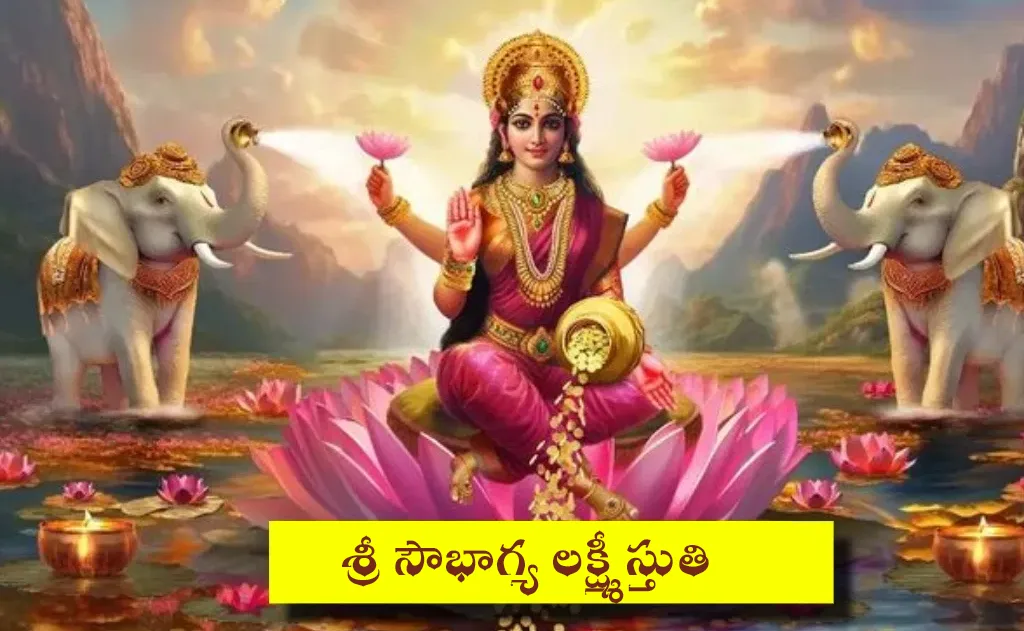
Introduction: Diwali 2026 in Seoul
Diwali, also known as Deepavali, is one of India's most celebrated festivals. Known as the Festival of Lights, it represents the victory of light over darkness, good over evil and knowledge over ignorance. In 2026, Diwali falls on Sunday, November 8.
Seoul, the capital of South Korea, is home to international students, technology professionals, business communities, diplomats and families from many countries. Among them is a growing Indian community that celebrates Indian festivals, cultural traditions, food and religious occasions.
For Indians living in Seoul, Diwali is an opportunity to reconnect with their roots, perform Lakshmi-Ganesha Puja, enjoy traditional food and meet friends from the Indian community. Korean residents and international visitors can also experience Indian culture through public programmes, dance performances, food, henna art and cultural exchanges.
South Korea has developed strong economic, educational and cultural connections with India. Indian professionals work in technology, manufacturing, research and business, while Indian students study at Korean universities.
Seoul's multicultural districts, Indian restaurants, international grocery shops and community organisations provide useful resources for people looking to celebrate Diwali away from India.
One of the exciting aspects of Diwali 2026 in Seoul is that public community celebrations are scheduled after the actual festival date. A Diwali cultural programme is advertised for November 14 at Seorae Global Village Center, while the Indo-Korea Chamber of Commerce has announced its Diwali Ball for November 27.
This detailed guide covers the Diwali date, local Lakshmi Puja timings, confirmed event announcements, Indian community connections, temples, restaurants, grocery stores and sightseeing ideas for people interested in celebrating Diwali in Seoul.
Diwali 2026 Date in Seoul, South Korea
Diwali 2026 will be celebrated on:
- Festival: Diwali / Deepavali
- Date: Sunday, November 8, 2026
- City: Seoul
- Country: South Korea
- Time zone: Korea Standard Time (KST), UTC+9
- Main worship: Lakshmi-Ganesha Puja
- Festival significance: Victory of light over darkness and good over evil
South Korea follows Korea Standard Time throughout the year and does not observe daylight saving time.
The local Seoul Panchang timings should be used for Lakshmi Puja rather than copying the timings from India, Singapore or another country.
Five Days of Diwali 2026 in Seoul
The main Diwali festival period includes several important observances.
| Festival | Date | Significance |
|---|---|---|
| Dhanteras | Friday, November 6 | Prosperity, health and auspicious purchases |
| Naraka Chaturdashi / Choti Diwali | Sunday, November 8 | Celebration of Krishna's victory over Narakasura |
| Lakshmi Puja / Diwali | Sunday, November 8 | Main evening worship of Goddess Lakshmi and Lord Ganesha |
| Govardhan Puja / Annakut | Tuesday, November 10 | Devotion to Lord Krishna and food offerings |
| Bhai Dooj | Wednesday, November 11 | Celebration of the bond between brothers and sisters |
The dates follow HinduTone's Diwali 2026 in South Korea calendar. Regional traditions may observe some rituals differently.
Lakshmi Puja Timings for Diwali 2026 in Seoul
According to the Seoul-specific Panchang calculation, the Lakshmi Puja muhurat on Sunday, November 8, 2026, is:
| Panchang detail | Seoul local time |
|---|---|
| Diwali | Sunday, November 8, 2026 |
| Sunset | 5:27 PM |
| Pradosh Kaal | 5:27 PM–8:10 PM |
| Lakshmi Puja Muhurat | 5:48 PM–7:39 PM |
| Amavasya Tithi begins | 2:57 PM, November 8 |
| Amavasya Tithi ends | 4:01 PM, November 9 |
All timings are Korea Standard Time (KST), UTC+9.
Families following a particular regional Panchang or priest's guidance should confirm their preferred ritual schedule.
Why is Lakshmi Puja performed on Diwali?
Lakshmi Puja is one of the most important religious observances of Diwali. Goddess Lakshmi is worshipped as the symbol of wealth, prosperity, abundance and good fortune.
Lord Ganesha is worshipped alongside Goddess Lakshmi because he represents wisdom and the removal of obstacles.
Families traditionally clean their homes, decorate entrances, prepare a puja space and arrange offerings before performing the evening prayers.
Common puja items include:
- Lakshmi and Ganesha idols or photographs
- Diyas and electric lamps
- Flowers and garlands
- Kumkum and turmeric
- Rice and fruits
- Sweets and traditional offerings
- Incense sticks
- A puja thali
- Aarti materials
Indian families in Seoul can prepare these items at home and use locally available products to create a traditional festive atmosphere.
Confirmed Diwali 2026 Events in Seoul
Seoul has several Indian cultural and business networks that organise activities connecting Indian and Korean communities.
For Diwali 2026, two particularly notable public event announcements are available. Both take place after the main Diwali date.
1. Diwali Cultural Celebration at Seorae Global Village Center – November 14, 2026
The Seorae Global Village Center has announced a Diwali celebration in collaboration with the Indian Students and Researchers in Korea (ISRK).
The event introduces Indian traditions and the cultural significance of Diwali to residents of Seoul.
Event details:
| Detail | Information |
|---|---|
| Event | Diwali – Festival of Lights |
| Date | Saturday, November 14, 2026 |
| Time | 3:00 PM–5:00 PM |
| Venue | Seorae Global Village Center |
| Address | 28 Seorae-ro, 3rd Floor, Seocho-gu, Seoul |
| Organiser | Seorae Global Village Center with ISRK |
| Participation fee | Free |
| Announced capacity | 30 participants |
| Language | English |
| Registration | Advance registration required |
Activities announced include:
- Introduction to Indian culture and Diwali traditions
- Traditional Indian food tasting
- Henna art experience
- Diwali lantern-making workshop
- Cultural interaction with members of the Indian community
- Opportunities to learn about the meaning of the Festival of Lights
The programme is designed for Seoul residents, including both Korean and international residents interested in Indian culture.
Registration status: The published application period ran from November 2 to November 5, 2026. As of November 6, that deadline has passed. Interested readers should contact the centre to ask whether cancellations, additional places or other arrangements are possible.
Official event page:
2. ICCK Diwali Ball 2026 – November 27, 2026
The Indo-Korea Chamber of Commerce (ICCK) has announced its Diwali Ball 2026, a major business and cultural celebration connecting Indian and Korean business communities.
The event combines Indian cultural performances, networking, food and business recognition.
Event details:
| Detail | Information |
|---|---|
| Event | ICCK Diwali Ball 2026 |
| Date | Friday, November 27, 2026 |
| Time | 6:00 PM |
| Venue | Fairmont Ambassador Seoul |
| City | Seoul, South Korea |
| Ticket price advertised | KRW 300,000 |
| Organiser | Indo-Korea Chamber of Commerce |
Highlights announced:
- Indian cultural dance performances
- Indian and international gourmet dining
- Business networking
- India-Korea corporate engagement
- ICCK Business Awards
- Gala entertainment
- Raffle and auction activities
- Participation by business leaders and invited guests
The event is especially relevant to Indian entrepreneurs, executives, business professionals and people interested in India-South Korea commercial relationships.
Official event website:
https://diwali.indochamkorea.org/
Check the organiser's website for ticket availability, payment instructions, dress code and any programme updates before making plans.
3. Indians in Korea – Diwali Dhamaka Community Celebrations
Indians in Korea (IIK) is a community organisation that has historically organised large Diwali celebrations in Seoul.
Its past Diwali Dhamaka programmes have brought together Indian families, students, Korean residents and international guests.
Previous celebrations have included:
- Traditional lamp-lighting ceremonies
- Indian Ambassador participation
- Bollywood music and dance
- Children's fancy-dress performances
- Indian cultural performances
- Korean dance performances
- Community games
- Food and social activities
IIK describes itself as a community network that has connected Indians living in Korea with Koreans interested in Indian culture.
2026 status: A separate 2026 IIK Diwali Dhamaka date and venue were not verified in the available event announcements. Do not assume that a previous year's programme will be repeated this year.
Official community website: https://indiansinkorea.com/
4. How to Find Other Diwali Gatherings in Seoul
Other small community gatherings may be announced through:
- Indian student associations
- Indian cultural networks
- University international offices
- ISKCON Korea
- Indian restaurants
- Embassy of India announcements
- Indian professional and business groups
Confirm the date, venue and entry conditions directly with organisers.
How Indian Families Celebrate Diwali in Seoul
Diwali celebrations bring together religious devotion, family traditions, food, music and community activities.
1. Lakshmi-Ganesha Puja at Home
Many Indian families celebrate Diwali by performing Lakshmi-Ganesha Puja in their homes.
They clean their houses, decorate the entrance, arrange flowers and prepare a small worship area.
The evening puja is a time to pray for prosperity, health, happiness and peace.
Families may also connect with relatives in India through video calls so that grandparents, parents and children can share the festival despite living in different countries.
2. Lighting Diyas and Decorating Homes
Lighting diyas is one of the most recognisable traditions of Diwali.
The lamps represent the arrival of light, hope and positivity. Families may place diyas around their puja area and decorate their homes with electric lights, rangoli designs and colourful decorations.
Apartment residents should follow building rules and fire-safety guidance. Electric diyas and LED lights are practical alternatives to open flames.
3. Indian Sweets and Festival Food
Traditional sweets are central to Diwali celebrations.
Popular sweets include:
- Ladoo
- Kaju katli
- Gulab jamun
- Jalebi
- Barfi
- Mysore pak
- Soan papdi
- Halwa
Popular savoury snacks include samosas, pakoras, chakli, namkeen and mixture.
Families may prepare a festive vegetarian meal with paneer curry, dal, rice, chapati, vegetable curries and desserts.
Indian restaurants in Seoul provide another way to enjoy familiar food during the festival.
4. Indian Music and Cultural Performances
Indian music and dance are popular features of Diwali gatherings.
Programmes may include Bollywood songs, classical dance, folk performances, devotional music and cultural presentations.
The November 14 Seorae Global Village Center programme and the November 27 ICCK Diwali Ball provide announced opportunities to experience Indian culture in Seoul after the festival date.
5. Sharing Diwali with Korean Friends
Diwali is also a wonderful opportunity to introduce Indian culture to Korean friends and colleagues.
Indian families may invite friends to enjoy traditional sweets, explain the significance of Lakshmi Puja, share Indian music and demonstrate rangoli designs.
These cultural exchanges can strengthen India-Korea friendship and help people understand the traditions behind the Festival of Lights.
Hindu Temples and Spiritual Centres in and Around Seoul
Indian residents and visitors looking for Hindu devotional traditions can explore ISKCON Korea and other spiritual communities.
South Korea has a smaller Hindu temple network than countries with larger Indian diaspora populations. Therefore, it is important to distinguish a Hindu temple from Korean Buddhist temples and other spiritual organisations.
Sri Sri Radha Krishnachandra Temple – ISKCON Korea
The Sri Sri Radha Krishnachandra Temple is an ISKCON-associated Hindu temple in Pocheon-si, Gyeonggi-do, north of Seoul.
It is associated with Krishna devotional traditions and serves people interested in bhakti-yoga and Vaishnava worship.
Listed address: 17-19 Araennyongsang 2-gil, Soheul-eup, Pocheon-si, Gyeonggi-do, South Korea.
Listed contact number: +82 10-2291-4432.
The temple is associated with activities such as:
- Krishna worship
- Aarti and devotional prayers
- Kirtan and bhajans
- Bhagavad Gita study
- Spiritual discussions
- Vegetarian prasadam
- Devotional community gatherings
The temple is outside central Seoul, so visitors should check transport and access arrangements before travelling.
Ask the centre directly whether it will organise any special Diwali or Kartik-month programme in November 2026.
ISKCON Korea Community
ISKCON Korea is an important reference point for people interested in Krishna devotional traditions in South Korea.
Its local community can be contacted for information about worship schedules, religious festivals and visitor arrangements.
A centre's normal worship schedule should not be confused with a confirmed public Diwali event.
Important distinction: Korean Buddhist temples
Seoul has famous Buddhist temples such as Jogyesa and Bongeunsa.
These are important Korean Buddhist religious sites, not Hindu temples. They are worth visiting for their cultural and spiritual significance, but should not be presented as locations for Hindu Lakshmi Puja.
Best Indian Restaurants in Seoul for Diwali Dining
Seoul has a number of Indian restaurants offering North Indian, South Indian and regional dishes.
These restaurants may be useful for families, students and visitors looking for familiar Indian flavours during Diwali.
Their inclusion does not mean they have announced special Diwali 2026 menus or events. Contact the restaurant directly to confirm current operations, opening hours and group bookings.
1. Baba India – Gangnam
Baba India is an established Indian restaurant in Seoul's Gangnam area.
It serves traditional Indian restaurant dishes, including curries, tandoori-style preparations and grilled items.
Address: 359 Gangnam-daero, 2nd Floor, Seocho-gu, Seoul.
Phone: +82 2-521-4588.
It is a useful option for visitors exploring Gangnam who want a full Indian meal.
2. Jyoti Indian Restaurant – Chungmuro
Jyoti Indian Restaurant is a popular Indian and Nepalese restaurant in central Seoul.
Its menu is associated with South Asian curries, vegetarian dishes, breads and other familiar restaurant favourites.
Address: 12-4 Seoae-ro, Jung-gu, Seoul.
Phone: +82 2-2261-2912.
It may be convenient for visitors staying around Chungmuro and Myeongdong.
3. New Delhi Indian Restaurant
New Delhi is an Indian restaurant in the Apgujeong and Sinsa area of Gangnam.
Its menu includes Indian-style curries, tandoori dishes and naan.
Address: 28 Nonhyeon-ro 176-gil, Gangnam-gu, Seoul.
Phone: +82 2-516-9301.
It is worth considering for people looking for traditional North Indian restaurant favourites.
4. Gurkha Indian Restaurant – Myeongdong
Gurkha serves Indian and Nepalese cuisine in the popular Myeongdong district.
Its menu includes Indian curries, breads, vegetarian dishes and Nepalese-style food.
Address: 16-1 Myeongdong 10-gil, Jung-gu, Seoul.
Phone: +82 2-775-8860.
It is a convenient option for tourists exploring Myeongdong.
5. Chakraa Authentic Indian Restaurant
Chakraa is an Indian restaurant in the Yongsan area.
Its menu is associated with North Indian and South Indian dishes, including tandoori food and familiar vegetarian options.
Address: 83 Dokseodang-ro, Yongsan-gu, Seoul.
Phone: +82 2-796-1149.
It may be a good option for visitors looking for a broader Indian menu.
6. Hello India – Hongdae
Hello India is an Indian restaurant in the Hongdae and Mapo area.
Its menu includes Indian curries and street-food-style dishes.
Address: 59 Wausan-ro 29-gil, Mapo-gu, Seoul.
It may be useful for students and visitors exploring the Hongdae neighbourhood.
7. OTSAL Authentic Indian Cuisine
OTSAL is an Indian restaurant in Gwanak-gu, near Seoul National University.
Its menu includes Indian curry dishes and other familiar Indian restaurant options.
Address: 164 Gwanak-ro, Basement Level 1, Gwanak-gu, Seoul.
Phone: +82 2-882-6527.
It is an option for Indian students and visitors around Seoul National University.
8. Hello India – Yeonnam-dong
Another Hello India location is listed in the Yeonnam-dong and Hongdae area.
Address: 9 Yeonnam-ro 3-gil, Mapo-gu, Seoul.
The restaurant is associated with curries, tandoori dishes and vegetarian and non-vegetarian options.
9. Everest Restaurant
Everest offers Nepalese and Indian food near the Dongdaemun area.
Address: 2-1 Jong-ro 51ga-gil, Jongno-gu, Seoul.
Phone: +82 2-766-8850.
It may be useful for visitors looking for South Asian food beyond traditional Indian restaurant dishes.
Indian Grocery Shops and International Food Stores in Seoul
Indian grocery shops and international food markets can help families prepare traditional Diwali meals.
Seoul has several international grocery stores, particularly around Itaewon and other multicultural neighbourhoods.
1. Foreign Food Mart – Itaewon
Foreign Food Mart is a well-known international grocery store in Itaewon.
It stocks imported food products and ingredients for several international cuisines, including South Asian food categories.
Address: 137-8 Itaewon-dong, Yongsan-gu, Seoul.
Phone: +82 2-793-0082.
It may be useful for shoppers looking for imported ingredients, spices and specialty pantry products.
2. National Foods Market – Itaewon
National Foods Market is an international grocery shop in the Itaewon area.
It is associated with imported food products and South Asian and Middle Eastern pantry ingredients.
Address: 127-24 Itaewon-dong, Yongsan-gu, Seoul.
It may be worth checking for basmati rice, lentils, spices and other imported ingredients.
3. Expert Mart – Hannam-dong
Expert Mart is listed as an international grocery option in Hannam-dong.
Listed address: 68-29 Hannam-dong, Yongsan-gu, Seoul.
Check its current product range and opening hours before visiting.
4. Woojoo Food Market – Garak Mall
Woojoo Food Market is an imported-ingredients grocery shop in the Garak Mall area.
Address: 932 Yangjae-daero, Songpa-gu, Seoul.
It is not an exclusively Indian grocery shop, but may be useful for selected imported ingredients.
5. Yes! Halal – Online Grocery Option
Yes! Halal is a Seoul-based halal grocery and meat specialist with online ordering and delivery listings.
Its product range includes selected international ingredients and South Asian pantry products.
Listed location: Imun-dong, Dongdaemun-gu, Seoul.
Contact the business to confirm delivery coverage, product availability and current ordering arrangements.
Diwali Shopping Checklist
Indian families preparing for Diwali may look for:
- Basmati rice
- Toor dal and other lentils
- Besan
- Ghee
- Turmeric
- Chilli powder
- Garam masala
- Whole spices
- Indian pickles
- Tea
- Dry fruits
- Indian sweets
- Incense sticks
- Puja accessories
- Electric diyas
- Rangoli materials
Imported products may have limited availability, so it is sensible to check stock before travelling.
Top Places to Visit in Seoul During Diwali 2026
Seoul offers a combination of historic palaces, traditional neighbourhoods, shopping districts, museums and modern attractions.
November can be cold, so visitors should plan outdoor sightseeing around the weather.
1. Gyeongbokgung Palace
Gyeongbokgung is one of Seoul's most famous historic palaces.
Built during the Joseon Dynasty, it is known for its grand gates, traditional architecture and palace grounds.
Visitors can explore the palace complex and learn about Korean royal history.
2. Bukchon Hanok Village
Bukchon Hanok Village is known for its traditional Korean houses, narrow streets and cultural atmosphere.
It is an interesting place for visitors who want to learn about traditional Korean architecture.
Visitors should respect residents and follow local restrictions regarding photography, noise and visiting hours.
3. Myeongdong Shopping Street
Myeongdong is one of Seoul's most popular shopping and food districts.
It is known for cosmetics, fashion, street food, shops and international dining.
Indian visitors can also explore nearby Indian restaurants.
4. N Seoul Tower
N Seoul Tower is one of the city's most recognisable landmarks.
Located on Namsan Mountain, it offers panoramic views of Seoul.
Check visibility and weather conditions before visiting.
5. Jogyesa Temple
Jogyesa is an important Buddhist temple in central Seoul and a major centre of Korean Buddhist culture.
It is known for its traditional architecture, lantern decorations and Buddhist ceremonies.
It is a Buddhist temple, not a Hindu temple, but it can be an interesting cultural visit.
6. Bongeunsa Temple
Bongeunsa is a historic Buddhist temple in Gangnam.
Its temple buildings and large outdoor Buddha statue provide a peaceful cultural experience within the modern city.
7. Insadong
Insadong is known for traditional Korean crafts, tea houses, galleries and souvenir shops.
It is an excellent place to explore Korean cultural products and purchase gifts.
8. Hongdae
Hongdae is popular for music, street performances, cafés, art spaces and youth culture.
It is also home to Indian dining options, making it a convenient area for visitors looking for South Asian food.
9. Dongdaemun Design Plaza
Dongdaemun Design Plaza, commonly called DDP, is a major architectural and cultural landmark.
It hosts exhibitions, design events and public activities.
10. Han River Parks
The Han River passes through Seoul and has several parks and riverside spaces.
These locations are popular for walking, cycling and enjoying city views when weather conditions are suitable.
Suggested Diwali Weekend Itinerary in Seoul
Saturday, November 7 – Cultural Seoul and Festival Preparation
Morning
- Explore Gyeongbokgung Palace.
- Visit Bukchon Hanok Village.
- Enjoy a traditional Korean tea experience.
Afternoon
- Explore Insadong.
- Visit a museum or cultural gallery.
- Shop for Indian ingredients and Diwali supplies.
Evening
- Enjoy an Indian dinner at a restaurant in Seoul.
- Prepare sweets and decorations.
- Connect with Indian friends and community members.
Sunday, November 8 – Diwali Celebration
Morning
- Clean and decorate the home.
- Prepare traditional sweets and food.
- Arrange the Lakshmi-Ganesha Puja space.
Afternoon
- Spend time with family.
- Prepare offerings and festive dinner.
- Connect with relatives in India.
5:48 PM–7:39 PM
- Perform Lakshmi-Ganesha Puja during the listed Seoul muhurat.
Evening
- Light diyas safely.
- Share sweets and festive food.
- Enjoy Indian music and family celebrations.
Saturday, November 14 – Seorae Global Village Center Diwali Programme
The announced programme is scheduled for 3:00 PM–5:00 PM.
It includes Indian cultural introductions, food tasting, henna art and lantern-making activities.
Because the original registration deadline was November 5, contact the centre to check whether participation is still possible.
Friday, November 27 – ICCK Diwali Ball
The announced ICCK Diwali Ball is scheduled for 6:00 PM at Fairmont Ambassador Seoul.
Check ticket availability and the event organiser's latest instructions before attending.
Why Seoul Is an Important City for India-South Korea Cultural Relations
Seoul is one of the most important centres for India-South Korea cultural and business relationships.
Indian professionals work in South Korea's technology, manufacturing, research and business sectors. Indian students study at Korean universities, while Korean companies maintain significant commercial connections with India.
The Indian community also contributes to cultural exchange through festivals, food, language activities, social organisations and educational programmes.
Indian Students and Researchers in Korea
The Indian Students and Researchers in Korea (ISRK) network is involved in connecting Indian students and researchers in South Korea.
Its collaboration with Seorae Global Village Center for the November 14 Diwali programme demonstrates the role of student and researcher networks in introducing Indian culture to Korean residents.
Indians in Korea Community
Indians in Korea (IIK) is another important community organisation.
It has historically organised large cultural programmes, including Diwali Dhamaka and Holi celebrations.
These activities bring together Indian families, professionals, students and Korean friends interested in Indian traditions.
Indo-Korea Chamber of Commerce
The Indo-Korea Chamber of Commerce connects business communities and professionals involved in India-South Korea commercial relationships.
Its announced Diwali Ball provides a business-oriented cultural celebration in Seoul.
Travel Tips for Indians Visiting Seoul During Diwali
Weather in November
November in Seoul is generally cool to cold.
Visitors should pack:
- Warm jackets
- Sweaters
- Thermal clothing
- Comfortable walking shoes
- Gloves and scarves
- Suitable clothing for outdoor sightseeing
Local Transport
Seoul has an extensive public transport system, including the subway and buses.
Visitors can use transport cards and check routes through local navigation services.
Language
Korean is the main language. English is used in many tourist areas, hotels and international businesses, but not everywhere.
Keep important addresses saved in Korean as well as English.
Payments
Check which international cards and payment methods are accepted before travelling. Some local services and small businesses may prefer Korean payment methods.
Accommodation
Visitors can consider staying around Myeongdong, Hongdae, Gangnam or Itaewon, depending on their sightseeing and dining preferences.
Food
Seoul has Indian restaurants, vegetarian-friendly dining options and international grocery stores.
People with strict dietary requirements should confirm ingredients and preparation methods directly with restaurants.
Frequently Asked Questions: Diwali 2026 in Seoul
1. When is Diwali 2026 in Seoul, South Korea?
Diwali will be celebrated on Sunday, November 8, 2026, in Seoul.
2. What are the Lakshmi Puja timings in Seoul for Diwali 2026?
The listed Lakshmi Puja muhurat is 5:48 PM to 7:39 PM on Sunday, November 8, 2026.
3. What time zone does Seoul follow?
Seoul follows Korea Standard Time (KST), UTC+9. South Korea does not observe daylight saving time.
4. Are there confirmed Diwali events in Seoul in 2026?
Yes. The Seorae Global Village Center has announced a cultural programme for November 14, 2026, and ICCK has announced its Diwali Ball for November 27, 2026.
5. Where is the Seorae Global Village Center Diwali event?
The event is announced at Seorae Global Village Center, 28 Seorae-ro, 3rd Floor, Seocho-gu, Seoul.
6. Is the Seorae Diwali event free?
The published event announcement lists free participation, with a capacity of 30 people and advance registration. The original registration deadline was November 5, so contact the centre to check whether places remain.
7. When is the ICCK Diwali Ball 2026?
The ICCK Diwali Ball is announced for Friday, November 27, 2026, at 6:00 PM at Fairmont Ambassador Seoul.
8. Is there a Hindu temple in Seoul?
South Korea has an ISKCON-associated Hindu temple in Pocheon-si, Gyeonggi-do, outside central Seoul. Visitors should confirm its schedule and access arrangements before travelling.
9. Where can I eat Indian food in Seoul?
Options include Baba India, Jyoti Indian Restaurant, New Delhi Indian Restaurant, Gurkha, Chakraa, Hello India and OTSAL.
10. Where can I buy Indian groceries in Seoul?
Foreign Food Mart and National Foods Market in Itaewon are international grocery options. Other imported food shops may also stock South Asian ingredients.
11. Is Diwali a public holiday in South Korea?
Diwali is not a national public holiday in South Korea. It is primarily celebrated by Indian and Hindu communities and their friends.
12. Can Korean residents participate in Diwali celebrations?
Yes. Public cultural programmes such as the Seorae Global Village Center event are designed to introduce Indian traditions to Korean and international residents.
13. What are the best places to visit in Seoul during Diwali?
Popular attractions include Gyeongbokgung Palace, Bukchon Hanok Village, Myeongdong, N Seoul Tower, Insadong, Hongdae and Dongdaemun Design Plaza.
14. Is November a good time to visit Seoul?
November is generally cool to cold. It is a good time for museums, palaces, shopping districts and cultural experiences, provided visitors bring warm clothing.
Conclusion: Celebrate Diwali 2026 in Seoul
Diwali 2026 in Seoul offers Indian families, students, professionals and visitors an opportunity to celebrate the Festival of Lights in one of Asia's most dynamic cities.
On Sunday, November 8, families can perform Lakshmi-Ganesha Puja during the local muhurat of 5:48 PM to 7:39 PM, decorate their homes, prepare traditional sweets and connect with friends and relatives.
The city's Indian restaurants, international grocery shops, devotional communities and cultural organisations provide useful resources for people celebrating away from India.
The announced Seorae Global Village Center celebration on November 14 and ICCK Diwali Ball on November 27 also provide opportunities for people in Seoul to experience Indian culture after the main festival date.
Whether you are an Indian student, a professional working in Korea, a family living in Seoul or a Korean friend interested in Indian traditions, Diwali is a wonderful opportunity to experience the warmth, hospitality and cultural richness of India.
HinduTone.com wishes everyone in Seoul and across South Korea a very Happy Diwali 2026!
May the Festival of Lights bring peace, happiness, prosperity, friendship and new beginnings to every home.
More Diwali 2026 city guides
Celebrating somewhere else, or have family in another city? These HinduTone guides give each city its own local Lakshmi Puja time, temples and events:
- Diwali 2026 in Busan
- Diwali 2026 in Incheon
- Diwali 2026 in Singapore
- Diwali 2026 in Kuala Lumpur
- Diwali 2026 in Jakarta
See also Diwali 2026 dates in South Korea and Diwali 2026 dates in every country, or browse every guide on our Diwali 2026 hub.
Share this with family and friends
Send it on WhatsApp, post it, or copy the link.
More from Diwali 2026
- Diwali 2026 in Vladivostok, Russia: Lakshmi Puja Time, Indian Consulate, Krishna Temple and Guide
- Diwali 2026 in Irkutsk, Russia: Lakshmi Puja Time, Dates and Practical Guide
- Diwali 2026 in Samara, Russia: Lakshmi Puja Time, Krishna Temple and Practical Guide
- Diwali 2026 in Omsk, Russia: Lakshmi Puja Time, Radha-Govinda Temple and Practical Guide
- Diwali 2026 in Novosibirsk, Russia: Lakshmi Puja Time, Dates and Practical Guide
You might also like
Diwali 2026 in Incheon, South Korea: Date, Lakshmi Puja Timings, Indian Community Events, Restaurants and Celebrations
Diwali 2026 in Busan, South Korea: Date, Lakshmi Puja Timings, Indian Community Events, Restaurants and Celebrations
Diwali 2026 in Jakarta, Indonesia: Date, Lakshmi Puja Timings, Indian Community Events, Temples, Restaurants and Celebrations