
Diwali 2026 in Busan, South Korea: Date, Lakshmi Puja Timings, Indian Community Events, Restaurants and Celebrations
Diwali, also known as Deepavali, is one of India's most cherished festivals. Celebrated as the Festival of Lights, it represents the victory of light over darkness, knowledge over ignorance and good over evil. For Indians living outside their home country, Diwali is an opportunity to reconnect with
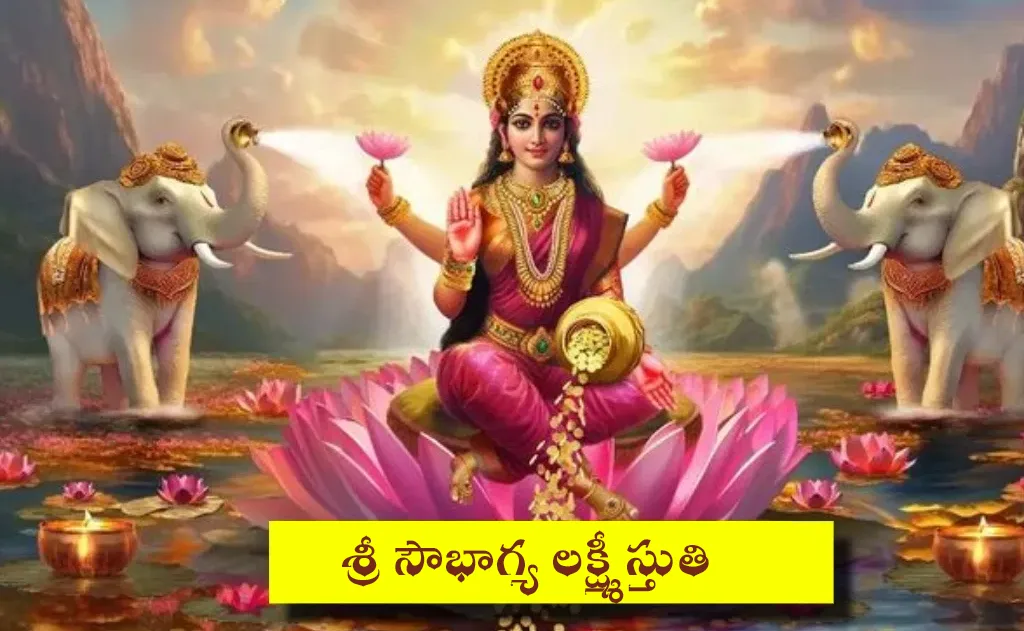
Introduction: Celebrating Diwali in Busan in 2026
Diwali, also known as Deepavali, is one of India's most cherished festivals. Celebrated as the Festival of Lights, it represents the victory of light over darkness, knowledge over ignorance and good over evil. For Indians living outside their home country, Diwali is an opportunity to reconnect with family traditions, share Indian culture and create a festive atmosphere far from home.
In 2026, Diwali falls on Sunday, 8 November. Busan, South Korea's second-largest city and an important international port, has a diverse population that includes foreign professionals, university students, international families and visitors from India and other South Asian countries.
The Indian community in Busan is smaller than the Indian population in Seoul, but residents can still celebrate through home Lakshmi Puja, diyas, rangoli, traditional Indian food, family gatherings and connections with Indian cultural organisations.
Busan is particularly interesting for Indian visitors because it combines beaches, modern city districts, international food, cultural institutions and easy transport connections. The city's Indian restaurants and South Asian grocery shops can help residents prepare a familiar Diwali meal and find ingredients for traditional recipes.
This guide explains the Diwali 2026 date, Busan-specific Lakshmi Puja timings, the local Indian cultural scene, restaurants, grocery options, sightseeing opportunities and practical celebration ideas.
Diwali 2026 date in Busan, South Korea
Diwali will be celebrated on:
- Day: Sunday
- Date: 8 November 2026
- Festival: Deepavali / Diwali
- City: Busan, South Korea
- Time zone: Korea Standard Time (KST, UTC+9)
The festival is associated with Kartika Amavasya, the new-moon day in the Hindu lunar calendar. Lakshmi Puja is traditionally performed in the evening, when families worship Goddess Lakshmi, Lord Ganesha and other deities according to their household customs.
The exact festival observance and puja schedule should be followed using a location-specific Panchang. Busan's timings should not be replaced with Seoul's or India's timings. For other Korean cities, see Diwali 2026 in South Korea and Diwali 2026 in Seoul.
Lakshmi Puja muhurat in Busan on 8 November 2026
The published Busan-specific Drik Panchang calculation gives the following evening timings:
| Panchang detail | Local time in Busan |
|---|---|
| Diwali date | Sunday, 8 November 2026 |
| Pradosh Kaal | 5:23 PM – 8:05 PM |
| Lakshmi Puja muhurat | 5:44 PM – 7:36 PM |
| Amavasya Tithi begins | 2:57 PM, 8 November |
| Amavasya Tithi ends | 4:01 PM, 9 November |
These timings are in Korea Standard Time. The listed Lakshmi Puja window is the Vrishabha Kaal overlap within Pradosh Kaal in the published calculation.
Families should check their preferred Panchang or consult their priest if they follow a particular regional tradition. Some Hindu communities use different methods for determining the main Diwali observance.
Suggested Diwali evening schedule for Busan families
- 4:00 PM: Finish cleaning and decorating the home.
- 4:30 PM: Prepare the puja area, flowers, fruits, sweets and lamps.
- 5:15 PM: Arrange the Lakshmi-Ganesha puja materials.
- 5:44 PM – 7:36 PM: Perform Lakshmi Puja according to family tradition.
- After puja: Light diyas, share sweets and enjoy dinner with family.
- Evening: Connect with relatives in India through video calls.
The schedule is a practical suggestion, not a prescribed religious ritual sequence.
The five days of Diwali 2026
Diwali is traditionally observed over several days. Families in Busan can follow the festival calendar while adapting the celebrations to work, school and local schedules.
| Festival | Date in 2026 | Traditional significance |
|---|---|---|
| Dhanteras | Friday, 6 November | Prosperity, health and traditional purchases |
| Naraka Chaturdashi / Choti Diwali | Sunday, 8 November | Celebration of the victory of good over evil |
| Lakshmi Puja / Diwali | Sunday, 8 November | Worship of Goddess Lakshmi and Lord Ganesha |
| Govardhan Puja | Tuesday, 10 November | Devotion to Lord Krishna and gratitude for nature |
| Bhai Dooj | Wednesday, 11 November | Celebration of the bond between brothers and sisters |
Regional customs differ. Some communities observe Naraka Chaturdashi and Lakshmi Puja on the same calendar date in 2026, while the main evening puja follows the local muhurat.
Diwali public events in Busan: What is confirmed for 2026?
People searching for Diwali events in Busan should distinguish between a confirmed public festival, a cultural institution's regular activities and private celebrations organised by families.
As of 6 November 2026, HinduTone could not verify an independently advertised public Diwali celebration in Busan with a confirmed date, venue, registration link and programme for 8 November.
This does not mean Indian residents will not celebrate. Private gatherings, university groups and family events may take place without being listed on public event websites.
1. India Centre in Busan
The India Centre is an important cultural connection between India and South Korea. It is based at Busan University of Foreign Studies and describes its mission as presenting Indian cultural heritage and strengthening cultural exchange between the two countries.
Its published activities include cultural festivals, Indian film programmes, dance, yoga, meditation, art, crafts, Indian cooking and lectures.
The centre is a useful organisation to contact for information about Indian cultural activities and possible community connections. However, its published programme information should not be interpreted as confirmation of a Diwali celebration on 8 November.
India Centre contact information
- Location: Room 430, Trinity Hall, Building D, Busan University of Foreign Studies
- Address: 65 Geumsaem-ro 485beon-gil, Geumjeong-gu, Busan
- Phone: 051-509-6374 / 051-509-5891
- Email: india.centre.kr@gmail.com
- Website: https://indiacentre.kr/
Visitors should contact the centre before travelling, particularly because its weekday operating hours may not accommodate a Sunday visit.
2. Indian Cultural Centre Busan
The Indian Cultural Centre is another useful place for people interested in Indian culture in Busan. Visit Busan describes it as a venue near the UN Memorial Cemetery that offers opportunities to learn about Indian culture and attend cultural lectures.
It is relevant to Indian residents and Korean visitors interested in Indian traditions, but a specific Diwali 2026 event at this location has not been confirmed in the information available for this guide.
Location: 171-1, UN-ro, Nam-gu, Busan.
Contact listed by Visit Busan: +82-51-508-4254.
Check current access arrangements and programmes before visiting.
3. Indian cultural festival in nearby Yangsan
An Indian cultural event worth knowing about during the Diwali weekend is the 2026 Yangsan India International Film Festival.
The India Centre's published information lists:
- Opening ceremony: Friday, 6 November 2026, at 5:30 PM.
- Opening venue: Yangsan Culture and Arts Center Grand Hall.
- Film screenings: 7–8 November at Megabox Yangsan Jeungsan.
- Advertised admission: Free screenings.
This is an Indian cultural festival in nearby Yangsan, not a confirmed Diwali puja or Diwali celebration in Busan. It may interest Indian cinema enthusiasts and people looking for Indian cultural activities during the weekend.
Check the organiser's current notices for screening schedules, registration requirements and any changes before travelling.
4. Indian community gatherings and private Diwali celebrations
Indian professionals, students and families in Busan may organise small Diwali gatherings in homes, apartments, university communities or private venues.
Typical activities include:
- Lakshmi-Ganesha puja.
- Lighting traditional oil lamps and decorative diyas.
- Preparing Indian sweets and snacks.
- Sharing homemade vegetarian and regional Indian dishes.
- Bollywood music and family entertainment.
- Rangoli and flower decorations.
- Video calls with family members in India.
These are possible ways to celebrate, not a list of confirmed public events. Anyone looking for a large community celebration should check directly with local Indian groups and cultural organisations.
Where to find Indian food in Busan during Diwali 2026
Food is an important part of Diwali. Indian families living in Busan may want familiar dishes such as biryani, paneer curry, dal, samosas, chapati, naan, gulab jamun, kheer and ladoos.
Busan has several Indian and South Asian restaurants, particularly around Haeundae and Gwangalli. These establishments can be useful for a family dinner or takeaway meal.
The restaurants below are dining suggestions, not confirmed Diwali event venues. Contact each restaurant directly to ask about festive menus, vegetarian availability, takeaway orders, group seating and holiday opening hours.
1. Namaste Haeundae
Namaste Haeundae is an Indian and Nepalese restaurant near Haeundae Beach. It is a convenient option for residents and visitors staying in the Haeundae area.
Possible dishes to look for include curries, rice preparations, naan, tandoori-style food and vegetarian choices.
Address: 7 Haeundaehaebyeon-ro 265beon-gil, Haeundae-gu, Busan.
2. Hi Asia – Pakistani and Indian Halal Restaurant
Hi Asia is a South Asian restaurant in the Haeundae district serving Indian and Pakistani-style food, with additional international dishes.
It may suit groups looking for a variety of South Asian flavours. Diners with specific dietary requirements should confirm ingredients and preparation practices directly with the restaurant.
Address: 31 Gunam-ro, Haeundae-gu, Busan.
3. Royal India Haeundae
Royal India Haeundae is located in the Haeundae Beach district. Its menu is associated with Indian and Nepalese dishes, including curries, tandoori food, breads and desserts.
It can be considered for a Diwali meal, especially for families staying near Haeundae.
Address: 287 Haeundaehaebyeon-ro, Haeundae-gu, Busan.
4. Royal India Seomyeon
Royal India Seomyeon is an option in the central Seomyeon shopping and business district.
Its Indian and Nepalese menu makes it a practical choice for people living or staying around Busanjin-gu. Ask about vegetarian, vegan and halal requirements before ordering.
Address: 6th Floor, 672 Jungang-daero, Busanjin-gu, Busan.
5. Naan n Curry Haeundae
Naan n Curry is another Indian dining option in Haeundae. Visitors looking for naan, curries and tandoori-style dishes can consider this restaurant.
It is useful for travellers who want to combine a beach visit with an Indian meal.
Address: 25 Gunam-ro, Haeundae-gu, Busan.
6. Bombay Indian Restaurant
Bombay Indian Restaurant is listed in the Gunam-ro area of Haeundae. Its location makes it accessible to people exploring the beach district.
Check recent reviews and the current menu before choosing it for a special family dinner.
Address: 30 Gunam-ro, Haeundae-gu, Busan.
7. Lemon Indian Restaurant
Lemon Indian Restaurant is another dining option on Gunam-ro in Haeundae. It may be convenient for visitors staying near the beach and nearby hotels.
Confirm the current menu, operating status and holiday hours before visiting.
Address: 29 Gunam-ro, Haeundae-gu, Busan.
8. Bollywood Indian Restaurant
Bollywood Indian Restaurant is located near Gwangalli Beach. It offers an Indian dining atmosphere in one of Busan's popular coastal neighbourhoods.
It may be suitable for couples or groups who want to enjoy an Indian meal after visiting the beach area.
Address: 9 Gwangnam-ro 130beon-gil, Suyeong-gu, Busan.
9. Royal Curry and Naan
Royal Curry and Naan is an Indian and Pakistani restaurant in the Gwangalli area. It is another option for visitors seeking South Asian dishes near the coast.
Ask about vegetarian dishes, meat sourcing and any halal requirements before ordering.
Address: B1, 193 Gwanganhaebyeon-ro, Suyeong-gu, Busan.
Indian and South Asian grocery stores in Busan
Families preparing Diwali at home may need basmati rice, atta, lentils, chickpeas, spices, ghee, tea, sweets, snacks and other ingredients.
The following international grocery shops are listed in Busan. Their stock can change, so call or visit ahead if you need a particular Indian product.
1. Soho Asia Mart
Soho Asia Mart is in the Sasang area and is listed as an international grocery shop. Community descriptions mention South Asian and international cooking ingredients, including curry-related products and tea.
Address: 527-33 Gwaebeop-dong, Sasang-gu, Busan.
2. Asia Mart – Sasang
Asia Mart in Sasang is another international grocery option. It is associated with imported pantry products and ingredients used in South Asian and other Asian cooking.
Address: 14-1 Gwangjang-ro 21beon-gil, Sasang-gu, Busan.
3. New World Mart and World Spice View Halal
This market in Sasang is described as carrying imported foods and halal-oriented products, including ingredients associated with South Asian cooking.
Address: 12 Gwangjang-ro 21beon-gil, Sasang-gu, Busan.
4. Global Mart
Global Mart is listed in Daeyeon-dong, Nam-gu. It is described as a small international grocery shop with South Asian and Southeast Asian food products.
Address: 510-26 Daeyeon-dong, Nam-gu, Busan.
5. Gun Mart
Gun Mart is a supermarket in Nam-gu. Customer descriptions mention South Asian ingredients such as lentils, spices and basmati rice.
Address: 11-7 Yongso-ro 28beon-gil, Nam-gu, Busan.
Diwali shopping checklist
Before 8 November, families can look for:
- Basmati rice.
- Toor dal, moong dal and chana dal.
- Chickpeas and other pulses.
- Atta and other flours.
- Turmeric, cumin, coriander and garam masala.
- Ghee and cooking oil.
- Cashews, almonds, raisins and pistachios.
- Sugar, jaggery and ingredients for sweets.
- Tea, snacks and packaged Indian foods.
- Flowers, incense and puja essentials, where available.
For fresh flowers, fruits and vegetables, Korean supermarkets and traditional markets can also be useful.
Hindu temples and places for Indian spiritual and cultural connections
Busan has Indian cultural organisations and international communities, but visitors should not assume that every Indian cultural centre is a Hindu temple.
The India Centre and Indian Cultural Centre are cultural institutions, not automatically places for daily Hindu worship. For a specific temple service or Diwali puja, contact the relevant Hindu organisation before travelling.
India Centre
The India Centre at Busan University of Foreign Studies promotes Indian heritage and cultural exchange. Its activities include dance, yoga, meditation, cultural festivals and Indian cooking.
It is a valuable resource for people interested in Indian culture and community connections.
Indian Cultural Centre Busan
This centre is described by Visit Busan as a place for Indian cultural learning and lectures. It is located in Nam-gu, near the UN Memorial Cemetery.
Hongbeopsa Temple: A Buddhist temple, not a Hindu temple
Hongbeopsa is a Buddhist temple in Geumjeong-gu. It is known for its large seated Buddha statue and temple experiences.
It is not a Hindu temple and should not be presented as a venue for Lakshmi Puja. Visitors interested in Korean Buddhist architecture and temple culture may nevertheless find it worth exploring.
Address: 202 Dugu-ro 33beon-gil, Geumjeong-gu, Busan.
Best places to visit in Busan during Diwali 2026
Visitors who are in Busan for the festival can combine their Diwali celebrations with sightseeing.
1. Haeundae Beach
Haeundae is one of South Korea's best-known beaches. It is a popular place for a morning walk, photography and seaside relaxation.
Visitors can explore the beach and nearby cafés before returning to their accommodation for evening puja.
2. Gwangalli Beach
Gwangalli is famous for its views of Gwangan Bridge. The waterfront is a popular place for an evening walk and photographs.
Visitors should remember that public fireworks or lighting of open flames may be restricted. Use safe, permitted lighting only.
3. Gamcheon Culture Village
Gamcheon Culture Village is known for its colourful houses, hillside lanes, art installations and scenic viewpoints.
It is a good daytime destination for families and visitors interested in photography and local culture.
4. Haedong Yonggungsa Temple
Haedong Yonggungsa is a well-known Buddhist temple beside the sea. Its coastal setting makes it one of Busan's distinctive sightseeing locations.
It is a Buddhist place of worship, not a Hindu temple or Diwali puja venue. Visitors should respect temple customs and dress appropriately.
5. Jagalchi Market
Jagalchi Market is one of Busan's best-known seafood markets. Visitors can experience local market culture and explore the surrounding Nampo-dong area.
Vegetarian visitors should check food ingredients carefully because seafood is central to the market's offerings.
6. BIFF Square
BIFF Square is associated with Busan's film culture and is a lively place to explore local street food and shopping.
It can be combined with a visit to nearby markets and city-centre attractions.
7. Busan Tower and Yongdusan Park
Yongdusan Park and Busan Tower offer city views and a pleasant urban sightseeing experience.
They are convenient options for visitors staying around Nampo-dong.
8. UN Memorial Cemetery
The UN Memorial Cemetery is a significant historical site in Nam-gu. It commemorates UN forces who served during the Korean War.
It is also near the Indian Cultural Centre area, making it possible to combine cultural learning with a visit to an important historical location.
A one-day Diwali itinerary for Indian families in Busan
Families visiting Busan for the festival can use the following sample itinerary. Adjust it according to travel distance, weather, mobility and the time required for puja preparations.
Morning
- Start with breakfast and a relaxed family outing.
- Visit Haeundae Beach.
- Explore the surrounding streets and cafés.
- Purchase any last-minute festival ingredients.
Afternoon
- Visit the India Centre area or explore a city attraction.
- Return to the hotel or home early.
- Prepare the puja area and arrange flowers, sweets and lamps.
- Avoid planning a long journey close to the evening muhurat.
Evening
- Perform Lakshmi Puja during the Busan muhurat of 5:44 PM–7:36 PM.
- Light diyas safely.
- Share sweets and dinner with family.
- Connect with relatives in India.
Later evening
- Enjoy a quiet walk in a permitted public area if time allows.
- Take photographs of decorations.
- Avoid setting off fireworks or lighting open flames in prohibited public spaces.
How Indian students and professionals can celebrate Diwali in Busan
Busan is home to international students and professionals who may be away from their families during the festival. A small gathering can help recreate the warmth of celebrating Diwali at home.
Indian students
Students can:
- Organise a small shared dinner with friends.
- Decorate their accommodation with battery-operated lights.
- Prepare simple Indian sweets and snacks.
- Share regional Diwali traditions with Korean classmates.
- Attend public Indian cultural activities when officially announced.
Students living in dormitories should check residence rules before using candles, incense or open flames.
Indian professionals and families
Working professionals can plan an early evening puja and a family dinner. Those with children can introduce them to the meaning of Diwali through stories, rangoli, sweets and traditional songs.
Families can also organise a small potluck with Indian friends. A shared meal featuring dishes from different regions of India can make the occasion especially memorable.
Korean friends interested in Diwali
Diwali is a good opportunity to introduce Korean friends to Indian culture. Families can explain the significance of diyas, Lakshmi Puja, rangoli and traditional sweets.
A simple celebration can include:
- A short explanation of Diwali's meaning.
- Demonstrations of rangoli patterns.
- Indian vegetarian food.
- Traditional music.
- A small gift of sweets.
Avoid assuming that all Indian families follow exactly the same rituals. Diwali traditions vary by region, language, religion and family custom.
How to prepare for Diwali in Busan
Buy ingredients early
Indian ingredients may not be available in every supermarket. Shop for spices, pulses, rice, flour and sweets in advance. Check international grocery stores for imported products.
Plan vegetarian food
Many families prefer vegetarian dishes for Lakshmi Puja. Prepare food according to household customs and check restaurant ingredients when ordering.
Use safe decorations
Battery-operated diyas and LED lights are practical options for apartments and student accommodation. If using traditional oil lamps, place them on stable, non-flammable surfaces away from curtains, children and pets.
Check apartment and dormitory rules
Candles, incense, cooking equipment and open flames may be restricted in some buildings. Follow local fire-safety rules and property regulations.
Confirm restaurant bookings
Indian restaurants may be busy on weekends. Call ahead to confirm seating, menu options and takeaway availability. Do not assume that a restaurant has a Diwali special menu unless it has announced one.
Check transport and opening hours
Busan's public transport makes it possible to explore the city, but visitors should allow enough time to return home before puja. Check current operating hours for cultural centres, attractions and shops.
Diwali 2026 in Busan: Frequently Asked Questions
1. When is Diwali in Busan in 2026?
Diwali will be observed on Sunday, 8 November 2026, in Busan, South Korea.
2. What is the Lakshmi Puja muhurat in Busan?
The published Busan-specific Lakshmi Puja muhurat is 5:44 PM to 7:36 PM KST on 8 November 2026.
3. What is the Pradosh Kaal timing in Busan?
The published Pradosh Kaal is 5:23 PM to 8:05 PM local time.
4. Is there a public Diwali celebration in Busan on 8 November 2026?
A public Diwali celebration in Busan on that date could not be verified from the available event information. Contact the India Centre and local Indian community organisations for any late announcements or private gatherings.
5. Is there an Indian cultural centre in Busan?
Yes. The India Centre is based at Busan University of Foreign Studies. Visit Busan also lists an Indian Cultural Centre in Nam-gu.
6. Where can I find Indian restaurants in Busan?
Haeundae has several Indian and South Asian restaurants, including Namaste Haeundae, Royal India Haeundae, Naan n Curry and other dining options. Seomyeon and Gwangalli also have Indian restaurants.
7. Where can I buy Indian groceries in Busan?
International grocery options include Soho Asia Mart, Asia Mart in Sasang, New World Mart, Global Mart and Gun Mart. Confirm product availability before travelling.
8. Can I find vegetarian food in Busan?
Yes. Indian restaurants commonly offer vegetarian dishes, but menus and ingredients differ. Ask about dairy, eggs, meat stock and other ingredients if you follow a strict vegetarian diet.
9. Is there a Hindu temple in Busan?
This guide identifies Indian cultural institutions and Buddhist temples, but does not confirm a public Hindu temple in Busan with a Diwali programme for 2026. Contact Indian community organisations for current worship arrangements.
10. Is the Yangsan India International Film Festival a Diwali event?
No. It is an Indian cultural and film event listed for 6–8 November 2026 in nearby Yangsan. It should not be confused with a Diwali puja or a confirmed Busan Diwali celebration.
11. What time zone should visitors use for Diwali puja in Busan?
Use Korea Standard Time (KST), UTC+9. Do not use Indian Standard Time for a local Busan puja schedule.
12. Can tourists celebrate Diwali in Busan?
Yes. Tourists can celebrate privately with family and friends, enjoy Indian food and explore Indian cultural institutions. They should check event announcements before travelling in expectation of a public celebration.
Conclusion: Celebrate the Festival of Lights in Busan
Diwali 2026 offers Indian residents, students, professionals and visitors in Busan an opportunity to celebrate their traditions while enjoying the city's international character.
The main festival falls on Sunday, 8 November 2026, and the Busan-specific Lakshmi Puja muhurat is 5:44 PM to 7:36 PM KST. Families can prepare a home puja, decorate with diyas and rangoli, enjoy Indian food and connect with friends and relatives.
The India Centre and Indian Cultural Centre provide useful connections to Indian culture, while restaurants and international grocery stores around Haeundae, Seomyeon, Gwangalli and Sasang can help residents prepare for the festival.
Although a public Diwali event in Busan on 8 November has not been confirmed in the information available for this guide, the city offers several ways to enjoy an intimate and meaningful celebration.
HinduTone wishes everyone in Busan and across South Korea a very Happy Diwali 2026! May the Festival of Lights bring peace, happiness, prosperity and good health to every family.
More Diwali 2026 city guides
Celebrating somewhere else, or have family in another city? These HinduTone guides give each city its own local Lakshmi Puja time, temples and events:
- Diwali 2026 in Seoul
- Diwali 2026 in Incheon
- Diwali 2026 in Singapore
- Diwali 2026 in Kuala Lumpur
- Diwali 2026 in Jakarta
See also Diwali 2026 dates in South Korea and Diwali 2026 dates in every country, or browse every guide on our Diwali 2026 hub.
Share this with family and friends
Send it on WhatsApp, post it, or copy the link.
More from Diwali 2026
- Diwali 2026 in Vladivostok, Russia: Lakshmi Puja Time, Indian Consulate, Krishna Temple and Guide
- Diwali 2026 in Irkutsk, Russia: Lakshmi Puja Time, Dates and Practical Guide
- Diwali 2026 in Samara, Russia: Lakshmi Puja Time, Krishna Temple and Practical Guide
- Diwali 2026 in Omsk, Russia: Lakshmi Puja Time, Radha-Govinda Temple and Practical Guide
- Diwali 2026 in Novosibirsk, Russia: Lakshmi Puja Time, Dates and Practical Guide
You might also like
Diwali 2026 in Incheon, South Korea: Date, Lakshmi Puja Timings, Indian Community Events, Restaurants and Celebrations
Diwali 2026 in Seoul, South Korea: Date, Lakshmi Puja Timings, Indian Community Events, Temples, Restaurants and Celebrations
Diwali 2026 in Jakarta, Indonesia: Date, Lakshmi Puja Timings, Indian Community Events, Temples, Restaurants and Celebrations