Vasu Baras 2026: Govatsa Dwadashi Date, Cow and Calf Puja, Nandini Story and Customs
Vasu Baras 2026, also called Govatsa Dwadashi, falls on Thursday 5 November 2026 in India (calculated; some calendars may list 6 November). It opens Diwali in Maharashtra. Learn the date and its caveat, how mothers worship a cow and calf, the Nandini story as commonly told, the food customs and how NRI families can observe it.
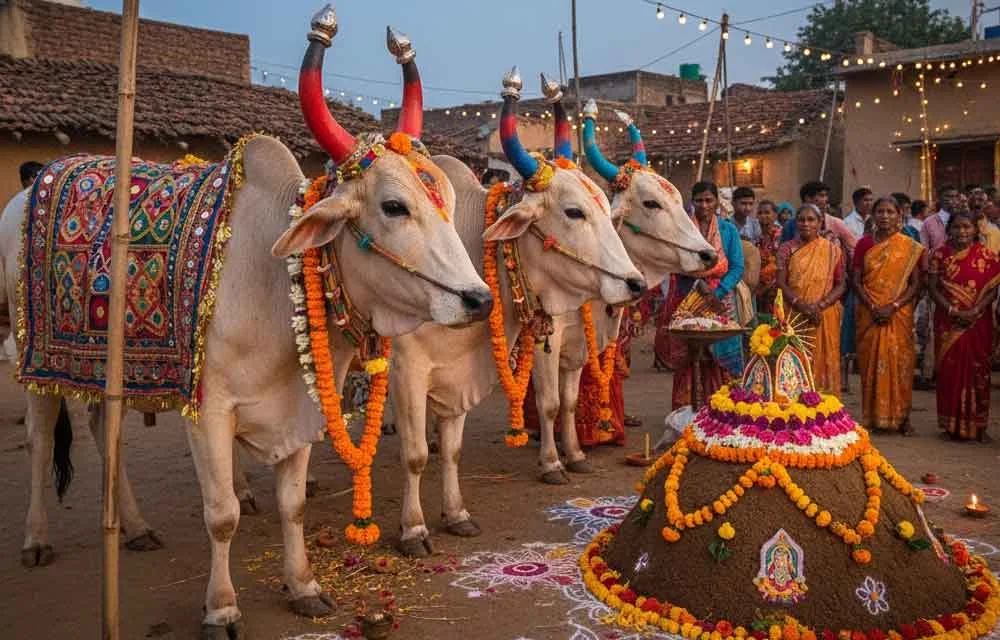
Vasu Baras 2026, also called Govatsa Dwadashi, falls on Thursday 5 November 2026 in India (calculated; some calendars may list 6 November). It opens Diwali in Maharashtra.
Quick answer: Vasu Baras 2026, also called Govatsa Dwadashi, falls on Thursday 5 November 2026 in India, by our calculation. It is the first day of Diwali in Maharashtra. In Gujarat the same day is called Vagh Baras. Mothers worship a cow and her calf in the evening and pray for the well-being of their children. Some calendars may list 6 November, so follow your local panchang.
This guide has been restored at its original hindutone.com address. The date below comes from the HinduTone calculator, which we have checked against Drik Panchang to within one or two minutes. Please confirm it on Drik Panchang for your city.
Vasu Baras 2026 date and tithi
| Detail (India, IST) | 2026 |
|---|---|
| Vasu Baras / Govatsa Dwadashi | Thursday 5 November 2026 (calculated) |
| Tithi | Ashwin Krishna Dwadashi (amanta), from ~10:36 AM IST 5 Nov to ~10:31 AM IST 6 Nov (calculated) |
| Why 5 November | Dwadashi prevails at the 5 Nov evening, when the puja is done |
| Caveat | Some calendars may list 6 Nov. Follow your local panchang. |
| Same day | Rama Ekadashi, Thursday 5 November 2026 (calculated) |
| Next day | Dhanteras, Friday 6 November 2026 (Drik) |
We do not list a muhurat clock time. For timings in your city, check Drik Panchang.
Note that Rama Ekadashi is also on Thursday 5 November. Ekadashi is at sunrise, and Dwadashi begins later in the day. Families who keep both observances usually follow their own panchang for food rules.
What is Vasu Baras?
Govatsa Dwadashi means the Dwadashi (twelfth lunar day) of the cow and calf. It comes on the Krishna Dwadashi just before Dhanteras. In Maharashtra it is called Vasu Baras, and it opens the Diwali festival. Families draw rangoli, light the first lamps of Diwali and worship the cow.
In Hindu tradition the cow is honoured as Gau Mata, a mother who feeds and sustains. On this day she is worshipped together with her calf. The bond between the cow and calf is seen as a picture of a mother's love. For this reason, the day is especially important for mothers, who pray for the health and long life of their children.
In Gujarat the day is known as Vagh Baras. Many Gujarati families and traders mark it as the start of their Diwali days. In parts of South India it is known as Govatsa Dwadashi, and some families keep a related vrat for Nandini, the divine cow.
The Nandini story, as commonly told
As commonly told, Kamadhenu was the wish-fulfilling cow who came out of the churning of the ocean (Samudra Manthan). Her daughter Nandini lived in the hermitage of the sage Vasishtha. She gave the sage everything needed for his worship and to feed his guests.
Vasu Baras is commonly said to honour Nandini and, through her, all cows. Some tellings link the name 'Vasu' to the wealth and well-being that the cow brings to a home. Stories and explanations differ between regions and families. The central idea is simple: the cow gives selflessly, and the day is a time to thank her.
How Vasu Baras puja is done
Customs vary between regions and families. A widely followed method is:
- In the evening, when the cows come home, bathe the cow and calf if possible, or wash their feet.
- Decorate them with a garland and apply turmeric and kumkum on the forehead. Some families put a cloth on the cow.
- Offer worship with a lamp, incense, flowers, akshata (rice) and water.
- Offer food such as fresh grass, soaked whole grains like bajra or moong, and jaggery. Avoid anything that may harm the animal.
- Do aarti and walk around the cow respectfully, keeping a safe distance from her legs.
- Pray for the well-being of your children and family.
Many families keep a cow-and-calf idol, often made of clay or metal, and worship it at home when there is no cow nearby.
Food customs: what mothers avoid
Many women who keep the Vasu Baras vrat fast for part of the day. By custom, they avoid wheat and cow's milk products such as milk, curd and ghee. The usual explanation is that the cow's milk is left for her calf on this day. Instead, many families prepare dishes from bajra (pearl millet), such as bajra bhakri, with vegetables like gavar (cluster beans) and moong. Customs differ by community, so follow your family's practice.
Health note: If you are pregnant, breastfeeding, unwell, diabetic or taking regular medicine, speak to a doctor before fasting. A lighter fast or simple prayer is fully in keeping with the spirit of the day.
Vasu Baras for NRI families
- Check your local date: The date abroad can differ by a day. Use Drik Panchang for your city. Do not convert India's times.
- Home puja: Worship a cow-and-calf idol or a picture of Krishna with cows. Offer a lamp, flowers and a simple naivedyam.
- Start Diwali: Draw the first rangoli and light the first diyas of Diwali in the evening.
- Gaushala seva: Donate to a gaushala you know and trust, or to a local animal shelter.
- Temple visit: Some temples abroad keep cows or hold a puja on this day. Check your temple's own website or notice board.
- Teach children: Tell them why the cow and calf are honoured, and talk about kindness to animals.
Frequently asked questions
When is Vasu Baras 2026?
Vasu Baras 2026 is on Thursday 5 November 2026 in India, by our calculation. Dwadashi runs from about 10:36 AM IST on 5 November to about 10:31 AM IST on 6 November, so Dwadashi prevails on the evening of 5 November. Some calendars may list 6 November. Follow your local panchang and confirm on Drik Panchang.
What is the difference between Vasu Baras and Govatsa Dwadashi?
They are the same festival. Vasu Baras is the Marathi name. Govatsa Dwadashi is the Sanskrit name, meaning the Dwadashi of the cow (go) and calf (vatsa). In Gujarat the same day is known as Vagh Baras.
Why do mothers avoid wheat and milk products on Vasu Baras?
By custom, many women who keep the vrat avoid wheat and cow's milk products on this day. The usual explanation is that the cow's milk belongs to her calf on this day. Customs vary, so follow your family's practice.
Is Vasu Baras the first day of Diwali?
In Maharashtra, yes. Many Marathi families treat Vasu Baras as the first day of Diwali. In 2026 Dhanteras follows on Friday 6 November and Lakshmi Puja on Sunday 8 November (Drik).
Is there a puja time for Vasu Baras 2026?
We do not give a muhurat clock time. The puja is traditionally done in the evening, when the cows return home. For your city, check Drik Panchang.
What if I live abroad and there is no cow nearby?
Worship a picture or small idol of a cow and calf, or of Krishna with a cow. You can also donate to a gaushala or an animal shelter. The date abroad can differ by a day, so check Drik Panchang for your city.
Editor's note
Editor's note (6 October 2026): This guide has been restored at its original address after the earlier version was lost. The Vasu Baras date and the Dwadashi span are from the HinduTone calculator, validated against Drik Panchang, and are marked 'calculated'. Some calendars may list 6 November; follow your local panchang. Dhanteras is from Drik Panchang. Times are in IST only. We have not listed muhurat clock times. Stories are given as commonly told, and customs vary by region and family.
Related guides
You might also like
Annapurna Jayanti 2026: Date (23 December), Story of Annapurna Devi of Kashi, Puja and Food Donation
Tripurari Purnima 2026 (Tripuri Purnima): Date, Story of Tripurasura, Dev Diwali and Lamp Rituals
Thrikarthika 2026 in Kerala: Date, Karthika Vilakku Lamps, Devi Worship and Diaspora Guide