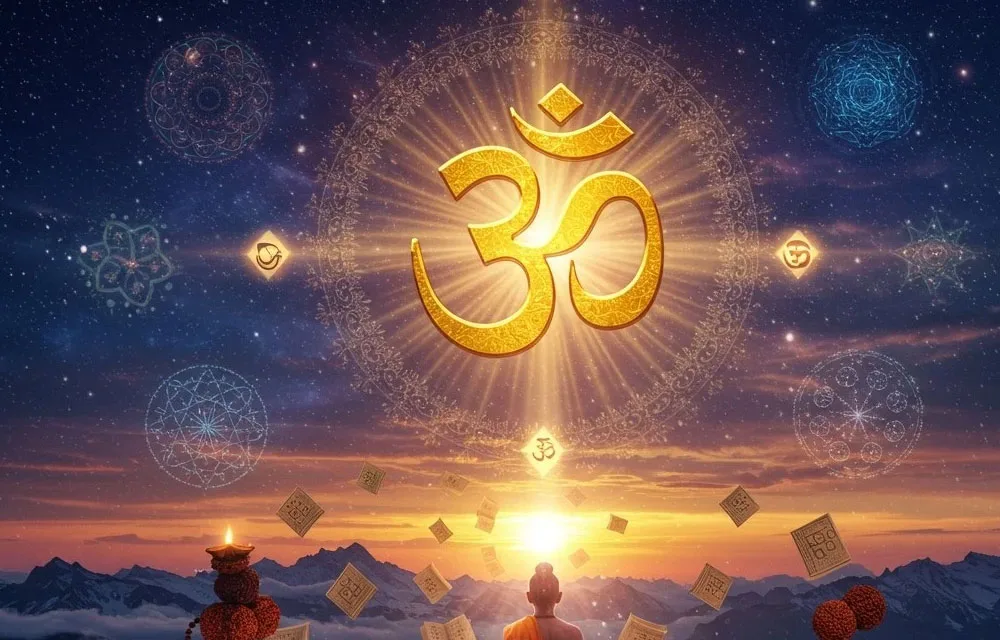
Why Hindu Dharma Never Needed a Conversion System: The Timeless Strength of Sanatan Dharma
Exploring the spiritual confidence and universal appeal of Hindu Dharma — a path that shines without shouting.
Exploring the spiritual confidence and universal appeal of Hindu Dharma — a path that shines without shouting.
Introduction: A Spiritual Path That Invites, Not Imposes
Hindu Dharma, or Sanatan Dharma, stands as a beacon of ancient spiritual wisdom that has flourished for thousands of years — without the need for a conversion mechanism. Unlike many global faiths, Hinduism has never expanded through force, fear, or missionary zeal. Instead, it draws people in through its timeless truths, profound inclusivity, and inner freedom.
1. A Path Beyond Competition
At its essence, Hindu Dharma is not about numbers, dominance, or exclusivity. It emphasizes self-realization, not conquest.
“Ekam Sat Vipra Bahudha Vadanti”
Truth is one, but the wise call it by many names.
Hinduism respects all genuine paths to the Divine. It doesn’t seek to convert because it recognizes that every soul is already on a sacred journey toward truth.
Key Insight: Hindu Dharma doesn’t demand followers — it welcomes seekers.
2. No Fear, No Force — Just Freedom
Many religions rely on fear of hell or promises of heaven to attract followers. Hindu Dharma offers something radically different — a fearless path rooted in self-awareness.
There’s no original sin, no eternal damnation — only karma and moksha (liberation). Faith is not a ticket to salvation but a personal journey of unfolding truth.
Key Insight: Hinduism empowers individuals to choose freely and awaken through inner experience — not dogma.
3. Every Soul’s Unique Journey Matters
The belief in reincarnation makes Hindu Dharma deeply respectful of each soul’s personal evolution. One’s religion or birthplace is part of their karmic unfolding — not an accident or mistake.
To forcibly convert someone would be to interfere with Dharma, their natural progression toward realization.
Key Insight: Hindu Dharma values soul growth over soul control.
4. A Culture of Coexistence, Not Conversion
The ideal of Vasudhaiva Kutumbakam — the world is one family — defines Hinduism’s interaction with others. Temples are open to all. Scriptures like the Gita and Upanishads are studied globally, with no pressure to convert.
Where other systems have used conversion to gain power, Hinduism has always spread through peace, wisdom, and quiet strength.
Key Insight: Hindu Dharma spreads by sharing, not by seizing.
5. Silent Strength That Endures
Despite centuries of invasions, colonialism, and oppression, Sanatan Dharma stands resilient — not through militancy but through the truth of its principles: yoga, ahimsa, karma, meditation, and universal oneness.
Its teachings are practiced worldwide, often by non-Hindus, because truth resonates — even in silence.
Key Insight: Real power doesn’t scream. It simply shines.
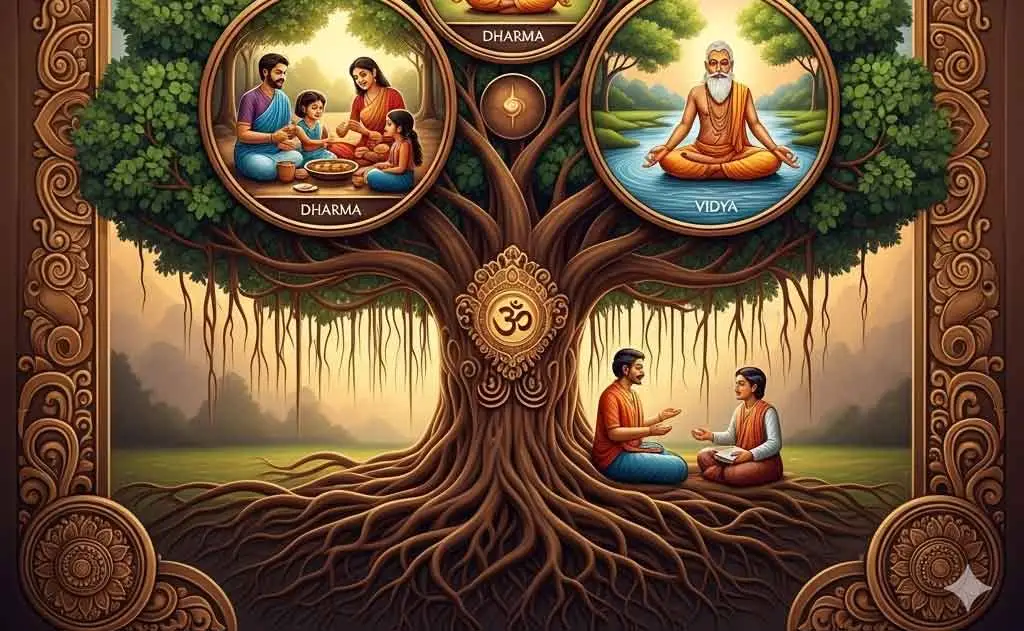
6. A Banyan Tree, Not a Bulldozer
Hindu Dharma is like a banyan tree — vast, rooted, and offering shelter to all. It doesn’t drag people under its shade; it simply stands and allows truth-seekers to approach.
Great sages shared wisdom in forests, not behind pulpits. The Bhagavad Gita was a dialogue, not a decree. There’s beauty in this humility.
Key Insight: Hindu Dharma invites with love, not pressure.
7. Devotion Without Deals
Sanatan Dharma’s essence is found in bhakti (devotion) and karma (right action). It doesn’t convert with promises or fear but guides each soul inward.
Faith, to be real, must be chosen freely. Hinduism encourages seekers to experience truth, not just recite it.
Key Insight: True devotion can’t be forced — it must bloom from within.
8. Global Reach, Without a Missionary
Hindu teachings like yoga, Ayurveda, meditation, and mindfulness have circled the globe — not through organized campaigns, but through their innate value.
Millions now chant Om, read the Gita, or adopt ahimsa — without ever converting. That’s the quiet revolution of Sanatan Dharma.
Key Insight: Like a fragrance, truth spreads naturally.
Conclusion: The Eternal Light of Sanatan Dharma
Hindu Dharma never needed a conversion system because its spiritual foundation is unshakable. It doesn’t chase — it attracts. It doesn’t compete — it completes. Its strength lies in truth, not numbers.
In a world obsessed with influence and expansion, Sanatan Dharma offers a timeless reminder: Let your light shine — those seeking it will come.
Call to Action:
Explore the spiritual depth of Hindu Dharma on Hindutone.
Share this article to help spread the light of Sanatan wisdom across the globe — with love, not force.
See also: conversion to Hinduism.
Frequently Asked Questions
Why did Hindu Dharma never need a conversion system?
Hinduism respects all genuine paths to the Divine and holds that every soul is already on a sacred journey toward truth. It draws seekers through wisdom and inclusivity rather than force, fear or missionary zeal.
What does "Ekam Sat Vipra Bahudha Vadanti" mean?
It means truth is one, but the wise call it by many names. This verse reflects why Hinduism does not seek to convert others.
How does the belief in reincarnation relate to conversion?
Reincarnation makes Hindu Dharma respect each soul's personal evolution, so one's religion or birthplace is seen as part of their karmic unfolding. Forcibly converting someone would interfere with their natural progression toward realization.
Does Hinduism teach hell or original sin?
No. Hinduism has no original sin or eternal damnation, only karma and moksha (liberation). Faith is a personal journey of unfolding truth, not a ticket to salvation.
How have yoga and the Gita spread worldwide without missionaries?
Yoga, Ayurveda, meditation and the Gita spread through their innate value rather than organized campaigns. Millions now chant Om, read the Gita or adopt ahimsa without converting.
Can non-Hindus visit temples or study Hindu scriptures?
Yes. Temples are open to all, and scriptures like the Gita and Upanishads are studied globally with no pressure to convert, in keeping with Vasudhaiva Kutumbakam, the world as one family.
Share this with family and friends
Send it on WhatsApp, post it, or copy the link.
More on Sanatan Dharma
- Seva in Hinduism: Meaning, Types, Spiritual Significance and How to Practise Selfless Service
- Caste in Hinduism: Varna, Jati, History and Reform
- Hinduism for Kids: A Simple Guide to What Hindus Believe
- Annadanam in Hinduism: Meaning, Significance, Temple Traditions and How to Give Food Well
- Karma and Rebirth in Hinduism, Buddhism, Jainism and Sikhism Compared
- Hinduism and Islam: Beliefs and Practices Compared, a Respectful Introduction
More from Hinduism
- What Is Prana? Understanding the Five Pranas in Hindu Philosophy
- Panchakosha Explained: The Five Sheaths of Human Existence in Hindu Philosophy
- How to Begin Studying Sanatana Dharma: A Complete Learning Path
- Samkhya Philosophy Explained: Purusha, Prakriti and the 25 Tattvas
- A Hindu Day: Daily Practices from Waking to Sleep