Vahana Puja Sankalpam: Durga Vehicle Puja Sankalpam in Telugu & Sanskrit with Meaning
The Sri Durga Parameshvari Vahana Puja Vishesha Sankalpam in Telugu script, Devanagari and IAST, with a phrase-by-phrase English meaning and how to use it for a car, bike or new vehicle on Ayudha Puja, Vijayadashami or any auspicious day.
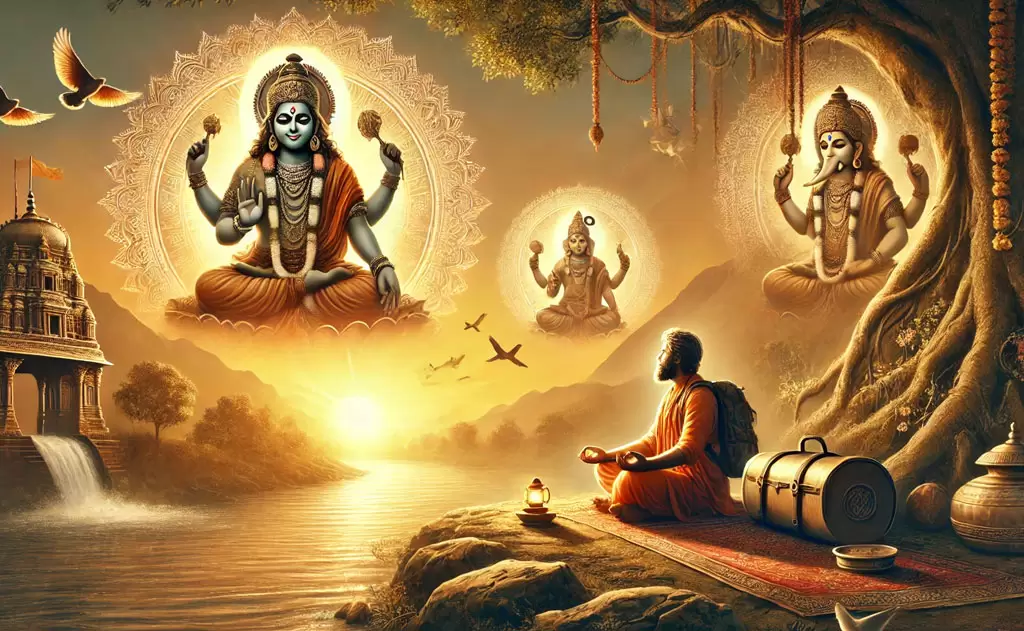
The Sri Durga Parameshvari Vahana Puja Vishesha Sankalpam in Telugu script, Devanagari and IAST, with a phrase-by-phrase English meaning and how to use it for a car, bike or new vehicle on Ayudha Puja, Vijayadashami or any auspicious day.
Quick answer: The Vahana Puja sankalpam (వాహన పూజ సంకల్పం) is the statement of intention a devotee recites before worshipping a car, bike, truck, tractor or other vehicle. This version is addressed to Sri Durga Parameshvari and prays for safe, obstacle-free journeys, the good running of the vehicle and the health of its driver and owner. The full Sanskrit text is below in Telugu script, Devanagari and IAST, with its meaning.
Last updated: 19 October 2026
This sankalpam is titled Sri Durga Parameshvari Vahana Puja Vishesha Sankalpah (the special sankalpa for the vehicle puja of Sri Durga Parameshvari). It is written in Sanskrit and was shared in Telugu script. In one long sentence it lists the purposes of the puja, from the removal of one's faults and the grace of the Goddess, through the safety of the family and the vehicle on the road, to the four aims of life, and ends with the resolve "vāhanapūjāṃ kariṣye", "I shall perform the vehicle puja". For the full worship steps, see our Ayudha Puja vehicle puja mantras and vidhi.
When families perform vahana puja
- Ayudha Puja and Vijayadashami: In India, Drik Panchang lists Ayudha Puja and Vijayadashami on Tuesday 20 October 2026; some South Indian families worship tools and vehicles on Maha Navami, Monday 19 October. Follow your family or temple tradition.
- A new vehicle: When a new car, bike or tractor comes home, many families perform a vahana puja at home or at a temple on an auspicious day and time chosen from the panchang, before the first long drive. Our guide to vahan puja for a new car in the USA covers this for families abroad.
- Before a long journey or pilgrimage: Some families repeat a short vehicle puja before a long road trip or yatra.
Tithi timings differ by city, so check a local panchang or ask your temple priest. For the Navami and Dashami dates, see our Dussehra and Vijayadashami 2026 guide.
What is a sankalpa?
A sankalpa (Telugu: సంకల్పం, sankalpam) is the formal resolve spoken at the start of a puja, vrata or other rite. The devotee states, in a set traditional order, the time and place of the worship, who is worshipping, which deity is being worshipped, the purpose of the worship and the rite that will now be performed.
A sankalpa usually has two parts. The first part, often called the deshakala, names the place and time: the land, the year of the sixty-year cycle, the ayana, the season, the month, the paksha, the tithi and the weekday. The second part states the purpose. The text given here is a purpose section written specially for a vehicle puja. It begins with "mamopātta samasta duritakṣayadvārā" (for the removal of all my accumulated faults) and ends with "vāhanapūjāṃ kariṣye".
When to recite it in the vahana puja
Families and regions differ in the details, so follow your family practice or your priest's guidance. A common traditional order is:
- Wash and clean the vehicle. Park it in a safe, level place with the engine off and the key out.
- Decorate it with a flower garland, mango leaves or a marigold string, and mark it with turmeric, kumkum and sandal paste.
- Light the lamp at the puja place and invoke Lord Ganesha for an obstacle-free puja.
- Perform achamana (sipping water three times with the divine names) and pranayama (controlled breathing).
- Take a little akshata (rice mixed with turmeric) and water in the right palm, covered with the left.
- Say the usual deshakala opening that names the place, year, season, month, paksha, tithi and weekday, as in your daily puja.
- Recite this Vahana Puja sankalpam, from "mamopātta" to "vāhanapūjāṃ kariṣye", and release the akshata and water into a plate.
- Worship the Goddess and the vehicle with sandal paste, flowers, akshata, fruits and betel (gandha, pushpa, akshata, phala, tambula), lamp, incense and naivedya, as the sankalpam itself lists, then perform aarti.
Many families also break a coconut or place lemons under the wheels and drive slowly forward over them after the puja. Do this only in a safe, open space. Never light camphor or a lamp near the fuel tank, fuel cap or engine, or inside the car; wave the aarti from a distance outside the vehicle.
Vahana Puja sankalpam in Telugu script
The text below is shown exactly as it was shared, without any change.
వాహన పూజ సంకల్పం
మమోపాత్త సమస్త దురితక్షయద్వారా, శ్రీజగదంబికా దుర్గాపరమేశ్వరీ ప్రీత్యర్థం, శ్రీదుర్గాదేవతా అనుగ్రహప్రాప్త్యర్థం, శ్రీమహాలక్ష్మీ కటాక్షసిద్ధ్యర్థం, సకలదేవతా ప్రీత్యర్థం, అస్మాకం సహకుటుంబానాం క్షేమస్థైర్యవీర్యవిజయాయురారోగ్య ఐశ్వర్యాభివృద్ధ్యర్థం, సర్వాపద్వినివారణార్థం, సర్వవిఘ్నోపశమనార్థం,
సకల దుష్టశక్తి నివారణార్థం, దృష్టిదోష దుర్నిమిత్త దుర్యోగాది సమస్త అనిష్ట నివృత్త్యర్థం, వాహన సంబంధిత సమస్త దోష పరిహారార్థం, వాహనయానకాలే సంభవిత ప్రమాద దుర్ఘటనాది సమస్త భయనివారణార్థం, మార్గవిఘ్నరహిత సుఖసురక్షిత ప్రయాణసిద్ధ్యర్థం, వాహనస్య నిరంతర నిరవద్య నిర్వహణసిద్ధ్యర్థం, వాహన చోదకస్య యజమానస్య చ శారీరక మానసిక ఆరోగ్యసిద్ధ్యర్థం, ధనధాన్య సమృద్ధ్యర్థం, సకల కార్యేషు విజయప్రాప్త్యర్థం, సర్వాభీష్టసిద్ధ్యర్థం, ధర్మార్థకామమోక్ష చతుర్విధ పురుషార్థఫలప్రాప్త్యర్థం, సర్వదా శ్రీదుర్గాపరమేశ్వరీ దివ్యకటాక్షానుగ్రహప్రాప్త్యర్థం, శ్రీదుర్గాదేవ్యాః సంప్రీత్యర్థం, అస్మదీయ వాహనస్య సుఖసురక్షిత ప్రయాణసాధనత్వసిద్ధ్యర్థం, యథాశక్తి సంపాదితైః గంధపుష్పాక్షతైః ఫలతాంబూలాదిభిః దీప ధూప నైవేద్య సహితాం శ్రీదుర్గాపరమేశ్వరీ ప్రీత్యర్థం వాహనపూజాం కరిష్యే।
॥ ఇతి శ్రీ దుర్గాపరమేశ్వరీ వాహన పూజా విశేష సంకల్పః ॥
The same sankalpam in Devanagari
For readers of Hindi, Marathi or Sanskrit, here is the same text in Devanagari, converted letter for letter from the Telugu script by a transliteration program. As in the Telugu, nasal sounds before consonants are written with the anusvara (for example संकल्पं, सहकुटुंबानां).
वाहन पूज संकल्पं
ममोपात्त समस्त दुरितक्षयद्वारा, श्रीजगदंबिका दुर्गापरमेश्वरी प्रीत्यर्थं, श्रीदुर्गादेवता अनुग्रहप्राप्त्यर्थं, श्रीमहालक्ष्मी कटाक्षसिद्ध्यर्थं, सकलदेवता प्रीत्यर्थं, अस्माकं सहकुटुंबानां क्षेमस्थैर्यवीर्यविजयायुरारोग्य ऐश्वर्याभिवृद्ध्यर्थं, सर्वापद्विनिवारणार्थं, सर्वविघ्नोपशमनार्थं,
सकल दुष्टशक्ति निवारणार्थं, दृष्टिदोष दुर्निमित्त दुर्योगादि समस्त अनिष्ट निवृत्त्यर्थं, वाहन संबंधित समस्त दोष परिहारार्थं, वाहनयानकाले संभवित प्रमाद दुर्घटनादि समस्त भयनिवारणार्थं, मार्गविघ्नरहित सुखसुरक्षित प्रयाणसिद्ध्यर्थं, वाहनस्य निरंतर निरवद्य निर्वहणसिद्ध्यर्थं, वाहन चोदकस्य यजमानस्य च शारीरक मानसिक आरोग्यसिद्ध्यर्थं, धनधान्य समृद्ध्यर्थं, सकल कार्येषु विजयप्राप्त्यर्थं, सर्वाभीष्टसिद्ध्यर्थं, धर्मार्थकाममोक्ष चतुर्विध पुरुषार्थफलप्राप्त्यर्थं, सर्वदा श्रीदुर्गापरमेश्वरी दिव्यकटाक्षानुग्रहप्राप्त्यर्थं, श्रीदुर्गादेव्याः संप्रीत्यर्थं, अस्मदीय वाहनस्य सुखसुरक्षित प्रयाणसाधनत्वसिद्ध्यर्थं, यथाशक्ति संपादितैः गंधपुष्पाक्षतैः फलतांबूलादिभिः दीप धूप नैवेद्य सहितां श्रीदुर्गापरमेश्वरी प्रीत्यर्थं वाहनपूजां करिष्ये।
॥ इति श्री दुर्गापरमेश्वरी वाहन पूजा विशेष संकल्पः ॥
The same sankalpam in IAST (Roman script)
This is the same text in IAST, the standard scholarly Roman transliteration, also converted letter for letter from the Telugu by program. The bar | stands for the danda । and the double bar || for the double danda ॥.
vāhana pūja saṃkalpaṃ
mamopātta samasta duritakṣayadvārā, śrījagadaṃbikā durgāparameśvarī prītyarthaṃ, śrīdurgādevatā anugrahaprāptyarthaṃ, śrīmahālakṣmī kaṭākṣasiddhyarthaṃ, sakaladevatā prītyarthaṃ, asmākaṃ sahakuṭuṃbānāṃ kṣemasthairyavīryavijayāyurārogya aiśvaryābhivṛddhyarthaṃ, sarvāpadvinivāraṇārthaṃ, sarvavighnopaśamanārthaṃ,
sakala duṣṭaśakti nivāraṇārthaṃ, dṛṣṭidoṣa durnimitta duryogādi samasta aniṣṭa nivṛttyarthaṃ, vāhana saṃbaṃdhita samasta doṣa parihārārthaṃ, vāhanayānakāle saṃbhavita pramāda durghaṭanādi samasta bhayanivāraṇārthaṃ, mārgavighnarahita sukhasurakṣita prayāṇasiddhyarthaṃ, vāhanasya niraṃtara niravadya nirvahaṇasiddhyarthaṃ, vāhana codakasya yajamānasya ca śārīraka mānasika ārogyasiddhyarthaṃ, dhanadhānya samṛddhyarthaṃ, sakala kāryeṣu vijayaprāptyarthaṃ, sarvābhīṣṭasiddhyarthaṃ, dharmārthakāmamokṣa caturvidha puruṣārthaphalaprāptyarthaṃ, sarvadā śrīdurgāparameśvarī divyakaṭākṣānugrahaprāptyarthaṃ, śrīdurgādevyāḥ saṃprītyarthaṃ, asmadīya vāhanasya sukhasurakṣita prayāṇasādhanatvasiddhyarthaṃ, yathāśakti saṃpāditaiḥ gaṃdhapuṣpākṣataiḥ phalatāṃbūlādibhiḥ dīpa dhūpa naivedya sahitāṃ śrīdurgāparameśvarī prītyarthaṃ vāhanapūjāṃ kariṣye|
|| iti śrī durgāparameśvarī vāhana pūjā viśeṣa saṃkalpaḥ ||
Meaning of the Vahana Puja sankalpam
The meaning below is HinduTone's own plain-English rendering. It follows the Sanskrit phrase by phrase; long compound words are opened out so that each purpose can be read on its own.
For the grace of the Goddess
For the removal of all the sins and faults I have accumulated, and through that:
- for the pleasure of Sri Jagadambika Durga Parameshvari, the Mother of the universe;
- for receiving the grace of Goddess Sri Durga;
- for gaining the gracious glance (kataksha) of Sri Mahalakshmi;
- and for the pleasure of all the deities;
For the family
- for the growth of well-being, steadiness, vigour, success, long life, health and prosperity for us and our families;
- for warding off all dangers and calming all obstacles;
- for warding off all evil forces;
- for the removal of everything unfavourable, such as the evil eye (drishti dosha), bad omens and inauspicious combinations (duryoga);
For the vehicle and the journey
- for the remedy of all faults connected with the vehicle;
- for the removal of all fear of mishaps, accidents and the like that may happen while travelling in the vehicle;
- for comfortable and safe journeys, free of obstacles on the road;
- for the continuous, trouble-free running of the vehicle;
- for the physical and mental health of the driver of the vehicle and of its owner (yajamana);
For prosperity and the aims of life
- for abundance of wealth and grain;
- for success in all undertakings and the fulfilment of all good wishes;
- for the fruit of the four aims of human life, the purusharthas: dharma (right conduct), artha (prosperity), kama (fulfilment of right desires) and moksha (liberation);
- for receiving, at all times, the divine glance and grace of Sri Durga Parameshvari, and for the full pleasure of Goddess Sri Durga;
- and that our vehicle may serve as a means of comfortable and safe travel,
with sandal paste, flowers and akshata, fruits, betel and other offerings gathered according to my means, together with lamp, incense and naivedya, I shall perform the vehicle puja for the pleasure of Sri Durga Parameshvari.
Closing line: "Thus ends the special sankalpa for the vehicle puja of Sri Durga Parameshvari."
Read as a whole, the sankalpam moves from the devotee's own purification, to the welfare of the family, to the vehicle, the road and the people who use it, and finally to the larger aims of life. Each benefit is asked for as a prayer; it is the devotee's request, not a promise.
Adapting it for your own vehicle
Keep the Sanskrit itself unchanged. After the sankalpam, say in Telugu, Hindi, English or any language which vehicles you are worshipping: "our family car, my scooter, the farm tractor" and so on. If there are several vehicles, recite the sankalpam once for all of them and then worship each in turn. Business owners often include delivery vans, taxis or trucks and the people who drive them. For the wider worship of tools, machines, books and laptops on the same day, see the Ayudha Puja sankalpam and the Ayudha Puja guide for tools, vehicles, books and laptops.
Frequently asked questions
When can I recite the Vahana Puja sankalpam?
Any time you perform a vehicle puja. Many families do it on Ayudha Puja and Vijayadashami; in India, Drik Panchang lists both on Tuesday 20 October 2026, while some South Indian families keep Ayudha Puja on Maha Navami, Monday 19 October. It is also used when a new vehicle is brought home, on an auspicious day chosen from the panchang.
Which deity is worshipped in this sankalpam?
Sri Durga Parameshvari. The text asks for her grace and pleasure throughout, together with the gracious glance of Sri Mahalakshmi and the pleasure of all the deities, and closes as the special vahana puja sankalpa of Sri Durga Parameshvari.
Do I have to say the date and place before this text?
Traditionally, yes. The text begins with "mamopātta", which normally follows the opening of a sankalpa that names the place, year, season, month, fortnight, tithi and weekday. Say that opening as you do in your daily puja, then continue with this text.
Can I recite it if I do not read Telugu?
Yes. The same Sanskrit text is given below in Devanagari and in IAST (Roman letters with diacritics), both converted letter for letter from the Telugu script.
Does the sankalpam protect the vehicle from accidents?
No. A sankalpa is a statement of intention and a prayer. It asks for safe, obstacle-free journeys and freedom from fear of accidents, but safety on the road still depends on careful driving, a well-maintained vehicle, seat belts and helmets, and obeying traffic rules.
Who shared this sankalpam?
The sankalpam text was shared with HinduTone by Vasu Muktinutalapati. HinduTone shows the Telugu text unaltered and adds the converted scripts, the English meaning and the notes on use.
Editor's note (19 October 2026)
Sankalpam text shared by Vasu Muktinutalapati. The Telugu-script text was supplied to HinduTone and is shown here unaltered. The Devanagari and IAST versions were converted from it by script (the indic_transliteration library, Telugu to Devanagari and Telugu to IAST) and spot-checked; they have not been retyped. The English meaning, the explanation of the sankalpa and the notes on use are HinduTone's own. Dates follow HinduTone's Ayudha Puja and Dussehra pages (Drik Panchang for India).
Related guides
- Ayudha Puja vehicle puja: mantras and vidhi for cars and bikes
- Vahan Puja for a new car in the USA
- Ayudha Puja sankalpam 2026: Telugu, Sanskrit text and meaning
- Ayudha Puja 2026: date, vidhi for tools, vehicles, books and laptops
- Ayudha Puja, Vahana Puja and Shami Puja on Vijayadashami
- Durgashtami, Maha Navami and Vijayadashami puja sankalpam
- Dussehra and Vijayadashami 2026 guide
You might also like
Durgashtami, Maha Navami and Vijayadashami Puja Sankalpam: Full Text in Telugu and Devanagari
Tirumala Brahmotsavam 2026: Complete 9-Day Vahana Seva Schedule, Garuda Vahanam Darshan & NRI Booking Guide
108 Names of Maa Durga (Durga Ashtottara Shatanamavali) with Meaning for Navratri 2026