
Ayudha Puja Sankalpam 2026: Sanskrit Text in Telugu & Devanagari with Meaning
The Sri Ayudha Puja Vishesha Sankalpam in Telugu script, Devanagari and IAST, with a paragraph-by-paragraph English meaning, where it fits in the puja, and how to use it for tools, vehicles, books and laptops on Tuesday 20 October 2026.
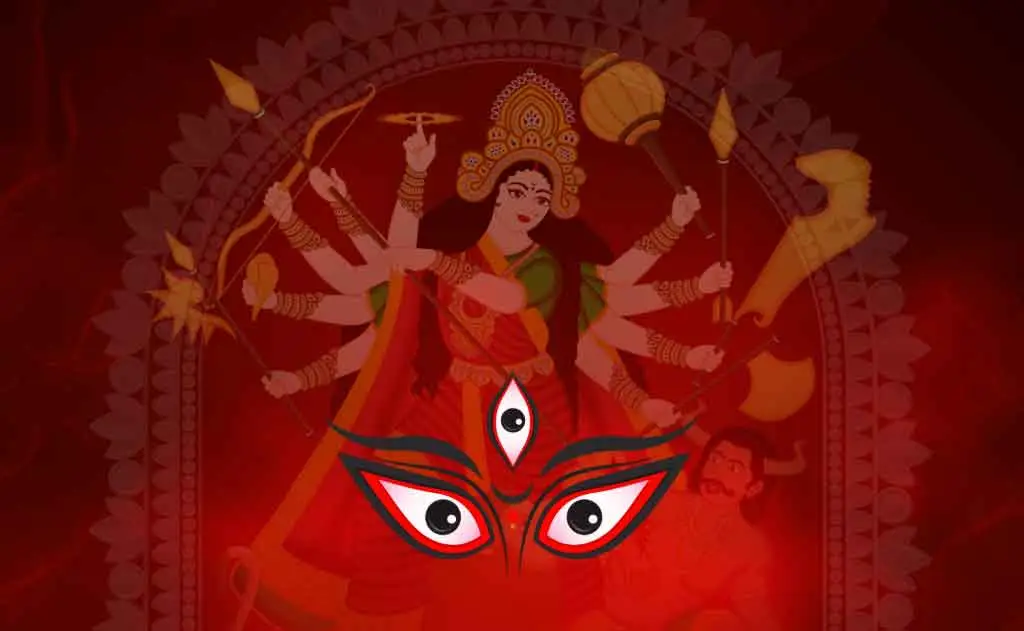
The Sri Ayudha Puja Vishesha Sankalpam in Telugu script, Devanagari and IAST, with a paragraph-by-paragraph English meaning, where it fits in the puja, and how to use it for tools, vehicles, books and laptops on Tuesday 20 October 2026.
Quick answer: The Ayudha Puja sankalpam (ఆయుధ పూజ సంకల్పం) is the statement of intention a devotee recites before worshipping tools, machines, vehicles and books. In India, Drik Panchang lists Ayudha Puja 2026 on Tuesday 20 October, the same day as Vijayadashami; some South Indian families keep it on Maha Navami, Monday 19 October. The full Sanskrit text is below in Telugu script, Devanagari and IAST, with its meaning.
Last updated: 19 October 2026
This sankalpam is titled Sri Ayudha Puja Vishesha Sankalpah (the special sankalpa for Ayudha Puja). It is written in Sanskrit and was shared in Telugu script. In three short paragraphs it states why the puja is being done: to please the Supreme Lord, Mahavishnu, Mahalakshmi and Durga Parameshvari; for the tools, machines and vehicles of the home and workplace to be auspicious and work without obstacles; and for their right use in the service of others and the welfare of the world. For the wider vidhi, see our Ayudha Puja 2026 guide for tools, vehicles, books and laptops.
Ayudha Puja 2026 date in India and abroad
Drik Panchang lists Ayudha Puja 2026 on Tuesday 20 October in India, because Navami prevails at sunrise that day, the same day as Vijayadashami (Dussehra). Durga Ashtami and Maha Navami share Monday 19 October in India this year, and some South Indian families perform Ayudha Puja on Maha Navami. Both customs are long established, so follow your family or temple tradition.
- India: Ayudha Puja on Tuesday 20 October 2026 per Drik Panchang (some families: Monday 19 October, Maha Navami).
- Vijayadashami / Dussehra: Tuesday 20 October 2026, when tools and books are taken up again and Vidyarambham is performed.
- USA, Canada and the UK: Drik lists Maha Navami on Monday 19 October; families abroad can keep a simple home Ayudha Puja on Monday 19 October or on Tuesday 20 October, the date Drik gives for India.
Tithi timings differ by city, so check a local panchang or your temple's schedule. For the Navami date and tithi in the USA, see Maha Navami 2026 in the USA.
What is a sankalpa?
A sankalpa (Telugu: సంకల్పం, sankalpam) is the formal resolve spoken at the start of a puja, vrata or other rite. The devotee states, in a set traditional order, the time and place of the worship, who is worshipping, which deity is being worshipped, the purpose of the worship and the rite that will now be performed. It turns the puja from a routine into a conscious offering made with a clear intention.
A sankalpa usually has two parts. The first part, often called the deshakala, names the place and time: the land, the year of the sixty-year cycle, the ayana, the season, the month, the paksha, the tithi and the weekday. The second part states the purpose. The text given here is a purpose section written specially for Ayudha Puja. It begins with "mamopātta samasta durita kṣaya dvārā" (for the removal of all my accumulated faults) and ends each paragraph with "āyudhapūjāṃ kariṣye", "I shall perform the Ayudha Puja".
When to recite it in the Ayudha Puja sequence
Families and regions differ in the details, so follow your family practice or your priest's guidance. A common traditional order is:
- Bathe, clean the puja area, and clean and arrange the tools, books, instruments and vehicles to be worshipped. Apply turmeric, kumkum and sandalwood and place flowers.
- Light the lamp and invoke Lord Ganesha for an obstacle-free puja.
- Perform achamana (sipping water three times with the divine names) and pranayama (controlled breathing).
- Take a little akshata (rice mixed with turmeric) and water in the right palm, covered with the left.
- Say the usual deshakala opening that names the place, year, season, month, paksha, tithi and weekday, as in your daily puja.
- Recite this Ayudha Puja sankalpam, from "mamopātta" to the last "āyudhapūjāṃ kariṣye".
- Release the akshata and water into a plate, then begin the puja itself: dhyana, offerings, naivedya and aarti.
The order of the full puja, with offerings and mantras, is in our Ayudha Puja and Shastra Puja vidhi and our vehicle puja mantras and vidhi.
Ayudha Puja sankalpam in Telugu script
The text below is shown exactly as it was shared, without any change.
శ్రీ ఆయుధపూజా విశేష సంకల్పః
మమోపాత్తసమస్తదురితక్షయద్వారా శ్రీపరమేశ్వరప్రీత్యర్థం, శ్రీమహావిష్ణుప్రీత్యర్థం, శ్రీమహాలక్ష్మీప్రసాదసిద్ధ్యర్థం, శ్రీదుర్గాపరమేశ్వర్యనుగ్రహప్రాప్త్యర్థం, సకలదేవతాప్రీత్యర్థం చ ఆయుధపూజాం కరిష్యే॥
అస్మాకం గృహే, కార్యాలయే, వ్యవసాయక్షేత్రే, వాణిజ్యస్థానే చ వర్తమానానాం సమస్తాయుధానాం, శస్త్రాణాం, యంత్రాణాం, వాహనానాం, కృష్యాదికర్మోపకరణానాం చ శుభప్రదత్వసిద్ధ్యర్థం, నిర్విఘ్నకార్యసిద్ధ్యర్థం, సర్వతోముఖాభివృద్ధ్యర్థం, ఆయురారోగ్యైశ్వర్యాభివృద్ధ్యర్థం, ధనధాన్యసమృద్ధ్యర్థం, శత్రుబాధానివృత్త్యర్థం, సర్వాపద్వినాశనార్థం, సర్వకార్యేషు విజయప్రాప్త్యర్థం, సకలశుభఫలావాప్త్యర్థం, ఆయుధాధిష్ఠాత్రీదేవతాప్రీత్యర్థం చ ఆయుధపూజాం కరిష్యే॥
శ్రీమహాదుర్గాపరమేశ్వర్యా అనుగ్రహేణ సమస్తశస్త్రాస్త్రయంత్రవాహనాదీనాం క్షేమస్థైర్యవీర్యవిజయాభివృద్ధ్యర్థం, తేషాం సముచితసద్వినియోగసిద్ధ్యర్థం, సర్వజనహితకరసేవాసామర్థ్యప్రాప్త్యర్థం, లోకక్షేమసిద్ధ్యర్థం, ధర్మార్థకామమోక్షచతుర్విధపురుషార్థసిద్ధ్యర్థం, శ్రీపరమేశ్వరప్రీత్యర్థం చ ఆయుధపూజాం కరిష్యే॥
The same sankalpam in Devanagari
For readers of Hindi, Marathi or Sanskrit, here is the same text in Devanagari, converted letter for letter from the Telugu script by a transliteration program. As in the Telugu, nasal sounds before consonants are written with the anusvara (for example संकल्पः, यंत्राणां).
श्री आयुधपूजा विशेष संकल्पः
ममोपात्तसमस्तदुरितक्षयद्वारा श्रीपरमेश्वरप्रीत्यर्थं, श्रीमहाविष्णुप्रीत्यर्थं, श्रीमहालक्ष्मीप्रसादसिद्ध्यर्थं, श्रीदुर्गापरमेश्वर्यनुग्रहप्राप्त्यर्थं, सकलदेवताप्रीत्यर्थं च आयुधपूजां करिष्ये॥
अस्माकं गृहे, कार्यालये, व्यवसायक्षेत्रे, वाणिज्यस्थाने च वर्तमानानां समस्तायुधानां, शस्त्राणां, यंत्राणां, वाहनानां, कृष्यादिकर्मोपकरणानां च शुभप्रदत्वसिद्ध्यर्थं, निर्विघ्नकार्यसिद्ध्यर्थं, सर्वतोमुखाभिवृद्ध्यर्थं, आयुरारोग्यैश्वर्याभिवृद्ध्यर्थं, धनधान्यसमृद्ध्यर्थं, शत्रुबाधानिवृत्त्यर्थं, सर्वापद्विनाशनार्थं, सर्वकार्येषु विजयप्राप्त्यर्थं, सकलशुभफलावाप्त्यर्थं, आयुधाधिष्ठात्रीदेवताप्रीत्यर्थं च आयुधपूजां करिष्ये॥
श्रीमहादुर्गापरमेश्वर्या अनुग्रहेण समस्तशस्त्रास्त्रयंत्रवाहनादीनां क्षेमस्थैर्यवीर्यविजयाभिवृद्ध्यर्थं, तेषां समुचितसद्विनियोगसिद्ध्यर्थं, सर्वजनहितकरसेवासामर्थ्यप्राप्त्यर्थं, लोकक्षेमसिद्ध्यर्थं, धर्मार्थकाममोक्षचतुर्विधपुरुषार्थसिद्ध्यर्थं, श्रीपरमेश्वरप्रीत्यर्थं च आयुधपूजां करिष्ये॥
The same sankalpam in IAST (Roman script)
This is the same text in IAST, the standard scholarly Roman transliteration, also converted letter for letter from the Telugu by program. The double bar || stands for the double danda ॥ that closes each paragraph.
śrī āyudhapūjā viśeṣa saṃkalpaḥ
mamopāttasamastaduritakṣayadvārā śrīparameśvaraprītyarthaṃ, śrīmahāviṣṇuprītyarthaṃ, śrīmahālakṣmīprasādasiddhyarthaṃ, śrīdurgāparameśvaryanugrahaprāptyarthaṃ, sakaladevatāprītyarthaṃ ca āyudhapūjāṃ kariṣye||
asmākaṃ gṛhe, kāryālaye, vyavasāyakṣetre, vāṇijyasthāne ca vartamānānāṃ samastāyudhānāṃ, śastrāṇāṃ, yaṃtrāṇāṃ, vāhanānāṃ, kṛṣyādikarmopakaraṇānāṃ ca śubhapradatvasiddhyarthaṃ, nirvighnakāryasiddhyarthaṃ, sarvatomukhābhivṛddhyarthaṃ, āyurārogyaiśvaryābhivṛddhyarthaṃ, dhanadhānyasamṛddhyarthaṃ, śatrubādhānivṛttyarthaṃ, sarvāpadvināśanārthaṃ, sarvakāryeṣu vijayaprāptyarthaṃ, sakalaśubhaphalāvāptyarthaṃ, āyudhādhiṣṭhātrīdevatāprītyarthaṃ ca āyudhapūjāṃ kariṣye||
śrīmahādurgāparameśvaryā anugraheṇa samastaśastrāstrayaṃtravāhanādīnāṃ kṣemasthairyavīryavijayābhivṛddhyarthaṃ, teṣāṃ samucitasadviniyogasiddhyarthaṃ, sarvajanahitakarasevāsāmarthyaprāptyarthaṃ, lokakṣemasiddhyarthaṃ, dharmārthakāmamokṣacaturvidhapuruṣārthasiddhyarthaṃ, śrīparameśvaraprītyarthaṃ ca āyudhapūjāṃ kariṣye||
Meaning of the Ayudha Puja sankalpam
The meaning below is HinduTone's own plain-English rendering, paragraph by paragraph. It follows the Sanskrit closely; long compound words are opened out so that each purpose can be read on its own.
Title
Śrī āyudhapūjā viśeṣa saṃkalpaḥ: the special sankalpa for Sri Ayudha Puja.
Paragraph 1: for whom the puja is done
For the removal of all the sins and faults I have accumulated, and through that for the pleasure of Sri Parameshvara, the Supreme Lord; for the pleasure of Sri Mahavishnu; for receiving the grace of Sri Mahalakshmi; for obtaining the blessing of Sri Durga Parameshvari; and for the pleasure of all the deities, I shall perform the Ayudha Puja.
Paragraph 2: for the tools, the work and the household
For all the tools and weapons (ayudha), instruments (shastra), machines (yantra), vehicles (vahana), and the implements of agriculture and other work, which are present in our home, our office, our place of work and our place of business: that they may bring auspiciousness;
- that our work may be accomplished without obstacles;
- for progress in every direction;
- for growth in long life, health and prosperity;
- for abundance of wealth and grain;
- for relief from troubles caused by enemies (shatru-badha nivritti);
- for the removal of all calamities;
- for success in all undertakings;
- for receiving every auspicious result;
- and for the pleasure of the deity who presides over the tools and weapons (ayudha adhishthatri devata),
I shall perform the Ayudha Puja.
Paragraph 3: for right use and the good of the world
By the grace of Sri Maha Durga Parameshvari:
- for the safety, steadiness, strength and success of all hand-held instruments and weapons (shastra), missiles (astra), machines, vehicles and the like;
- for their proper and good use;
- for gaining the ability to serve for the good of all people;
- for the welfare of the world (lokakshema);
- for the attainment of the four aims of human life, the purusharthas: dharma (right conduct), artha (prosperity), kama (fulfilment of right desires) and moksha (liberation);
- and for the pleasure of Sri Parameshvara,
I shall perform the Ayudha Puja.
Read as a whole, the sankalpam moves from the devotee's own purification, to the safety and success of the household and workplace, and finally to the right use of every instrument for the good of others and of the world. Each benefit is asked for as a prayer to the Divine; it is the devotee's request, not a promise.
How to adapt the sankalpam for your own puja
The Sanskrit text already covers every kind of tool in broad categories: ayudha, shastra, yantra, vahana and work implements, at home, at work and in business. Many families recite it exactly as written and then, in their own language, name the items placed before the Goddess. Keep the Sanskrit itself unchanged; add your own words before or after it.
Naming your own tools
After the sankalpam, say simply, in Telugu, Hindi, English or any language, what you have placed for the puja: for example, "my car and scooter, my sewing machine, my kitchen knives and grinder, my shop's weighing scale and account books." Farmers may name the plough, tractor and pump; artisans and craftspeople their own tools; musicians their instruments; drivers their vehicles. Business owners often add the office computers, cash box and company vehicles. For honouring tools and machines in a business setting, see our Vishwakarma Puja guide.
For students: books and instruments
Students usually place textbooks, notebooks, pens, geometry boxes and musical instruments before Goddess Saraswati and Durga, recite the sankalpam, and say in their own words that they offer their studies for wisdom and right use of knowledge. Books are traditionally left in the puja overnight and taken up again with a short prayer on Vijayadashami, when Vidyarambham is also performed; see Saraswati Puja and Vidyarambham on Vijayadashami.
For laptops, phones and office equipment
Many readers include laptops, tablets and phones among the yantras (machines) the sankalpam names. Switch the devices off and unplug them before the puja. Do not sprinkle water or apply wet kumkum or sandalwood paste directly on electronics: place a flower, a small turmeric-kumkum mark on a slip of paper, or a few grains of akshata beside the device instead. Keep lamps and camphor well away from screens, batteries and cables. A short line after the sankalpam such as "I place my laptop and work desk here and pray for honest, useful work" is enough.
For vehicles
For cars, bikes, trucks and tractors, recite the sankalpam once for all vehicles together, then worship each one. Never light camphor near the fuel tank or engine. The full vahana puja steps are in our Ayudha Puja vehicle puja guide; for Shami puja and the Vijayadashami rites, see Ayudha Puja, Vahana Puja and Shami Puja on Vijayadashami.
Frequently asked questions
When should I recite the Ayudha Puja sankalpam in 2026?
Recite it at the start of your Ayudha Puja, after achamana and pranayama and before the main worship. Drik Panchang lists Ayudha Puja 2026 in India on Tuesday 20 October, alongside Vijayadashami; some South Indian families keep it on Maha Navami, Monday 19 October. Follow your family or temple tradition.
Do I have to say the date and place before this text?
Traditionally, yes. The text begins with "mamopātta", which normally follows the opening of a sankalpa that names the place, year, season, month, fortnight, tithi and weekday. Say that opening as you do in your daily puja, then continue with this text.
Can I recite it if I do not read Telugu?
Yes. The same Sanskrit text is given in Devanagari and in IAST (Roman letters with diacritics), both converted letter for letter from the Telugu script, so readers of Hindi, Marathi, Sanskrit or English can recite it.
Can students and office workers use this sankalpam?
Yes. The text speaks of tools, machines, vehicles and work implements kept at home, at the office, at the place of work and at the place of business. Students and office workers often place books, pens, instruments and laptops for the puja and name them in their own words after the Sanskrit.
Does the sankalpam guarantee success or protection?
No. A sankalpa is a statement of intention and a prayer. It asks for freedom from obstacles, safety, prosperity and success, but the outcome rests with the Divine and with one's own careful effort, not with the words alone.
Who shared this sankalpam?
The sankalpam text was shared with HinduTone by Vasu Muktinutalapati. HinduTone shows the Telugu text unaltered and adds the converted scripts, the English meaning and the notes on use.
Editor's note (19 October 2026)
Sankalpam text shared by Vasu Muktinutalapati. The Telugu-script text was supplied to HinduTone and is shown here unaltered. The Devanagari and IAST versions were converted from it by script (the indic_transliteration library, Telugu to Devanagari and Telugu to IAST) and spot-checked; they have not been retyped. The English meaning, the explanation of the sankalpa and the notes on adapting it are HinduTone's own. Dates follow HinduTone's Ayudha Puja and Navratri pages (Drik Panchang for India).
Related guides
- Ayudha Puja 2026: date, vidhi for tools, vehicles, books and laptops
- Ayudha Puja 2026 and Shastra Puja vidhi
- Ayudha Puja vehicle puja: mantras and vidhi for cars and bikes
- Ayudha Puja, Vahana Puja and Shami Puja on Vijayadashami
- Durgashtami, Maha Navami and Vijayadashami puja sankalpam
- Vijayadashami 2026 mantras: Aparajita and Shami Puja
- Dussehra and Vijayadashami 2026 guide
You might also like
Ayudha Puja 2026 Date and Shastra Puja Vidhi: Tools, Vehicles, Books and Laptops
Ayudha Puja Mantras and Vehicle Puja Vidhi: How to Worship Cars, Bikes and Other Vehicles
Ayudha Puja 2026: Date (Tuesday 20 October), Vidhi for Tools, Vehicles, Books and Laptops