
Yoga and Meditation
Yoga and meditation are among the Hindu tradition's best-known gifts to the world, yet their roots go far deeper than physical postures. In the Bhagavad Gita, yoga describes paths of action, devotion and knowledge, and Patanjali's Yoga Sutras set out an eight-limbed discipline that moves from ethical conduct and posture to breath control, concentration and meditation.
For many Hindu families, meditation is woven into ordinary devotion: japa with a mala, a few minutes of stillness after the morning puja, chanting Om or the Gayatri Mantra, or waking at Brahma Muhurta for prayer. Practitioners often describe a greater sense of calm and focus, though experiences vary, and anyone with health concerns is encouraged to learn from qualified teachers.
HinduTone articles here explain the spiritual and philosophical roots of yoga, introduce meditation and japa practices, discuss pranayama and daily routines, and look at how families abroad keep these practices alive. Related pages include the Yoga Sutras of Patanjali, Japa and Mantra Chanting, Ayurveda and Brahma Muhurta.
Latest Articles
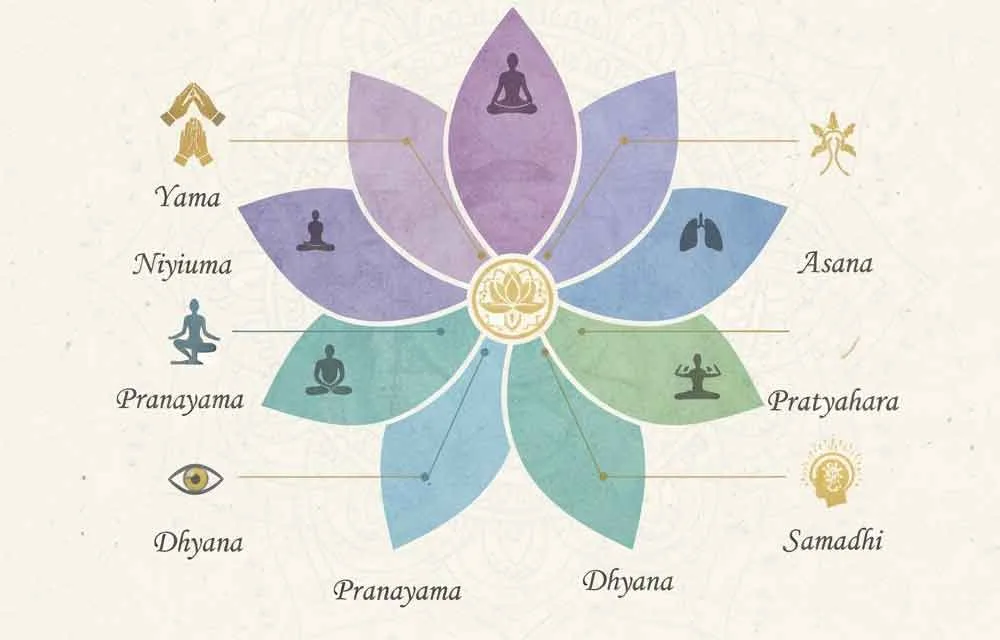
Pratyahara in Yoga: Meaning and Practice of the Fifth Limb
Meditation and Prayer Compared: Dhyana, Vipassana, Samayika, Contemplative Prayer and Dhikr
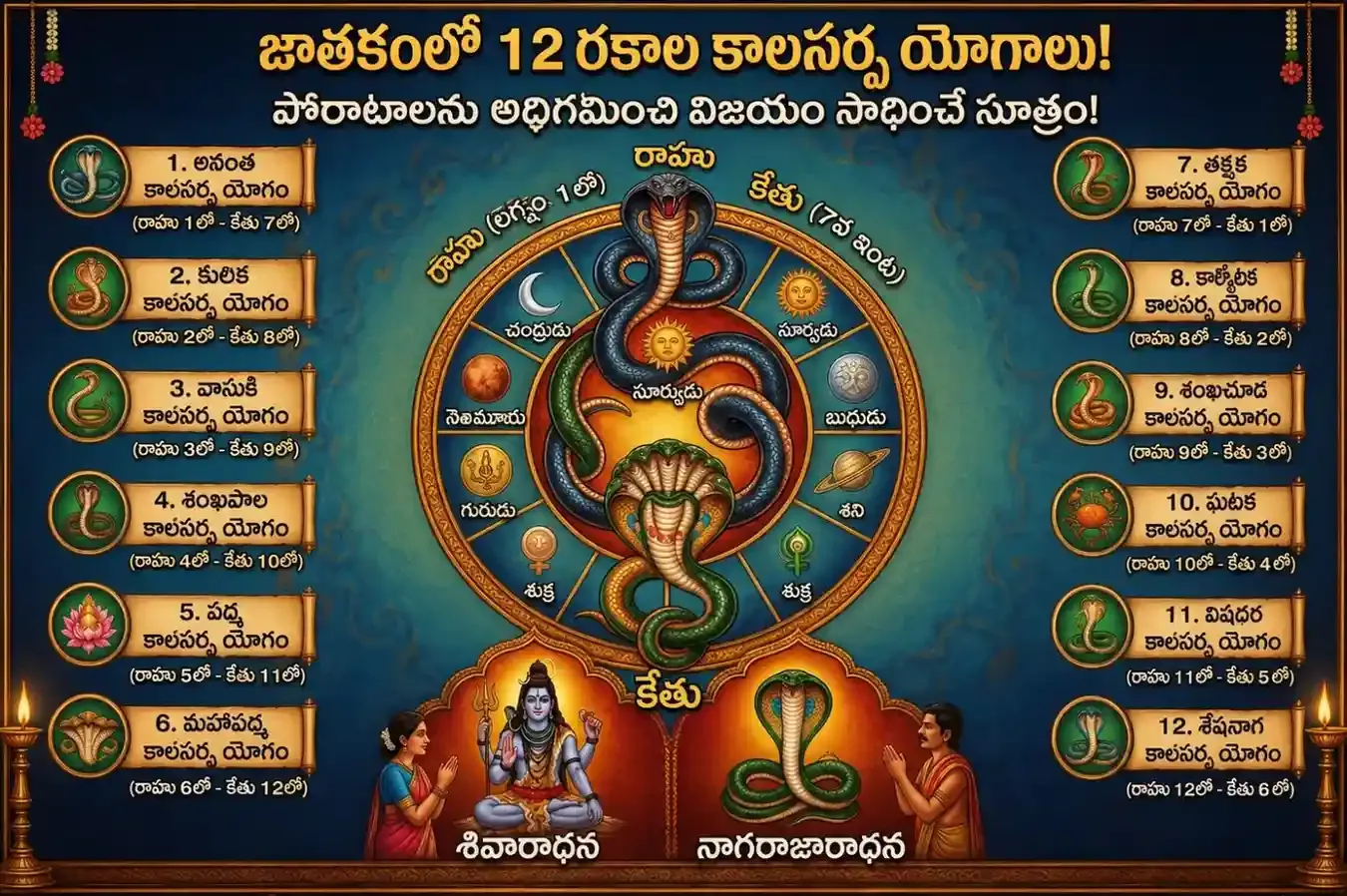
12 Types of Kaal Sarp Yoga – Effects, Remedies & Worship Guide
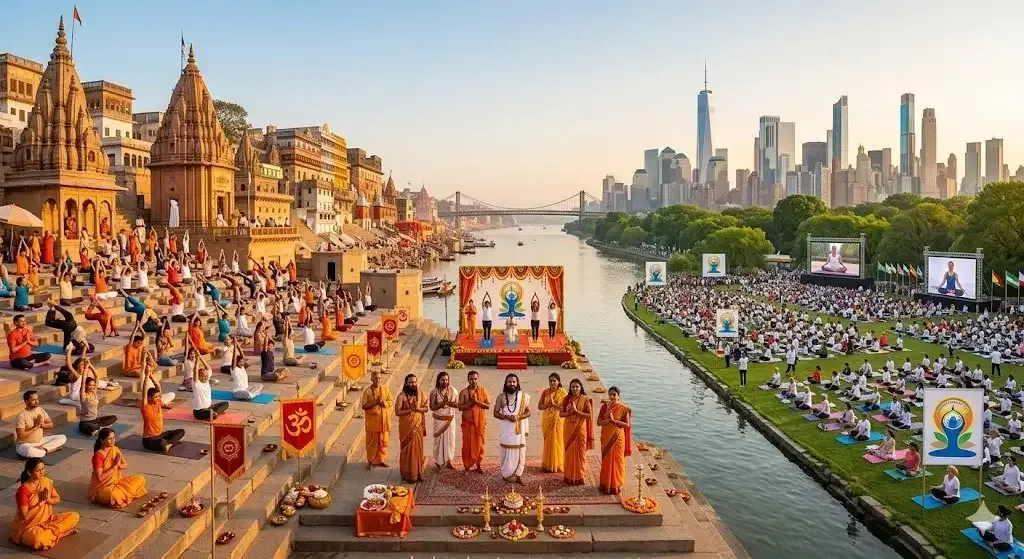
International Day of Yoga 2026: Hindu Significance & Global Events
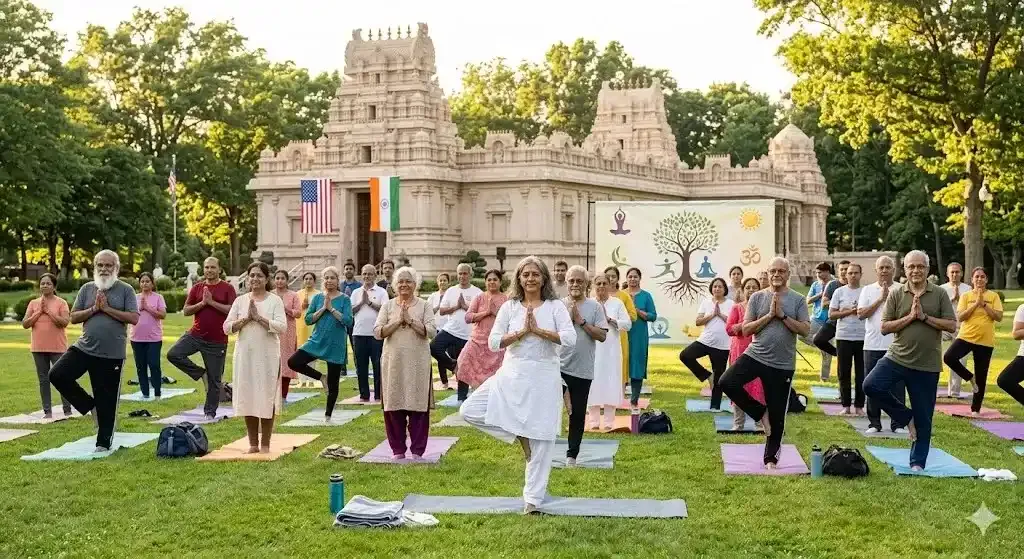
International Day of Yoga 2026 (June 21): US Hindu Temples & NRIs Celebrate “Yoga for Healthy Ageing”
International Yoga Day 2026: Date, Meaning & Diaspora Guide
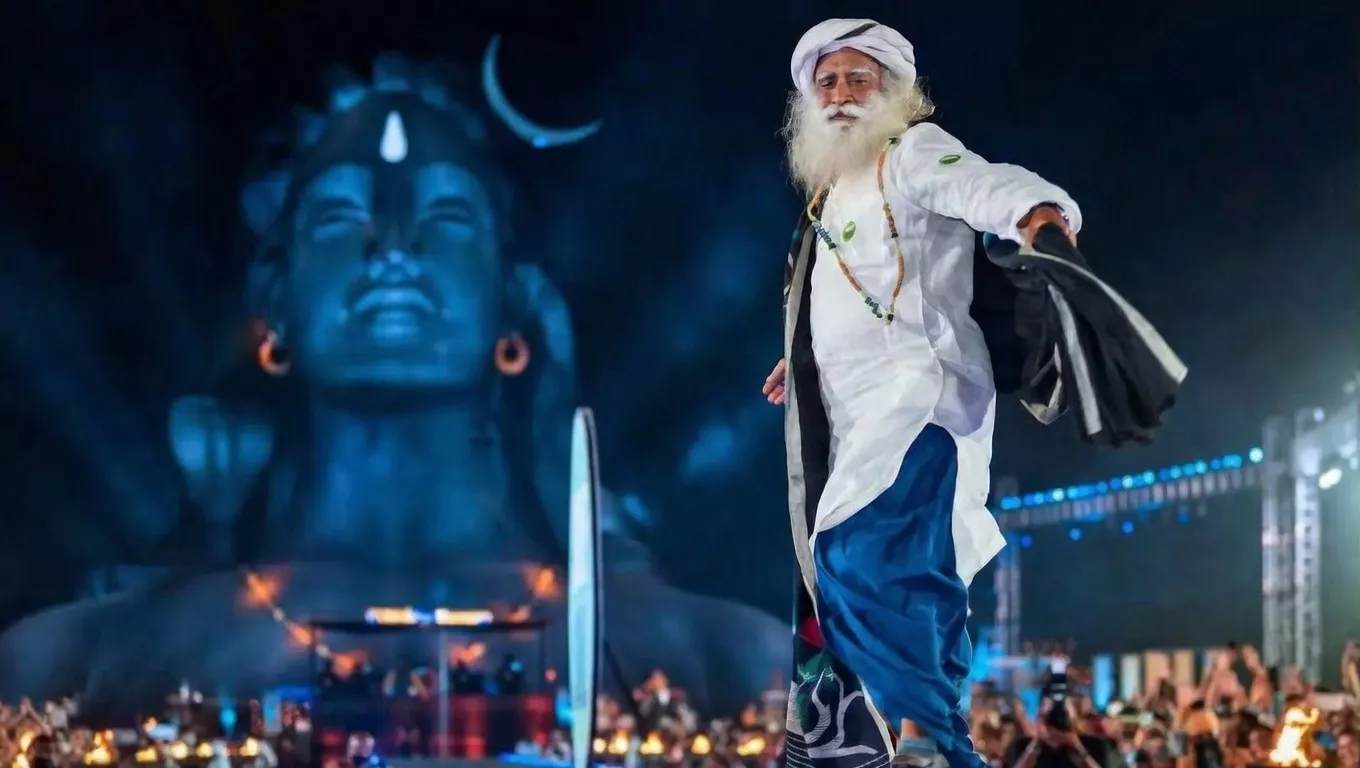
The 33rd Mahashivratri at Isha Yoga Center
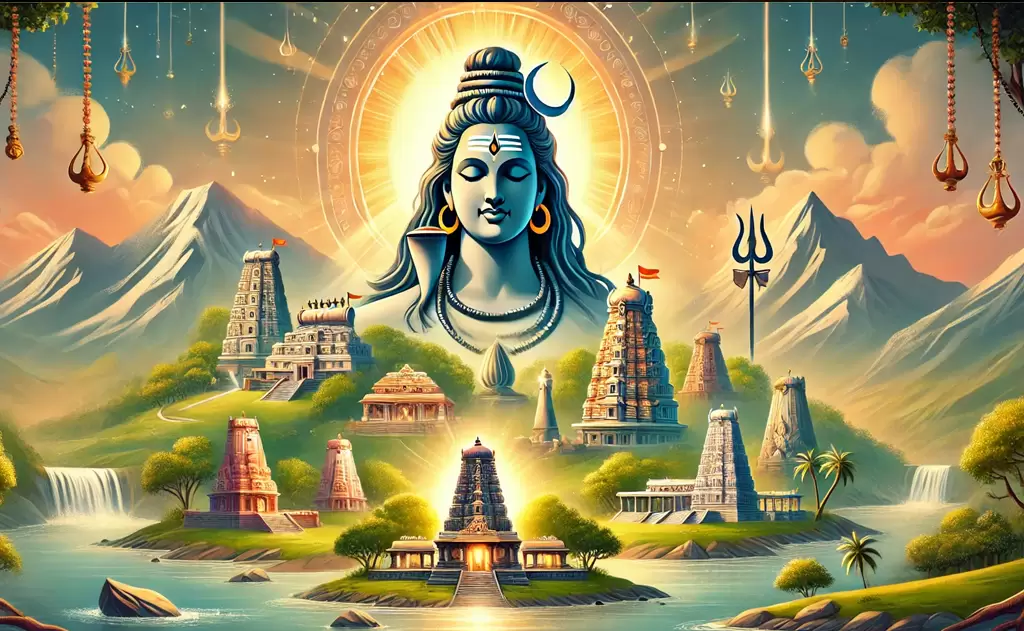
Best Shiva Mantras for Night Meditation: A Complete Guide for Spiritual Practice

Shivaratri Night Meditation Guide: The Complete All-Night Vigil Practice
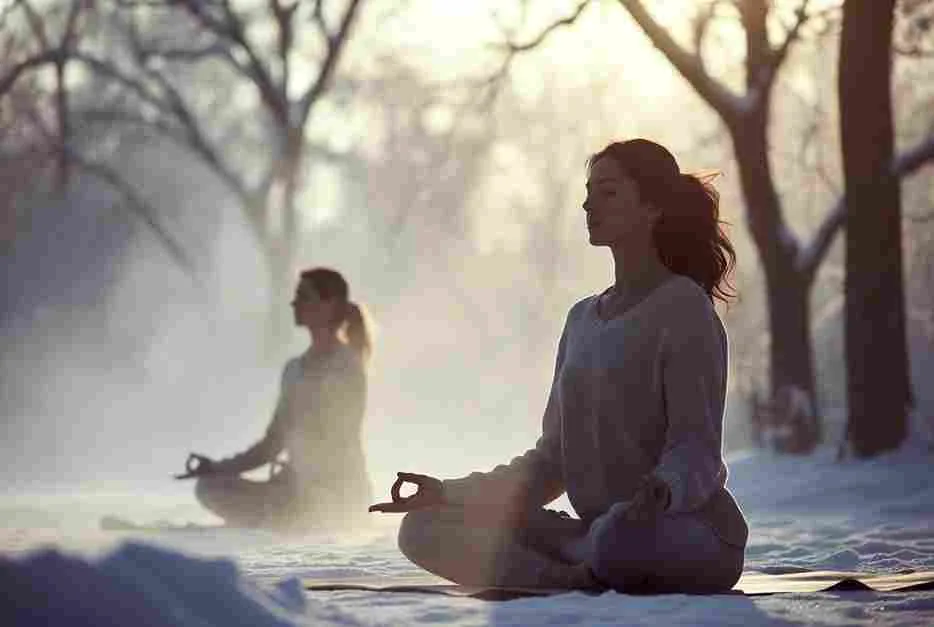
Yoga and Meditation for the Winter Mornings of Margasira: Awakening Devotion in Brahma Muhurta

Is "Yoga Class" in the West Cultural Appropriation? A Hindu Perspective
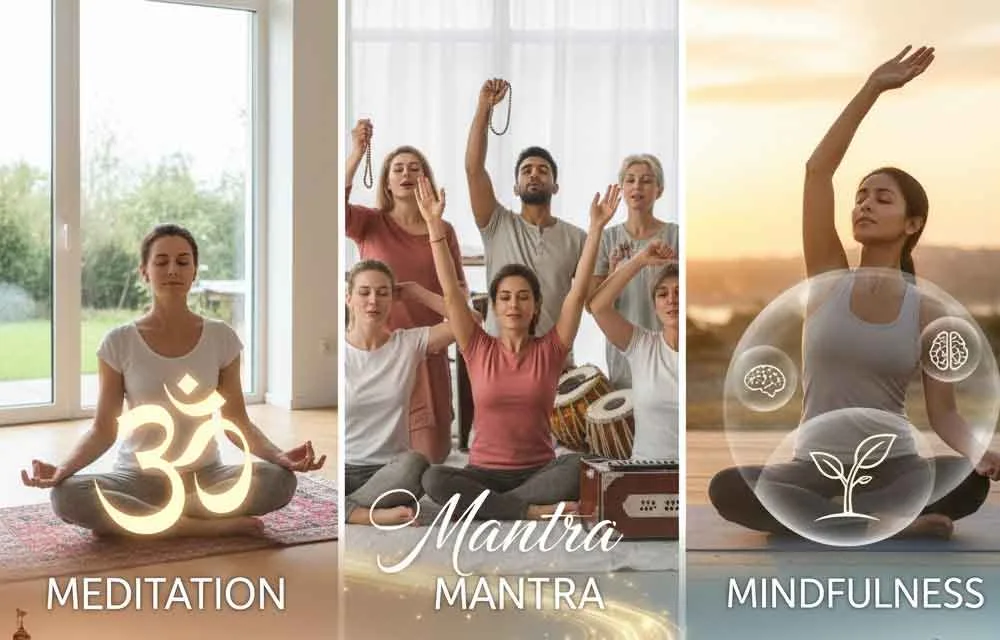
Meditation, Mantras, and Mindfulness: Hindu Practices Transforming the West

Karthika Masam Meditation and Spiritual Practices for NRIs
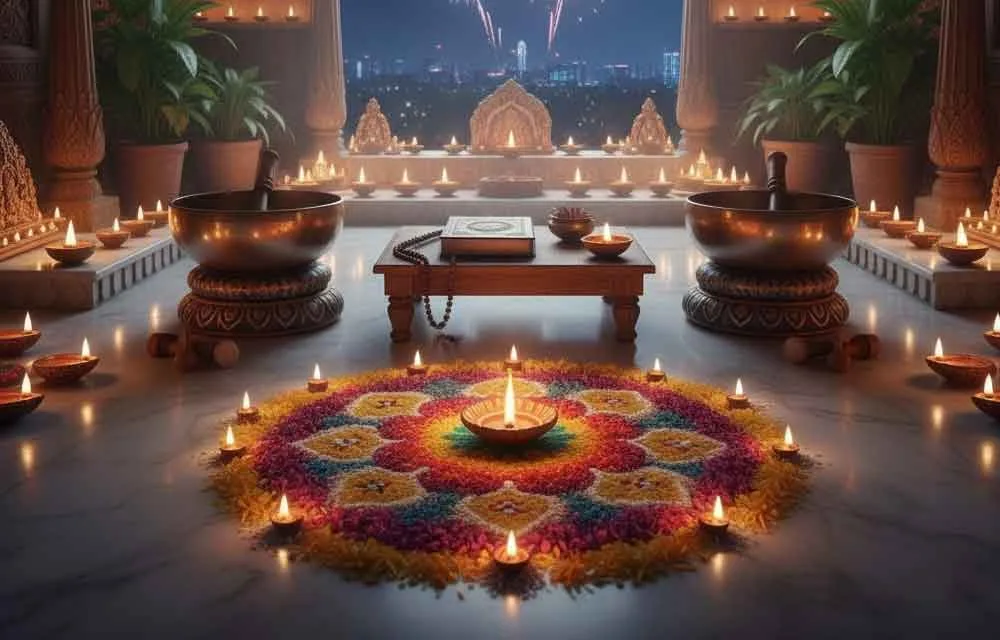
Meditation and Chanting on Dhanteras for Inner Peace and Prosperity
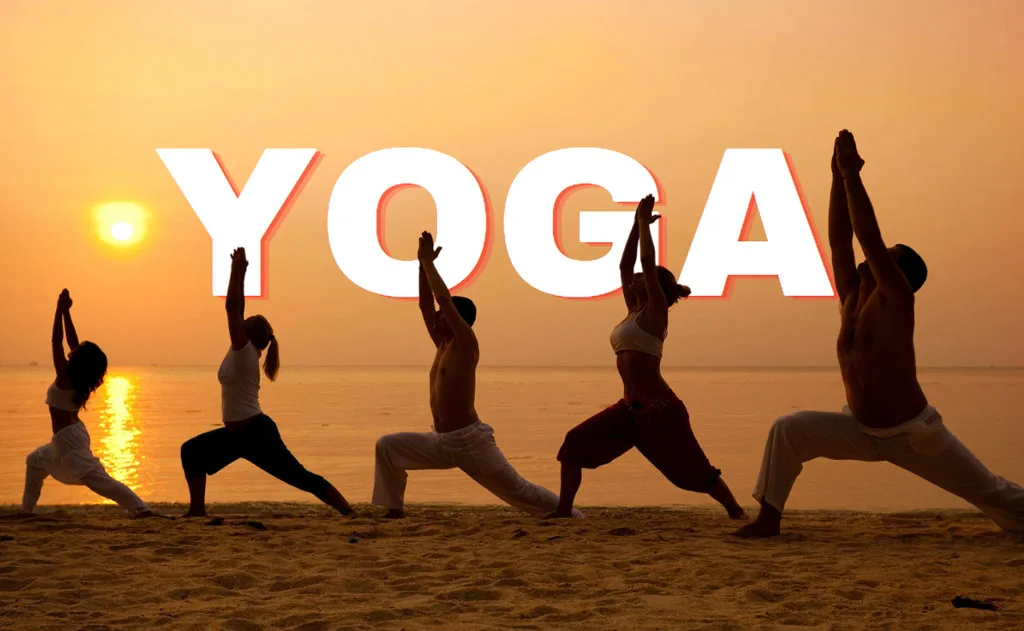
Yoga Beyond the Mat: A Deeper Dive into the Hindu Philosophy and Lifestyle of Yoga
Yoga and Coding: Applying Patanjali’s Yoga Sutras to Software Development

Yoga Boom in 2025: How Hindu Practices Are Shaping Global Wellness Trends

Kriya Yoga: The Sacred Path to Enlightenment of Mahavatar Babaji

The Role of Meditation in Sanatana Dharma: Quieting the Mind for Spiritual Insight

The Eight Limbs of Yoga (Ashtanga Yoga): A Holistic Approach to Spiritual Growth


FAQs
What is the traditional meaning of yoga?
In Hindu tradition, yoga means union or discipline, and covers far more than physical postures. Patanjali's Yoga Sutras describe an eightfold path, including ethical restraints, observances, posture, breath control, withdrawal of the senses, concentration, meditation and absorption.
How can a beginner start meditating?
Many teachers suggest sitting comfortably with a straight back for a few minutes daily, focusing gently on the breath, a mantra such as Om, or a deity's form, and returning attention whenever the mind wanders. Consistency matters more than duration, and guidance from an experienced teacher helps.
Is yoga a substitute for medical treatment?
No. Many people find yoga and meditation helpful for steadiness and routine, but they are not a replacement for medical care. Anyone with a health condition, injury or pregnancy should consult a doctor and learn postures and breathing practices from a qualified instructor.