Aluva Manappuram Mahadeva Temple
Shiva (linga on the Periyar sandbank) temple · Aluva, Ernakulam, Kerala, India
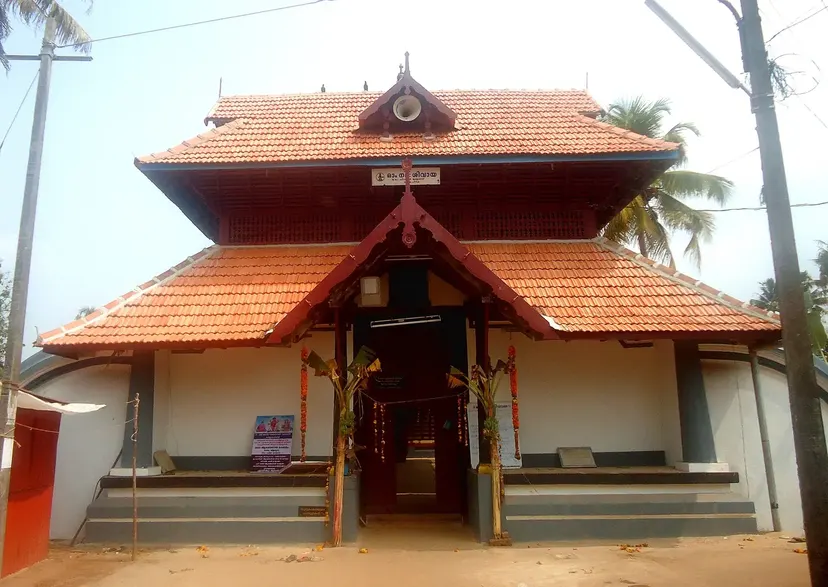
The Aluva Mahadeva Temple stands on Aluva Manappuram, a broad sandbank of the Periyar River at Aluva in Ernakulam district, Kerala, on the edge of Kochi. Shiva is worshipped here as a linga which, as Wikipedia describes, is not housed in a conventional sreekovil (sanctum) but rises from the sands of the riverbed.
The temple is best known for Aluva Sivaratri. On Maha Shivaratri night thousands of devotees keep vigil on the sandbank, and from the next morning they perform bali tarpanam, rites for ancestors, along the river. The Travancore Devaswom Board organises the rites at the temple.
Faith & Tradition
Religious Significance of Aluva Manappuram Mahadeva Temple
Incredible India, the Ministry of Tourism's site, records several legends about the shrine. One says that Parasurama consecrated the linga and built a temple, but floods repeatedly destroyed it, until Shiva declared that no permanent structure should stand over the linga. Another tells that Shiva's attendants tried to build a temple in a single night, but Vishnu, disguised as a rooster, crowed early, and the work was abandoned, leaving the linga open to the sky. Wikipedia similarly records the folk belief that Parasurama installed the idol and counts the temple among the 108 Shiva temples of Kerala.
Aluva is especially associated with rites for ancestors. According to Incredible India, Rama is believed to have performed bali tarpanam here for the bird Jatayu while searching for Sita, and the saint Vilwamangalam is believed to have rediscovered the linga in a vision. Families come to the riverbank on Sivaratri, and in large numbers again on Karkidaka Vavu, the new-moon day in the Malayalam month of Karkidakam, to make offerings for their forebears.
Heritage
History of Aluva Manappuram Mahadeva Temple
The shrine's early history is not documented in the sources consulted; its origins are known through legend. Kerala Tourism's festival listing from the early 2000s already described Aluva Sivarathri at the Shiva temple on the Periyar as a night of reading the puranas and holy texts, with a rural trade fair, cultural programmes and Vavubali rites at dawn the next day.
Because the temple sits on the riverbed, it is exposed to the Periyar's floods. During the Kerala floods of August 2018, The News Minute reported that the temple was almost completely submerged after dam shutters upstream were opened, and devotees performed the Karkidaka Vavu rites on the roads leading to it instead. In recent years the Travancore Devaswom Board has set up more than a hundred bali platforms along the bank for Sivaratri; All India Radio reported 116 in 2025, and Onmanorama reported 110 in 2026.
Architecture and sacred features
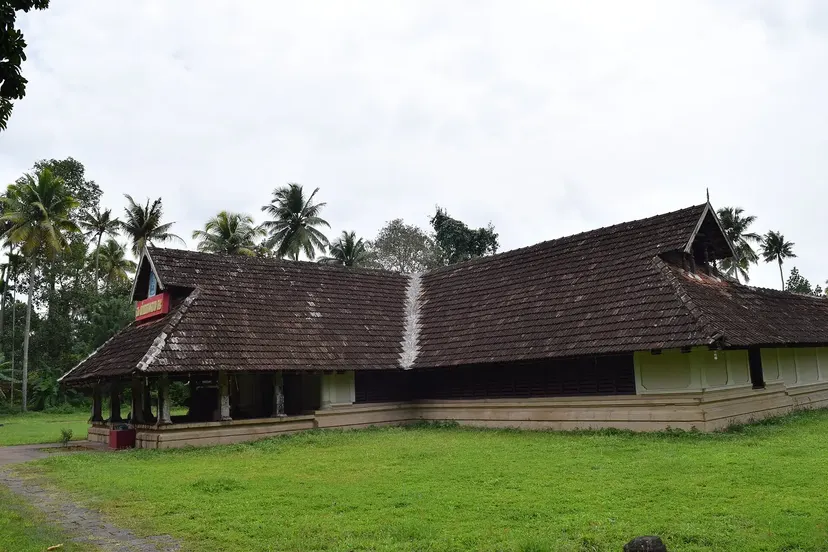
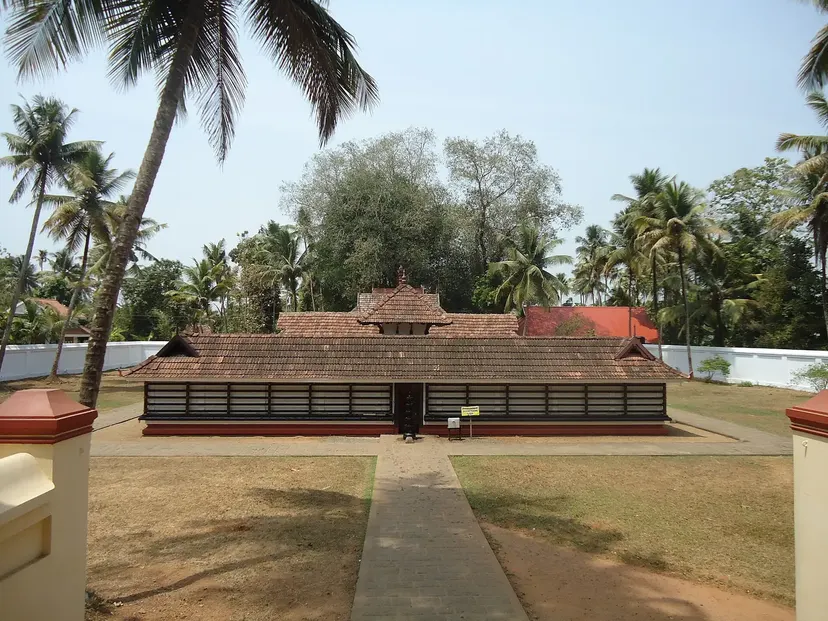
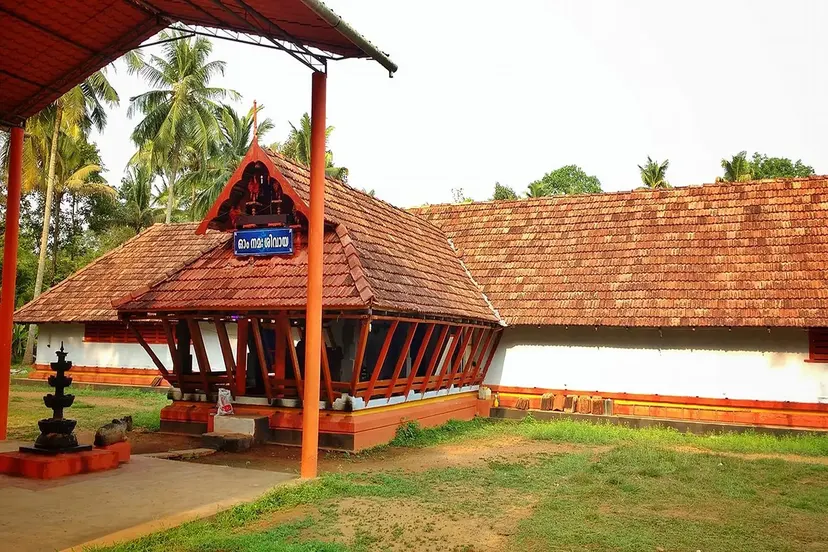
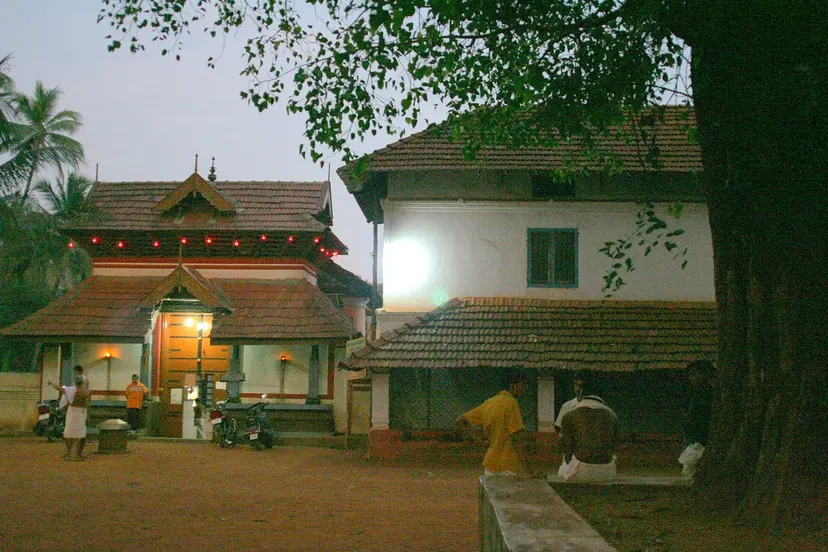
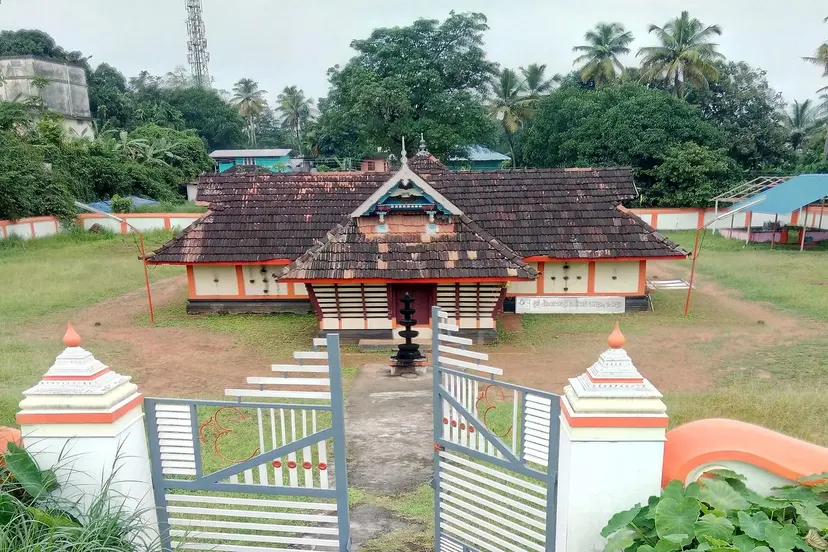
The sources consulted give little architectural detail. The News Minute describes the temple as standing on the low-lying plains of the river, with its tiled roofs the only part visible above the floodwater in 2018. Its chief feature is that the linga is not enclosed in a permanent sanctum, which local tradition explains through the flood and rooster legends.
Plan Your Visit
Darshan and Visitor Information
Sivaratri brings very large crowds, traffic restrictions in Aluva town and heavy police deployment; the Travancore Devaswom Board charges a fee for bali tarpanam, which changes from year to year. The sandbank floods in the monsoon, so access can be cut off. Confirm current timings, ritual arrangements and access with the Travancore Devaswom Board or local authorities before you travel.
Timings and arrangements change with seasons and festivals. Confirm current details with Travancore Devaswom Board before travelling. Last reviewed 1 November 2026.
Sacred Calendar
Festivals at Aluva Manappuram Mahadeva Temple
Maha Shivaratri (Aluva Sivaratri)
An all-night vigil on the sandbank followed from the next morning by bali tarpanam for ancestors along the Periyar; Incredible India also describes processions, cultural programmes and fairs on the Manappuram.
Karkidaka Vavu
Large crowds gather on the Periyar banks at Aluva each year to make offerings for departed ancestors.
Location
How to Reach Aluva Manappuram Mahadeva Temple
Kerala Tourism places Aluva about 16 km from Ernakulam. Incredible India lists Cochin International Airport as the nearest airport and Aluva railway station as a nearby rail point. During Sivaratri, KSRTC runs special bus services to Manappuram and Kochi Metro has run extended night services, according to Onmanorama.
Location: Aluva, Ernakulam, Kerala, India
Nearest airport: Cochin International Airport
Nearest railway station: Aluva
More in Hindu temples in Kerala · Shiva (linga on the Periyar sandbank) temples · Temples in Aluva Taluk · Temples in Ernakulam District
Questions
Aluva Manappuram Mahadeva Temple: Frequently Asked Questions
Why does the Aluva Mahadeva Temple have no permanent sanctum?
According to legend, floods destroyed every temple built over the linga until Shiva declared that no permanent structure should stand above it. Another story says his attendants' attempt to build one overnight was foiled when Vishnu, as a rooster, crowed early.
What is Aluva Sivaratri?
It is the Maha Shivaratri festival at Aluva Manappuram, with an all-night vigil and bali tarpanam for ancestors on the Periyar banks the next morning.
What is bali tarpanam?
It is a ritual offering made in honour of departed ancestors. At Aluva it is performed on platforms along the riverbank under the guidance of priests.
Who manages the Aluva Mahadeva Temple?
The Travancore Devaswom Board, which organises the bali tarpanam arrangements during Sivaratri.
Does the temple flood?
Yes. The shrine stands on the riverbed, and in August 2018 it was almost completely submerged by the Periyar.
How far is Aluva from Ernakulam?
About 16 km, according to Kerala Tourism. Cochin International Airport is the nearest airport, and Aluva has a railway station.
Sources and attribution
- Incredible India, Ministry of Tourism, Government of India — Aluva Shivaratri
- Kerala Tourism, Government of Kerala (Wayback Machine copy, December 2009) — Aluva Sivarathri
- Onmanorama — Sivaratri: Bali tharpanam in Aluva manappuram; traffic regulations in Kochi, special buses (14 February 2026)
- All India Radio News (News on AIR) — Thousands gather on Periyar banks in Kerala for Bali Tharpan on Shivaratri (27 February 2025)
- The News Minute — Kerala rains: As temple remains submerged in Aluva, devotees offer 'Bali' on roads (11 August 2018)
- Wikipedia — Aluva Mahadeva Temple
Further reading: Aluva Manappuram Mahadeva Temple on Wikipedia (CC BY-SA 4.0).
Spotted an error? Write to info@hindutone.com — see our editorial policy.