Parsurameswara Temple
Shiva (as Parasurameswara) temple · Bhubaneswar, Khordha, Odisha, India
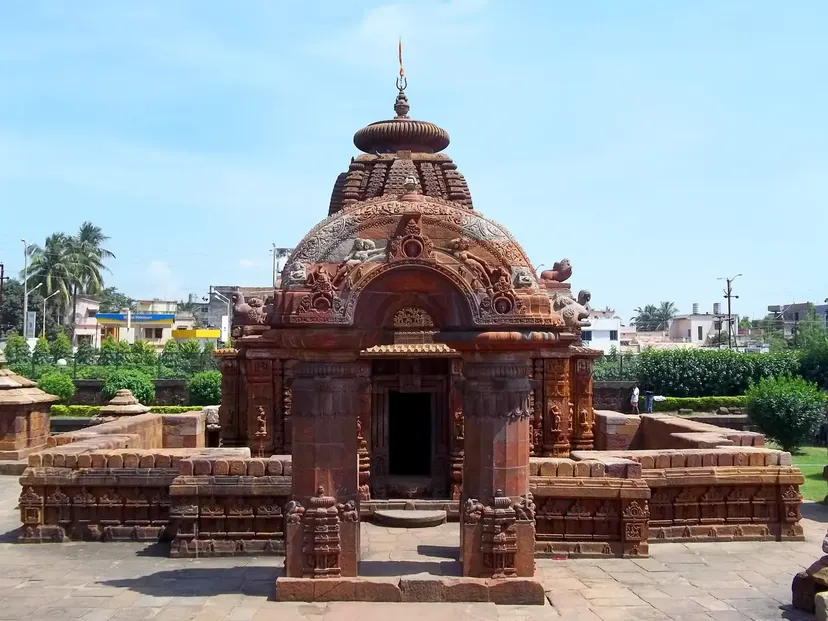
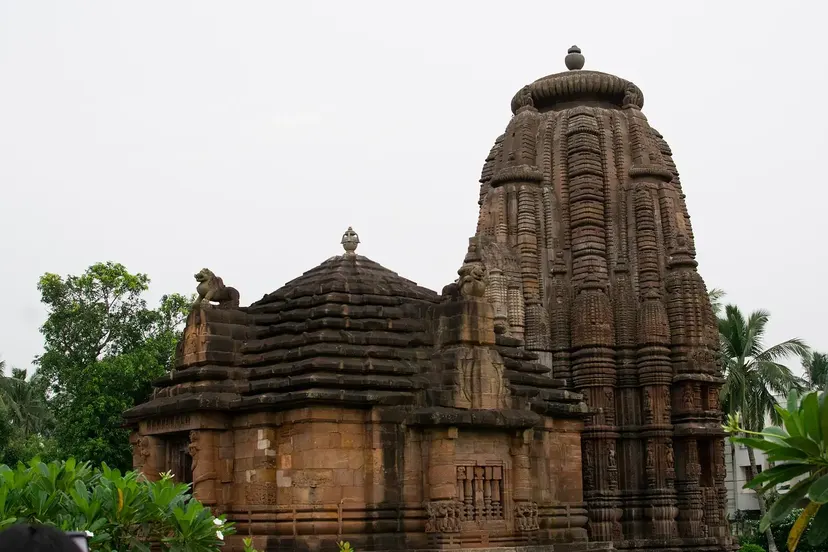
The Parsurameswara (Parasurameswara) Temple in the old town of Bhubaneswar, Odisha, is a small Shiva temple generally regarded as one of the oldest standing temples in the state. Most scholars date it to the 7th century CE, in the time of the Shailodbhava dynasty, though some have placed it in the 8th century.
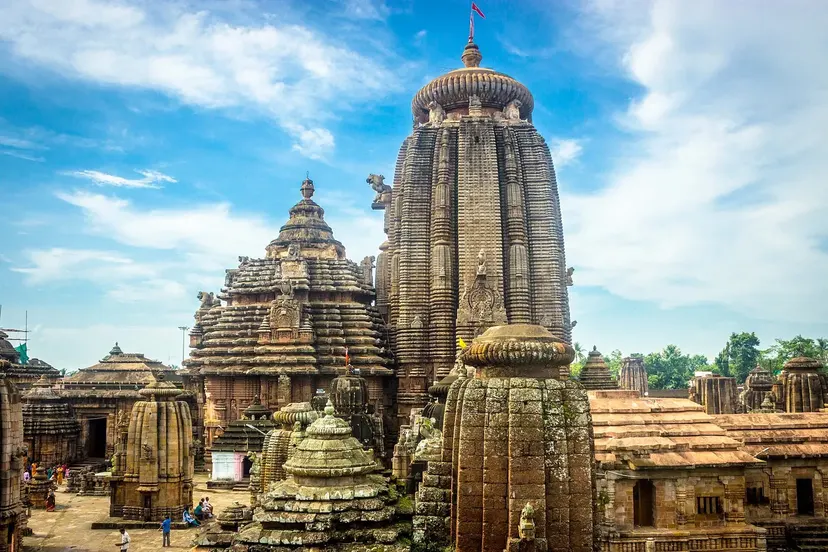
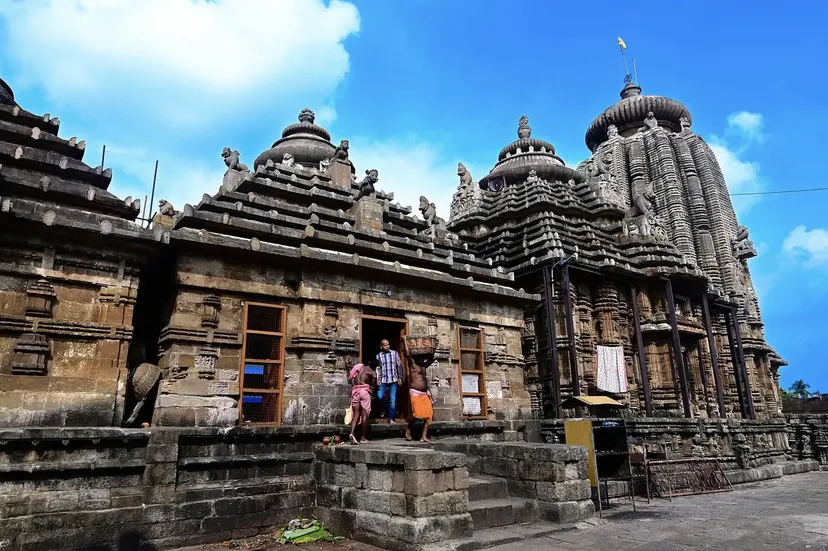
Though modest in size, it is important in the history of Indian architecture as an early, well-preserved example of the Kalinga style of temple building that later produced the Mukteswara, Lingaraja and Konark temples. It stands a few steps from the Mukteswara Temple and is looked after by the Archaeological Survey of India (ASI).
Faith & Tradition
Religious Significance of Parsurameswara Temple
Wikipedia records that Parsurameswara is the first known temple in Bhubaneswar to add a separate hall for worshippers (the jagamohana) in front of the sanctum, a feature that became standard in later Odisha temples. World History Encyclopedia notes that this rectangular hall is unusual in having entrances on both the front and the side.
Although the temple is dedicated to Shiva, its walls carry many images associated with the Goddess. According to Wikipedia, it is the first temple in Bhubaneswar with a panel of the Saptamatrikas, the seven mother goddesses, and it has an early six-armed image of Durga as Mahishamardini, the slayer of the buffalo demon.
Wikipedia records Parashurashtami as the main festival celebrated at the temple, in June–July each year.
Heritage
History of Parsurameswara Temple
Over the door to the sanctum is a slab with labelled figures of the planets. In Archaeological Remains at Bhubaneswar (1961), the historian K. C. Panigrahi notes that it shows only eight planets, without Ketu, as in other early Bhubaneswar temples, whereas later temples show nine. The script of these labels has been used to date the temple. R. D. Banerji argued that it could not be earlier than the 8th century, but Panigrahi re-examined the inscriptions and concluded that their letters belong to the first half of the 7th century, which he took as the date of the temple. Wikipedia notes that a mid-7th-century date, around 650 CE, is now accepted by most scholars.
The temple is credited to the Shailodbhava rulers, who, according to Wikipedia, worshipped Shiva as their family deity. World History Encyclopedia, following Panigrahi, notes that the small Satrughneswara shrines nearby may be slightly older. Wikipedia records that the temple was repaired in 1903, with some changes to the roof over the sanctum, while most of the original structure was kept.
Architecture and sacred features
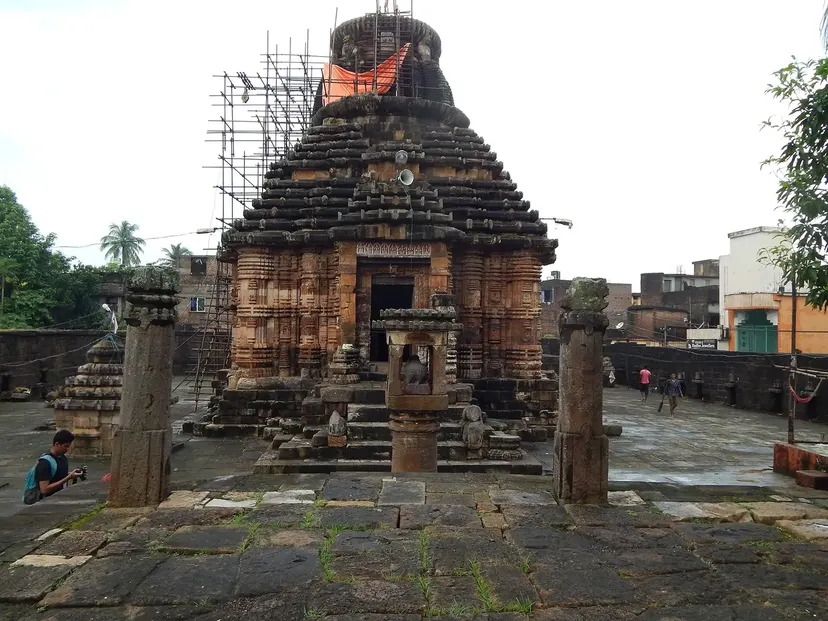
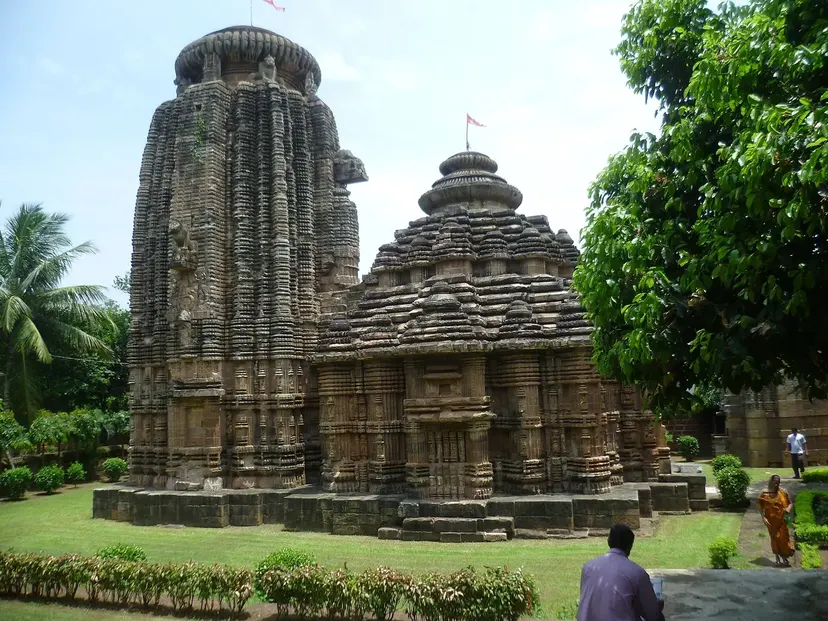
The sanctum (vimana) is square, with a curved tower (rekha type) about 12 m high, crowned by a ribbed stone disc (amalaka). The rectangular jagamohana in front has a two-tiered sloping roof and latticed stone windows, some with panels of dancers and musicians. Wikipedia notes that the join between the two buildings is rough, which some scholars once took as a sign that the hall was added later.
The exterior is richly carved while the interiors are left plain. Besides the Saptamatrikas and Mahishamardini, the carvings include Ganesha, Kartikeya on his peacock, an eight-armed dancing Ardhanarishvara, Shiva as Nataraja, Ravana trying to lift Mount Kailasa, river goddesses, and scrolls of foliage, birds and animals.
Plan Your Visit
Darshan and Visitor Information
Parsurameswara is a small, protected monument, and is often visited together with the Mukteswara group next to it. Do not climb on or touch the carvings, and follow the instructions of ASI staff. Confirm current visiting arrangements and any entry requirements with the Archaeological Survey of India (Bhubaneswar Circle) or Odisha Tourism before you go.
Timings and arrangements change with seasons and festivals. Confirm current details with Archaeological Survey of India before travelling. Last reviewed 1 November 2026.
Sacred Calendar
Festivals at Parsurameswara Temple
Parashurashtami
Recorded by Wikipedia as the main festival celebrated at the temple each year.
Location
How to Reach Parsurameswara Temple
The temple is in the old town of Bhubaneswar, on Tankapani Road. Odisha Tourism lists the Mukteswara Temple about 0.1 km away, the Rajarani Temple about 0.9 km, the Ananta Vasudeva Temple about 1.4 km and the Lingaraja Temple about 1.5 km. Bhubaneswar has a railway station and Biju Patnaik International Airport, and the temple is easily reached by road within the city.
Location: Bhubaneswar, Khordha, Odisha, India
Nearest airport: Biju Patnaik International Airport, Bhubaneswar
Nearest railway station: Bhubaneswar
More in Hindu temples in Odisha · Shiva (as Parasurameswara) temples · Temples in Bhubaneswar (M.Corp.) P.S. Tahasil · Temples in Khordha District
Questions
Parsurameswara Temple: Frequently Asked Questions
How old is the Parsurameswara Temple?
Most scholars date it to the 7th century CE, around 650 CE, based on the script of the planet labels over the sanctum door. Some earlier scholars placed it in the 8th century.
Who built the Parsurameswara Temple?
It is credited to the Shailodbhava dynasty, rulers of the region in the 7th century, who worshipped Shiva as their family deity.
Why is the Parsurameswara Temple important?
It is one of the oldest surviving temples in Odisha and the first in Bhubaneswar known to have a jagamohana (hall for worshippers), a feature of all later Kalinga temples.
What are the notable sculptures at Parsurameswara Temple?
They include the earliest Saptamatrika panel in Bhubaneswar, a six-armed Durga as Mahishamardini, Kartikeya on his peacock, a dancing Ardhanarishvara and Ravana lifting Mount Kailasa.
Where is the Parsurameswara Temple?
It is in the old town of Bhubaneswar on Tankapani Road, about 0.1 km from the Mukteswara Temple and about 1.5 km from the Lingaraja Temple.
Which festival is celebrated at Parsurameswara Temple?
Parashurashtami, held around June–July, is recorded as the temple's main festival.
Sources and attribution
- K. C. Panigrahi, Archaeological Remains at Bhubaneswar (Orient Longmans, 1961; Kitab Mahal reprint 1981), pp. 25–28 — Archaeological Remains at Bhubaneswar (Internet Archive scan)
- Odisha Tourism, Government of Odisha — Parasurameswar Temple
- World History Encyclopedia (Mark Cartwright, 2015) — Bhubaneswar
- Wikipedia — Parsurameswara Temple
Further reading: Parsurameswara Temple on Wikipedia (CC BY-SA 4.0).
Spotted an error? Write to info@hindutone.com — see our editorial policy.