Moovar Koil, Kodumbalur
Shiva (enshrined as Mahesvara in three shrines) temple · Kodumbalur, Pudukkottai, Tamil Nadu, India
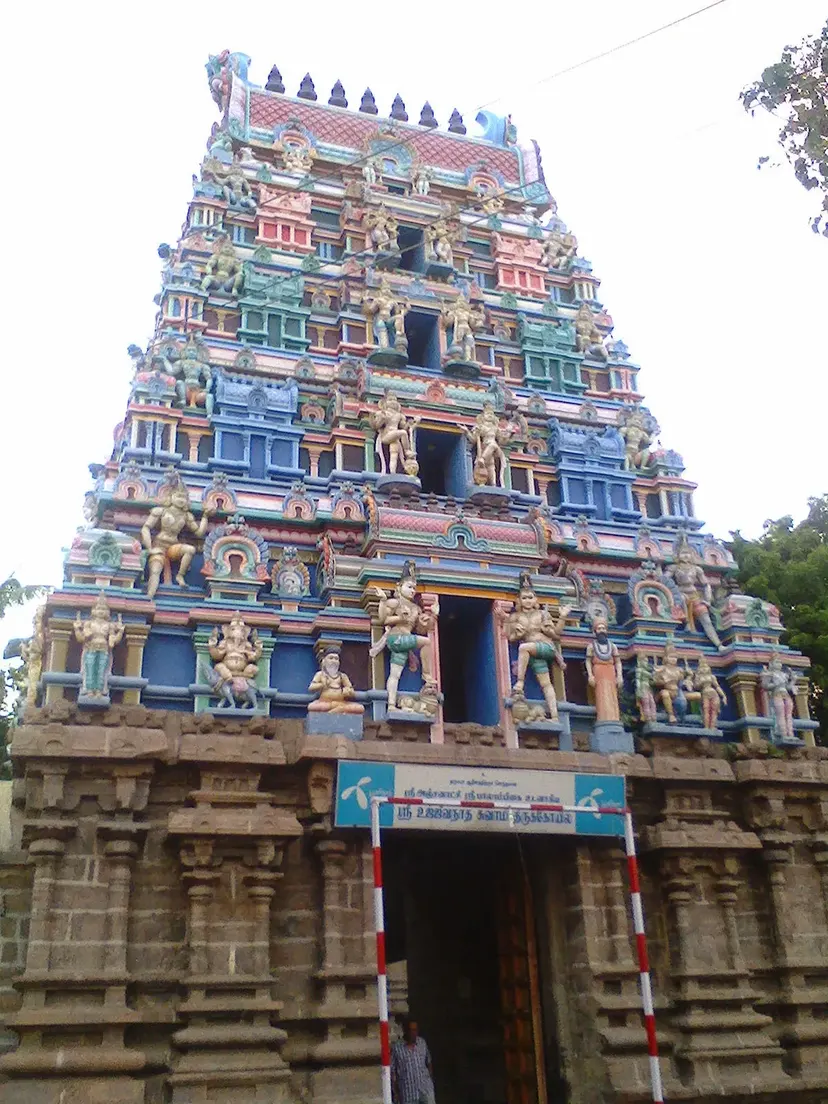
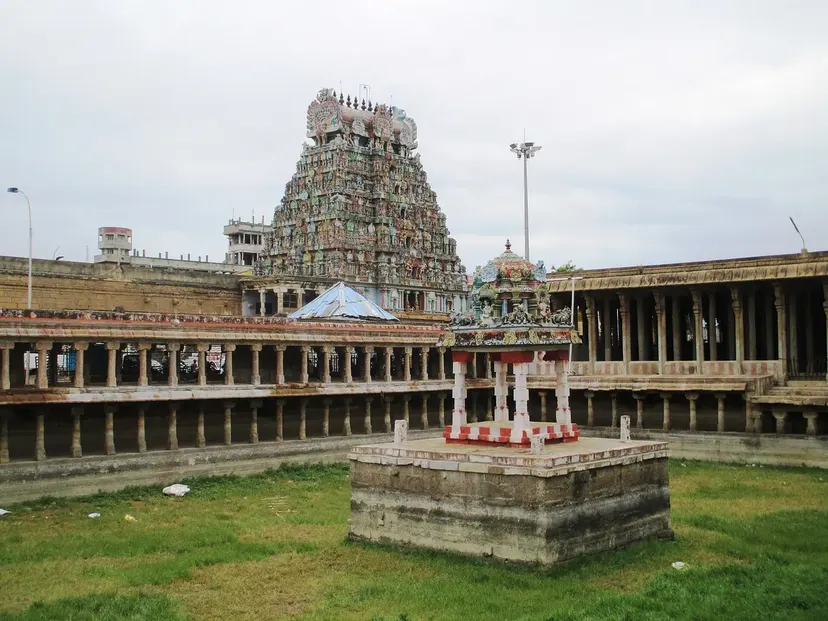
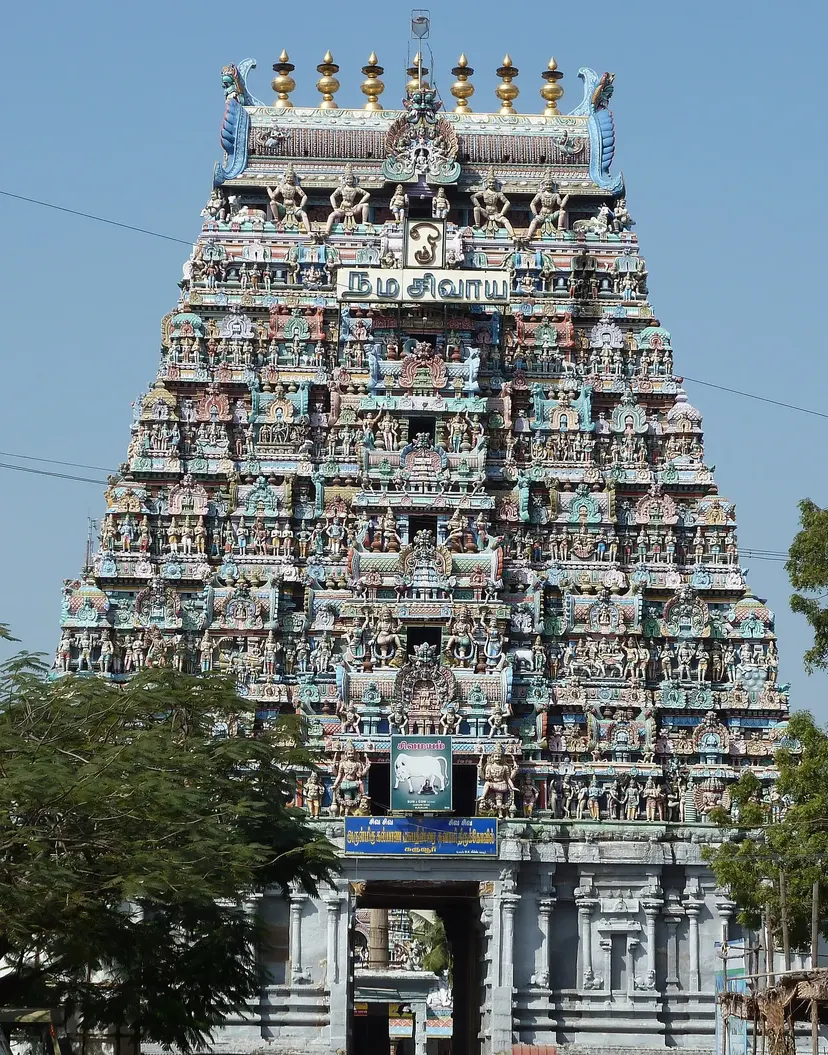
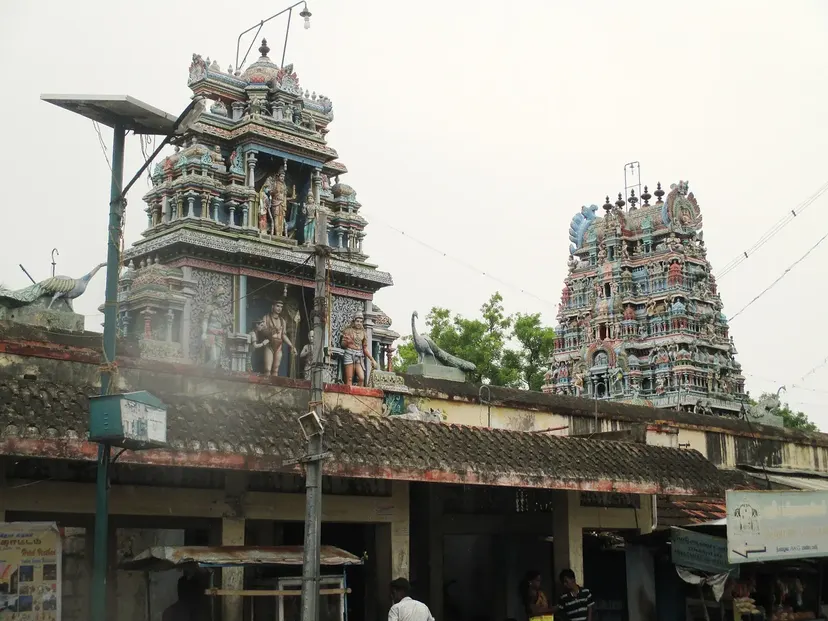
Moovar Koil, 'the three temples', is a group of shrines dedicated to Shiva at Kodumbalur in Pudukkottai district, Tamil Nadu. A Sanskrit inscription on the central shrine records that the Irukkuvel chieftain Bhuti Vikramakesari built three vimanas, one in his own name and one in the name of each of his two queens, and enshrined Mahesvara (Shiva) in them.
Only two of the three shrines stand today; of the northern one only the base survives. The group, with its surrounding sub-shrines and stone enclosure, is protected by the Archaeological Survey of India (ASI), and historians treat it as an important surviving example of early Chola-period temple architecture.
Faith & Tradition
Religious Significance of Moovar Koil, Kodumbalur
Kodumbalur was the home of the Irukkuvels, a line of local chiefs closely allied to the Cholas. The Pudukkottai district administration notes that the place is mentioned in the Tamil epic Silappatikaram and describes its surviving structures as forerunners of the Dravidian style of architecture. According to S. R. Balasubrahmanyam's study Early Chola Temples, tradition speaks of as many as 108 temples here, but only two important temples survive: Moovar Koil and the nearby Muchukundesvara temple.
The foundation inscription is also an important historical record. As summarised in the ASI's South Indian Inscriptions series, it gives a genealogy of the Kodumbalur chiefs over several generations and credits Bhuti Vikramakesari with victories over a Pallava army on the banks of the Kaveri and over Vira Pandya. It also records that he gave a large matha to Mallikarjuna of Madurai, a teacher of the Kalamukha school of Shaivism, along with eleven villages to feed fifty ascetics.
Heritage
History of Moovar Koil, Kodumbalur
The inscription names Bhuti Vikramakesari's two queens as Karrali and Varaguna. Its date has been debated. The epigraphist V. Venkayya, followed by Balasubrahmanyam, assigned the inscription on palaeographic grounds to the 10th century and placed Vikramakesari in the time of the Chola kings Sundara Chola and Aditya II, in the latter half of that century. The editors of South Indian Inscriptions note another view that identifies him with Tennavan Ilangovel, a feudatory of the earlier Chola king Aditya I.
Balasubrahmanyam records that a Kannada inscription on stones in the bund of the tank in front of the Muchukundesvara temple refers to a temple called Vikramakesarisvaram, which he takes to be Moovar Koil, or at least its central shrine. He also notes that the central and southern shrines were in a state of collapse and were carefully restored, without altering their original features, by K. Venkataranga Raju, then curator of the Pudukkottai Museum.
Architecture and sacred features
The three shrines stood in a row, and according to Wikipedia they face west. Each surviving shrine is a compact stone vimana with an attached hall, and a small Nandi shrine stands in front of the maha-mandapa. Wikipedia, drawing on the Tamil Nadu State Department of Archaeology's journal Damilica, notes the circular pilasters on the vimana walls, a feature found in only a few other early temples. The base of the lost northern shrine shows mouldings shaped like a lotus.
The art historian James Harle counted Moovar Koil among a small group of early Chola-period temples that continue the Pallava tradition, being modest in size, built mainly of stone, and having a small porch (ardha-mandapa) attached to the sanctum, according to Wikipedia.
Plan Your Visit
Darshan and Visitor Information
Moovar Koil is a protected ASI monument and is listed by the ASI as a ticketed site. Follow the ASI's rules on entry, photography and conduct. Confirm current opening hours and entry arrangements with the ASI before visiting.
Timings and arrangements change with seasons and festivals. Confirm current details with Archaeological Survey of India before travelling. Last reviewed 1 November 2026.
Location
How to Reach Moovar Koil, Kodumbalur
The Pudukkottai district administration gives Kodumbalur as about 35 km from Tiruchirappalli and 40 km from Pudukkottai. Balasubrahmanyam places it on the old trunk road between Tiruchirappalli and Madurai.
Location: Kodumbalur, Pudukkottai, Tamil Nadu, India
More in Hindu temples in Tamil Nadu · Shiva (enshrined as Mahesvara in three shrines) temples · Temples in Illuppur Taluk · Temples in Pudukkottai District
Questions
Moovar Koil, Kodumbalur: Frequently Asked Questions
What does Moovar Koil mean?
It means 'the three temples'. Bhuti Vikramakesari built three shrines for Shiva, one in his own name and one in each of his two queens' names.
Who built Moovar Koil?
The Irukkuvel chieftain Bhuti Vikramakesari of Kodumbalur, a Chola ally, according to the foundation inscription on the central shrine.
How many shrines survive?
Two. The central and southern shrines stand, after restoration by K. Venkataranga Raju of the Pudukkottai Museum, while only the base of the northern shrine remains.
How old is Moovar Koil?
Venkayya and Balasubrahmanyam date the founder to the latter half of the 10th century, in the time of Sundara Chola and Aditya II. Another view places him earlier, as a feudatory of Aditya I.
Who maintains Moovar Koil?
The Archaeological Survey of India protects the complex, including its sub-shrines and stone enclosure, and lists it as a ticketed monument.
How far is Kodumbalur from Tiruchirappalli?
About 35 km, and about 40 km from Pudukkottai, according to the Pudukkottai district administration.
Sources and attribution
- Archaeological Survey of India (archived) — Alphabetical list of monuments - Tamil Nadu
- Archaeological Survey of India (archived) — List of ticketed monuments - Tamil Nadu
- Pudukkottai District Administration — Kodumbaloor
- Archaeological Survey of India, South Indian Inscriptions Vol. 23 (text via whatisindia.com) — Kodumbalur inscriptions
- S. R. Balasubrahmanyam, Early Chola Temples (text via wisdomlib.org) — Kodumbalur - Muvarkoyil
- Wikipedia — Moovar Koil
Further reading: Moovar Koil, Kodumbalur on Wikipedia (CC BY-SA 4.0).
Spotted an error? Write to info@hindutone.com — see our editorial policy.