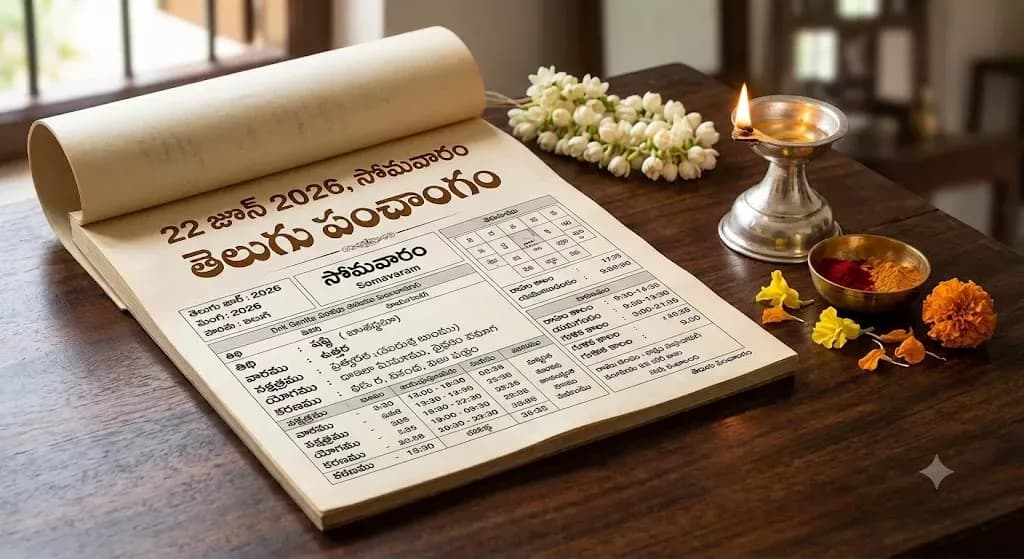
Hindu Vedic Astrology Predictions – June 14, 2025
Complete Moon Sign Horoscope & Sankashti Chaturthi Guide Why June 14, 2025 is Spiritually Powerful Saturday, June 14, 2025 is an auspicious day in the Hindu…
Complete Moon Sign Horoscope & Sankashti Chaturthi Guide Why June 14, 2025 is Spiritually Powerful Saturday, June 14, 2025 is an auspicious day in the Hindu…
Complete Moon Sign Horoscope & Sankashti Chaturthi Guide
Why June 14, 2025 is Spiritually Powerful
Saturday, June 14, 2025 is an auspicious day in the Hindu calendar as it marks Sankashti Chaturthi, a sacred occasion dedicated to Lord Ganesha. On this day, cosmic energies are particularly potent for removing obstacles, attracting blessings, and deepening spiritual practice.
Key Panchang Details
- Day: Shaniwar (Saturday)
- Tithi: Krishna Paksha Tritiya → Krishna Paksha Chaturthi (3:47 PM)
- Nakshatra: Uttara Ashadha → Shravana (12:21 AM, June 15)
- Moon Sign: Makara Rashi (Capricorn)
- Vikram Samvat: 2082, Ashadha Krishna Paksha
- Special Observance: Sankashti Chaturthi
Moon Sign Predictions
🌟 Highly Favorable Moon Signs
If your moon sign falls under these rashis, the day brings exceptional positivity:
- Mesha (Aries): Leadership and career breakthroughs
- Karka (Cancer): Family harmony and emotional fulfillment
- Simha (Leo): Creative recognition and personal achievements
- Vrischika (Scorpio): Transformation and spiritual progress
- Makara (Capricorn): Material success and goal accomplishment
- Meena (Pisces): Spiritual connections and intuitive insights
⚠️ Other Moon Signs
Focus on spiritual practices and avoid major decisions during inauspicious times.
Most Auspicious Times for Success
- 🕉 Brahma Muhurat: 4:08 AM – 4:56 AM
Best for meditation, prayers, and mental clarity. - ⚡ Abhijit Muhurat: 12:00 PM – 12:53 PM
Best for business, meetings, and new beginnings. - ✨ Amrit Kaal: 5:44 PM – 7:24 PM
Best for family gatherings, worship, and harmony. - 🌟 Sarvartha Siddhi Yoga: June 15, 12:21 AM – 5:45 AM
Best for starting important projects with guaranteed success.
Inauspicious Periods to Avoid
- ❌ Rahu Kaal: 9:06 AM – 10:46 AM
- ❌ Yamaganda: 2:07 PM – 3:48 PM
- ❌ Gulika Kaal: 5:44 AM – 7:25 AM
- ❌ Dur Muhurat: 7:32 AM – 8:25 AM
Sankashti Chaturthi Spiritual Guide
Morning Rituals (Brahma Muhurat):
- Perform Ganesha Puja
- Chant “Om Gam Ganapataye Namaha” (108 times)
- Read Vishnu Sahasranama
Evening Rituals (Amrit Kaal):
- Offer Modak or Laddu as prasad
- Perform Aarti to Lord Ganesha
- Pray for obstacle removal and harmony
Additional Practices:
- Observe fast until moonrise (10:01 PM)
- Donate food or money to those in need
Career & Finance Highlights
- Career Boost: Makara, Mesha, Simha
- Financial Gains: Vrischika, Meena, Karka
Health Guidance
- Stay hydrated during Grishma Ritu
- Avoid heavy meals in inauspicious hours
- For Capricorn Moon, focus on joint and bone health
Love & Relationships
- Harmonious Signs: Karka, Meena, Simha
- Use Amrit Kaal for resolving conflicts
- Avoid serious talks during Rahu Kaal
Travel & Decision-Making
- Best Travel Times: After 12:00 PM or during Amrit Kaal
- Major Life Choices: Wait for Sarvartha Siddhi Yoga
- Spiritual Decisions: Brahma Muhurat is ideal
Final Takeaway
This Sankashti Chaturthi is a golden opportunity to combine the power of timing with devotion. By aligning your actions with auspicious periods and offering sincere prayers to Lord Ganesha, you can invite prosperity, harmony, and spiritual upliftment into your life.
What Makes Sankashti Chaturthi on a Saturday Especially Potent
When Sankashti Chaturthi falls on a Saturday — called Shaniwar Sankashti — it carries a compounded spiritual weight. Saturday is the day governed by Shani Deva (Saturn), the planet of karma, discipline, and long-term results. Lord Ganesha, as Vighnaharta (remover of obstacles), works in harmony with Shani's karmic principle: obstacles are dissolved not by bypassing karma but by purifying intent and effort. This rare alignment amplifies the efficacy of any vrata (vow) undertaken on this day.
The Ganesha Purana specifically describes Sankashti Chaturthi as a day when Ganesha is invoked in his form as Sankatahara — the one who dissolves all sankatas (afflictions), including those arising from malefic Shani periods such as Sade Sati or Dhaiya. Devotees observing a full-day fast and breaking it only after moonrise and darshan of the Chaturthi Moon are said to receive the combined grace of both Ganesha and Shani Deva, which is particularly beneficial for those running Saturn mahadasha or antardasha in their Jyotisha chart.
The Astronomical Significance of Uttara Ashadha and Shravana Nakshatra Transition
On June 14, 2025, the Moon transits from Uttara Ashadha Nakshatra into Shravana Nakshatra at 12:21 AM on June 15, spending most of the day in Uttara Ashadha. Uttara Ashadha (the latter invincible one) spans the cusp of Dhanu (Sagittarius) and Makara (Capricorn) and is ruled by Vishvedevas — the universal gods — with the Sun as its planetary lord. This nakshatra bestows firm resolve, ethical conduct, and enduring achievements, making it ideal for decisions requiring long-term commitment.
Shravana Nakshatra, which literally means 'hearing' or 'learning,' is presided over by Lord Vishnu and ruled by the Moon. Its three footprints are symbolically connected to the three strides of Vamana (Trivikrama). When the Moon, already in its home rashi-adjacent position in Makara, moves into Shravana, it activates a powerful Sarvartha Siddhi Yoga with the weekday configuration — which is why the Panchang notes this yoga active from 12:21 AM on June 15. Those beginning study, travel, or devotional practices at that junction are considered to receive Vishnu's specific blessings of knowledge and fulfillment.
How the Moon in Makara Rashi Shapes the Day's Energy for All Twelve Rashis
In Vedic Jyotisha, the transiting Moon (Gochara Chandra) in Makara Rashi creates a specific angular relationship — called a bhava position — with every rashi. For Mesha (Aries), the Moon sits in the tenth house of career, explaining the predicted leadership breakthroughs. For Karka (Cancer), the Moon occupies the seventh house of relationships, supporting family harmony. For Makara natives themselves, the Moon transits the first house (lagna), bringing heightened personal clarity and material momentum — a condition known as Chandra Lagna alignment.
Rashis facing the Moon in the sixth, eighth, or twelfth house positions — roughly Mithuna (Gemini), Simha partially, Kanya (Virgo), and Meena in some frameworks — encounter what Jyotisha texts call Chandrashtama or unfavorable lunar placements. This is why the general guidance for 'other moon signs' emphasizes restraint and spiritual practice rather than external action. The classical text Brihat Parashara Hora Shastra advises that during one's Chandrashtama period, one should avoid surgery, long journeys, and confrontational conversations, focusing instead on mantra japa and seva.
Muhurta Science Behind Brahma Muhurat, Abhijit, and Amrit Kaal
The three auspicious windows listed in the Panchang correspond to distinct principles in classical Muhurta Shastra. Brahma Muhurat — literally 'the hour of Brahma' — occurs approximately 96 minutes before local sunrise and is described in the Ashtanga Hridayam and various Dharmashastra texts as the time when sattva guna is most dominant in the atmosphere. The mind, freed from the heaviness of tamas and not yet agitated by rajas, is maximally receptive to mantra and meditation at this hour.
Abhijit Muhurat ('the victorious moment') corresponds to the Sun's approximate zenith and is linked in the Mahabharata itself to the auspicious moment of Lord Krishna's birth as well as key military decisions. It lasts roughly 48 minutes centered on solar noon and is considered universally beneficial regardless of the day's other planetary configurations — one of the few muhurats that overrides inauspicious planetary combinations. Amrit Kaal ('the nectar period'), calculated from the lunar nakshatra using the Tara Bala system, is specifically potent for family worship, communal meals, and offerings to ancestors, making it the natural window for the Sankashti Chaturthi moonrise puja and prasad distribution.
Sankashti Chaturthi Vrata Vidhi — The Classical Observance and Its Scriptural Basis
The complete vrata (vow) for Sankashti Chaturthi is outlined in the Ganesha Purana (Upasana Khanda) and further elaborated in regional Dharmasindhu texts. The observer wakes before sunrise, takes a ritual bath, and performs a sixteen-step Shodashopachara puja to Ganesha using red flowers (especially hibiscus, called Japakusuma), durva grass (considered most sacred to Ganesha), modaka (sweet rice dumplings), and a ghee lamp. The famous verse 'Vakratunda Mahakaya, Surya Koti Samaprabha' is recited along with the 108-name Ganesha Ashtottara Shatanama stotra.
The critical ritual observance is moonrise darshan — sighting the Chaturthi Moon and offering arghya (water oblation) to it before breaking the fast. In cities like Mumbai, the Sankashti Chaturthi moonrise time is widely published and followed with particular devotion at the Siddhivinayak Temple, Prabhadevi, where queues form for darshan as moonrise approaches. After sighting the Moon and offering arghya with a prayer to Ganesha and Chandra Deva, the devotee may break the fast with the puja prasad. The scriptural promise of this vrata, as stated in the Ganesha Purana, is sarva sankata nivaran — removal of all afflictions — for sincere observers.
Rahu Kaal and Inauspicious Periods — Why Jyotisha Recommends Caution and How to Navigate Them
Rahu Kaal is a period of approximately 90 minutes each day, assigned according to the weekday using the traditional mnemonic 'Mother Saw Father Wearing The Turban Suddenly' (Mon, Sat, Fri, Wed, Thu, Tue, Sun mapping to the 2nd, 3rd, 4th, 5th, 6th, 7th, and 8th 90-minute segments of daylight). On Saturday, Rahu Kaal falls in the third segment — hence 9:06 AM to 10:46 AM on this date. Rahu, as a shadow graha with no physical body, is associated with sudden reversals, hidden complications, and karmic entanglements, making initiations during his period classically inadvisable.
Yamaganda and Gulika Kaal are similarly calculated sub-periods associated with Yama (lord of dharmic judgment) and Gulika (a sub-planet or upagraha, son of Saturn), respectively. Classical texts such as the Muhurta Chintamani advise against beginning new ventures, signing agreements, or undertaking medical procedures during these windows. However, these periods are not considered inauspicious for ongoing devotional practice, mantra repetition, or completing works already in progress — a distinction often missed in popular interpretations. On a Sankashti Chaturthi day, any time not covered by Rahu Kaal or Yamaganda can be fruitfully used for the extended Ganesha japa recommended in the morning ritual guide.
Frequently Asked Questions
What does this Hindu Vedic Astrology Predictions – June 14, cover?
Complete Moon Sign Horoscope & Sankashti Chaturthi Guide Why June 14, 2025 is Spiritually Powerful Saturday, June 14, 2025 is an auspicious day in the Hindu calendar as it marks Sankashti Chaturthi , a sacred occasion dedicated to Lord Ganesha . On this day, cosmic energies are particularly potent for removing obstacles, attracting blessings, and deepening s
Should I read my Sun sign or Moon sign?
Vedic astrology uses your Janma Rashi — your natal Moon sign — not the Western Sun sign. Read the predictions for your Moon sign for the most accurate guidance.
Are these predictions guaranteed?
Vedic predictions indicate general tendencies and supportive remedies, not certainties. They are best used as guidance alongside sincere effort and devotion.
What remedies are suggested?
Common supportive practices include relevant mantra chanting, fasting on the appropriate day, charity (dana), and temple worship; specifics depend on your birth chart.
You might also like
June 2026 Monthly Horoscope — Vedic Moon Sign Predictions for All 12 Rashis

Secrets of Rahu and Ketu Dashas | Rahu & Ketu Results According to Parashara Astrology
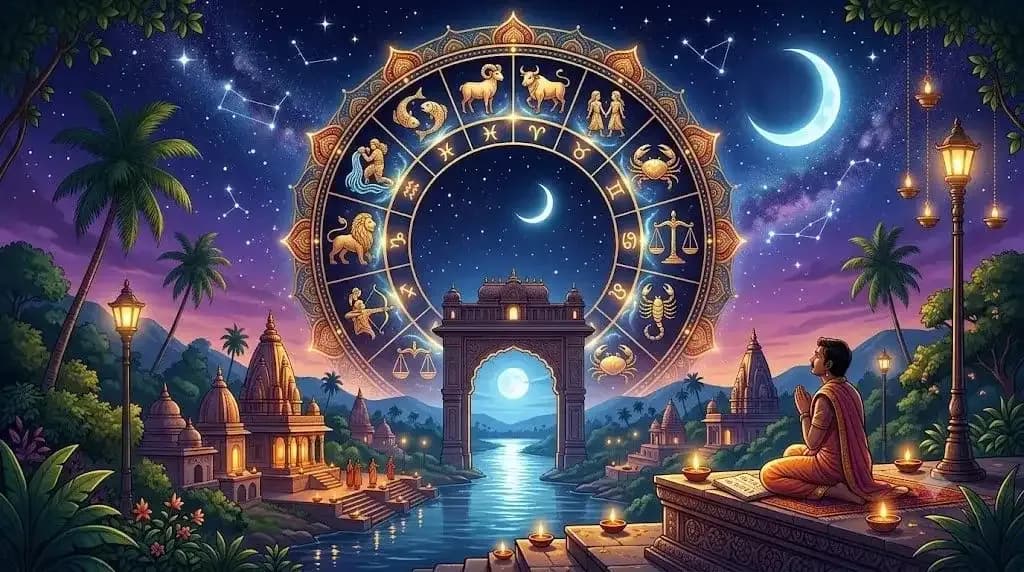
Daily Horoscope for 22 June 2026 (Monday) – Aries to Pisces Rashifal Predictions