
Karthika Deepam Safety in Apartments and Abroad 2026: Smoke Alarms, Balconies and Safe Lamp Placement
Practical Karthika Deepam 2026 safety for apartments and homes abroad: lamp placement, smoke alarms, balcony and lease rules, children and pets, putting lamps out and LED diyas.
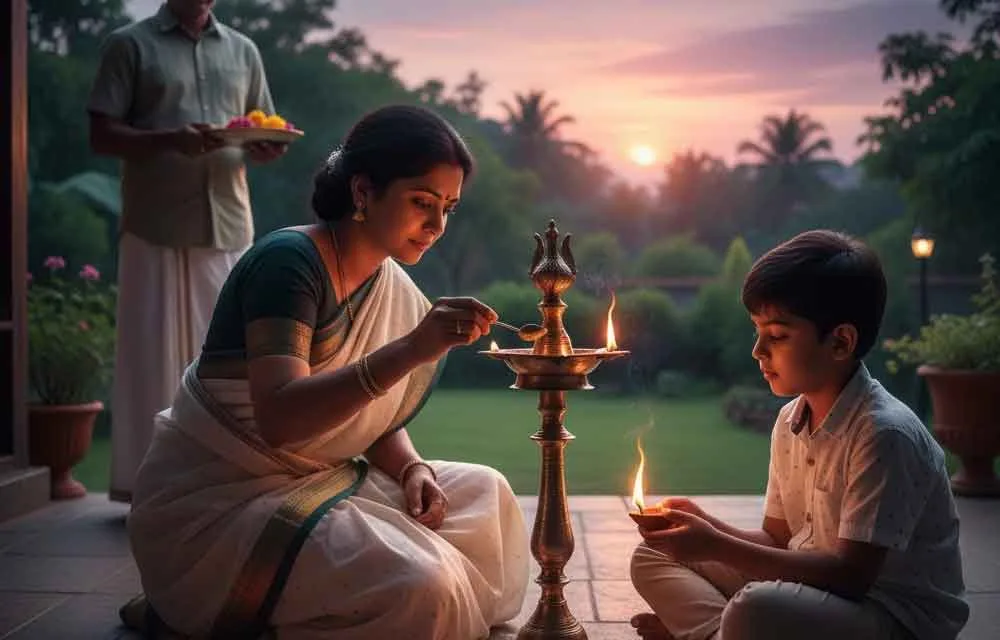
Quick answer: To light a Karthika deepam safely in an apartment or abroad, place each lamp on a stable metal tray away from curtains, never leave it unattended, keep children and pets away, keep a fire blanket or extinguisher nearby and never disable smoke alarms. Check your lease and building rules, and use LED diyas where flames are not allowed.
Karthika Masam 2026 runs from Tuesday 10 November to Tuesday 8 December in India and begins on Monday 9 November in the USA, UK and Canada. That means about a month of evening lamps, many of them in flats, rented homes and high-rise apartments. This guide explains how to keep the tradition and keep your home safe. For dates and observances, see our Karthika Masam 2026 guide, and for shopping, our Karthika Masam puja samagri checklist.
Start with a Stable, Non-Flammable Base
Most lamp accidents begin with a lamp that tips, drips or sits on something that can burn. Get the base right and most risks shrink.
- Use a metal tray or plate: put every diya on a steel or brass plate, never directly on wood, cloth, paper or plastic.
- Choose a flat, sturdy surface: a solid table or a stone or metal shelf, not a wobbly stand or a stack of books.
- Pick a heavy diya: brass and thick clay diyas are less likely to tip than light ones.
- Do not overfill: leave space at the top so oil does not spill when the lamp is moved or bumped.
Safe Lamp Placement Indoors
- Away from curtains and fabric: keep lamps well clear of curtains, blinds, tablecloths, saree decorations and garlands. Remember that a breeze can move curtains towards a flame.
- Nothing above the flame: avoid placing lamps under shelves, cabinets, hanging decorations or puja-room drapes.
- Away from walkways and doors: keep lamps out of corridors and doorways where people pass in a hurry or a door swings open.
- Away from Tulasi leaves: place the lamp on a tray beside the plant, not under its branches.
Never Leave a Lamp Unattended
This is the most important rule. Before you leave the room, go out or go to bed, put the lamp out or ask another adult to watch it. Never let a lamp burn overnight.
Children and Pets
- Place lamps out of reach of small children, and teach older children not to touch or move lit lamps.
- Watch loose clothing: sarees, dupattas, long sleeves and loose hair can catch a flame when someone leans over a lamp.
- Keep pets away: cats jump on shelves and dogs wag tails. Choose a spot pets cannot reach, or use an LED diya in rooms where pets roam.
Smoke Alarms: Keep Them Working
Smoke alarms save lives, so never disable, cover or remove one, even for a festival evening. If lamps or incense set off your alarm, the answer is better placement and ventilation, not switching it off.
- Keep lamps away from directly below a smoke detector.
- Open a window a little for ventilation, especially when lighting several lamps, camphor or incense.
- Test your smoke alarm before the month begins, as your building or local fire department recommends.
- In rented homes, tell your landlord or building manager if an alarm is missing or faulty.
Balconies, Corridors and High-Rise Rules
Many families like to place lamps at the door or on the balcony, as is done in India. In high-rise buildings and rented homes abroad, this needs extra care.
- Check your lease and building rules first: many rental agreements, HOAs and building managements restrict open flames on balconies, in corridors and in common areas.
- Wind is a real risk: balcony wind can blow a flame sideways, tip a light diya or carry sparks to dry plants, furniture or the balcony below.
- Keep corridors clear: lamps in shared corridors and stairwells can block escape routes and are often not permitted.
- Use LED diyas outdoors where open flames are not allowed. They give the look of a row of lamps at the door or railing without the risk.
Karthika Pournami falls on Tuesday 24 November 2026 in India, the evening when most homes light the most lamps. Read the traditions in our Karthika Pournami 2026 guide and our Karthigai Deepam 2026 guide, then plan where each lamp will go.
Large Lamps and the 365-Wick Deepam
The 365-wick deepam produces a much bigger flame than a daily diya. If you light one at home:
- Use a wide, deep, heavy metal lamp on a larger metal tray.
- Light it in an open area with nothing above it and plenty of space around it.
- Keep a fire blanket or suitable extinguisher and a metal lid within reach.
- Stay with the lamp the whole time it burns.
- If your home or building cannot accommodate a large flame safely, consider lighting it at your local temple instead.
Oil Spills and Clean-Up
- Wipe spills promptly: oil on floors is a slip hazard and oil near a flame can catch. Put the lamp out first if the spill is close to it.
- Let hot oil cool before you move a lamp or wipe up a spill.
- Oil-soaked cloths: do not leave them in a heap. Follow your local fire department guidance on disposing of oily rags.
Putting Out a Deepam Safely
- Use a snuffer or a small metal lid, or let the lamp burn out while someone watches.
- Avoid blowing hard on a lamp full of hot oil; it can scatter sparks or oil. Many families also prefer not to blow out a deepam by custom.
- Never pour water on burning oil. If oil catches fire, cover it with a metal lid or fire blanket and call your local emergency number if it does not go out at once.
When to Choose LED Diyas
LED diyas are a practical option where open flames are not allowed, such as student housing, some rentals, offices, balconies and common areas, and in rooms with pets or small children. Families who prefer a real flame can light one supervised diya at the home altar and use LED diyas elsewhere.
Abroad, check your local dates first. Our Karthika Masam 2026 USA guide, UK city guide and Canada guide list local dates, and the day-by-day calendar covers India.
Frequently Asked Questions
Can I light a Karthika deepam in an apartment?
In most homes, yes, as long as your lease and building rules allow open flames indoors. Use a stable lamp on a metal tray, keep it well away from curtains and anything flammable, and never leave it unattended. If open flames are not allowed, use an LED diya.
Will a diya set off my smoke alarm?
A single small diya usually does not, but several lamps, camphor or incense in a small closed room can. Keep lamps away from the detector, open a window a little and keep the number of lamps modest. Never disable, cover or remove a smoke alarm.
Can I place diyas on my balcony?
Only if your building and lease allow it. Many high-rises and rental agreements forbid open flames on balconies and in corridors because of wind, dry plants and the floors below. Check with your building manager, landlord or HOA first, and use LED diyas if flames are not permitted.
How should I put out a deepam safely?
Use a snuffer or a small metal lid, or let the lamp burn out while someone watches it. Avoid blowing hard on a lamp full of hot oil, which can scatter sparks or oil, and never pour water on burning oil.
What should I keep nearby when lighting many lamps on Karthika Pournami?
Keep a fire blanket or a suitable fire extinguisher within reach, along with a metal lid. Make sure every adult in the home knows where they are and how to use them, and follow your local fire department guidance.
Are LED diyas acceptable for Karthika Masam?
Many families abroad and in rented homes use LED diyas where open flames are not allowed. Family and community practice varies, so if you are unsure, ask your family elders or temple priest. An LED diya lets you keep the daily evening lamp within your building rules.
This guide gives general safety tips only. Always follow your lease, building rules and local fire department guidance. For the items to buy for the month, see our Karthika Masam puja samagri checklist 2026.
Share this with family and friends
Send it on WhatsApp, post it, or copy the link.
More from Festivals
- Karthika Puranam Chapter 14 (Adhyaya 14) in English: Story, Meaning and Lesson | Karthika Masam 2026 Day 14
- Karthika Puranam Chapter 13 (Adhyaya 13) in English: Story, Meaning and Lesson | Karthika Masam 2026 Day 13
- Karthika Puranam Chapter 12 (Adhyaya 12) in English: Story, Meaning and Lesson | Karthika Masam 2026 Day 12
- Karthika Puranam Chapter 11 (Adhyaya 11) in English: Story, Meaning and Lesson | Karthika Masam 2026 Day 11
- Karthika Puranam Chapter 10 (Adhyaya 10) in English: Story, Meaning and Lesson | Karthika Masam 2026 Day 10
You might also like
Today in Karthika Masam 2026, Day 10 (19 Nov): Tithi and Deepam Time
Today in Karthika Masam 2026, Day 9 (18 Nov): Tithi and Deepam Time
Today in Karthika Masam 2026, Day 8 (17 Nov): Tithi and Deepam Time