
Karthika Masam Celebrations in Ayodhya Ram Mandir and Across the Holy City – Complete Guide 2026
Quick answer: Karthika Masam (Kartik month) is one of the most sacred months in the Hindu calendar. In Ayodhya, the birthplace of Lord Ram, the entire month is observed with special devotion at the Shri Ram Janmabhoomi Temple and on the banks of the sacred Saryu river.
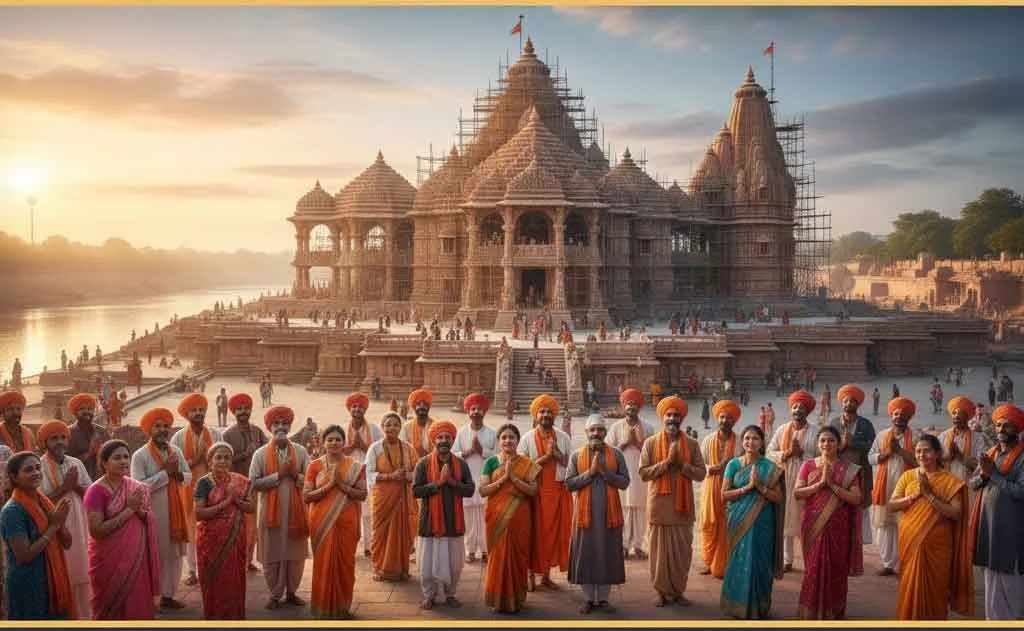
Quick answer: Karthika Masam (Kartik month) is one of the most sacred months in the Hindu calendar. In Ayodhya, the birthplace of Lord Ram, the entire month is observed with special devotion at the Shri Ram Janmabhoomi Temple and on the banks of the sacred Saryu river. In 2026, the month carries extra significance as it follows the grand 10th Deepotsav and continues with Kartik Purnima on 24 November. Devotees perform early morning Saryu snan, Deep Daan (lamp offering), Tulsi Puja, and seek the blessings of Shri Ram Lalla.
Understanding Karthika Masam – The Month of Light and Devotion
Karthika Masam is regarded as highly auspicious for the worship of both Lord Vishnu (in the form of Shri Ram) and Lord Shiva. Ancient scriptures such as the Padma Purana and Skanda Purana describe this month as the best time for spiritual practices, charity, fasting, and lamp offerings. Lighting a single diya in Karthika is said to yield the merit of many yagnas.
In Ayodhya, the month holds special emotional and spiritual weight. It is the month that contains Diwali – the festival that commemorates Lord Ram’s return to Ayodhya after 14 years of exile. The grand Deepotsav celebrated just before Diwali is itself a modern expression of the ancient Karthika tradition of illuminating the city with lamps.
Karthika Masam 2026 Dates Relevant to Ayodhya
Ayodhya follows the Purnimanta calendar common in North India (Uttar Pradesh, Bihar, etc.):
- Approximate period: Late October to 24 November 2026
- Kartik Purnima (most important day): Tuesday, 24 November 2026
In the Amanta calendar followed in South India, Karthika Masam runs from 10 November to 8 December 2026. Many devotees from South India visiting Ayodhya observe according to their regional panchang while participating in local rituals.
Key days that draw large crowds to Ayodhya and the Ram Mandir include:
- Days around Diwali and Deepotsav
- Kartik Mondays (Somavarams)
- Dev Uthani / Prabodhini Ekadashi
- Tulsi Vivah
- Kartik Purnima (Saryu Mahasnan and Deep Daan)
Celebrations at Shri Ram Janmabhoomi Temple During Karthika Masam
The Shri Ram Janmabhoomi Temple becomes the spiritual heart of Karthika observances in Ayodhya. During this sacred month, the temple complex is specially decorated with flowers, lights, and traditional rangolis. The atmosphere is filled with continuous chanting of Ram Naam, Vedic mantras, and the fragrance of incense and camphor.
Special features observed at the temple include:
- Enhanced morning and evening aartis of Shri Ram Lalla
- Special Deep Daan arrangements in the temple premises and courtyard
- Floral decorations and illumination that intensify as Kartik Purnima approaches
- Increased darshan facilities to accommodate the surge of pilgrims
- Participation of saints and religious leaders in special pujas
During the 10th Deepotsav (7 November 2026), Vice-President C P Radhakrishnan, Governor Anandiben Patel and Chief Minister Yogi Adityanath performed the aarti and coronation rituals of Lord Ram at the Ram Darbar stage, and one lakh diyas lit up the Ram Janmabhoomi Temple premises. Such grand aartis and special lighting set the tone for the entire Karthika period.
Devotees consider having darshan of Shri Ram Lalla during Karthika Masam especially meritorious. Many take a sankalp (vow) to visit the temple as many times as possible during the month or to perform continuous japa of the Ram Mantra.
Ayodhya-Wide Celebrations – The City Becomes a Living Temple
While the Ram Mandir is the focal point, the entire city of Ayodhya participates in Karthika Masam with deep devotion.
1. Saryu Snan (Holy Bath in the Saryu)
Early morning baths in the sacred Saryu river are one of the most important practices. On Kartik Purnima, lakhs of devotees gather at the ghats, especially Ram Ki Paidi and other traditional bathing spots, for the Mahasnan. Scriptures state that bathing in the Saryu on Kartik Purnima carries immense spiritual merit.
2. Deep Daan on the Ghats
Every evening during Karthika, and especially on Kartik Purnima, thousands of diyas are lit and offered on the Saryu. Many float diyas on leaf boats. This practice of Deep Daan is considered highly pleasing to Lord Vishnu and is believed to remove accumulated sins and bring peace to ancestors.
3. Connection with Deepotsav
The famous Ayodhya Deepotsav, which has grown into the world’s largest oil-lamp festival, is itself rooted in the Karthika tradition of illuminating the city to welcome Lord Ram. The 10th edition in 2026, with over 30 lakh diyas across 56 ghats, created a divine atmosphere that continues to inspire devotees throughout the month.
4. 14 Kosi and 5 Kosi Parikrama
Ayodhya’s traditional circumambulations gain special importance in Kartik. The longer 14 Kosi Parikrama and the shorter 5 Kosi Parikrama attract large numbers of pilgrims who walk while chanting Ram Naam, combining physical effort with devotion.
5. Tulsi Puja and Other Home & Temple Rituals
Tulsi is worshipped with special care throughout the month. Many homes and temples perform Tulsi Vivah. Daily lighting of lamps near Tulsi plants, offering of bilva leaves (where Shiva temples are present), and reading of Ramayana or Vishnu Sahasranama are common practices.
Important Rituals and How Devotees Observe Them
Devotees visiting Ayodhya or living in the city typically follow a combination of these practices:
- Early morning Saryu snan (or bath with Gangajal/Saryu water at home)
- Lighting of diyas every evening (Deep Daan)
- Darshan at Ram Janmabhoomi Temple
- Chanting of Ram Naam, Hanuman Chalisa, or Vishnu Sahasranama
- Observing fast on Karthika Mondays (Somavaram)
- Charity (daan) of food, clothes, or lamps
- Reading or listening to Ramayana discourses
Many saints and akhadas in Ayodhya organise special katha, bhajan, and mass feeding (annadanam) programmes during this month.
Spiritual Significance for Ram Bhakts
For devotees of Lord Ram, Karthika Masam in Ayodhya is uniquely powerful. Performing Deep Daan and having darshan of Shri Ram Lalla in His own birthplace during this month is believed to multiply the spiritual benefits many times. The combination of the sacred geography of Ayodhya, the presence of the Ram Temple, and the purifying waters of the Saryu creates an atmosphere highly conducive to devotion and inner purification.
The month also marks the end of Chaturmas in many traditions and the awakening of Lord Vishnu (Dev Uthani Ekadashi), making it a time of renewed spiritual activity.
Practical Guide for Pilgrims Visiting Ayodhya in Karthika Masam 2026
- Plan your visit around Kartik Purnima (24 November) for the grandest atmosphere, but expect very large crowds.
- Arrive early for Saryu snan on important days.
- Book accommodation well in advance.
- Carry light warm clothing as mornings and evenings can be cool.
- Follow temple guidelines for darshan and maintain discipline in queues.
- Participate in Deep Daan respectfully and keep the ghats clean.
- Combine temple darshan with a peaceful walk along the Saryu and a visit to Hanumangarhi.
Conclusion – Walking in the Light of Karthika in Ram’s Own City
Karthika Masam in Ayodhya is not merely a calendar observance. It is a living experience of devotion where the entire city – from the majestic Ram Janmabhoomi Temple to the ancient ghats of the Saryu – participates in the worship of light, purity, and dharma.
Whether you are fortunate to be physically present in Ayodhya during this sacred month or are observing the rituals from home while keeping the city and the temple in your heart, the blessings of Shri Ram Lalla and the purifying power of Karthika remain available to every sincere devotee.
May the lamps of Karthika Masam illuminate every heart with the light of bhakti, and may the grace of Maryada Purushottam Shri Ram remain forever with us.
Jai Shri Ram! Jai Siyaram!
Related: Karthika Masam 2026, Karthika Pournami 2026, Tulsi Vivah 2026, Ayodhya Deepotsav 2026: over 30 lakh diyas and History of Ayodhya Deepotsav.
Share this with family and friends
Send it on WhatsApp, post it, or copy the link.
More from Festivals
- Karthika Puranam Chapter 14 (Adhyaya 14) in English: Story, Meaning and Lesson | Karthika Masam 2026 Day 14
- Karthika Puranam Chapter 13 (Adhyaya 13) in English: Story, Meaning and Lesson | Karthika Masam 2026 Day 13
- Karthika Puranam Chapter 12 (Adhyaya 12) in English: Story, Meaning and Lesson | Karthika Masam 2026 Day 12
- Karthika Puranam Chapter 11 (Adhyaya 11) in English: Story, Meaning and Lesson | Karthika Masam 2026 Day 11
- Karthika Puranam Chapter 10 (Adhyaya 10) in English: Story, Meaning and Lesson | Karthika Masam 2026 Day 10
You might also like
Today in Karthika Masam 2026, Day 10 (19 Nov): Tithi and Deepam Time
Today in Karthika Masam 2026, Day 9 (18 Nov): Tithi and Deepam Time
Today in Karthika Masam 2026, Day 8 (17 Nov): Tithi and Deepam Time