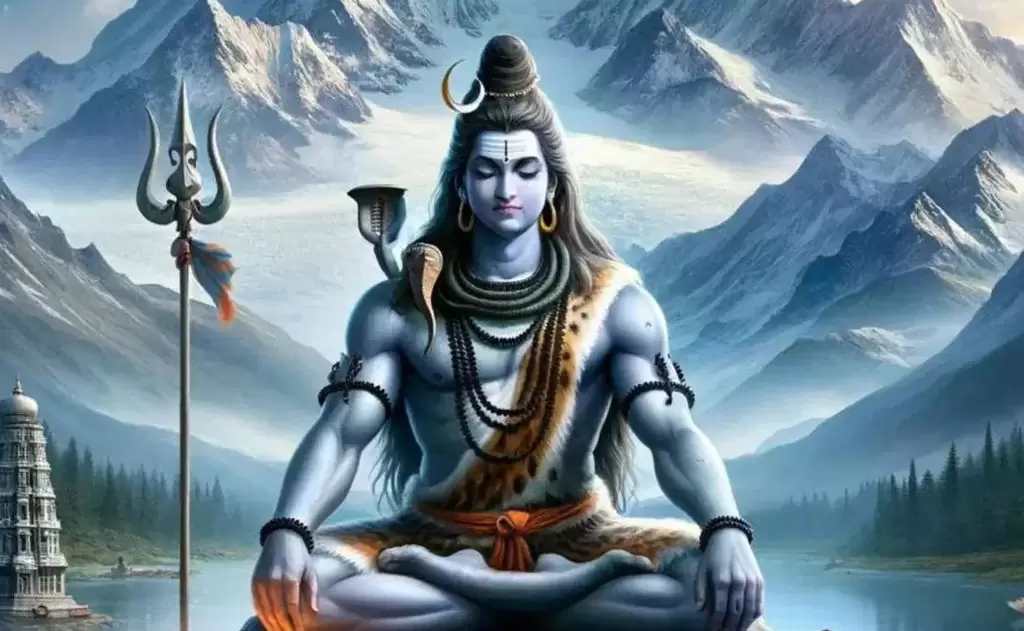
Night-Long Vaikuntha Ekadashi Jagaran in Temples: Meaning & Methods
Night-Long Vaikuntha Ekadashi Jagaran in Temples: Meaning & Methods Why Staying Awake Matters, Bhajans, Vishnu Sahasranama & Ancient Temple Traditions…

Update (October 2026): Vaikuntha Ekadashi 2026 falls on Sunday, 20 December (Saturday, 19 December for Smarta households in the USA and Canada). This article describes an earlier observance — for current dates and guidance, see our Vaikuntha Ekadashi 2026 guide.
Night-Long Vaikuntha Ekadashi Jagaran in Temples: Meaning & Methods
Why Staying Awake Matters, Bhajans, Vishnu Sahasranama & Ancient Temple Traditions
Introduction: The Sacred Night When Sleep Becomes Surrender
Vaikuntha Ekadashi Jagaran is one of the most intense and transformative spiritual disciplines in Hindu temple tradition. While fasting purifies the body and Ekadashi vrata steadies the mind, Jagaran — the conscious choice to remain awake through the night — purifies awareness itself.
Even in the final weeks of 2025, just before Christmas, major temples like Srirangam, Tirumala, Bhadrachalam, Yadadri, and prominent Vishnu temples in the USA issued advisories highlighting the spiritual importance of night-long Vaikuntha Ekadashi Jagaran, encouraging devotees to participate in bhajans, Vishnu Sahasranama chanting, and scriptural listening rather than treating the night as a social gathering.
But why does Hindu tradition insist on staying awake on this particular night?
Why is sleep discouraged — something otherwise considered essential for health?
And how did ancient temple traditions design Jagaran as a precise spiritual tool rather than mere austerity?
This article explores the meaning, methods, history, and inner science of Vaikuntha Ekadashi Jagaran, written especially for Hindutone’s devotional and culture-focused readers.
1. What Is Vaikuntha Ekadashi Jagaran?
Vaikuntha Ekadashi Jagaran refers to the night-long vigil observed in Vishnu temples and homes, beginning on Ekadashi evening and continuing until the early hours of Dwadashi.
It involves:
- Remaining awake consciously
- Engaging in devotional activities
- Avoiding sleep, lethargy, and distraction
- Keeping the mind anchored in Vishnu consciousness
Unlike ordinary sleeplessness, Jagaran is wakefulness with purpose.
2. Why Staying Awake Matters on Vaikuntha Ekadashi
2.1 Jagaran Is Not Denial of Sleep — It Is Mastery Over It
In Hindu spiritual psychology, sleep (nidra) is associated with tamas — inertia and unconsciousness. Vaikuntha Ekadashi, associated with moksha, demands the opposite quality: alert awareness.
Staying awake on this night symbolizes:
- Rising above bodily demands
- Choosing consciousness over comfort
- Training the mind to remain alert without agitation
Ancient acharyas taught:
“One night of conscious wakefulness can dissolve years of unconscious living.”
2.2 Lunar Science Behind Ekadashi Night Wakefulness
Ayurveda and Jyotisha both note that:
- Ekadashi corresponds to peak lunar influence on the human system
- The mind becomes more sensitive, restless, and impressionable
Sleep during this phase tends to:
- Increase mental turbulence
- Intensify dreams and subconscious churn
Jagaran counters this by:
- Stabilizing awareness
- Channeling heightened sensitivity into devotion
This is why Vaikuntha Ekadashi Jagaran is considered spiritually superior to ordinary fasting.
3. Scriptural Foundations of Ekadashi Jagaran
3.1 Puranic References
Texts such as:
- Padma Purana
- Skanda Purana
- Vishnu Purana
clearly state that Ekadashi vrata is incomplete without Jagaran.
A commonly cited teaching says:
“Upavasa purifies the body,
Jagaran purifies the mind,
Nama smarana liberates the soul.”
3.2 Vaikuntha Ekadashi: Jagaran as Gateway Practice
On Vaikuntha Ekadashi specifically, Jagaran is believed to:
- Prepare the soul for Vaikuntha Dwara entry
- Align consciousness with Vishnu’s timeless state
- Symbolize vigilance at the threshold of liberation
Thus, temples treat Jagaran not as optional devotion, but as core observance.
4. Ancient Temple Traditions of Night-Long Jagaran
4.1 How Temples Structured the Night
Ancient Vishnu temples never left Jagaran unstructured.
The night was traditionally divided into four yamas (quarters):
First Yama (Evening)
- Opening prayers
- Ekadashi katha narration
- Light bhajans
Second Yama (Late Night)
- Vishnu Sahasranama chanting
- Divya Prabandham recitation (South India)
Third Yama (Midnight to Early Morning)
- Philosophical discourses
- Silent japa
- Deep bhakti kirtans
Fourth Yama (Pre-dawn)
- Mangala aarti
- Preparation for Vaikuntha Dwara darshan
This structure prevented fatigue and kept devotion dynamic.
4.2 Stone Inscriptions & Temple Records
Medieval temple inscriptions from:
- Srirangam
- Kanchipuram
- Tirumala
- Melkote
mention:
- Oil lamps kept burning throughout the night
- Grants for night-time recitations
- Payment for musicians and Vedic chanters
These records prove that Vaikuntha Ekadashi Jagaran has been institutionalized for centuries.
5. Bhajans During Vaikuntha Ekadashi Jagaran: Why Music Matters
5.1 Bhajans as Consciousness Regulators
Bhajans are not entertainment. They are neurological stabilizers.
During Jagaran:
- The body wants sleep
- The mind fluctuates
Bhajans:
- Regulate breathing
- Synchronize heart rhythm
- Maintain alertness without strain
This is why temples insist on live bhajans, not recorded music.
5.2 Types of Bhajans Traditionally Sung
- Vishnu Nama Kirtans
- Alwar hymns (Tamil temples)
- Madhvacharya compositions (Karnataka)
- Jayadeva’s Gita Govinda (select regions)
Each form is slow, repetitive, and contemplative, ideal for long nights.
6. Vishnu Sahasranama Chanting: The Core of Jagaran
6.1 Why Vishnu Sahasranama Is Central
Among all chants, Vishnu Sahasranama holds a special place during Vaikuntha Ekadashi Jagaran.
Reasons:
- Contains 1000 attributes of Vishnu
- Keeps the mind engaged without emotional exhaustion
- Creates rhythmic repetition ideal for long chanting
Traditionally, temples chant it:
- 3, 6, or 12 times during the night
- In groups to maintain collective energy
6.2 Psychological Impact of Repetitive Chanting
Modern neuroscience aligns with ancient insight:
- Repetition induces theta brain waves
- Reduces mental chatter
- Enhances emotional regulation
Thus, Vishnu Sahasranama chanting is both devotional and therapeutic.
7. Vaikuntha Ekadashi Jagaran in Major Temples (India & USA)
India
- Srirangam – Continuous Divya Prabandham & Sahasranama
- Tirumala – Night-long bhajans leading to Vaikuntha Dwar
- Bhadrachalam – Rama nama kirtans
- Yadadri – Narasimha-focused chanting
USA
In late 2025, US temples announced:
- Overnight Jagaran programs
- Structured bhajans instead of casual gatherings
Key centers:
- New Jersey Venkateswara Temple
- Pomona Ranganatha Temple
- Atlanta Hindu Temple
- ISKCON Dallas & California
This shows Jagaran has globalized while retaining tradition.
8. Common Mistakes Devotees Make During Jagaran
- Treating Jagaran as social time
- Excessive talking
- Using mobile phones
- Sitting idly without chanting
- Sleeping intermittently
Ancient texts caution:
“Jagaran of the body without Jagaran of the mind bears no fruit.”
9. Who Should Observe Jagaran & Who Can Modify It
Must Observe (If Possible)
- Healthy adults
- Regular Ekadashi observers
Can Modify
- Elderly
- Pregnant women
- People with medical conditions
Modified Jagaran can include:
- Partial wakefulness
- Early-night chanting
- Mental remembrance if sleep intervenes
Intention matters more than endurance.
For More Devotional Journey, Follow
Hindu Gods
/hindu-gods/
Temples
/temples/
Tirumala Updates
/tirumala/
Sabarimala Yatra
/category/sabarimala-yatra/
Pooja, Slokas & Mantras
/pooja-slokas-and-mantras/
FAQs: People Also Ask About Vaikuntha Ekadashi Jagaran
1. Is staying awake mandatory on Vaikuntha Ekadashi?
Highly recommended, but intention matters more than strictness.
2. Can I sleep briefly during Jagaran?
If unavoidable, yes — but return to chanting consciously.
3. Why is Vishnu Sahasranama preferred during Jagaran?
It sustains attention and devotion without fatigue.
4. Can Jagaran be done at home?
Yes, especially through chanting and scriptural reading.
5. Is Jagaran observed only on Vaikuntha Ekadashi?
It is observed on all Ekadashis, but most important on Vaikuntha Ekadashi.
6. Are bhajans mandatory during Jagaran?
Not mandatory, but highly effective for maintaining awareness.
7. Can children participate in Jagaran?
They can join for part of the night.
8. Does Jagaran have health benefits?
Yes, when done occasionally and mindfully.
Conclusion: When Wakefulness Becomes Worship
Vaikuntha Ekadashi Jagaran is not about fighting sleep.
It is about choosing awareness over unconsciousness — even if only for one sacred night.
When the body grows tired and the mind wants rest, and yet the heart continues chanting Vishnu’s name, something subtle shifts.
That night, sleep waits for you.
But liberation knocks.
May your Jagaran be gentle, sincere, and filled with remembrance.
Hari Om Namo Narayanaya.
Frequently Asked Questions
Where is Night located?
Night-Long Vaikuntha Ekadashi Jagaran in Temples: Meaning & Methods Why Staying Awake Matters, Bhajans, Vishnu Sahasranama & Ancient Temple Traditions Introduction: The Sacred Night When Sleep Becomes Surrender Vaikuntha Ekadashi Jagaran is one of the most intense and transformative spiritual disciplines in Hindu temple tradition. While fasting purifies the
Who is the presiding deity of Night?
The temple's presiding deity and its significance are described in the guide above.
What are the timings and how do I reach Night?
Temples typically open early morning and evening; confirm current darshan timings before visiting. The nearest airport, railway station and road routes are covered in the guide above.
What is the best time to visit Night?
Major festival days and the cooler months are popular, though weekday mornings offer a calmer darshan. Plan around the temple's key festivals for the most vibrant experience.
Share this with family and friends
Send it on WhatsApp, post it, or copy the link.
More from Festivals
- Vasant Panchami 2027 (Saraswati Puja, Basant Panchami, Sri Panchami): Date, Panchami Tithi, Puja Muhurat by City, Vidhi and Story
- Holi 2027: Date, Holika Dahan Muhurat City-Wise, Bhadra Timings, Puja Vidhi and Holi Abroad
- Makar Sankranti 2027: Date, Punya Kaal Timings City-Wise, Bhogi, Pongal, Kanuma, Lohri and Uttarayan
- Dev Deepawali 2026 Varanasi: Date, Purnima Time, Ganga Aarti, Story, Puja Vidhi and Deep Daan
- Kartik Purnima 2026: Date, Purnima Time, Snan, Deep Daan, Puja Vidhi and Significance
You might also like
Phalguna Shudha Ekadashi 2026 (Amalaki Ekadashi): Date, Importance, Rituals, Puja & Fasting Rules
Sri Rama Temples Worldwide: USA, UK, Canada, UAE & Australia – Complete Guide
MAHA SHIVARATRI - The Great Night of Lord Shiva