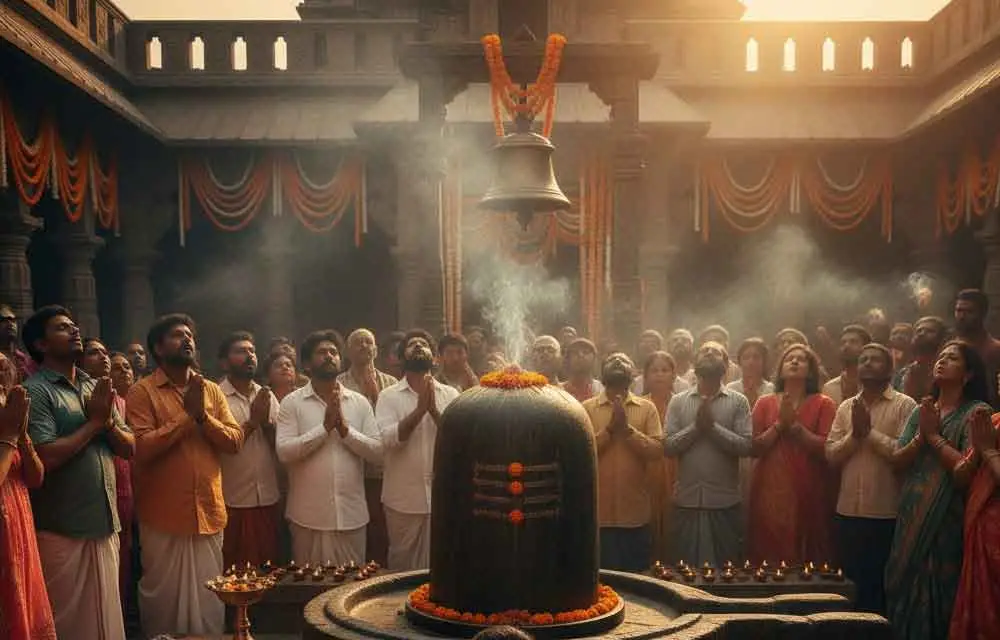
Ghatotkacha: The Unsung Hero of the Mahabharata
Devotion, Sacrifice & Divine Strategy from a Rakshasa Warrior Introduction In the divine epic of the Mahabharata, while names like Arjuna, Bhima, and Lord…

Devotion, Sacrifice & Divine Strategy from a Rakshasa Warrior Introduction In the divine epic of the Mahabharata, while names like Arjuna, Bhima, and Lord…
Devotion, Sacrifice & Divine Strategy from a Rakshasa Warrior
Introduction
In the divine epic of the Mahabharata, while names like Arjuna, Bhima, and Lord Krishna shine brightly, another mighty soul deserves heartfelt reverence—Ghatotkacha, the half-Rakshasa son of Bhima and Hidimba. His extraordinary strength, unwavering loyalty, and supreme sacrifice played a crucial role in securing the Pandavas’ victory.
At Hindutone, we delve deep into this spiritually rich tale—exploring how Ghatotkacha’s actions, driven by dharma and divine purpose, made him the true hero in Lord Krishna’s eyes.
The Divine Birth: Ghatotkacha’s Rakshasa Lineage
A Union of Strength and Devotion
After escaping the burning Lakshagriha, the Pandavas found refuge in the Kamyaka forest. There, Bhima encountered Hidimba, a Rakshasi whose heart softened in love and devotion. Defying her brother Hidimb, she chose dharma over destruction. With Kunti’s blessings, Bhima married Hidimba, and from their sacred union was born Ghatotkacha.
His name, meaning “bald-headed pot,” reflected his unique appearance—but behind the name was a soul of immense strength and a heart full of bhakti (devotion). Raised among Rakshasas, he mastered mystical warfare, illusion (maya), and supernatural combat.
Spiritual Insight: Ghatotkacha’s mixed heritage shows that devotion to dharma transcends birth or caste. Even those born in darkness can shine with divine purpose.
Devotion to the Pandavas and Krishna
Despite his Rakshasa roots, Ghatotkacha was deeply loyal to the Pandavas. He revered Krishna as the Supreme Being (Vishnu Avatara) and served his father Bhima and uncles with pure devotion. During their exile, he offered shelter and aid, never hesitating to protect them.
Bhakti Lesson: Loyalty is not defined by blood but by righteousness. Ghatotkacha teaches us to stand with truth, even in the face of destruction.
Kurukshetra’s Turning Point: Ghatotkacha’s Sacrifice
The Night of Terror and Triumph
On the 14th night of the Kurukshetra war, darkness became an ally for Ghatotkacha. At Krishna’s command, he unleashed his maya, horrifying the Kaurava army. Mountains fell, demons flew, illusions raged—Ghatotkacha shattered their confidence and structure.
Seeing no other way, Karna was forced to use his divine weapon—the Shakti Astra, gifted by Indra—which he had saved to kill Arjuna. The weapon struck Ghatotkacha fatally, yet even in death, he grew massive, crushing countless Kaurava soldiers beneath his divine form.
Krishna Smiles
When Ghatotkacha died, Krishna smiled—not in joy, but in reverence. The greatest threat to Arjuna was gone. Ghatotkacha’s death became a divine tactic—his sacrifice saved the hero of the war.
Spiritual Insight: In the Bhagavad Gita, Krishna teaches nishkama karma—action without desire for reward. Ghatotkacha embodies this eternal truth.
Why Krishna Called Ghatotkacha the “True Hero”
- Selfless Devotion: Ghatotkacha knew he might die but still obeyed Krishna without hesitation.
- Strategic Sacrifice: His death forced Karna to waste his one unstoppable weapon.
- Rakshasa Valor for Dharma: He used his asura powers not for chaos, but to uphold dharma.
- Inspiration to All: His story empowers those who fight silently, with no desire for fame.
Divine Reflection: Krishna’s words remind us to see divine value in every role, even those hidden in shadows.
Legacy of an Unsung Hero
Though overshadowed by others in the Mahabharata, Ghatotkacha remains a symbol of:
- Unshakable loyalty
- Courageous sacrifice
- Spiritual equality beyond birth
- Faith in Krishna’s plan
Temples dedicated to him, such as those in Manali, venerate him as a divine guardian—reminding us that every act of devotion is seen by the Divine.
Chant “Jai Ghatotkacha” to honor the spirit of selfless service. Include him in your prayers during Mahabharata path, Shivratri, or Gita Jayanti.
Devotional Lessons from Ghatotkacha
Conclusion: A Hero Worth Remembering
Ghatotkacha was not just a warrior—he was a bhakta, a protector, and a divine instrument in Krishna’s grand design. His life teaches us that those who walk in the light of dharma, even with asura blood, become heroes in the eyes of the Lord.
At Hindutone, we honor Ghatotkacha as an eternal reminder that even those who go unnoticed can change the course of destiny through selfless devotion.
Call to Action
Visit www.hindutone.com for more Hindu mythology, devotional insights, and spiritual stories from epics like the Mahabharata and Ramayana.
Share Ghatotkacha’s tale with others—to honor the silent warriors in your life and celebrate the power of selfless sacrifice.
Frequently Asked Questions
Who were Ghatotkacha's parents?
Ghatotkacha was the half-Rakshasa son of Bhima and Hidimba. Hidimba was a Rakshasi who chose dharma over her brother Hidimb, and Bhima married her with Kunti's blessings.
What does the name Ghatotkacha mean?
His name means "bald-headed pot", reflecting his unique appearance. Behind the name, as commonly told, was a warrior of great strength and deep bhakti.
How did Ghatotkacha die in the Kurukshetra war?
On the 14th night, at Krishna's command, he unleashed his maya on the Kaurava army. Karna was forced to use the Shakti Astra gifted by Indra, which struck him fatally.
Why did Krishna smile when Ghatotkacha died?
As commonly told, Krishna smiled in reverence, not joy. Karna had saved the Shakti Astra to kill Arjuna, so Ghatotkacha's death made him waste his one unstoppable weapon.
Are there temples dedicated to Ghatotkacha?
Yes, temples dedicated to him, such as those in Manali, venerate him as a divine guardian.
How can devotees honor Ghatotkacha?
Devotees chant "Jai Ghatotkacha" to honor selfless service. He can be included in prayers during Mahabharata path, Shivratri or Gita Jayanti.
You might also like
What Does Sarva Mangala Mean? | Significance and Spiritual Meaning in Lalita Sahasranama
Vat Savitri Vrat & Snana Yatra June 29 2026 – Complete Devotional Guide: Savitri’s Story, Rituals & Jagannath Significance
Nirjala Ekadashi June 25 2026 – The King of Ekadashis: Complete Guide with Bhima’s Story, Rituals, Mantras & Benefits