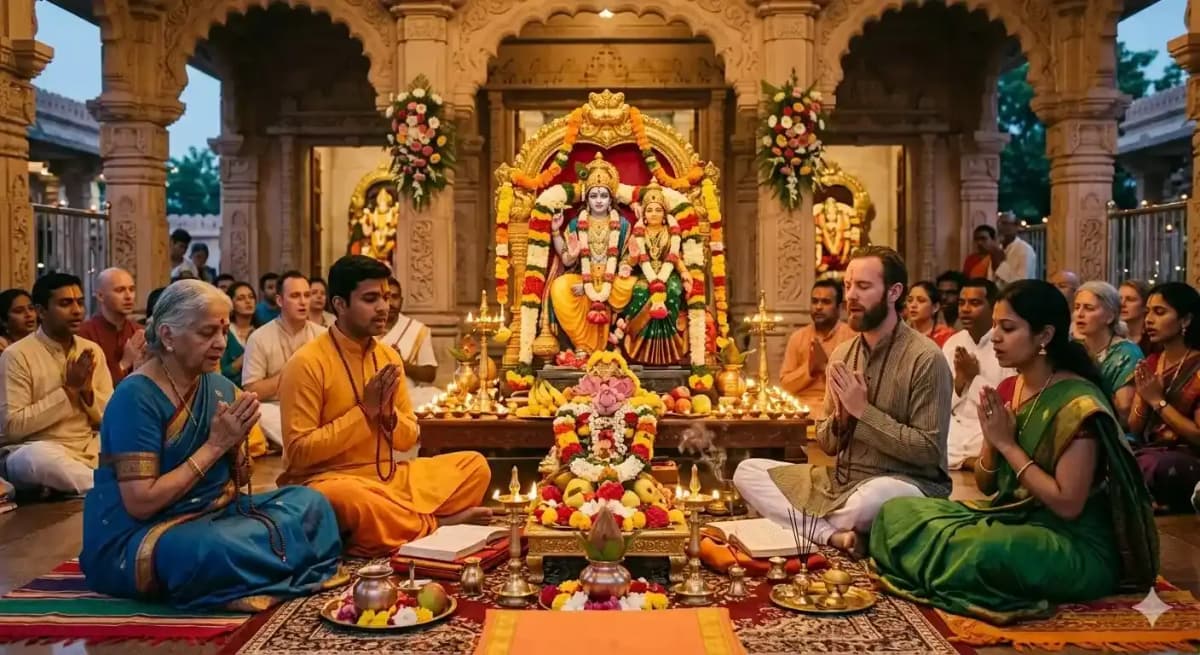
Maha Shivaratri 2026: Grand Celebrations at India's Most Revered Shiva Temples – Srisailam, Srikalahasti, Arunachaleswara, Kashi Vishwanath, Mahakaleshwar, and Kedarnath
By HinduTone Spiritual Festivals Correspondent Published: February 10, 2026 Maha Shivaratri, the Great Night of Lord Shiva, stands as one of Hinduism's most…
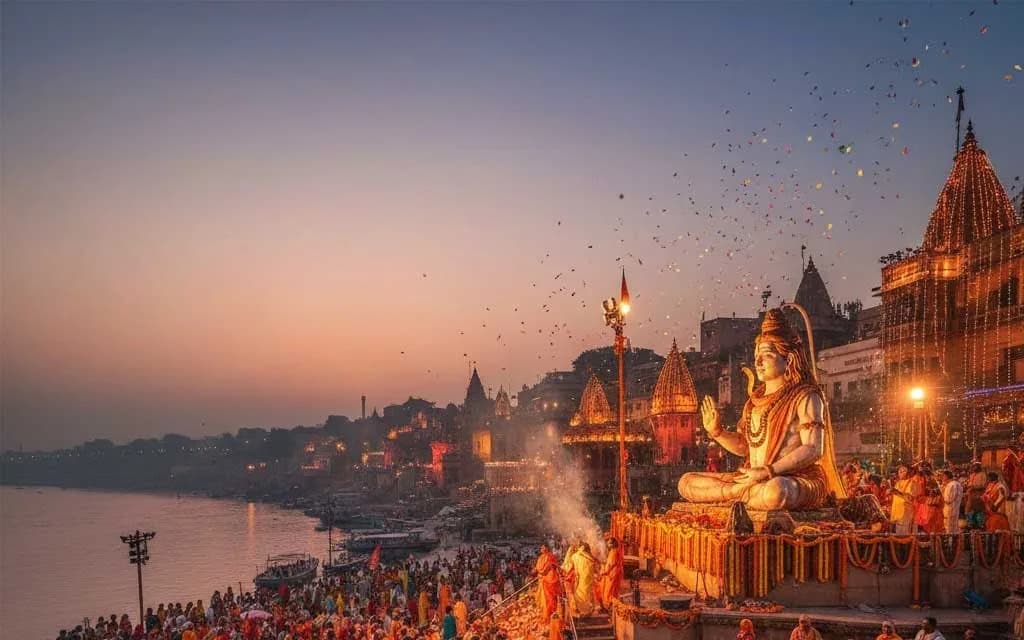
By HinduTone Spiritual Festivals Correspondent Published: February 10, 2026 Maha Shivaratri, the Great Night of Lord Shiva, stands as one of Hinduism's most…
By HinduTone Spiritual Festivals Correspondent Published: February 10, 2026
Maha Shivaratri, the Great Night of Lord Shiva, stands as one of Hinduism's most profound and spiritually charged festivals. Dedicated to Lord Shiva—the destroyer of ignorance, the cosmic dancer, and the ultimate yogi—this auspicious occasion falls on the Krishna Chaturdashi tithi (14th day of the waning moon phase) in the Hindu lunar month of Phalguna. In 2026, Maha Shivaratri is observed on Sunday, February 15, 2026, with Nishita Kaal Puja timings varying slightly by location (typically around midnight to early morning on February 16).
The festival celebrates multiple divine events: Lord Shiva's Tandava (cosmic dance) that maintains universal balance, His marriage to Goddess Parvati, the day He drank the Halahala poison during the Samudra Manthan to protect creation, and the manifestation of the Jyotirlinga—the infinite pillar of light symbolizing Shiva's formless essence. Devotees believe that sincere worship on this night can absolve sins, grant spiritual liberation (moksha), fulfill desires, and bestow Shiva's boundless grace.
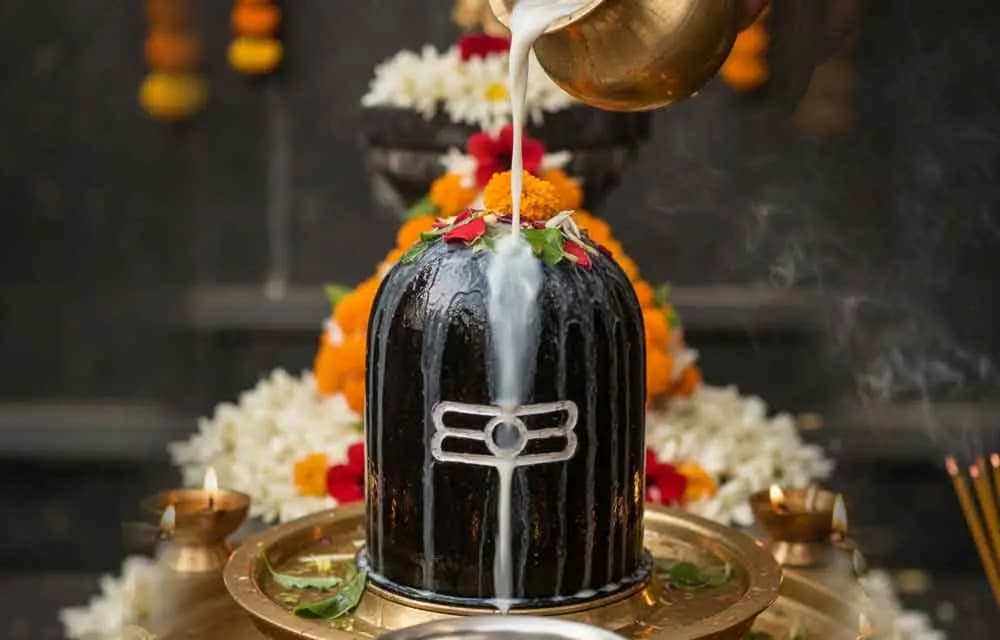
Common observances include a strict fast (often nirjala or fruit-based), night-long vigils (Shivaratri Jagran), chanting of mantras like "Om Namah Shivaya", offering Bilva (Bel) leaves, milk, honey, curd, ghee, and water to the Shivling, and performing Rudrabhishekam. Staying awake through the four praharas (night watches) aligns the devotee with Shiva's eternal consciousness, dissolving ego and awakening inner divinity.
India's premier Shiva temples transform into vibrant hubs of devotion during Maha Shivaratri. Massive crowds gather for special pujas, processions, and abhishekams, each shrine offering a unique expression of bhakti. Here, we detail the celebrations at six iconic temples: Srisailam (Mallikarjuna Jyotirlinga), Srikalahasti, Arunachaleswara (Tiruvannamalai), Kashi Vishwanath (Varanasi), Mahakaleshwar (Ujjain), and Kedarnath.
1. Srisailam Mallikarjuna Temple – 11-Day Maha Shivaratri Brahmotsavam (February 8–18, 2026)
Perched in the lush Nallamala Hills of Andhra Pradesh, Srisailam is both a Jyotirlinga (Mallikarjuna Swamy) and a Shakti Peetha (Bhramaramba Devi), making it a powerful confluence of Shaiva and Shakta traditions. The temple's Maha Shivaratri Brahmotsavams 2026 run from February 8 to February 18, an 11-day extravaganza drawing lakhs of pilgrims daily.
The festival begins with Dhwajarohanam (flag hoisting) and includes daily Vahana Sevas—processions of the deity on divine vehicles like Brungi, Hamsa, Gaja, and the majestic Nandi Vahana. On February 15 (Maha Shivaratri), the peak day features Prabhotsavam, elaborate Nandi Vahana Seva, Lingodbhava Kala Mahanyasa Purvaka Rudrabhishekam (symbolizing Shiva's emergence as Jyotirlinga), and the celestial Kalyanotsavam (divine wedding of Shiva and Parvati). Thousands participate in group Rudrabhishekam with Bilva leaves and special archana.
Authorities report heavy footfall—around one lakh devotees daily—with enhanced crowd management, medical aid, and sanitation. Giripradakshina around the hills adds to the spiritual intensity. Srisailam's blend of devotion, nature, and ritual makes it ideal for protection, prosperity, and moksha.
2. Srikalahasti Temple – 13-Day Brahmotsavam with Lingodbhava Darshan (February 10–23, 2026)
As one of the Pancha Bhoota Sthalas (representing Vayu/Air) and the site of Kannappa's legendary eye-offering, Srikalahasti (near Tirupati, Andhra Pradesh) is revered as "Dakshina Kailasam." The Maha Shivaratri Brahmotsavams 2026 span February 10 to February 23, a 13-day celebration rich in tradition.
Key events include Bhakta Kannappa Deeksha Vidharanam, Dwajarohanam, and daily Vahana Sevas like Bhootha Shuka, Vrushabha, Surya, and Nandi Seva. On February 15, continuous Maha Rudrabhishekam, Bilva archana (with 108/1008 leaves), and all-night jagran take place. The highlight is Lingodbhava Darshan (early morning February 16, 2 AM–6 AM), where the Shivling is worshipped in its emergent form, attracting 1.5–3 lakh devotees.
The temple's unique Rahu-Ketu pooja enhances astrological benefits, making it perfect for liberation from doshas and sins.
3. Arunachaleswara Temple, Tiruvannamalai – Girivalam and Night-Long Pujas
The Arunachaleswara Temple (Tamil Nadu) embodies the Agni (fire) element of Pancha Bhoota Sthalas, with Arunachala Hill considered Shiva incarnate. Maha Shivaratri here centers on Girivalam—the 14-km barefoot circumambulation of the hill—performed by lakhs throughout the day and night.
The temple opens fully all night with four kala pujas (starting around 7:30 PM), Laksharchana (offering 100,000 names), abhishekam, and special alankaram. Devotees meditate at ashrams like Ramana Maharshi's, chant mantras, and experience profound inner stillness under Arunachala's gaze. This practice is said to dissolve karma and foster self-realization.
4. Kashi Vishwanath Temple, Varanasi – Shiv Baraat and Eternal Vigil
In Varanasi (Kashi), Lord Vishwanath (a Jyotirlinga) is worshipped as the eternal guardian of moksha. On February 15, 2026, the city sees over a million devotees, with queues stretching hours at Kashi Vishwanath.
The iconic Shiv Baraat—Lord Shiva's wedding procession—starts from various temples and moves through streets with music, dance, and fervor. The temple remains open 24 hours for Rudrabhishekam, milk abhishekam, Bilva offerings, and extended aartis. Pre-dawn Mangala Aarti adorns the Shivling as the divine groom.
Along the ghats, vigils and chants create an unmatched spiritual atmosphere, ideal for ancestral peace and liberation.
5. Mahakaleshwar Temple, Ujjain – 9-Day Shiv Navratri and Bhasma Aarti
Mahakaleshwar (Madhya Pradesh), the unique south-facing Jyotirlinga, celebrates Shiv Navratri leading to Maha Shivaratri. Festivities begin around February 6, with daily shringaar (decorations) of Lord Mahakal.
Highlights include Bhasma Aarti (using sacred ash at ~4 AM, symbolizing impermanence), Sehra Darshan, and vivah rituals. The Mahakal Lok corridor handles massive crowds for darshan. Ujjain, a moksha puri, emphasizes mastery over time and karma dissolution.
6. Kedarnath Temple – Winter Seat Celebrations at Ukhimath
The Himalayan Jyotirlinga Kedarnath remains snowbound in winter. On Maha Shivaratri 2026 (February 15), devotees celebrate at the winter abode in Ukhimath (Omkareshwar Temple) with special prayers, abhishekam, and vigils.
The opening date for summer 2026 (tentatively April 22) is announced on this day. Faith persists through remote worship or nearby shrines.
Spiritual Essence and Observance Tips
Maha Shivaratri awakens the divine within, purifying mind and soul. Fast (avoid tamasic foods), perform home/temple puja with Bilva leaves, chant mantras, and meditate. May Lord Shiva grant peace, enlightenment, and grace to all this sacred night.
For deeper insights:
- Top 10 Lord Shiva Temples 2026: Jyotirlingas & Sites
- Maha Shivaratri 2026: Great Night of Shiva – Significance, Fasting, Rituals and Devotional Practices
Frequently Asked Questions
Where is Maha Shivaratri located?
By HinduTone Spiritual Festivals Correspondent Published: February 10, 2026 Maha Shivaratri , the Great Night of Lord Shiva, stands as one of Hinduism's most profound and spiritually charged festivals. Dedicated to Lord Shiva —the destroyer of ignorance, the cosmic dancer, and the ultimate yogi—this auspicious occasion falls on the Krishna Chaturdashi tithi
Who is the presiding deity of Maha Shivaratri?
The presiding deity is Lord Shiva.
What are the timings and how do I reach Maha Shivaratri?
Temples typically open early morning and evening; confirm current darshan timings before visiting. The nearest airport, railway station and road routes are covered in the guide above.
What is the best time to visit Maha Shivaratri?
Major festival days and the cooler months are popular, though weekday mornings offer a calmer darshan. Plan around the temple's key festivals for the most vibrant experience.
You might also like
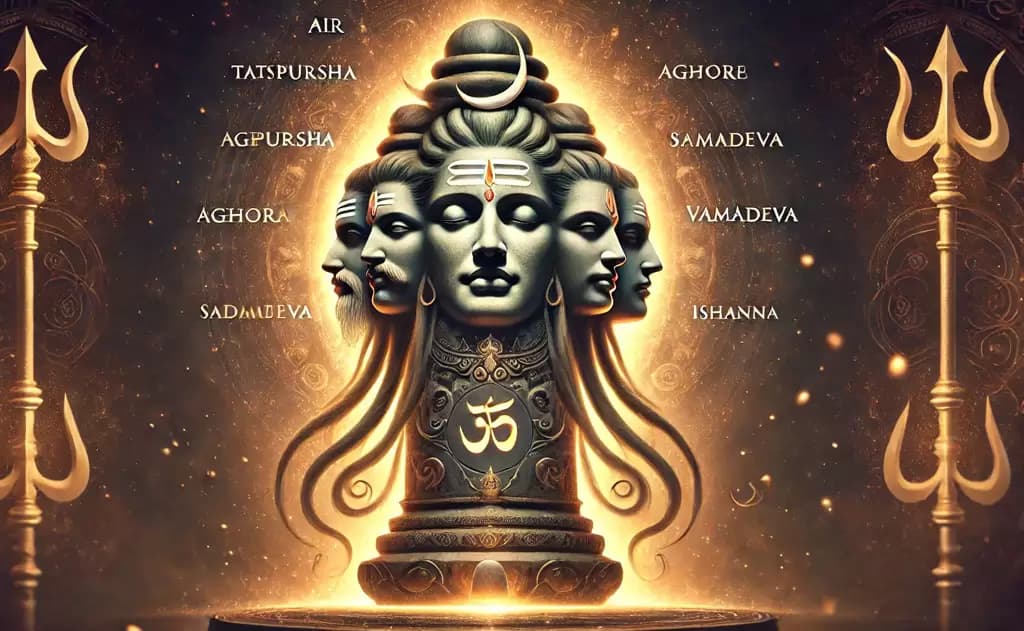
Shiva Vrats of June 2026: Kalashtami (June 8) & Masik Shivaratri (June 13)
Lord Shiva: The Three Faces NRI Devotees Should Know in 2026
Maha Shivratri 2026: Complete Puja Guide with Mantras, Four Prahara Vigil & Fast Rules