
16 Samskaras
10 articles
The Samskaras are the sacred rites of passage that mark the key moments of a Hindu life, from before birth to the final journey. Tradition commonly speaks of sixteen, the Shodasha Samskaras, though the list and the way they are performed differ between regions, communities and family lineages.
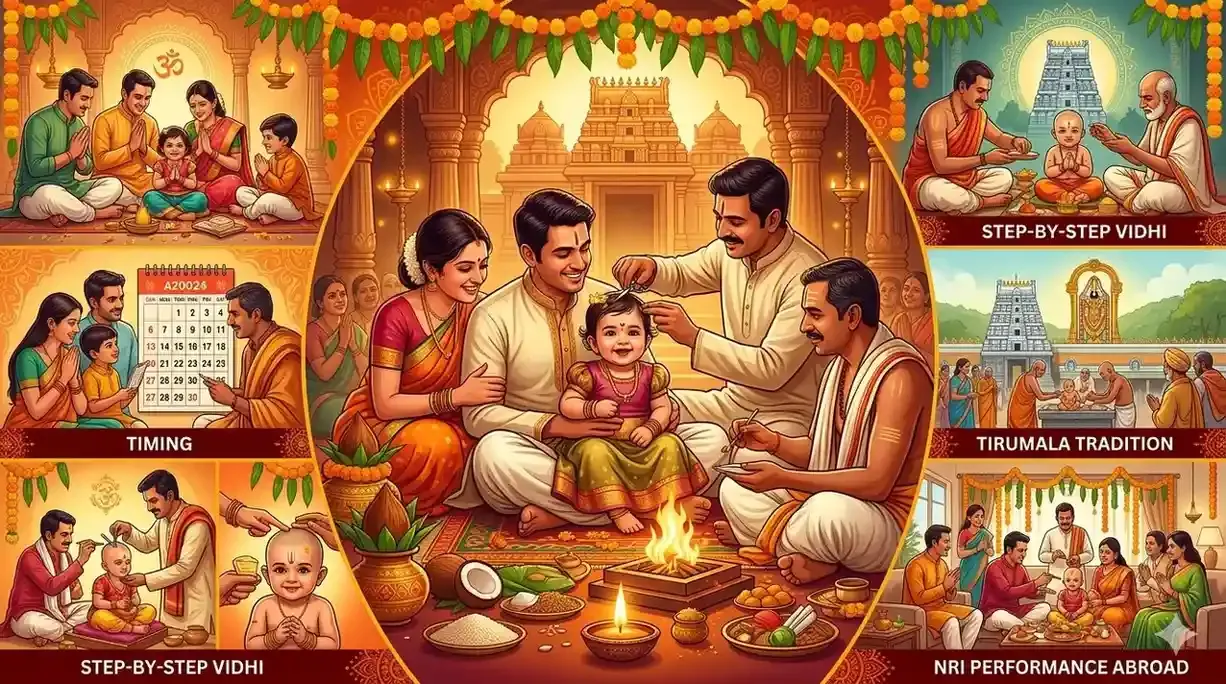
They include ceremonies such as Namakaranam (naming), Annaprashana (first solid food), Mundan or the first haircut, Vidyarambham, Upanayanam (Sacred Thread), Vivaha or marriage, and the Antyeshti, the last rites, which are followed by observances such as Shraddha and Tarpanam. Devotees understand the samskaras as a way of sanctifying each stage of life and connecting the individual to family, community and dharma.
On this page you will find explanations of each samskara and its meaning, how families commonly observe them today in India and abroad, articles on Hindu Wedding Rituals and naming traditions linked to Hindu Baby Names, and guidance on finding a priest and preparing as a family.
Start Here


Latest Articles
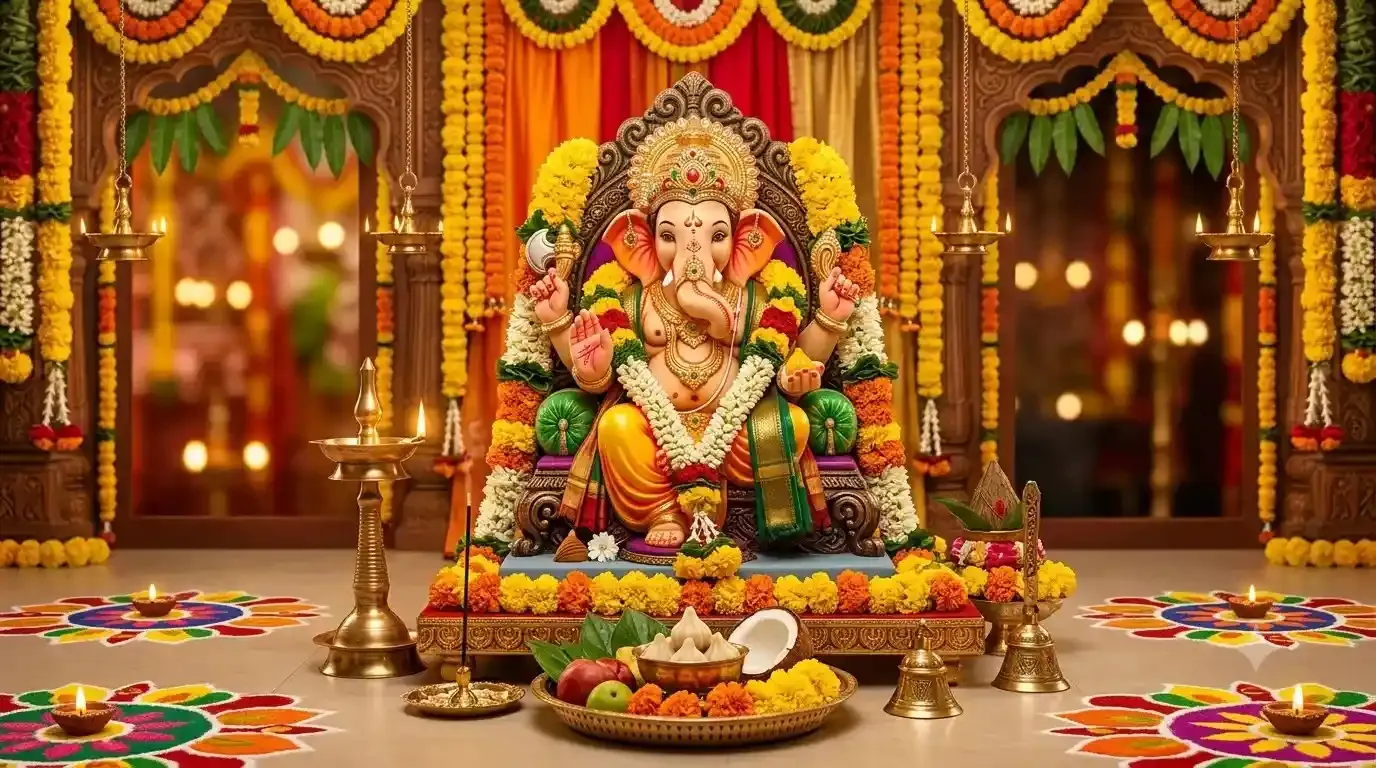
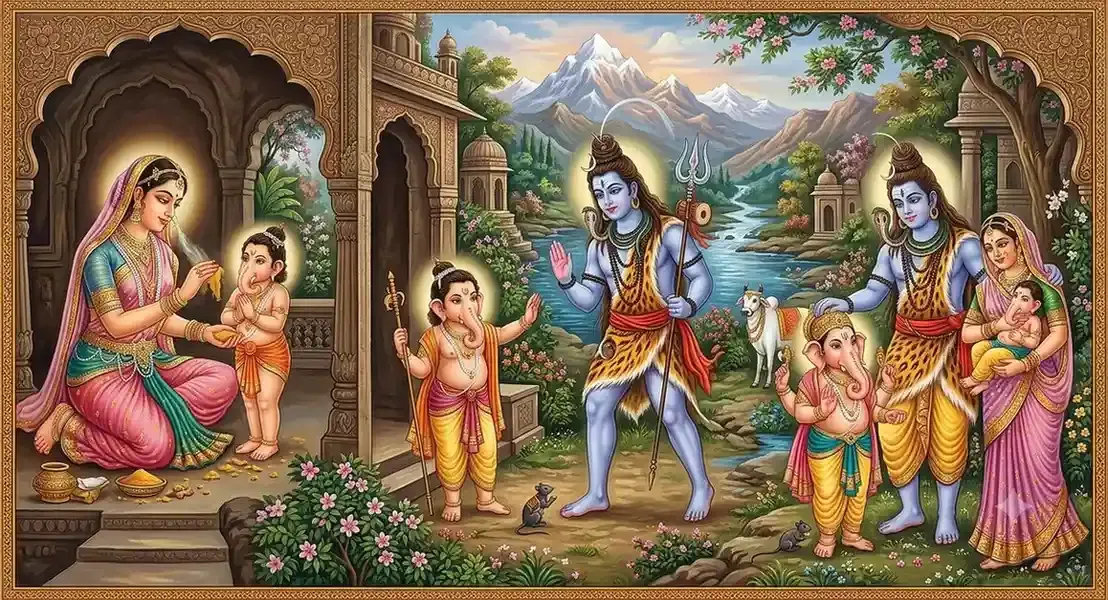
Ganpati Navaratri: Upasana and Samskara Through the Days of Ganeshotsav
Ganeshotsav is more than a party. Treated as a nine-day Ganpati Navaratri, it becomes a period of upasana (close…
Shanka Chakra Ankita Ritual — Vaikhanasa Agama Prenatal Samskara for Future Priests
Devotional explanation of Shanka Chakra Ankita (Vishnu-Bali) — the Vaikhanasa prenatal samskara performed in the…

Sarpa Samskara at Kukke Subramanya: Step-by-Step Guide
Sarpa Samskara at Kukke Subramanya — the principal Naga ritual for Sarpa/Kaal Sarpa Dosha: when to do it and the…
The 16 Samskaras of Sanatana Dharma — Meaning & Order (NRI Guide)
The Shodasha Samskaras — the sixteen Hindu rites of passage from conception to the final rite: their meaning, order…
FAQs
What are the 16 Samskaras in Hinduism?
The sixteen Samskaras are traditional rites of passage that mark key stages of life, from before birth to after death. Commonly listed ones include Garbhadhana, Pumsavana, Simantonnayana, Jatakarma, Namakarana, Nishkramana, Annaprashana, Chudakarana, Karnavedha, Vidyarambha, Upanayana, Vedarambha, Keshanta, Samavartana, Vivaha and Antyeshti. Lists differ slightly between texts.
Which Samskaras are still commonly performed today?
Most families today perform Namakarana (naming), Annaprashana (first solid food), Chudakarana or mundan (first haircut), Karnavedha (ear piercing), Aksharabhyasam or Vidyarambha, Upanayana in some communities, Vivaha (marriage) and Antyeshti (last rites). Others are often combined or done symbolically, according to family tradition.
Can Samskaras be performed at home?
Many Samskaras, such as naming, first feeding and first letters, are traditionally done at home with a family priest, while others like mundan are often done at a temple or pilgrimage site. Families abroad often combine rituals into one ceremony. Consult your family purohit about the format and an auspicious day.