
Assistant Poojari (22 Positions)
Job Alert: Assistant Poojari (22 Positions) Temple: Sri Venkateswara Swamy Temple, Tirumala (TTD Trust) Location: Tirupati, Andhra Pradesh Application…
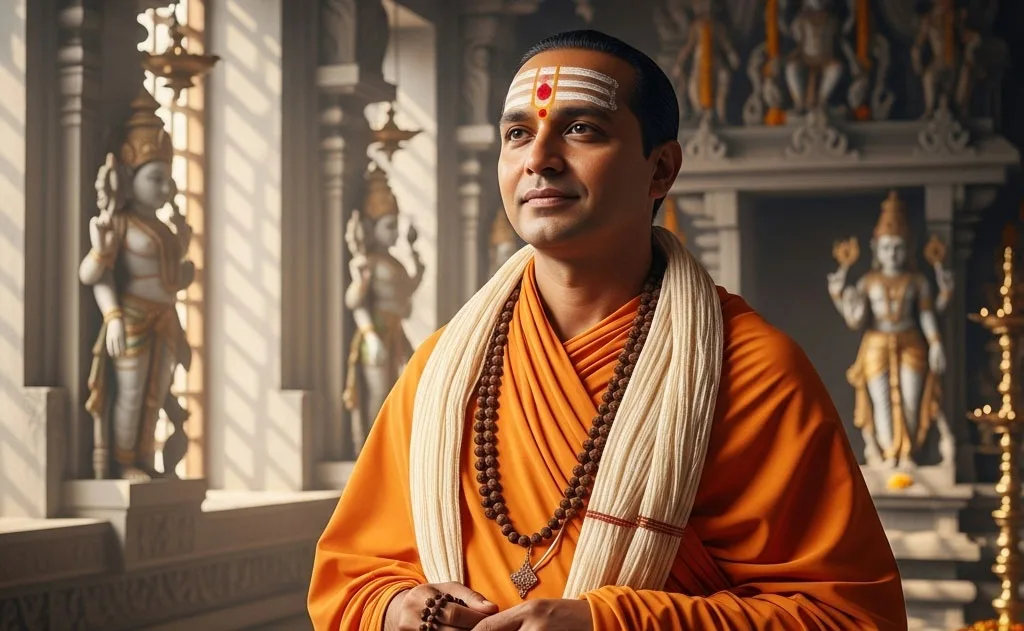
Job Alert: Assistant Poojari (22 Positions)
Temple: Sri Venkateswara Swamy Temple, Tirumala (TTD Trust)
Location: Tirupati, Andhra Pradesh
Application Deadline: 15 July 2025
Apply Here: TTD Recruitment Portal
Role & Responsibilities
Perform daily archana, suprabhatam, and tomala seva to Lord Venkateswara.
Assist head priest in rituals like kalyanotsavam and brahmotsavam.
Manage devotees during darshan, offer prasadam, and maintain garbhagriha sanctity.
Follow Pancharatra Agama traditions strictly.
Requirements
Age: 21–35 years.
Education: Formal training from a recognized Gurukul or priest school (certificate required).
Skills: Fluency in Telugu/Sanskrit, knowledge of Vedic mantras.
Experience: 2+ years in temple rituals (volunteer work accepted).
Physical Fitness: Ability to stand for 5+ hours and observe ritual fasts.
Salary & Benefits
Monthly Pay: ₹18,000 + allowances (₹22,000 total).
Accommodation: Free dormitory-style housing near temple.
Additional: Subsidized meals, pilgrimage allowances, retirement benefits.
Certification Advantage
Preference for candidates certified by:
TTD’s Archaka Training School (Renigunta).
Kendriya Hindu Parishad (Delhi).
How to Apply
Step 1: Download application form here.
Step 2: Submit with:
Birth certificate + priest training diploma.
2 passport photos.
Community elder/current temple reference letter.
Step 3: Mail to:
*The Executive Officer,
TTD Recruitment Cell,
Tirumala-517504, AP.*
Important Notes for Devotees
No application fee – Beware of scams.
Women encouraged: 5 seats reserved for female archakas.
Volunteer Pathway: Current TTD sewaks get priority.
Exam Date: Written test on Vedic rituals + interview (Aug 2025).
Why This Matters
“Serve the Divine directly at India’s richest temple! TTD offers stability, devotion-led work, and spiritual growth under revered acharyas.”
What is the Pancharatra Agama tradition that governs worship at Tirumala?
The Tirumala Tirupati Devasthanams (TTD) follows the Pancharatra Agama, one of the two principal Vaishnava Agamic systems — the other being the Vaikhanasa Agama. The Pancharatra tradition derives its authority from a body of texts known as the Pancharatra Samhitas, of which the Sattvata Samhita, Paushkara Samhita, and Jayakhya Samhita are considered the three foundational 'ratna-traya' works. These texts prescribe precise rules for temple construction (pratishtha), image consecration (kumbhabhisheka), daily worship cycles (nitya-krama), and festival observances (utsava-krama).
An Assistant Poojari at Sri Venkateswara Swamy Temple is therefore not simply a ritual helper but an initiated functionary within a living scriptural tradition. Every seva — from the pre-dawn Thiruvanandal to the night-time Ekanta Seva — is choreographed according to Agamic injunction, and deviating from the prescribed sequence is considered an offence requiring expiation (prayaschitta). Candidates who have trained in a Gurukul aligned with the Pancharatra system will find their knowledge directly applicable from day one.
What are the major sevas an Assistant Poojari will participate in at Tirumala?
Sri Venkateswara Swamy Temple conducts a rigorously timed schedule of sevas every single day of the year, beginning with Thiruvanandal (the ritual awakening) at around 3:00 AM and closing with Ekanta Seva late at night. The celebrated Suprabhatam seva — during which the Venkateswara Suprabhatam composed by Prativadi Bhayankara Annangaracharya in the 15th century is recited — takes place before dawn and draws thousands of waiting pilgrims. The Thomala Seva that follows adorns the deity with fresh flower garlands, requiring archakas skilled in both floral arrangement and the recitation of the Divya Prabandham hymns of the Alvar saints.
Periodic utsavas demand additional preparation and stamina. The Brahmotsavam, celebrated for nine days each year (typically in September), involves elaborate processions of the deity on vahanas such as Garuda, Hanumanta, and the Golden Chariot (Swarna Rathotsavam). Kalyanotsavam, a daily re-enactment of the celestial wedding of Lord Venkateswara with Sri Padmavathi, is performed multiple times a day for pilgrim groups. An Assistant Poojari must be conversant with the Vedic hymns (particularly selections from the Rig Veda Samhita and the Taittiriya Upanishad) chanted during these occasions, as well as the Sanskrit Vishnu Sahasranama and Tamil Prabandham verses.
How does the TTD Archaka Training School at Renigunta prepare candidates?
The TTD Archaka Training School, located in Renigunta (approximately 15 kilometres from Tirupati city), runs structured residential programmes that combine scriptural study with practical ritual apprenticeship. The curriculum covers Vedic chanting (particularly Taittiriya Shakha of the Krishna Yajur Veda, which is the recension most closely associated with Telugu-region temple worship), Agama shastra, Sanskrit grammar at a functional level, and the physical handling of ritual implements — including the proper preparation of panchamrita, the mixing of vibhuti and kumkum, and the construction of flower mandapas.
Graduates of the Renigunta school receive a diploma that TTD formally recognises in its recruitment process, giving them a measurable advantage over candidates with informal training alone. Aspiring applicants who have not yet attended may consider completing at least a short-term certificate course before the August 2025 examination date, as the written test is known to include questions drawn directly from Agama texts and the prescribed ritual manuals used in the school's syllabus.
What is the historical and spiritual significance of serving at Sri Venkateswara Swamy Temple?
Sri Venkateswara Swamy Temple on Tirumala Hill, situated at an elevation of approximately 853 metres in the Seshachalam range of Andhra Pradesh, is referenced in medieval texts including the Varaha Purana and the Bhavishyottara Purana, which speak of the hill as Venkatadri and the deity as Srinivasa — a form of Mahavishnu who descended to the Kali Yuga to grant liberation to devotees easily. The Divya Prabandham of the Tamil Alvars, particularly the Thiruvoimozhi of Nammalvar and the hymns of Thirumangai Alvar, celebrate this kshetra as one of the 108 Divya Desams, making it sacred within both the Sanskrit Agamic tradition and the Tamil Vaishnava Bhakti canon.
For an archaka, service here carries the weight of an unbroken lineage. Inscriptions from the Vijayanagara period (14th–16th centuries) found on the temple walls record the names of priest families and the sevas they were entrusted with — a testimony to the continuity of ritual service across centuries. Working as an Assistant Poojari at Tirumala is thus understood within the tradition not merely as employment but as kainkarya, selfless service to the Divine, which the Vaishnava Acharya Ramanuja elevated to the highest form of devotion in his Sri Bhashya commentary on the Brahma Sutras.
What should female candidates know about the five reserved seats for women archakas?
TTD's decision to reserve five seats for female archakas in this recruitment cycle reflects a broader policy shift that the trust has been implementing since the early 2020s, responding to both social equity considerations and scriptural precedent — several Agamic texts, including passages within the Hayashirsha Pancharatra, acknowledge the role of female ritualists (deva-dasis in the classical sense of temple servants, distinct from later distortions of that institution) in temple worship contexts.
Female candidates applying for these reserved positions must meet the same age, educational, and physical fitness criteria as all other applicants. The five designated positions will likely be assigned to sevas that are structurally compatible with Agamic rules governing access to the garbhagriha (inner sanctum), and selected candidates may initially assist in outer-prakara (outer courtyard) rituals and festival sevas. Women with training from recognised Gurukuls or certification from the Kendriya Hindu Parishad in Delhi are particularly encouraged to apply, as TTD has stated preference for formally certified candidates across all categories.
How can current TTD sewaks and volunteers strengthen their application?
TTD administers one of the largest temple volunteer ecosystems in the world, with thousands of registered sewaks assisting in crowd management, prasadam distribution, and subsidiary sevas throughout the year. The recruitment notice explicitly grants priority consideration to these sewaks, recognising that hands-on experience within Tirumala's operational environment — learning the geography of the temple complex, the flow of darshan queues, and the rhythm of the seva schedule — constitutes practical preparation that classroom training alone cannot replicate.
Volunteer sewaks wishing to transition into paid archaka roles should ensure their service records are current and formally acknowledged by their respective TTD department supervisors before applying. A reference letter from a current serving priest or a senior TTD official (beyond the standard community elder letter) can meaningfully strengthen an application. Additionally, using the months before the August 2025 written examination to revise the Vishnu Sahasranama, the Purusha Sukta and Sri Sukta from the Rig Veda, and the daily Agamic worship sequence will directly improve performance in both the written and oral interview components of the selection process.
Frequently Asked Questions
What was the salary for the Assistant Poojari posts at Tirumala?
The monthly pay was ₹18,000 plus allowances, totalling ₹22,000. Benefits also included free dormitory-style housing near the temple, subsidized meals, pilgrimage allowances and retirement benefits.
What were the eligibility requirements for Assistant Poojari at TTD?
Applicants had to be 21 to 35 years old with formal training from a recognized Gurukul or priest school, fluency in Telugu or Sanskrit, and knowledge of Vedic mantras. Two or more years of temple ritual experience was needed, and volunteer work was accepted.
Were seats reserved for women archakas?
Yes, 5 of the 22 positions were reserved for female archakas. Current TTD sewaks also received priority.
What documents were required to apply?
Applicants submitted a birth certificate, a priest training diploma, 2 passport photos and a reference letter from a community elder or current temple. The application was mailed to The Executive Officer, TTD Recruitment Cell, Tirumala-517504, AP.
Was there an application fee for the TTD poojari recruitment?
No, there was no application fee, and candidates were warned to beware of scams. The 15 July 2025 deadline has already passed.
Which training certificates were preferred for Tirumala archaka roles?
Preference went to candidates certified by TTD's Archaka Training School in Renigunta or the Kendriya Hindu Parishad in Delhi. The selection included a written test on Vedic rituals and an interview in August 2025.
Share this with family and friends
Send it on WhatsApp, post it, or copy the link.
More from Temple Jobs
- Thavil Musician (Religious Worker) — Liverpool Ganesh Temple (Liverpool Ganesh Trust), Merseyside 2026
- Sthapathi (temple sculptor, Religious Worker), 2 posts — Liverpool Ganesh Temple (Liverpool Ganesh Trust), Merseyside 2026
- Nathaswaram Musician (Religious Worker) — Liverpool Ganesh Temple (Liverpool Ganesh Trust), Merseyside 2026
- Madapalli Priest (temple kitchen, Religious Worker) — Liverpool Ganesh Temple (Liverpool Ganesh Trust), Merseyside 2026
- Minister of Religion – Hindu Priest — Liverpool Ganesh Temple (Liverpool Ganesh Trust), Merseyside 2026
You might also like
Vault Ritual Assistant (Kallara B1/B2 Specialist)
TTD Recruitment 2026: 14 Civil Assistant Surgeon Posts, Last Date 5 November
Assistant Facility Attendant (Auditorium and Kitchen Support) — Hindu Temple of Minnesota (Hindu Society of Minnesota), Minnesota 2026
