Rameswar Temple (Rameshwar Deula), Bhubaneswar
Shiva (as Rameswara), with an image of Durga in the sanctum temple · Bhubaneswar, Khordha, Odisha, India
The Rameswar Temple, also called Rameshwar Deula or the Mausima temple, is a Shiva temple in Old Town Bhubaneswar, Odisha. It stands on the road between Kalpana Square and the Lingaraj temple, near the square now known as Mausima Chowk.
The temple is best known as the destination of the Rukuna Rath Yatra, the annual chariot festival of Lord Lingaraj held at Ashokashtami in the month of Chaitra. Tradition regards Rameswar as the abode of Lingaraj's mausima, his maternal aunt, which gives the temple its popular name.
Faith & Tradition
Religious Significance of Rameswar Temple (Rameshwar Deula), Bhubaneswar
According to a legend recorded by Visit Bhubaneswar, the city's tourism portal, Rama and Sita stopped at Ekamra Kshetra (old Bhubaneswar) on their way back to Ayodhya after the defeat of Ravana. Sita wished to worship Shiva, so Rama established a linga here, which is why the deity is called Rameswara. Visit Bhubaneswar adds that three temples across the road are dedicated to Rama's brothers Lakshmana, Bharata and Shatrughna.
The Indira Gandhi National Centre for the Arts (IGNCA) documentation of the monument describes it as a living temple: the sanctum holds a Shiva linga set in a circular chlorite yonipitha, and an image of the goddess Durga is also worshipped inside. The same record ties the temple to Rama Navami, Ashokashtami and the Rukuna Ratha car festival of Lingaraj in Chaitra.
During the Rukuna Rath Yatra the festival images of Lingaraj are brought from the Lingaraj temple to Rameswar in a large chariot. Orissa POST reports that the chariot travels about 2.5 km along Ratha Road, carrying bronze images of Chandrasekhar (representing Lingaraj), Devi Rukuna and Ananta Basudev. Visit Bhubaneswar says the deities stay at Rameswar for four days and return on the fifth.
Heritage
History of Rameswar Temple (Rameshwar Deula), Bhubaneswar
Sources differ on the temple's age. Wikipedia and Visit Bhubaneswar place its origin in the 9th century, the portal attributing it to the early Somavamsi period. The IGNCA documentation, prepared under the national monument documentation programme and drawing on Orissa archaeology literature, instead assigns the present building on architectural grounds to the early 12th century, in the late Somavamsi period, and compares it with the Siddhesvara temple in the Mukteshvara group. A 2026 Orissa POST report calls it an 11th-century shrine.
The IGNCA record lists the temple as a protected monument of the Archaeological Survey of India, with the Lingaraja temple management also connected with it. It notes that the detached jagamohana (front hall) was added later than the main tower.
Architecture and sacred features
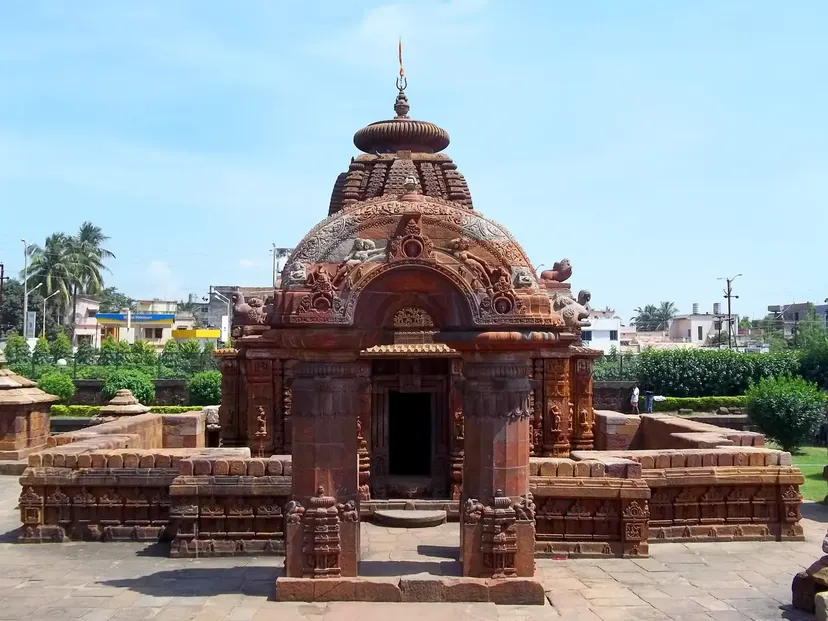
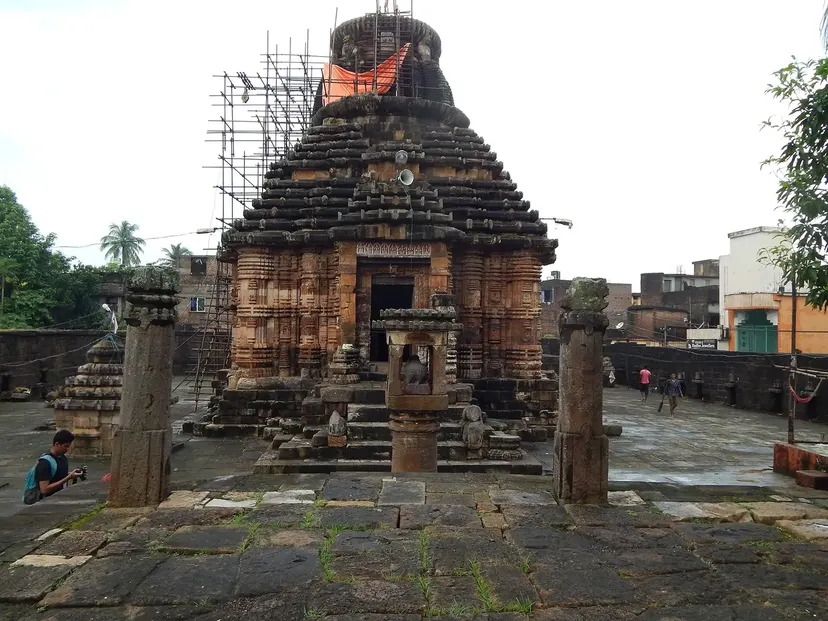
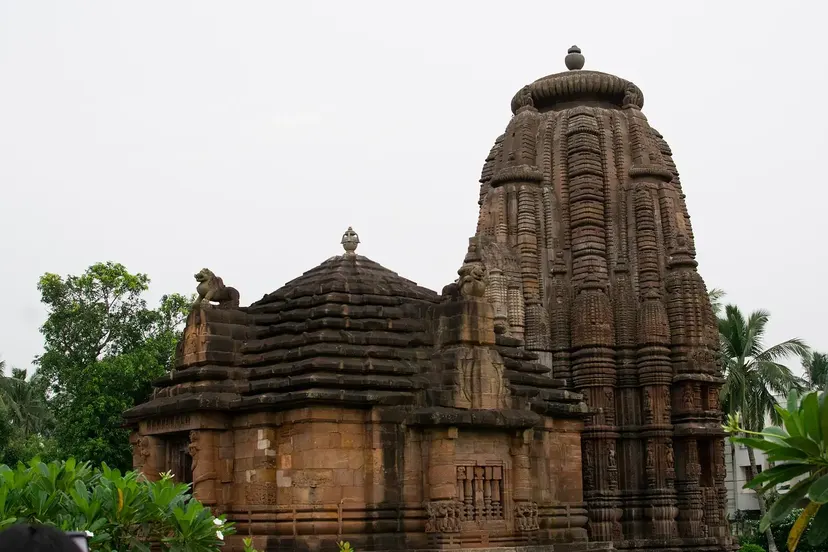
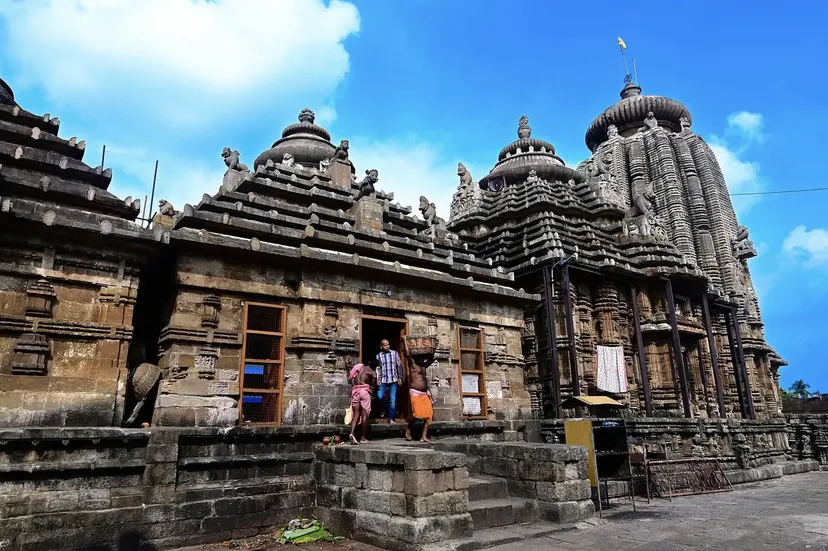
Rameswar is a rekha deula, the curvilinear-towered type of Kalinga temple familiar from the Lingaraj temple. According to the IGNCA record, the sandstone vimana faces east, is pancharatha (five projections) in plan and panchanga (five-part) in elevation, and is built of dry ashlar masonry. Its tower carries miniature-tower motifs and sculptures of lions and other figures, while the interior is plain.
In front of the tower stands a separate pidha-roofed jagamohana, which the IGNCA record describes as facing west and standing independently of the main temple. The record gives the main temple's approximate size as 10.2 m by 9.75 m, about 14 m high.
Plan Your Visit
Darshan and Visitor Information
Rameswar is an active temple as well as a protected monument, so visitors should follow the customs of the priests and the rules of the Archaeological Survey of India. Ashokashtami brings very large crowds and traffic restrictions on Ratha Road. Confirm current darshan timings and festival dates locally or with the Lingaraj temple administration before visiting.
Timings and arrangements change with seasons and festivals. Confirm current details with Archaeological Survey of India (monument); Lingaraja temple management also associated (per IGNCA) before travelling. Last reviewed 1 November 2026.
Sacred Calendar
Festivals at Rameswar Temple (Rameshwar Deula), Bhubaneswar
Ashokashtami / Rukuna Rath Yatra
The festival images of Lord Lingaraj are pulled in a chariot from the Lingaraj temple to Rameswar, his Mausima's abode, where they stay for four days before returning on the fifth.
Rama Navami
The IGNCA documentation lists Rama Navami among the festivals associated with the temple.
Location
How to Reach Rameswar Temple (Rameshwar Deula), Bhubaneswar
The temple lies on the right side of the road from Kalpana Square towards the Lingaraj temple, according to the IGNCA record. Orissa POST gives the chariot route from the Lingaraj temple to Rameswar as about 2.5 km.
The temple is within Bhubaneswar city, so it can easily be combined with a visit to the Lingaraj temple and the other monuments of Old Town.
Location: Bhubaneswar, Khordha, Odisha, India
More in Hindu temples in Odisha · Shiva (as Rameswara), with an image of Durga in the sanctum temples · Temples in Bhubaneswar (M.Corp.) P.S. Tahasil · Temples in Khordha District
Questions
Rameswar Temple (Rameshwar Deula), Bhubaneswar: Frequently Asked Questions
Why is the Rameswar Temple called the Mausima temple?
Tradition regards it as the home of Lord Lingaraj's maternal aunt (mausima). Lingaraj's festival images visit it every year during the Rukuna Rath Yatra.
What happens at Rameswar during Ashokashtami?
The festival images of Lingaraj are taken in a large chariot along Ratha Road, about 2.5 km, to Rameswar. They stay for four days and return to the Lingaraj temple on the fifth.
What is the legend of the Rameswar Temple?
According to legend, Rama established the Shiva linga here for Sita to worship on their return to Ayodhya after defeating Ravana, which is why the deity is called Rameswara.
How old is the Rameswar Temple?
Sources disagree. Wikipedia and Visit Bhubaneswar say the 9th century, while the IGNCA documentation of the monument dates the present building to the early 12th century.
Which deities are in the sanctum?
A Shiva linga in a circular chlorite base, and an image of the goddess Durga, which is also worshipped.
What style is the temple built in?
It is a Kalinga-style rekha deula with a pancharatha plan, built of sandstone, with a separate jagamohana added later.
Sources and attribution
- Indira Gandhi National Centre for the Arts (documentation of ASI-protected monuments) — Rameswara Temple, Bhubaneswar - documentation sheet OR/KDA/BSR-146
- Visit Bhubaneswar (city tourism portal) — Rameswar Temple
- Incredible India, Ministry of Tourism, Government of India — Asokastami
- Orissa POST — Rukuna Rath Yatra of Lord Lingaraj begins today; 16 platoons deployed
- Wikipedia — Rameshwar Deula
Further reading: Rameswar Temple (Rameshwar Deula), Bhubaneswar on Wikipedia (CC BY-SA 4.0).
Spotted an error? Write to info@hindutone.com — see our editorial policy.