Kachabeswarar Temple, Thirukachur
Shiva (as Kachabeswarar / Virunthittanathar) temple · Thirukachur, Chengalpattu, Tamil Nadu, India
The Kachabeswarar Temple at Thirukachur, a village near Singaperumal Koil in Chengalpattu district of Tamil Nadu, is a Shiva temple praised in the Tevaram. Shiva is worshipped here as Kachabeswarar, and also as Virunthittanathar or Virundeeswarar, 'the Lord who served a meal'. Thevaaram.org names the goddess Umaiyammai; Dinamalar names her Anjanakshi, also called Irulneeki Ambal.
The temple, known in its inscriptions as Thiru-Aalakkoyil ('sacred banyan temple'), is a Paadal Petra Sthalam sung by the saint Sundarar, and it is one of the Thyagaraja shrines of the Thondai Nadu region. It forms a pair with the Marundeeswarar Temple at the foot of the hill to the west, and the two are listed together by the Tamil Nadu Hindu Religious and Charitable Endowments (HR&CE) Department.
Faith & Tradition
Religious Significance of Kachabeswarar Temple, Thirukachur
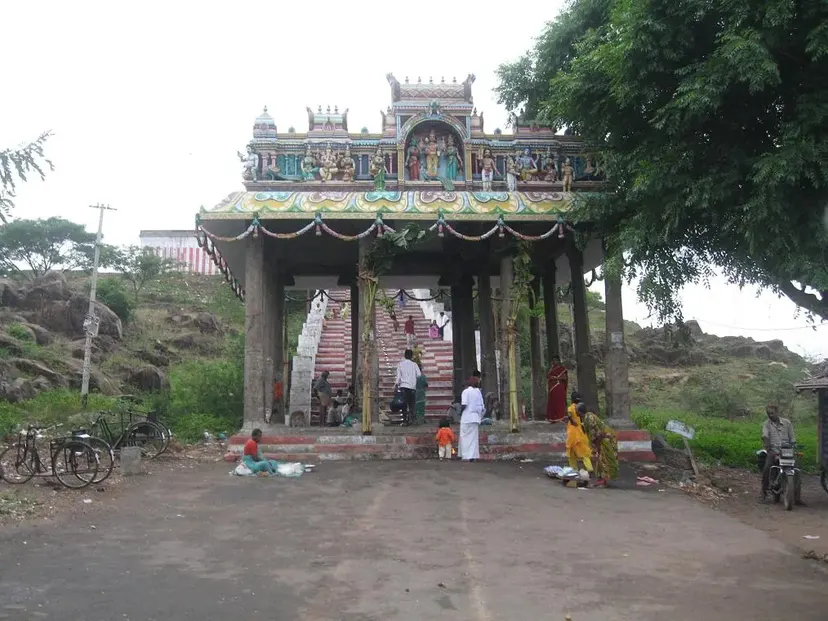
The name Kachur is traditionally derived from kachchapam, the tortoise. Thevaaram.org and Dinamalar record the legend that Vishnu, in his tortoise (Kurma) form during the churning of the ocean of milk, worshipped Shiva here; the place thus became Kachchapa-ur, Kachur, and Shiva became Kachabeswarar. Thevaaram.org adds that the second part of the Tevaram name, Aalakkoyil, comes from the banyan (aal), which is the sacred tree of the temple; the sacred tank is called Koorma Theertham.
The best-known story concerns Sundarar. According to thevaaram.org and Dinamalar, Sundarar arrived here at midday from Thirukazhukundram, hungry and waiting for his companions. Shiva is said to have appeared as an old man, begged cooked rice from the houses of the village, fed the saint and vanished, after which Sundarar sang his hymn on the temple. Wikipedia notes a shrine on the western side depicting Shiva feeding Sundarar, and Sundarar's hymn, as reported by Dinamalar and Wikipedia, gives the Lord the names Virundeeswarar and Iranthitta Eswarar ('he who begged and served').
A third legend, recorded by Dinamalar, tells of medicinal herbs sought by the divine physicians, the Ashwini Devas, to cure Indra; the goddess is believed to have lit up the darkness so that they could find them, which gave her the name Irulneeki Ambal. The name of the nearby Marundeeswarar ('Lord of medicine') temple is linked to this story. The festival image is Amirtha Thyagarajar, for whom the temple's festivals are held, and Dinamalar records the belief that Shiva performed the ajapa dance here as Thyagaraja.
Heritage
History of Kachabeswarar Temple, Thirukachur
Sundarar's 8th-century hymn is the earliest witness to the temple. Thevaaram.org summarises the inscriptions copied here, which are listed in the Annual Report on South Indian Epigraphy for 1909 (Nos. 261–319). They include records of the Chola kings Kulothunga I, Rajadhiraja, Rajaraja and, most numerous, Kulothunga III; of the Pandya kings Jatavarman Sundara Pandya, Maravarman Sundara Pandya and Maravarman Vira Pandya; of the Vijayanagara period; and of the Saluva Narasimha period.
In these records the god is called Thiru-Aalakkoyil Udaiyar, and the village is placed in Sengunra-nadu of Kalathur-kottam in Jayankonda-chola-mandalam; a record of Rajaraja's 14th year gives the village another name, Nithavinodha-nallur. Thevaaram.org notes that a Kulothunga III inscription records the installation of an image of Thirunavukkarasar (Appar) in the temple, that another of his 35th year records a grant of 67 veli of land, and that one inscription mentions a ghatika (assembly of learned men) at Kachur. A further record describes oil-pressers meeting in Kanchipuram and resolving that their Thirukachur members should supply oil for the temple lamps.
Wikipedia, citing the 2003 Census survey of Kancheepuram district temples, says the original complex is believed to have been built by the Cholas and the present masonry structure in the Nayak period of the 16th century. The temple is today administered by the HR&CE Department.
Architecture and sacred features
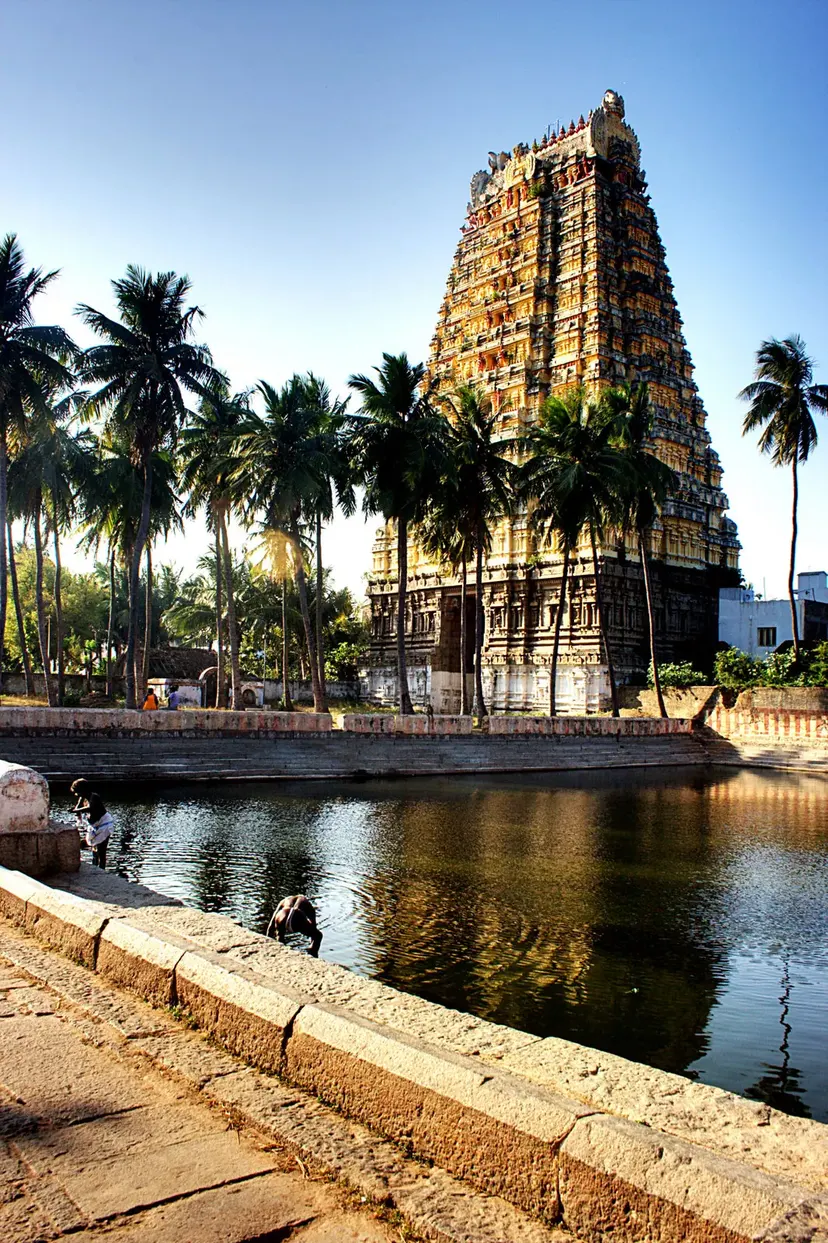
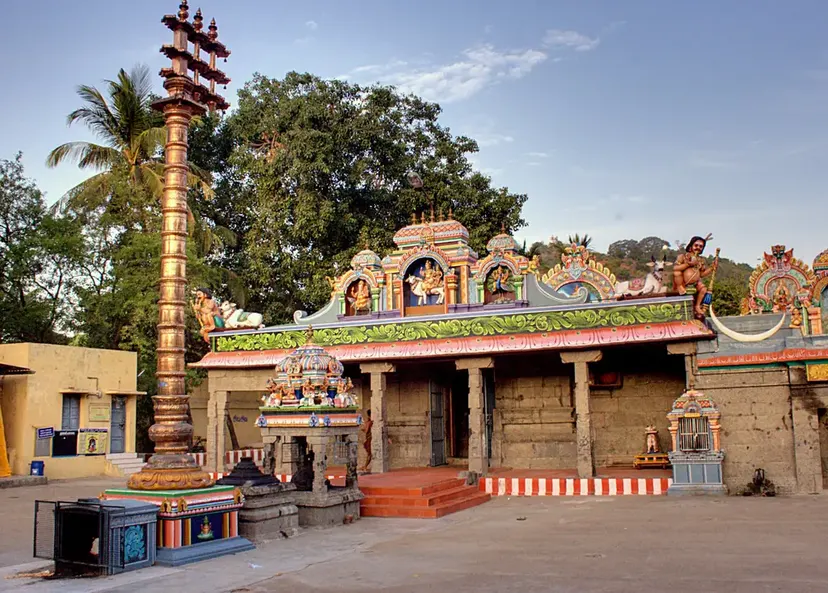
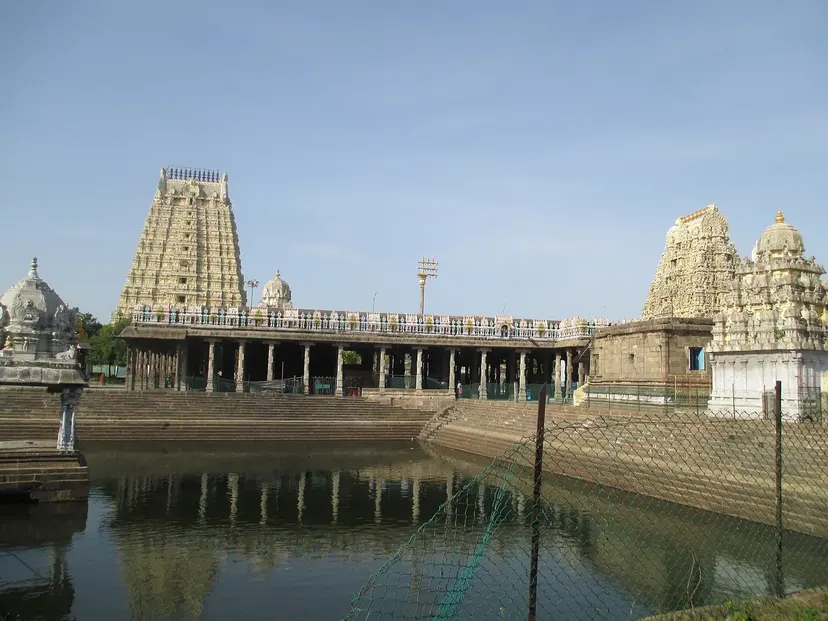
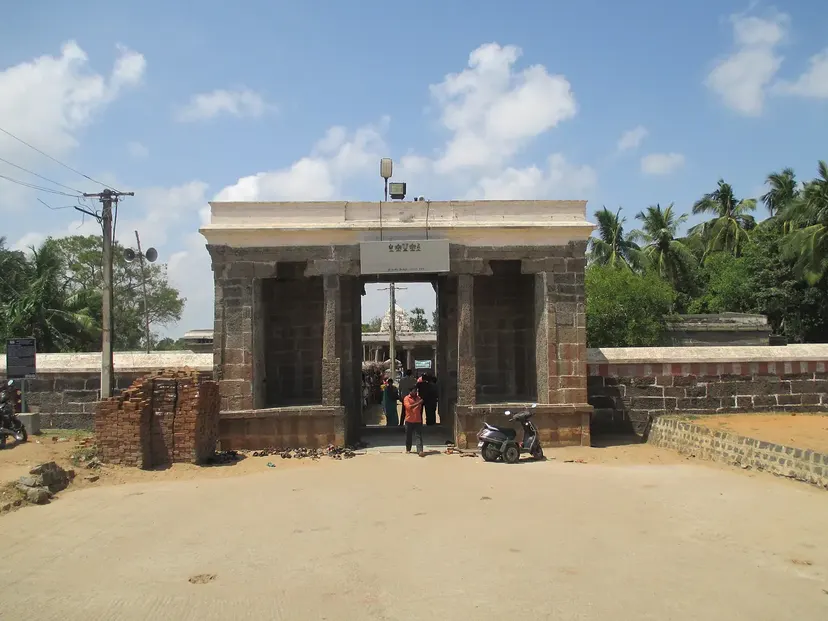
According to Wikipedia, the temple covers about two acres and is entered through a flat gateway; all the shrines are enclosed by concentric granite walls. In front of the gateway stands a sixteen-pillared hall whose sculpted pillars are dated to the 16th century, and the temple tank lies diagonally outside the main entrance. The sanctum, which faces west according to Dinamalar, houses Kachabeswarar as a lingam and is approached through the Thyagaraja shrine beside it; the goddess's shrine also faces west.
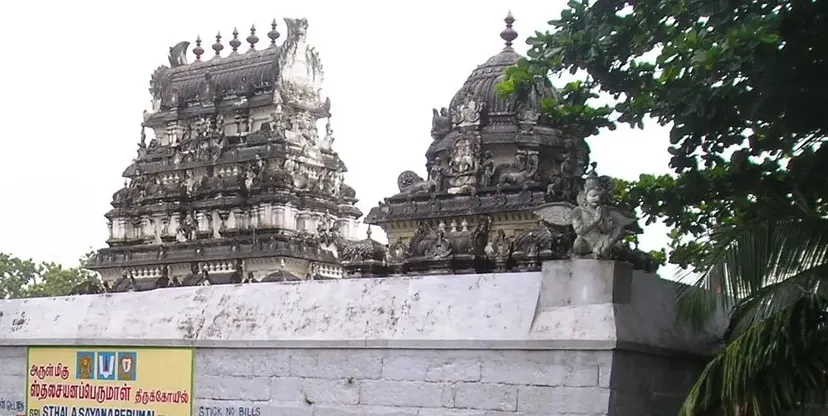
Dinamalar describes the vimana over the sanctum as being in the gajaprishta (elephant-back) style, a four-faced Chandikeswarar (Brahma Chandikeswarar) and a Bhairava shrine side by side in the corridor, and a Sri Chakra in the mandapa in front of the goddess. The usual shrines of Vinayaka, Murugan, the Navagrahas, Chandikeswarar and Durga are found around the main shrine.
Plan Your Visit
Darshan and Visitor Information
Many pilgrims visit both Kachabeswarar and the Marundeeswarar temple on the same trip; Dinamalar notes that full-moon girivalam and Monday worship are observed. Dress modestly and follow the instructions of temple staff. Confirm current timings and festival arrangements with the temple office or the HR&CE Department before visiting.
Timings and arrangements change with seasons and festivals. Confirm current details with Tamil Nadu HR&CE Department (with Marundeeswarar Temple) before travelling. Last reviewed 1 November 2026.
Sacred Calendar
Festivals at Kachabeswarar Temple, Thirukachur
Chithirai Brahmotsavam and Chitra Pournami
The annual festival of the Kachabeswarar temple, according to Dinamalar.
Masi Brahmotsavam
Celebrated at the twin Marundeeswarar temple, per Dinamalar.
Girivalam
Devotees walk around the hill on full-moon days, according to Dinamalar.
Thirukarthigai
Festival of lamps, held at the Marundeeswarar temple, per Dinamalar.
Location
How to Reach Kachabeswarar Temple, Thirukachur
Thevaaram.org places Thirukachur about 2 km north-west of Singaperumal Koil railway station, which lies north of Chengalpattu on the Chennai–Chengalpattu line. The Marundeeswarar Temple stands at the foot of the hill to the west of the village temple.
The nearest airport is Chennai International Airport.
Location: Thirukachur, Chengalpattu, Tamil Nadu, India
Nearest airport: Chennai International Airport
Nearest railway station: Singaperumal Koil (about 2 km, per thevaaram.org)
More in Hindu temples in Tamil Nadu · Shiva (as Kachabeswarar / Virunthittanathar) temples · Temples in Singaperumalkoil (Ct) · Temples in Chengalpattu Taluk · Temples in Kanchipuram District
Questions
Kachabeswarar Temple, Thirukachur: Frequently Asked Questions
Who is the deity of Kachabeswarar Temple, Thirukachur?
Shiva as Kachabeswarar, also called Virunthittanathar. Dinamalar names the goddess Anjanakshi (Irulneeki Ambal); thevaaram.org names her Umaiyammai.
Why is the place called Thirukachur?
According to legend, Vishnu in his tortoise (kachchapam) form worshipped Shiva here, so the place became Kachchapa-ur, later Kachur.
What is the Sundarar legend of Thirukachur?
Tradition says Shiva, as an old man, begged rice from village houses to feed the hungry Sundarar, who then sang his Tevaram hymn here. The Lord is therefore called Virunthittanathar.
What is the difference between Kachabeswarar and Marundeeswarar temples?
Kachabeswarar (Aalakkoyil) is the Tevaram temple in the village; Marundeeswarar stands at the foot of the hill to the west. The HR&CE Department lists them together.
How old is the temple?
Sundarar sang on it in the 8th century, and its inscriptions date from Chola, Pandya, Vijayanagara and Saluva times. The present masonry is attributed to the 16th-century Nayak period.
How do I reach Thirukachur?
Thirukachur is about 2 km north-west of Singaperumal Koil railway station, north of Chengalpattu. The nearest airport is Chennai.
Sources and attribution
- Thevaaram.org (Panniru Thirumurai) — Kachur Aalakkoyil – temple history and inscriptions
- Dinamalar — Sri Kachabeswarar, Marundeeswarar Temple, Tirukachur – temple details
- Tamil Nadu HR&CE Department, archived 2020 — Thirukoil – Temple List for Tamil Nadu (TM001846)
- Wikipedia — Kachabeswarar temple, Thirukachur
- OpenStreetMap — Thirukkachur Shiva temple (way 99052497)
Further reading: Kachabeswarar Temple, Thirukachur on Wikipedia (CC BY-SA 4.0).
Spotted an error? Write to info@hindutone.com — see our editorial policy.