Karthika Masam (Kartika Masam / Kartik Maas) 2026 Celebrations in New Zealand: Complete City-Wise, Temple-Wise Guide – How to Celebrate, Rituals, Dates, Significance for New Zealand Hindus
Karthika Masam 2026 in New Zealand follows the Amanta calendar observed by most Telugu, Kannada, Tamil and many South Indian families. The sacred month runs from approximately Tuesday 10 November to around Tuesday/Wednesday 8–9 December 2026, aligning closely with Indian and Australian dates due to
Karthika Masam 2026 in New Zealand follows the Amanta calendar observed by most Telugu, Kannada, Tamil and many South Indian families. The sacred month runs from approximately Tuesday 10 November to around Tuesday/Wednesday 8–9 December 2026, aligning closely with Indian and Australian dates due to New Zealand’s position in the Pacific (UTC+12 standard / +13 daylight time). The four Karthika Somavarams (Mondays dedicated to Lord Shiva) fall on 16, 23, 30 November and 7 December 2026. Karthika Pournami / Kartika Purnima / Karthigai Deepam is on Tuesday 24 November 2026. Devutthana (Prabodhini) Ekadashi and Tulasi Vivah typically fall around 21–22 November (confirm exact local tithi with Drik Panchang set to Auckland or your city, as minor shifts of a day can occur relative to India).
New Zealand’s Hindu community numbers around 145,000–180,000 (roughly 2.9% of the population per recent census data), making Hinduism the second-largest religion after Christianity. The vast majority live in Auckland, with established communities in Wellington, Hamilton, Christchurch, Tauranga and other centres. The month coincides with the Southern Hemisphere spring-to-summer transition — mild weather, longer evenings and ideal conditions for outdoor deepam lighting and community gatherings.
This guide offers city-by-city and temple-by-temple coverage for New Zealand Hindus, with practical rituals, home adaptations, temple details, climate tips and community context. Planning across the Tasman? See our Karthika Masam 2026 Australia guide.
Spiritual Significance of Karthika Masam
Karthika is described in the Skanda Purana and Padma Purana as the most meritorious month of the year. Acts of lamp-lighting (deepa daan), early-morning snanam, charity, fasting and japa yield multiplied spiritual fruit. Lord Vishnu is believed to reside in the Tulasi plant and Lord Shiva in the Bilva tree during this period. Mondays focus on Shiva worship (Somavaram vratham, Rudrabhishekam, bilva leaves). Daily deepam and Tulasi puja honour Vishnu (especially as Damodara). Karthika Pournami marks the cosmic Jyotirlinga light and, for Tamil devotees, Karthigai Deepam linked to Lord Murugan and the Krittika stars.
In New Zealand the month bridges Shaiva, Vaishnava and Smarta traditions while connecting the diaspora to ancestral roots amid Aotearoa’s unique landscape of beaches, domains and volcanic scenery.
Key Dates for Karthika Masam 2026 in New Zealand
Use Drik Panchang or a local temple calendar set to Auckland (or your city) for precise sunrise/sunset and tithi times. Daylight saving is observed in New Zealand (NZDT, UTC+13) during this period. HinduTone's Panchang for Auckland: Prabodhini Ekadashi is on Saturday 21 November, Ksheerabdi Dwadashi and Tulasi Vivah on Sunday 22 November, and Karthika Amavasya (the last day of the month) on Wednesday 9 December 2026.
- 8 Nov (Sun): Diwali / Lakshmi Puja (preceding Amavasya)
- 10 Nov (Tue): Karthika Masam begins (Kartika Shukla Pratipada) + Govardhan Puja / Bali Padyami
- 13 Nov (Fri): Nagula Chavithi
- 16 Nov (Mon): 1st Karthika Somavaram
- 21–22 Nov: Devutthana / Prabodhini Ekadashi and Tulasi Vivah / Ksheerabdi Dwadashi (confirm local)
- 23 Nov (Mon): 2nd Karthika Somavaram
- 24 Nov (Tue): Karthika Pournami / Karthigai Deepam
- 30 Nov (Mon): 3rd Karthika Somavaram
- 7 Dec (Mon): 4th Karthika Somavaram + Masik Shivaratri
- 8–9 Dec: Karthika Amavasya – month ends
Sunset times in late November are relatively late, supporting comfortable evening deepam after work or school.
How to Celebrate Karthika Masam: Daily and Special Rituals (New Zealand-Adapted)
1. Daily Deepam Lighting
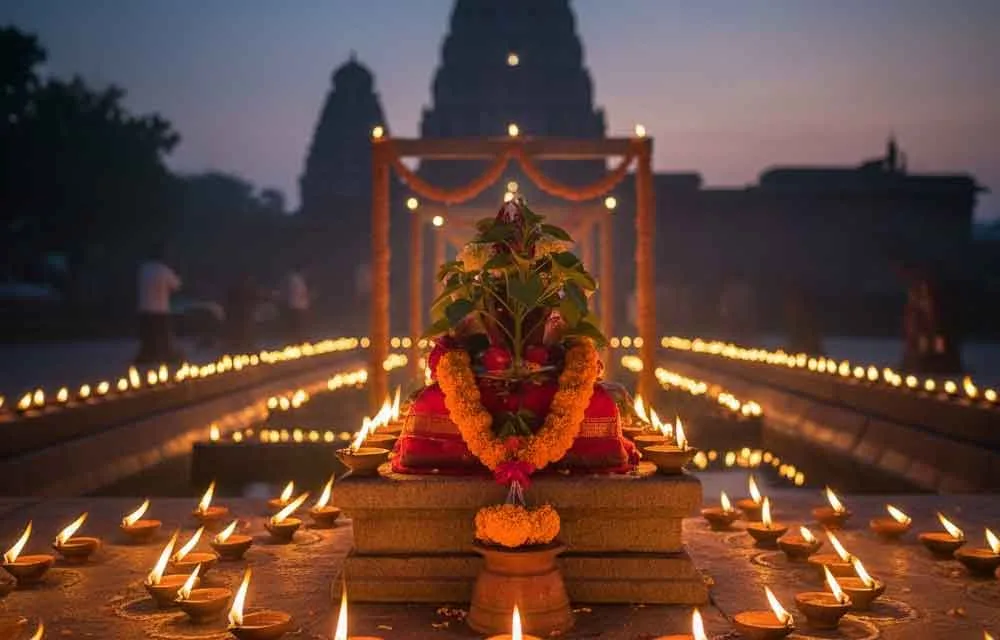
Light ghee or sesame-oil clay lamps at dawn and especially at dusk every day of the month. Place them at the home altar, near a Tulasi plant (grow one if possible — available at Indian stores or nurseries), at the entrance, and outdoors under open sky where safe (Akasha Deepam). On Pournami many families light multi-wick or 365-wick arrangements. In New Zealand’s milder spring weather this is pleasant; always supervise open flames and follow local fire safety guidelines.
2. Karthika Snanam
Rise in Brahma Muhurta (approximately 1–1.5 hours before local sunrise). Bathe with clean water, optionally adding tulsi leaves, sesame seeds or Ganga jal. Take a simple sankalpa. Some Auckland devotees visit beaches (e.g., Mission Bay) for a symbolic dawn dip when weather permits.
3. Karthika Somavaram Vratham (four Mondays)
Observe a fast (full, fruits-and-milk, or one meal). Visit a Shiva or multi-deity temple for abhishekam if possible. Offer bilva leaves (or local substitutes if scarce), water, milk or panchamrita. Chant “Om Namah Shivaya” or the Maha Mrityunjaya Mantra. The final Monday (7 December) coincides with Masik Shivaratri for double significance. Working devotees can keep a lighter version: sattvic diet, short home puja and evening lamp.
4. Tulasi Worship and Tulasi Vivah
Daily watering and pradakshina of the Tulasi plant. On the designated Dwadashi perform or attend Tulasi Vivah (symbolic marriage of Tulasi to Vishnu/Shaligram) with simple decorations and mantras. Many temples and homes observe this.
5. Karthika Pournami Practices
The full-moon peak. Light many lamps, perform Satyanarayana Vratam, Vishnu Sahasranama or Rudrabhishekam. Float small leaf-lamps in safe water features or bowls. Tamil families emphasise rows of agal vilakku. Charity and reading of Karthika Puranam chapters are highly meritorious. See our Karthika Pournami 2026 guide and Karthika Masam Daanam: what to donate.
6. Additional Practices
- Maintain a sattvic (vegetarian, preferably onion-garlic free) diet.
- Charity, annadanam and feeding others.
- Recite Damodarashtakam (Vaishnava), Karthika Puranam or Shiva stotras.
- Family outdoor gatherings in parks or domains (vanabhojanam-style).
- ISKCON centres emphasise Damodara month with daily morning and evening lamp offerings and kirtan.
Home Setup Tips for New Zealand
Source clay diyas, ghee, incense, bilva (or alternatives) and tulsi plants from Indian grocery stores concentrated in Auckland (Sandringham, Mt Roskill, Manukau, Papatoetoe areas) and other cities. Involve children in lighting lamps and simple stories. Use LED backups only for safety when needed.
City-Wise Celebrations and Temple Guide
Temples range from large multi-deity complexes to community mandirs and BAPS/ISKCON centres. Always verify 2026 event schedules (abhishekams, deepotsavam, prasadam) on temple websites or social media closer to the dates. Dress modestly, remove shoes and follow local etiquette. For the great temple festivals in India this month, read Karthika Masam 2026 temple celebrations in India.
Auckland (Main Hub – ~70% of NZ Hindus)
Auckland hosts the densest concentration of temples and the largest events.
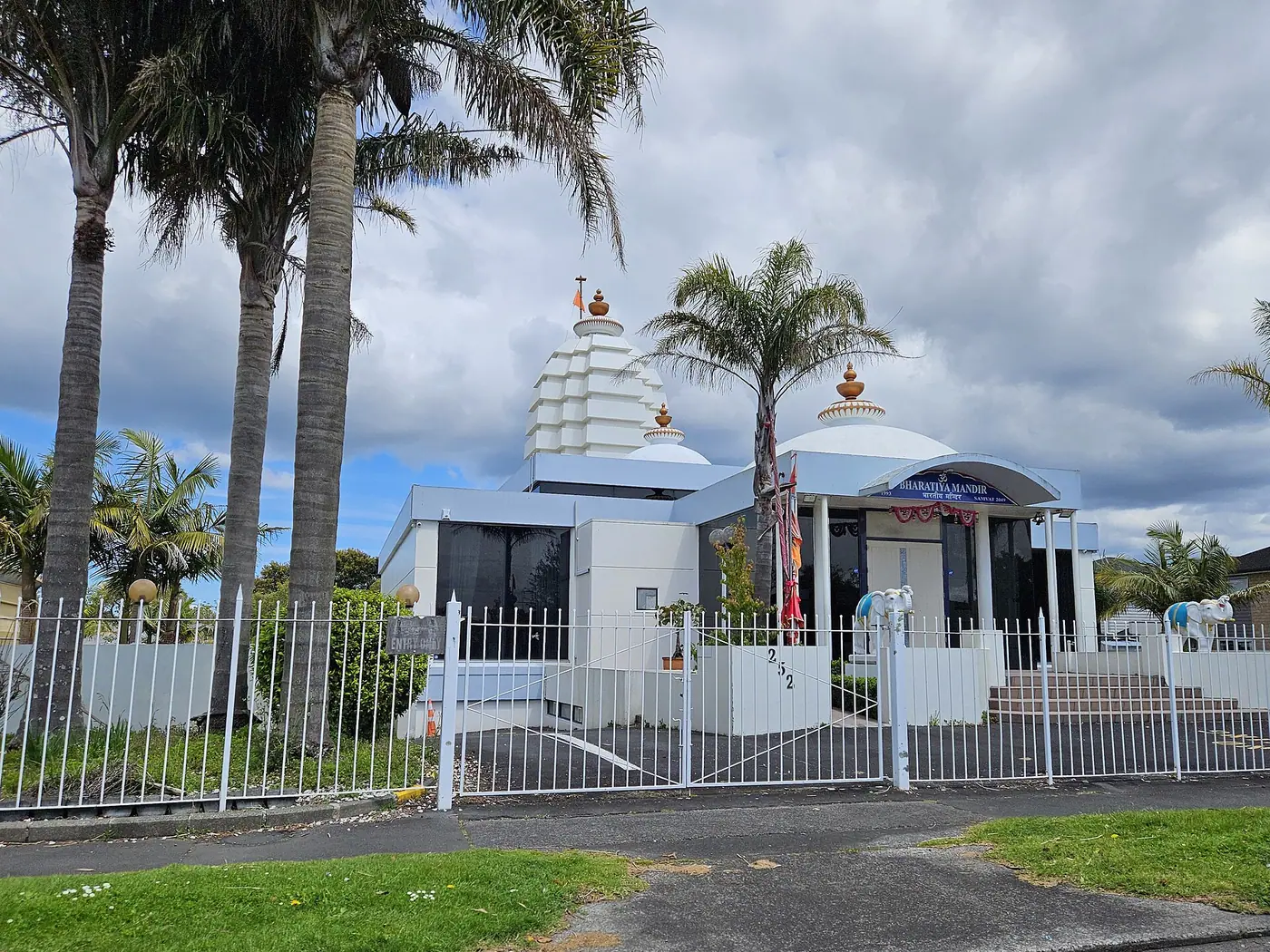
- Bharatiya Mandir, Sandringham / Balmoral: Oldest purpose-built Hindu temple in New Zealand (1993) and one of the largest. Multi-deity (Vishnu, Lakshmi, Shiva, Ganesha, Rama, etc.). Central for major festivals, community programmes and Karthika observances. Strong cultural hub.
- BAPS Shri Swaminarayan Mandir, Avondale: Prominent, well-organised centre with vibrant festivals, cultural activities and family programmes. One of the country’s key Swaminarayan mandirs.
- Sri Ganesh Temple, Papakura: Dedicated Ganesha temple popular for obstacle-removal sankalpas at the start of the month and regular puja.
- Thiru Subramaniyar Aalayam / Mangere Subramanyar Temple and NZ Thirumurugan Temple, Otahuhu / Ellerslie area: South Indian-style temples focused on Murugan (Kartikeya), with Ganesha, Shiva and other deities. Especially meaningful for Tamil devotees and Karthigai Deepam.
- Shri Ram Mandir, Henderson: Rama-focused with community activities.
- Manurewa Shiva Temple and other Shiva-oriented centres: Ideal for Somavaram abhishekams.
- ISKCON Auckland / Hare Krishna centres (including Kumeu farm area): Strong Damodara month programmes with daily lamps, kirtan and prasadam.
- Additional: Radha-Krishna Temple (Eden Terrace), various Swaminarayan, Durga, Sai Baba, Hanuman and community mandirs across Papatoetoe, Onehunga, Beach Haven and surrounding suburbs.
Expect morning abhishekams, evening deepams, special Monday pujas, group Tulasi Vivah and large Pournami gatherings. Auckland Domain or beachside symbolic snans and lamp events have featured in past years.
Wellington & Lower Hutt
- Kurinchi Kumaran Temple, Newlands: First South Indian-style temple in New Zealand. Dedicated to Murugan, Shiva and Ganesha with traditional architecture and granite idols. Key venue for Tamil-style Karthika and Karthigai observances.
- Wellington Hindu Temple / Bharat Bhavan area (Kilbirnie) and related community centres: North Indian-style activities and general festivals.
- Sri Venkateswara Swamy Temple, Wainuiomata: Venkateswara-focused.
- BAPS Shri Swaminarayan Mandir, Taita / Lower Hutt: Organised programmes and family events.
- ISKCON Wellington / Newlands: Damodara month emphasis.
Wellington’s windy conditions make indoor or sheltered deepam practical; community resilience is a noted feature of local celebrations.
Christchurch & South Island
- BAPS Shri Swaminarayan Mandir, Papanui: The primary (and historically the only major) Hindu temple on the South Island. Serves as the focal point for Karthika events, deepam and community gatherings in Christchurch.
- ISKCON / Hare Krishna presence in Richmond or related centres.
- Smaller community groups organise home and shared events.
Hamilton, Tauranga, Rotorua & Other Centres
- Hamilton: BAPS centres, Radha-Krishna temples and Balaji-related groups in Pukete / Frankton areas.
- Tauranga: Local Hindu temple / society (Tauriko area).
- Rotorua: BAPS presence.
- Palmerston North, Dunedin and regional towns: Smaller mandirs or community centres; many residents travel to Auckland or Wellington for major events or rely on strong home practice and virtual participation.
Practical Tips for New Zealand Hindus
- Work and school balance: Lighter fasts on Mondays; light the evening lamp after returning home. Temples often schedule evening programmes.
- Climate: Mild spring/summer weather supports outdoor activities, but prepare for changeable conditions (especially Wellington winds). Supervise open flames carefully.
- Resources: Indian stores are concentrated in Auckland suburbs; online or community networks help supply diyas, ghee and ritual items elsewhere. Grow or source Tulasi plants.
- Community: Connect via the Hindu Council of New Zealand, temple WhatsApp/Facebook groups, Telugu/Tamil/Gujarati associations and BAPS/ISKCON networks for event updates and group activities.
- Family & youth: Involve children in lamp-lighting and stories. Many temples run cultural classes.
- Charity: Temple annadanam or donations carry special merit this month.
- Month calendar: daily tithis and festivals are in our Karthika Masam 2026 guide and rules, food and dos and don'ts.
- First-day practice (10 November): Early bath, home lamp + Tulasi offering, sankalpa (daily deepam and pure Mondays), temple darshan and note the month’s calendar.
Extended Practices and Regional Notes
South Indian families emphasise Somavarams, bilva, Karthigai Deepam and Murugan worship. North Indian and Vaishnava groups highlight Damodara month and full-moon lamps. ISKCON centres maintain rigorous daily offerings. Home practice remains fully valid and potent for those distant from temples. Live streams from major Auckland temples expand access.
Past Karthika Pournami celebrations in New Zealand have included beachside snans, domain lamp displays, fusion prasadam and community melas blending Indian and Kiwi elements — expect similar vibrancy in 2026.
Conclusion: Light the Lamps in Aotearoa
Karthika Masam 2026 offers New Zealand Hindus a luminous opportunity to deepen devotion amid the country’s spring beauty and growing community infrastructure. From the established courtyards of Bharatiya Mandir and BAPS Auckland to Kurinchi Kumaran in Wellington and the South Island’s BAPS centre, the practices remain timeless: light the deepam, bathe early, honour Shiva on Mondays, revere Tulasi and Vishnu, and gather under the full moon.
Begin on 10 November with a clear sankalpa. Visit your nearest temple or light the first lamp at home. May Lord Shiva and Lord Vishnu bless every New Zealand Hindu household with light, peace, prosperity and spiritual progress this Karthika Masam.
(For exact 2026 temple event schedules and local panchang timings, always cross-check with individual temples or Drik Panchang set to your New Zealand city, as programmes and minor tithi shifts are confirmed closer to the dates.)
Key references: Aggregated from Stats NZ community data, temple directories, Drik Panchang-aligned calendars, and established Hindu festival and diaspora guides.
Share this with family and friends
Send it on WhatsApp, post it, or copy the link.
More from Festivals
- Karthika Masam 2026 in USA: Complete State-Wise Hindu Temple Guide, Dates, Somavaram, Pournami and Special Pujas
- Diwali 2027 Budget Planner – How to Celebrate Beautifully Without Overspending
- Diwali 2027 Party Planning Guide – Themes, Food, Games, Invitations and Decorations
- Diwali 2027 Activities for Kids – Crafts, Rangoli, Stories, Games and Family Traditions
- Eco-Friendly Diwali 2027 – Sustainable Decorations, Clay Diyas and Green Celebration Ideas
You might also like
Hindus in New Zealand: Temples, Festivals, Community and City Guide
Karthika Masam (Kartika Masam / Kartik Maas) 2026 Celebrations in Australia: Complete City-Wise, Temple-Wise Guide – How to Celebrate, Rituals, Dates, Significance for Australian Hindus
Karthika Masam 2026 Celebrations at Indian Temples: The Ultimate Complete Guide to Dates, Rituals, Legends, Temple Festivities & Spiritual Practices