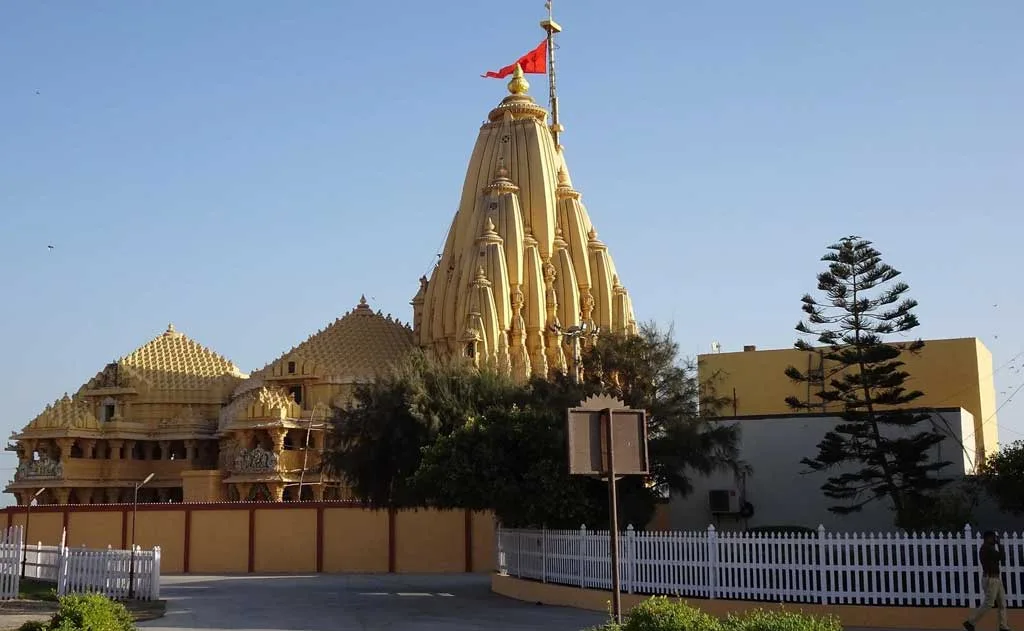
Karthika Masam 2026 Celebrations at Indian Temples: The Ultimate Complete Guide to Dates, Rituals, Legends, Temple Festivities & Spiritual Practices
Karthika Masam, also known as Kartika Maas or the sacred month of lights, stands as one of the most spiritually powerful periods in the Hindu calendar. In 2026, this holy month holds special significance as millions of devotees across India and the global Hindu diaspora engage in intensive worship o
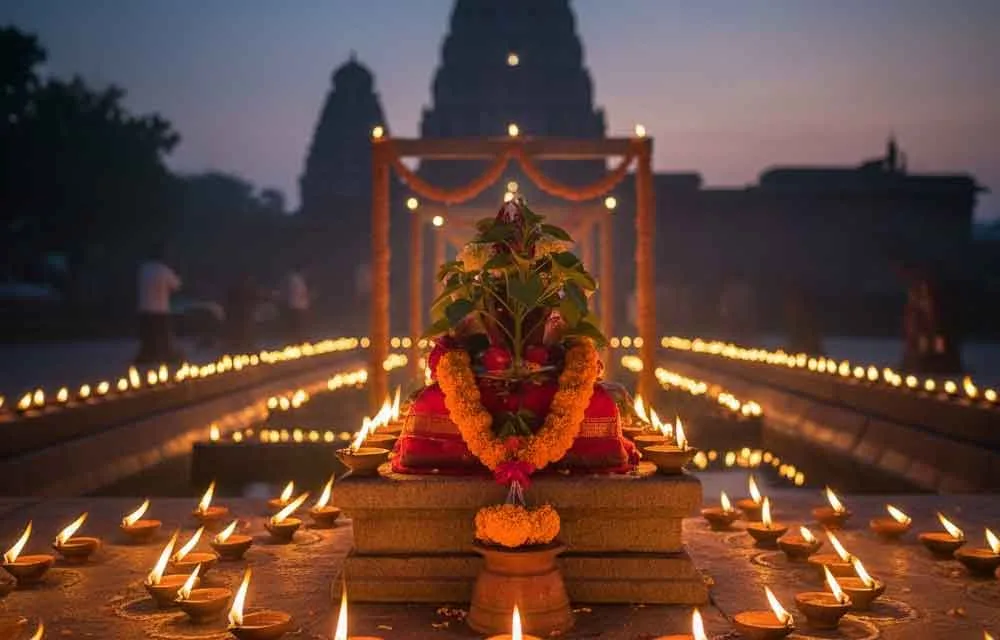
Karthika Masam, also known as Kartika Maas or the sacred month of lights, stands as one of the most spiritually powerful periods in the Hindu calendar. In 2026, this holy month holds special significance as millions of devotees across India and the global Hindu diaspora engage in intensive worship of Lord Shiva and Lord Vishnu. The month is marked by the soft glow of countless oil lamps, the fragrance of bilva leaves and tulasi, early morning holy baths, Monday fasts, and grand temple celebrations that transform sacred sites into oceans of devotion.
For those following the Amanta calendar (widely observed in Andhra Pradesh, Telangana, Karnataka, Maharashtra, Gujarat, and many South Indian communities), Karthika Masam 2026 begins on Tuesday, 10 November and concludes on Tuesday, 8 December. In the Purnimanta tradition followed in much of North India, the month runs approximately from 27 October to 24 November 2026. The most auspicious day of the entire month, Karthika Pournami (also celebrated as Karthigai Deepam in Tamil Nadu and Dev Deepawali in Varanasi), falls on Tuesday, 24 November 2026.
This comprehensive guide provides complete details on the significance, daily rituals, major temple celebrations, regional variations, practical advice for devotees, and everything needed to observe Karthika Masam with devotion and understanding. Whether you plan to visit famous temples or observe the month at home, this resource aims to serve as your complete companion for Karthika Masam 2026.
The Profound Spiritual Significance of Karthika Masam
Karthika Masam derives its sacredness from numerous references in the Puranas, particularly the Padma Purana, Skanda Purana, and Shiva Purana. According to these texts, this month is especially dear to both Lord Shiva and Lord Vishnu. It is believed that any spiritual activity performed during Karthika yields manifold benefits compared to other months.
The month falls during Dakshinayana, the southern journey of the sun, a period traditionally associated with inward spiritual focus. Ancient sages considered Karthika ideal for austerity, charity, and the cultivation of pure devotion. Lighting lamps during this month is said to destroy the darkness of ignorance and negative karma accumulated over lifetimes. The act of deepa daan (offering of lamps) is described as one of the highest forms of charity, capable of granting both material prosperity and spiritual liberation.
Lord Shiva is worshipped in the form of the Jyotirlinga, the infinite pillar of light, while Lord Vishnu is especially remembered in his Damodara form — the child Krishna who was bound by Yashoda’s rope of love. The Damodarashtakam, a beautiful hymn composed by Satyavrata Muni, is traditionally chanted throughout the month by Vaishnava devotees. The dual worship of Shiva and Vishnu during Karthika symbolizes the essential unity of the divine, reminding devotees that the Absolute is one even when appearing in different forms.
Key Dates and Calendar for Karthika Masam 2026
Understanding the calendar is essential for proper observance. Here is a detailed overview based on the Amanta (South Indian) tradition, which is most relevant for the majority of temple celebrations in Andhra Pradesh, Telangana, Karnataka, and Tamil Nadu (for every tithi and festival day, see the Karthika Masam 2026 day-by-day calendar and our main Karthika Masam 2026 guide):
- 10 November 2026 (Tuesday): Karthika Masam begins (Karthika Shukla Pratipada). This day marks the official start of the month-long vratam. Many families begin daily lamp lighting and early morning baths from this day.
- 13 November 2026 (Friday): Nagula Chavithi – Special worship of serpent deities, particularly important for the well-being of children. Married women often observe this with devotion.
- 16 November 2026 (Monday): First Karthika Somavaram – The most powerful Monday of the month for Shiva worship.
- 20 November 2026 (Friday): Devutthana Ekadashi (also called Prabodhini or Uttana Ekadashi) – Marks the end of Chaturmasya and the awakening of Lord Vishnu from his cosmic sleep.
- 21 November 2026 (Saturday): Ksheerabdi Dwadashi and Tulasi Vivah – The ceremonial marriage of Tulasi Devi with Lord Vishnu (in the form of Shaligram). This day is considered highly auspicious for beginning new ventures and marriages.
- 23 November 2026 (Monday): Second Karthika Somavaram and Vaikuntha Chaturdashi.
- 24 November 2026 (Tuesday): Karthika Pournami / Karthigai Deepam / Dev Deepawali – The pinnacle of the month.
- 30 November 2026 (Monday): Third Karthika Somavaram.
- 7 December 2026 (Monday): Fourth Karthika Somavaram and Masa Shivaratri.
- 8 December 2026 (Tuesday): Karthika Amavasya – The month concludes.
Devotees in North India following the Purnimanta calendar will observe Kartik Purnima on the same day (24 November) as the grand culmination of their month.
Daily Rituals and Observances During Karthika Masam
The beauty of Karthika Masam lies in its accessibility. Even simple daily practices performed with sincerity are believed to yield great spiritual merit. Here is a detailed guide to the core observances:
1. Karthika Snanam (Holy Bath)
Rising before sunrise and taking a bath, preferably in a river, temple tank, or even at home with a prayerful attitude, is considered highly meritorious. The water is believed to become as sacred as the Ganga during this month. Many devotees chant mantras while bathing and offer arghya to the sun.
2. Deepa Daan (Lighting of Lamps)
This is the signature practice of the month. Every evening, devotees light oil lamps (preferably with sesame oil or ghee) near the Tulasi plant, at the main entrance of the house, and in the puja room. The flame is offered with the prayer that it may remove the darkness of ignorance from one’s life and the lives of all beings. On Karthika Pournami, the number of lamps is increased dramatically, with many lighting 365 wicks or more. Check the Karthika deepam time for your city and the Karthika Pournami 2026 guide.
3. Karthika Somavaram Vratam
Mondays during Karthika are especially sacred to Lord Shiva. Devotees observe a fast (complete or partial), perform or sponsor Rudrabhishekam, offer bilva leaves, and visit Shiva temples. The four Mondays in 2026 are 16 November, 23 November, 30 November, and 7 December (see Karthika Somavaram 2026 dates).
4. Tulasi Worship
The Tulasi plant is regarded as a living form of the goddess. Daily watering, circumambulation, and offering of lamps to Tulasi are important. The Tulasi Vivah on 21 November is performed with great devotion in many homes and temples.
5. Scripture Reading and Japa
Reading the Karthika Puranam (or one chapter daily), chanting the Rudram, Chamakam, Vishnu Sahasranamam, or Damodarashtakam is highly recommended. Many families make it a collective evening practice.
6. Charity and Seva
Offering food, clothes, lamps, and money to the needy, temples, and cows is considered extremely auspicious. Annadanam (feeding the hungry) during Karthika is believed to grant immense punya. Our Karthika Masam Daanam guide explains what to donate and how.
7. Vanabhojanam
In Andhra Pradesh and Telangana, families often gather under amla (Indian gooseberry) trees for community meals and devotional singing, combining nature worship with social bonding.
Major Temple Celebrations Across India
Temples become the living heart of Karthika Masam. Here is detailed coverage of the most significant celebrations:
Srisailam Mallikarjuna Swamy Temple (Andhra Pradesh)
Srisailam, one of the twelve Jyotirlingas and a major Shakti Peetha, transforms into a sea of devotees during Karthika. The temple administration makes special arrangements every year for the influx of pilgrims (see what has been officially announced in our Karthika Masam 2026 temple news). From 10 November to early December, the temple conducts special abhishekams, Pushkarini Harathi, and Lakshadeepotsavam on every Monday and on Karthika Pournami.
On 24 November, the Jwalanthoranotsavam (festival of the flame arch) and Koti Deepotsavam create a breathtaking spectacle. Temple doors open as early as 3 AM, and darshan continues late into the night with efficient queue systems. Sparsha darshan may be restricted on peak days to manage crowds. Cultural programs, annadanam, and medical facilities are arranged for the comfort of devotees. Visiting Srisailam during Karthika is considered equivalent to performing great yajnas.
Arunachaleswarar Temple, Tiruvannamalai (Tamil Nadu) – The Glory of Karthigai Deepam
Perhaps the most visually spectacular celebration of the month occurs at Tiruvannamalai. The ten-day Karthigai Brahmotsavam typically begins with Dwajarohanam (flag hoisting) around 15 November. The festival culminates on 24 November with two major events:
- Early morning Bharani Deepam lit inside the temple
- Evening Maha Deepam lit atop the sacred Arunachala hill around 6 PM
The Maha Deepam, fueled by large quantities of ghee and cloth, burns as a massive beacon visible for many kilometers. It symbolizes Lord Shiva as the infinite column of light (Jyoti). The entire town and surrounding hills glow with millions of lamps lit by devotees. Girivalam (circumambulation of the hill) is performed by countless people, though climbing the hill on Deepam day is often restricted for safety reasons, especially during the monsoon season (read about the 2026 hill-climbing restrictions and our Karthigai Deepam 2026 guide). The temple gopurams are illuminated, and the atmosphere is charged with devotion, chants of “Arunachala Shiva,” and the fragrance of incense and camphor.
Other Important Temples in Andhra Pradesh and Telangana
- Vemulawada Raja Rajeshwara Temple: Known as the “Dakshina Kashi,” this temple attracts massive crowds for Monday abhishekams and Pournami deepotsavam.
- Keesaragutta Ramalingeswara Temple: Located near Hyderabad, it sees heavy local participation with special lamp offerings.
- Pancharama Kshetras (Amaravati, Draksharamam, Samalkot, Bhimavaram, and Palakollu): These five ancient Shiva temples become centers of intense worship throughout the month.
- Srikalahasti: Famous for its Vayu Lingam, the temple conducts special rituals and attracts devotees seeking relief from planetary afflictions.
- Kaleshwaram and Ramappa Temple: These sites also host special Karthika programs.
For more shrines, see Karthika Masam Shiva temples in Telangana, in Andhra Pradesh and our list of the top 10 Karthika Masam temples in India.
Tamil Nadu and Karnataka Temples
Beyond Tiruvannamalai, temples such as Chidambaram Nataraja, Rameswaram Ramanathaswamy, Thanjavur Brihadeeswarar, and Kanchipuram Ekambareswarar hold special abhishekams and deepa festivals. In Karnataka, Gokarna, Murudeshwar, Nanjangud, and Dharmasthala see increased devotion and special pujas (more in Karthika Masam temples in Karnataka and Deepotsava).
North Indian Celebrations – Dev Deepawali and Beyond
In Varanasi, Karthika Pournami is celebrated as Dev Deepawali, the Diwali of the gods. The ghats of the Ganga are illuminated with hundreds of thousands of lamps, creating one of the most magical sights in the spiritual world. Special Ganga Aarti, boat processions, and cultural programs mark the occasion. Other important centers include Ujjain Mahakaleshwar, Omkareshwar, and the various Jyotirlingas that remain open during this period. Note that Kedarnath typically closes for winter around mid-November, with worship continuing at Ukhimath.
Vaishnava and Other Traditions
ISKCON temples and other Vaishnava centers focus on Damodara worship, with daily offering of lamps to the Deities and chanting of Damodarashtakam. Tulasi Vivah is performed with great joy. Many Vishnu temples also conduct special sevas and discourses.
Regional Variations in Observance
While the core spirit remains the same, regional customs add rich diversity:
- Andhra Pradesh & Telangana: Strong emphasis on Shiva worship, Somavaram fasting, Vanabhojanam, and temple visits. Lighting of Akasa Deepam (sky lamps) is common.
- Tamil Nadu: Karthigai Deepam is the highlight, with focus on the light symbolism of Shiva. Homes light rows of agal vilakku.
- Karnataka: Combination of Shiva and Vishnu traditions, with special importance to local temples.
- North India: Kartik Snan in rivers, Tulsi Vivah, Dev Deepawali, and the beginning of the wedding season after Devutthana Ekadashi.
- Maharashtra & Gujarat: Tulasi Vivah is particularly elaborate, and the month marks the opening of the marriage season.
Practical Guide for Devotees
Preparing for the Month
Begin cleaning the home and puja area, and read the Karthika Masam 2026 rules, food and dos and don'ts. Stock up on oil, wicks, bilva leaves, tulasi, and other puja items. Decide on the level of fasting you can sustainably maintain. If planning temple visits, book accommodation and check official temple websites for darshan rules and crowd management measures well in advance.
Temple Visit Tips
- Arrive early, especially on Mondays and Pournami.
- Follow dress codes (traditional attire is preferred and sometimes mandatory).
- Carry water, light snacks, and necessary medicines.
- Respect queue systems and temple guidelines.
- Participate in annadanam if possible, both as a recipient of blessings and as a contributor.
Observing at Home
Even without temple visits, the month can be deeply transformative. Maintain consistency in daily lamp lighting and prayer. Involve the entire family, especially children, so that the tradition is passed on. Listening to discourses or bhajans in the evening creates a sacred atmosphere at home.
The Transformative Benefits of Observing Karthika Masam
According to traditional belief and the experience of countless devotees, sincere observance of Karthika Masam brings:
- Purification of past karma
- Mental peace and clarity
- Strengthening of devotion (bhakti)
- Removal of obstacles
- Blessings for health, prosperity, and family harmony
- Progress on the spiritual path toward self-realization
The month teaches the fundamental spiritual principle that light always conquers darkness, and that consistent small acts of devotion accumulate into profound inner transformation.
Frequently Asked Questions
Can women observe the vrat during menstruation?
Traditional guidance varies by family and community. Many modern practitioners focus on mental worship and lamp lighting while avoiding physical temple visits during this time. Consult your family tradition or a trusted spiritual guide.
Is it necessary to fast completely on Mondays?
No. The spirit of the vrat is more important than rigid rules. Partial fasting, fruit-only diet, or simply avoiding certain foods while maintaining devotion is acceptable according to one’s capacity and health.
What if I miss a day of lamp lighting?
Simply resume the next day with sincerity. Consistency over the long term matters more than perfection.
Are there specific mantras to chant?
Popular choices include the Maha Mrityunjaya Mantra, Rudram, Om Namah Shivaya, Vishnu Sahasranamam, and Damodarashtakam. Even simple heartfelt prayer is powerful.
Conclusion: Embracing the Light of Karthika
As Karthika Masam 2026 unfolds, temples across India will once again become beacons of divine light and human devotion. From the towering flame on Arunachala hill to the countless small lamps in village homes, from the crowded corridors of Srisailam to the serene ghats of Varanasi, the message remains the same: the light of knowledge and devotion can dispel every form of darkness.
Whether you travel to a famous temple or simply light a single lamp at home with a pure heart, you participate in a tradition that has nourished the spiritual life of India for millennia. May this Karthika Masam fill your life with the radiant blessings of Lord Shiva and Lord Vishnu. May the lamps you light illuminate not only your home but also the path of righteousness, compassion, and self-realization.
Shubh Karthika Masam!
Om Namah Shivaya | Om Namo Narayanaya
Light the lamp. Keep the faith. Walk in the light.
(This guide is compiled from traditional Puranic sources, temple announcements, and standard panchangams as available in November 2026. Festival dates and temple arrangements can vary slightly by region and local authority decisions. Devotees are advised to verify specific timings and rules with official temple websites or local priests before making travel plans.)
Share this with family and friends
Send it on WhatsApp, post it, or copy the link.
More from Festivals
- Karthika Masam (Kartika Masam / Kartik Maas) 2026 Celebrations in New Zealand: Complete City-Wise, Temple-Wise Guide – How to Celebrate, Rituals, Dates, Significance for New Zealand Hindus
- Diwali 2027 Party Planning Guide – Themes, Food, Games, Invitations and Decorations
- Diwali 2027 Activities for Kids – Crafts, Rangoli, Stories, Games and Family Traditions
- Eco-Friendly Diwali 2027 – Sustainable Decorations, Clay Diyas and Green Celebration Ideas
- Diwali 2027 Travel Guide – Best Places to Celebrate Diwali in India
You might also like
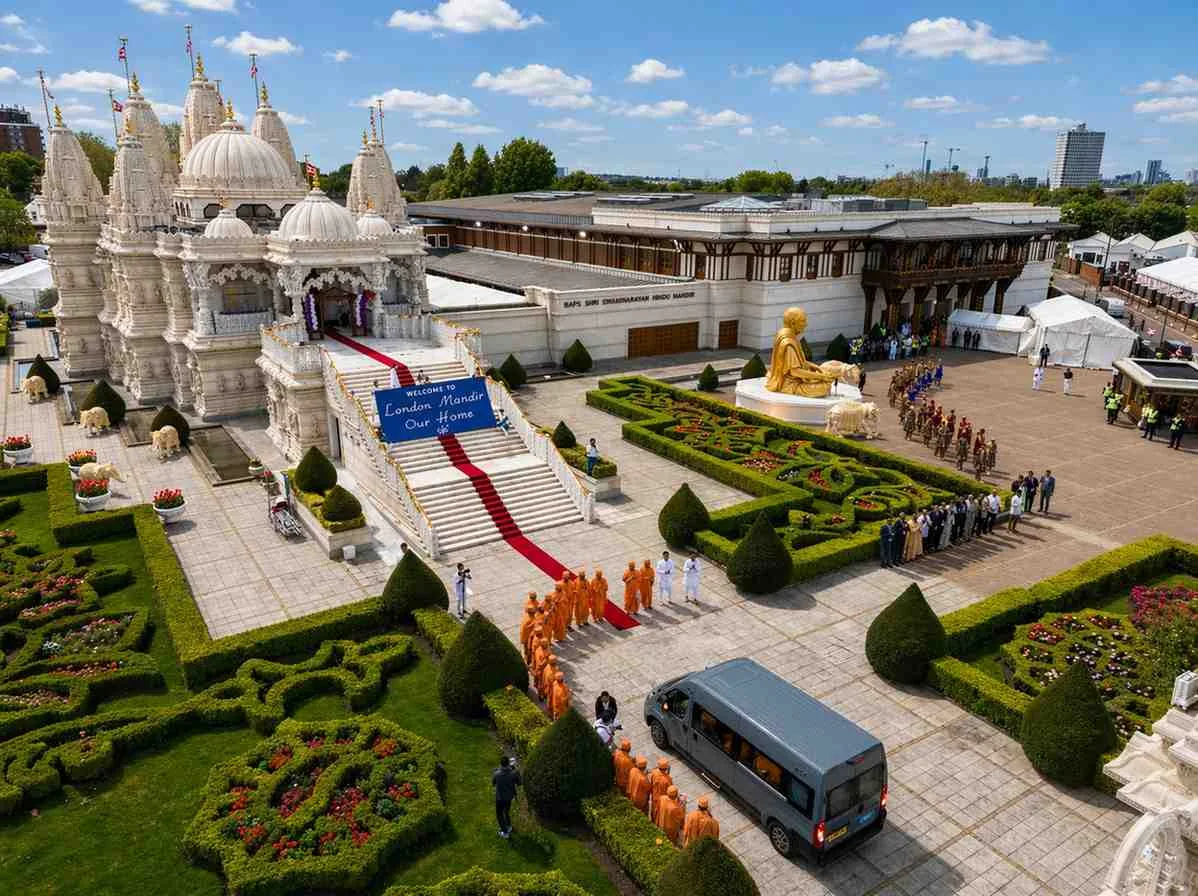
Karthika Masam 2026 in UK: Complete City-Wise Hindu Temple Guide, Dates, Karthika Somavaram, Pournami and Special Pujas

Karthika Masam 2026 in USA: Complete State-Wise Hindu Temple Guide, Dates, Somavaram, Pournami and Special Pujas
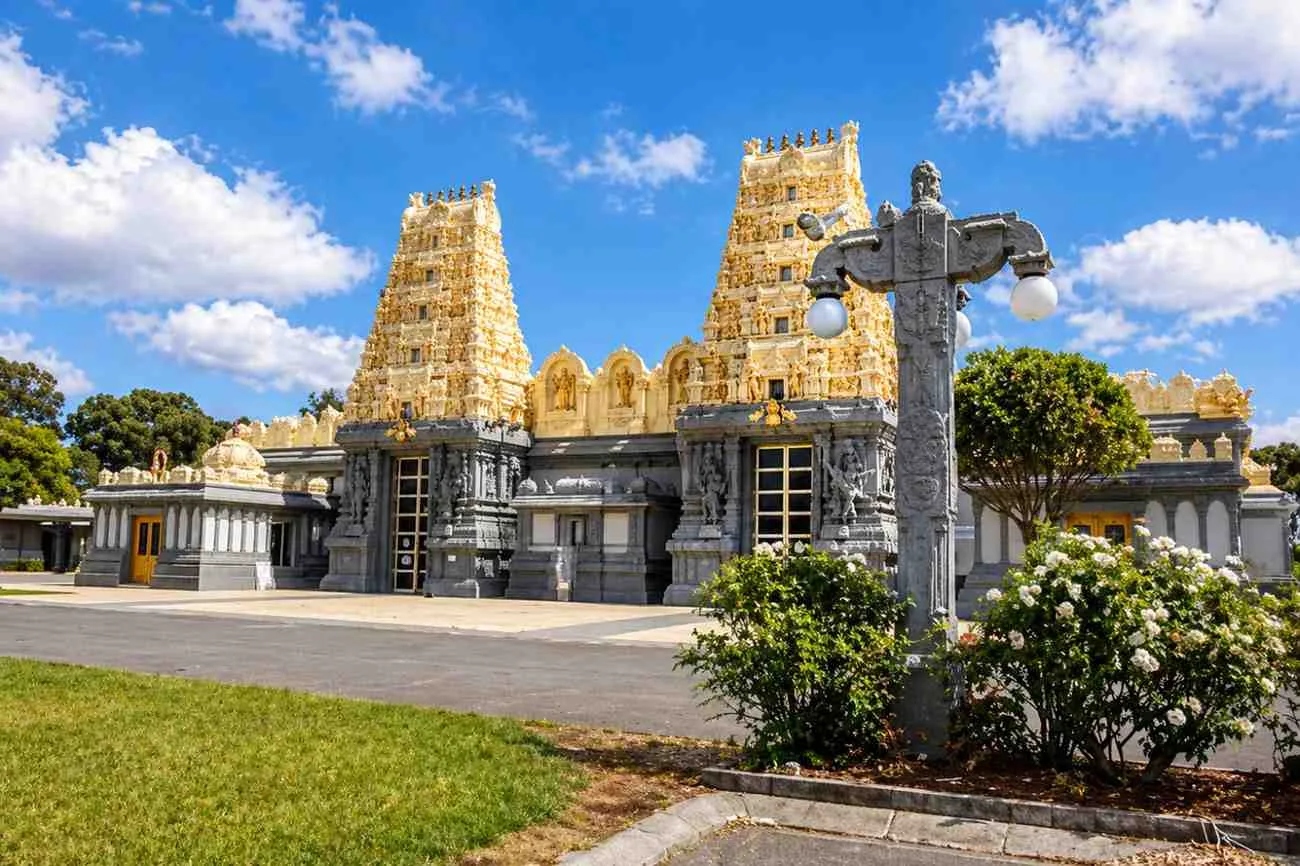
Karthika Masam (Kartika Masam / Kartik Maas) 2026 Celebrations in Australia: Complete City-Wise, Temple-Wise Guide – How to Celebrate, Rituals, Dates, Significance for Australian Hindus