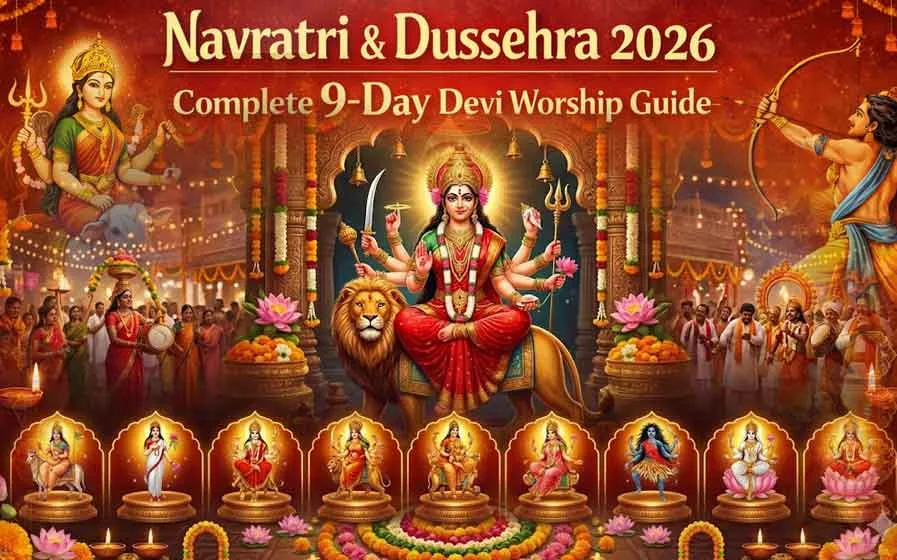
Navratri Without Fasting: A 9-Day Devotional Routine for Beginners (2026)
Fasting is one of many ways to observe Navratri, not the only one. Here is a simple 9-day devotional routine for 11 to 19 October 2026 without fasting: a daily lamp, the day's naam mantra, a short reading, an act of seva, sattvic meals and giving up one habit, plus who may choose not to fast and a beginners' checklist.
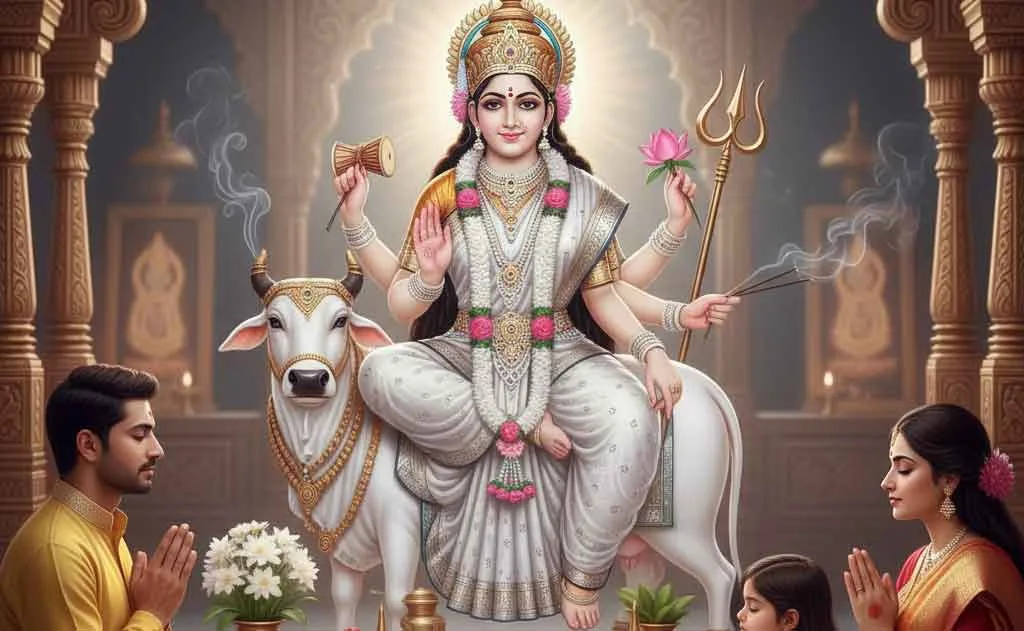
Fasting is one of many ways to observe Navratri, not the only one. Here is a simple 9-day devotional routine for 11 to 19 October 2026 without fasting: a daily lamp, the day's naam mantra, a short reading, an act of seva, sattvic meals and giving up one habit, plus who may choose not to fast and a beginners' checklist.
Quick answer: Yes, you can observe Navratri without fasting. Fasting is one of many ways to honour the Devi, alongside puja, mantra, reading, seva and sattvic living. A simple non-fasting routine for Sunday 11 to Monday 19 October 2026 (India, Drik Panchang) is: light a lamp each day, chant that day's naam mantra, read for ten minutes, do one act of seva, eat sattvic meals and give up one habit for nine days. Dussehra follows on Tuesday 20 October.
This page is for anyone who cannot fast, chooses not to, or is new to Navratri. Traditions vary widely, and no single way is the right one.
Why fasting is one of many ways
In Hindu practice, a vrata is a vow, and fasting is only one form it can take. People also keep Navratri by chanting, by reading the Devi Mahatmya (also called Durga Saptashati or Chandi Path), by dancing Garba as worship, by honouring girls in Kanya Pujan, by feeding others and by keeping the home and mind clean. Many teachers stress that devotion lies in the intention, not in how little one eats.
Fasting has a clear purpose for those who keep it: discipline, simplicity and attention. Those same goals can be reached in other ways, such as giving up a habit, keeping a daily practice without fail, or serving others. That is what the routine below is built on.
Who may choose not to fast
- Health: people with diabetes, blood-pressure problems, acidity, eating disorders or other conditions, or those on regular medication. Consult your doctor before any fast.
- Pregnancy and breastfeeding: many families advise against strict fasting. Always consult your doctor. See Navratri 2026 for mothers and pregnant women.
- Elders: many families encourage older members to eat regularly and keep the puja instead.
- Children: in many homes, children are not expected to fast. They can keep a "fast" from screens or sweets instead.
- Demanding work or study: long shifts, physical work, exams or long commutes. See Navratri 2026 for working women.
- Personal choice: some people simply prefer another form of devotion. That is legitimate.
The 9-day non-fasting routine
Each day has six small parts. Together they take about 20 to 30 minutes.
- 1. Daily lamp: light a ghee or oil diya in the morning or evening (or both) before the Devi's picture. Never leave it unattended.
- 2. The day's naam mantra: chant the mantra of that day's Devi 11, 27 or 108 times. The mantras are listed below.
- 3. Ten minutes of reading: a chapter of the Devi Mahatmya, a stotra, or that day's story on the Navratri day pages.
- 4. One act of seva: feed someone, donate groceries, help an elderly neighbour or volunteer at your temple.
- 5. Sattvic meals: fresh, simple, home-cooked food. Many people avoid onion, garlic, meat, eggs and alcohol for the nine days.
- 6. Give up one habit: social media scrolling, complaining, a late-night snack, or harsh words. This is your personal vrata.
Here is the naam mantra for Day 1, Shailaputri:
ॐ देवी शैलपुत्र्यै नमः॥
Om Devi Shailaputryai Namah
And for Day 9, Siddhidatri:
ॐ देवी सिद्धिदात्र्यै नमः॥
Om Devi Siddhidatryai Namah
The pattern is the same each day; only the Devi's name changes: Shailaputri, Brahmacharini, Chandraghanta, Kushmanda, Skandamata, Katyayani, Kalaratri, Mahagauri, Siddhidatri. Each one is linked in the table below, and all nine are on one page in Navratri day-wise mantras and their significance.
If you want one prayer to say every day, many devotees recite this verse from the Devi Mahatmya:
या देवी सर्वभूतेषु शक्तिरूपेण संस्थिता। नमस्तस्यै नमस्तस्यै नमस्तस्यै नमो नमः॥
Ya Devi sarvabhuteshu shakti-rupena samsthita, namastasyai namastasyai namastasyai namo namah.
It means: "To the Goddess who dwells in all beings in the form of power (shakti), salutations to her, salutations to her, salutations again and again."
Day-by-day plan
Dates are for India (Drik Panchang). Colours follow the popular weekday custom; for Days 8 and 9, lists differ. Seva and habit ideas are only suggestions.
| Day and date | Devi | Colour (custom) | Seva idea | Habit to give up |
|---|---|---|---|---|
| 1: Sun 11 Oct | Shailaputri | Orange | Clean and set up the altar | Choose your one habit |
| 2: Mon 12 Oct | Brahmacharini | White | Donate a bag of groceries | Phone in bed |
| 3: Tue 13 Oct | Chandraghanta | Red | Call an elder relative | Complaining |
| 4: Wed 14 Oct | Kushmanda | Royal blue | Feed birds or animals | Junk food |
| 5: Thu 15 Oct | Skandamata | Yellow | Help a child with study | Harsh words |
| 6: Fri 16 Oct | Katyayani | Green | Volunteer at a temple | Gossip |
| 7: Sat 17 Oct | Kalaratri | Grey | Clear out and donate clothes | Procrastination |
| 8: Sun 18 Oct | Mahagauri | Lists differ | Cook for someone | Late nights |
| 9: Mon 19 Oct | Siddhidatri | Lists differ | Kanya Pujan | Reflect: keep the habit going? |
In India, Durga Ashtami and Maha Navami both fall on Monday 19 October 2026. Telangana families celebrate Saddula Bathukamma on Sunday 18 October, and Diwali is on Sunday 8 November 2026.
Sattvic meals without a fast
If you are not fasting, you can still eat in the spirit of Navratri. Many people choose simple, freshly cooked vegetarian meals: dal, rice or roti, seasonal vegetables, curd, fruit and nuts, with less fried food and less sugar. Some also try a few vrat dishes because the family enjoys them, such as sabudana khichdi, samak rice khichdi or makhana kheer.
For what fasting households usually eat and avoid, see Navratri fasting rules 2026. For the day's bhog to offer, see Navratri day-wise prasadam recipes.
Beginners' checklist
- A clean corner or shelf, and a picture or small idol of Durga.
- A diya, ghee or oil, cotton wicks and matches (kept away from children).
- Kumkum, haldi, a few flowers and some fruit for offering.
- A mala (prayer beads) to count the naam mantra, or a counter app.
- The nine Devi names and their mantras, from the day pages linked above.
- Optional: a kalash for Ghatasthapana on Day 1, if your family does it. A simple home method is in the Navratri 2026 apartment-friendly puja vidhi.
- A notebook for reflections, if you like journalling.
- A plan for Vijayadashami on Tuesday 20 October.
If you prefer a structured reflection practice, our 9 days, 9 Devi qualities journal gives prompts for each day. For a fuller daily routine, see the Navratri daily routine for women.
If you live abroad
- Follow your local temple's calendar. Drik Panchang lists Durga Ashtami on Sunday 18 October in the USA, Canada and the UK.
- Never convert India's puja times into your time zone; look up muhurats for your own city.
- See Navratri 2026 for Indian women abroad and the Navratri 2026 complete guide for NRIs and the diaspora.
Frequently asked questions
Is Navratri incomplete without fasting?
No. Fasting (upavasa) is one well-loved way of observing Navratri, but devotees also honour the Devi through puja, japa, reading the Devi Mahatmya, Garba, Kanya Pujan, charity and sattvic living. Many traditions value the bhava, the feeling with which you worship, above any outward rule.
Who may choose not to fast?
Many families do not expect children, elders, pregnant or breastfeeding women, people with diabetes or other health conditions, people on regular medication, or those with physically demanding work to fast. If you have any health concern, consult your doctor before fasting at all.
Can I eat onion and garlic if I am not fasting?
That depends on your family's custom. Many households avoid onion, garlic, meat, eggs and alcohol for all nine days even when they are not fasting, as part of a sattvic diet. Others do not. If you want a middle path, a sattvic diet without a fast is a common choice.
Can I fast on just one or two days?
Yes. Many people fast only on the first day, on Ashtami, or on both, and eat normally on the other days. In India in 2026, Durga Ashtami and Maha Navami both fall on Monday 19 October per Drik Panchang. Consult your doctor first if you have any health condition.
I am a complete beginner. What is the minimum I should do?
Light a lamp each day, say the day's naam mantra a few times, and offer a flower or fruit. That is a complete and sincere observance. You can add more each year.
Do I follow India's dates if I live abroad?
Follow your local temple's calendar. Navratri begins on Sunday 11 October 2026 in most places, but Drik Panchang lists Durga Ashtami on Sunday 18 October in the USA, Canada and the UK. Never convert India's puja times into your time zone.
Editor's note (8 October 2026)
This page has been restored at its original address and rewritten for 2026. India dates are from Drik Panchang. The routine is HinduTone's suggestion for people who are not fasting; it is not a scriptural requirement. Colours, bhog and dietary customs vary by family and region. This is not medical advice: if you have a health condition, are pregnant or breastfeeding, or take medication, consult your doctor before any fast.
Related guides
You might also like
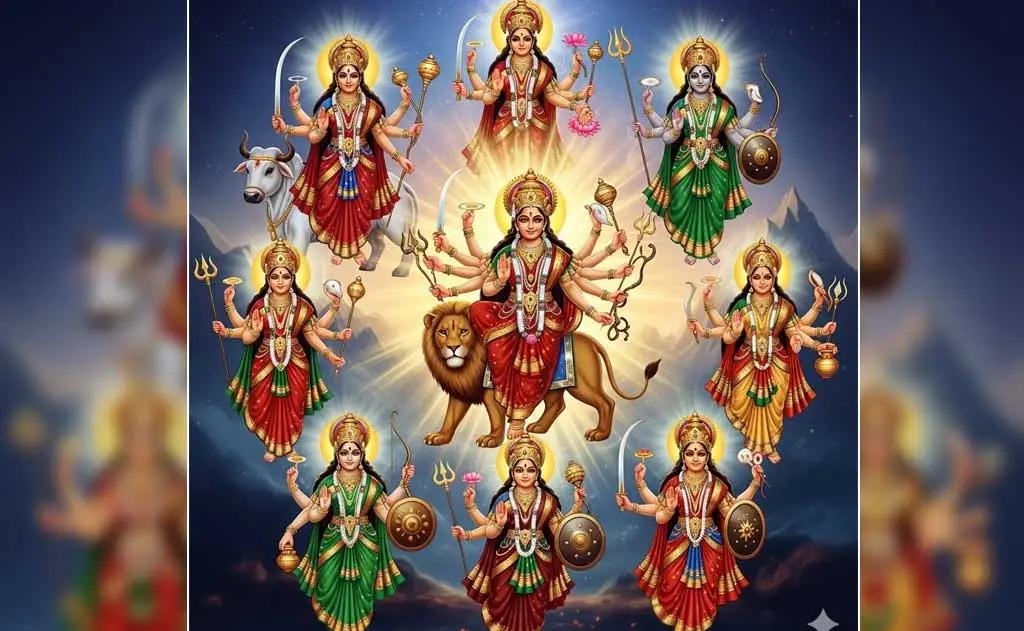
Navratri Daily Routine for Women 2026: Morning Puja, Evening Prayer and a 9-Day Plan
Navratri 2026 for Working Women: A Realistic Office-Day Routine for 11 to 19 October
Garba for Beginners: Easy Steps, Circle Etiquette and Garba with Kids (Navratri 2026)