Ramayana Part 1 Movie Review 2026: Ranbir Kapoor as Lord Rama, Yash as Ravana – Is Nitesh Tiwari’s Epic Worth Watching This Diwali?
Detailed Ramayana: Rise of a Legend review starring Ranbir Kapoor as Rama, Sai Pallavi as Sita and Yash as Ravana. Honest analysis of VFX, performances, story
Released worldwide on 5 November 2026 | Directed by Nitesh Tiwari | Runtime: 3 hours 15 minutes | U Certificate | Available in Hindi, Tamil, Telugu, Kannada, Malayalam + IMAX 3D
India’s most expensive and ambitious cinematic retelling of the Ramayana has finally arrived in theatres. Produced by Namit Malhotra’s Prime Focus Studios in association with Oscar-winning VFX powerhouse DNEG and Yash’s Monster Mind Creations, Ramayana: Rise of a Legend (also known as Ramayana Part 1) brings Valmiki’s timeless Hindu epic to the big screen with unprecedented scale. Starring Ranbir Kapoor as Lord Rama, Sai Pallavi as Goddess Sita, and Yash as Ravana, the film opened to strong audience interest and mixed-to-positive critical response just ahead of Diwali 2026.
This first part of a planned two-film series covers Rama’s early life, his marriage to Sita, the events of exile, and the abduction of Sita—ending at a pivotal moment that sets up the war for Part 2 (expected Diwali 2027 or later).
Story Overview (Spoiler-Light)
The film opens with a powerful framing device involving Jatayu and quickly establishes the backstory of Ravana’s rise. We then move to Ayodhya, where Prince Rama (Ranbir Kapoor), the ideal Maryada Purushottam, grows up under the guidance of sages and the love of his family. After winning Sita’s hand in the swayamvar by lifting and stringing Lord Shiva’s bow, the couple’s happiness is short-lived. Forced into 14 years of exile by Kaikeyi’s demands, Rama, Sita and Lakshmana leave Ayodhya. Their journey through the forest brings both beauty and danger, culminating in the events that force Rama and Lakshmana to begin their search for Sita.
Nitesh Tiwari and co-writer Shridhar Raghavan retain the core emotional and dharmic essence of the epic while expanding certain sequences for cinematic impact. The narrative balances familiar episodes with fresh visual interpretations.
Cast & Performances – Who Shines the Most?
Ranbir Kapoor as Lord Rama
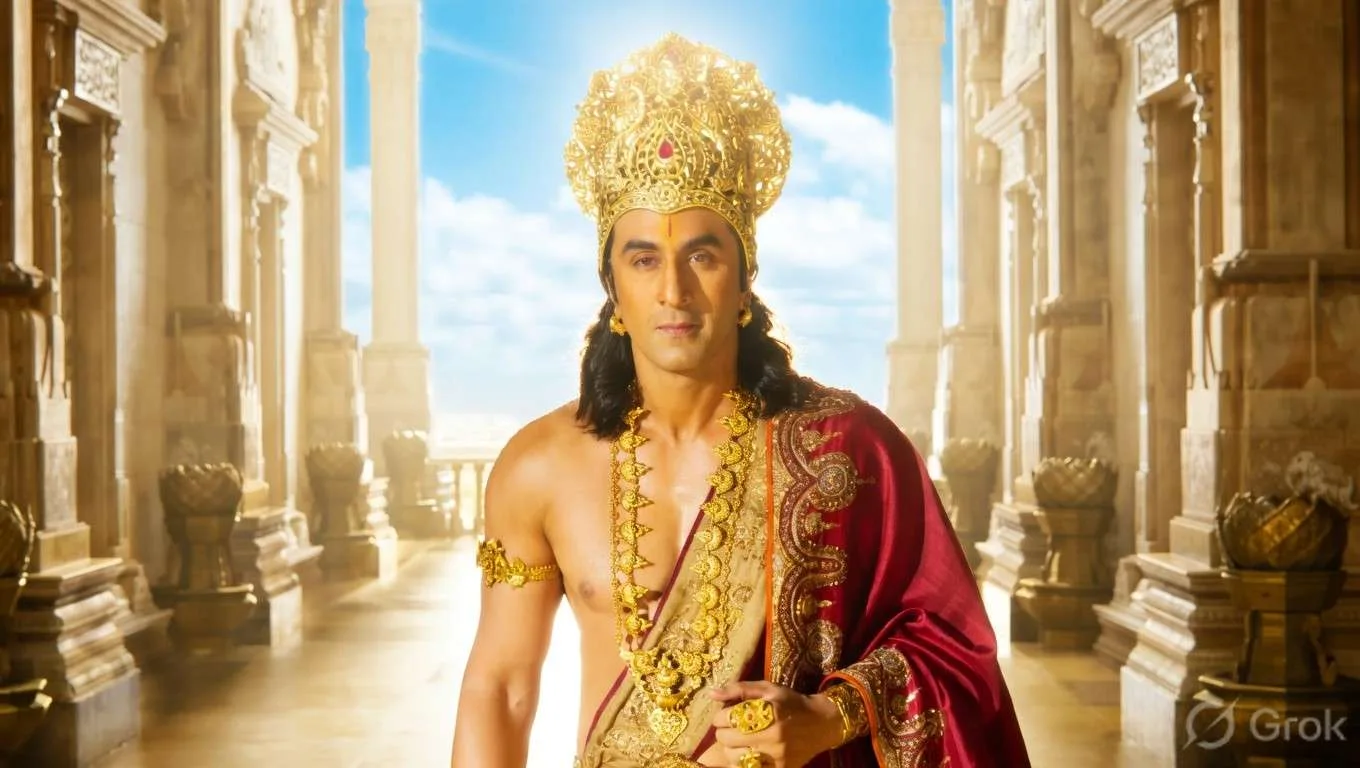
After months of debate over his casting, Ranbir delivers a restrained, dignified and graceful performance. He captures Rama’s quiet strength, sense of duty, and emotional control. Early scenes feel measured, but he grows into the role beautifully during the vanvas portions, especially in the action sequences where his physicality with the bow and arrow stands out. Many critics noted his ability to portray a prince defined more by sacrifice than by conquest.
Sai Pallavi as Sita
Sai Pallavi brings quiet strength, grace and quiet intensity. The film gives Sita more agency than many earlier adaptations—she is portrayed as a healer, a partner and, at times, a warrior in her own right. Her chemistry with Ranbir develops naturally, and she holds her own in key confrontational moments.
Yash as Ravana
The clear scene-stealer for a large section of audiences and critics. In his Hindi debut, Yash brings imposing physical presence, intensity, pride and complexity to the ten-headed king of Lanka. His sequences often dominate the screen, and the introduction of his multiple heads is frequently cited as a highlight. The performance balances scholarly arrogance with raw power.
Supporting Cast Highlights
Ravi Dubey makes a strong film debut as Lakshmana—loyal, emotional and fiercely protective. Arun Govil (the iconic television Rama) plays King Dasharatha with warmth and authority. Lara Dutta (Kaikeyi), Sheeba Chaddha (Manthara), Rakul Preet Singh (Shurpanakha), Kajal Aggarwal (Mandodari), and a special appearance by Sunny Deol as Hanuman add colour and depth. Anupam Kher’s voice work as Jatayu is particularly moving.
Visuals, VFX, Direction & Technical Achievements
This is where Ramayana Part 1 aims highest—and largely succeeds. The DNEG visual effects team creates vast kingdoms, lush forests, celestial realms and large-scale battles that set a new benchmark for Indian cinema. Production design, costumes and colour palette draw inspiration from traditional Indian aesthetics while aiming for global blockbuster standards. Several action sequences (particularly the forest battles) are breathtaking in IMAX.
Nitesh Tiwari handles the massive canvas with confidence, though some critics felt the first hour takes time to settle and a few CGI creatures occasionally look artificial. Overall, the technical ambition is undeniable and the scale is rarely seen in Indian films.
Music & Background Score
Hans Zimmer and A.R. Rahman collaborate on the score. Zimmer’s contribution brings epic, almost spiritual grandeur to the action and emotional peaks. Rahman’s songs grow on the viewer within the narrative context. The music elevates many key sequences even if it does not always reinvent the wheel.
Critical & Audience Response
Critical response has been mixed-to-positive. Many Indian reviewers awarded 3.5–4.5 stars, praising the spectacle, Yash’s Ravana, and the sincere attempt to honour the epic. International critics highlighted the adventure energy and visual scale while noting occasional pacing and emotional restraint issues. Metacritic currently sits in the “generally favourable” range. Audience word-of-mouth, especially among families and devotees, has been largely encouraging.
Early box-office trends show a strong multi-language opening driven by Hindi, with healthy contributions from Kannada and Telugu markets, reflecting the pan-India appeal of the project.
Cultural Significance for Hindu Audiences & NRIs
For generations raised on Ramanand Sagar’s television series, Amar Chitra Katha comics, and temple storytelling, this film offers a modern, visually immersive experience of the Ramayana. It largely avoids heavy politicisation and focuses on dharma, duty, love, sacrifice and the eternal battle between good and ego. The respectful tone and grand theatrical presentation make it a meaningful Diwali outing for families and the Hindu diaspora.
Final Verdict – Should You Watch Ramayana Part 1?
Ramayana: Rise of a Legend is a landmark event for Indian cinema. It is not a perfect film—pacing can lag in places and emotional depth occasionally takes a backseat to spectacle—but it is a sincere, visually overwhelming and largely respectful celebration of one of the world’s greatest stories. For those seeking a grand theatrical experience rooted in Hindu heritage, it delivers on ambition and scale.
Recommended for: Families, devotees of Lord Rama, fans of epic cinema, and anyone wanting to experience the Ramayana on the largest screen possible this festive season. Best enjoyed in IMAX or premium formats.
Hindutone Rating: 3.75 / 5
The real war—and the full glory of Rama’s victory—awaits in Part 2. Until then, this first chapter succeeds in reminding us why the Ramayana continues to inspire across centuries and continents.
Jai Shri Ram.
Read the epic: Ramayana story, simply told. Diwali 2026 guide.
Share this with family and friends
Send it on WhatsApp, post it, or copy the link.
More from News
- Hindu Temples and Religious Freedom in America – What the New Congress Could Mean
- H-1B and Green Card Impact After US Midterm Elections 2026 – What Indian Professionals Should Know
- Nisha Khicher Delhi Police Vehicle Incident: Youth Congress Leader Allegedly Vandalises Police Car – Can Section 425 IPC Apply?
- Defacing Police Vehicles and Public Property in India: What BNS Section 324, the Public Property Act and Delhi's Defacement Law Say
- Aurora Hindu Temple Shooting Plot Foiled: Illinois Teen Charged After Rifle Jammed, Police Say
You might also like
Ramayana (2026) vs Adipurush (2023): Ranbir Kapoor’s Epic vs Prabhas’ Film – VFX, Cast, Tone and Cultural Impact Compared
Divine Timing: First Glimpse of Nitesh Tiwari’s ‘Ramayana’ Unveiled on Hanuman Jayanti with Ranbir Kapoor as Lord Rama